
- Agency markup adds 10-20% on top of clinic quotes for international patient coordination services.
- Mandatory HIRA health assessments and MFDS-compliant medications add $300-800 not shown in initial quotes.
- Recovery accommodations cost $120-300/night (vs. $30-70 for standard hotels) and you’ll need 7-14 nights minimum.
- Revision surgery deposits (10-30% of procedure cost) are often required upfront but rarely mentioned in brochures.
- Visa extensions for medical tourism run $50-100, plus certified translation of documents ($20-40 per page).
You just got your rhinoplasty quote. It looks amazing—60% less than back home. You book your flight to Seoul, dreaming of that perfect profile. Then you land.
Suddenly there are “coordination fees,” a $500 pre-op panel, and your hotel wants an extra deposit for “post-surgical sanitation.” Your $3,000 nose job just became $5,200.
I’ve guided hundreds of patients through Korean medical tourism. The sticker shock isn’t the surgery. It’s everything else. Here’s what actually empties your wallet.
| Hidden Cost Category | Expected Range (USD) | When It Hits |
|---|---|---|
| Medical tourism agency fees | $300 – $2,000 | Booking |
| JCI hospital accreditation surcharge | $150 – $500 | Surgery day |
| HIRA health screening | $200 – $600 | Pre-op (mandatory) |
| Recovery hotel (medical grade) | $120 – $300/night | 7-14 days post-op |
| MFDS-regulated post-op meds | $150 – $400 | Discharge day |
| Revision surgery deposit | 10-30% of procedure cost | Initial booking |
How much does medical tourism cost in Korea when you include hidden fees?
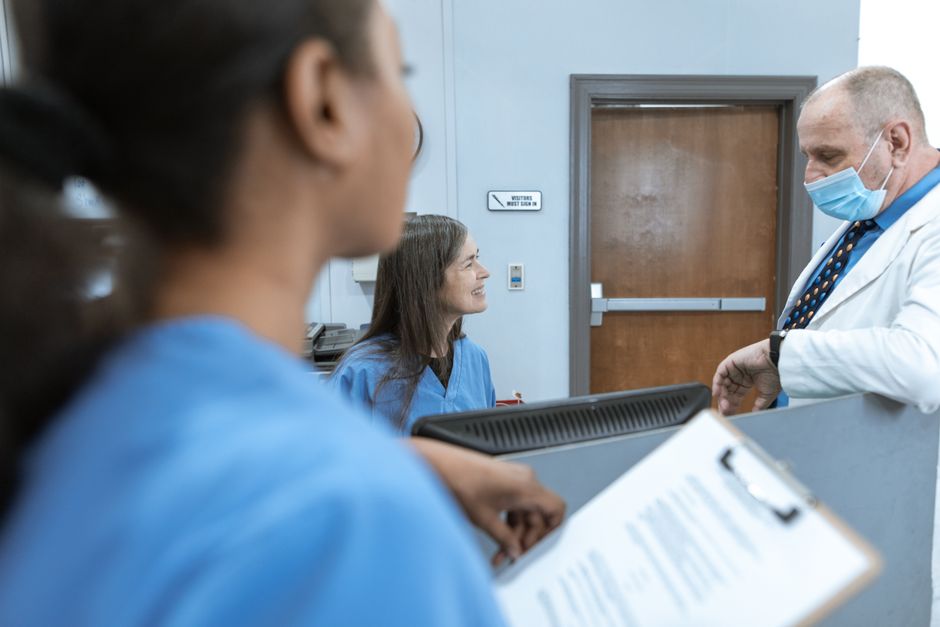
The real total ranges from $4,000 to over $10,500, not the $2,000-$3,000 you saw advertised. That gap? It’s the difference between “surgery price” and “medical tourism reality.”
Most clinics quote just the procedure. A medical tourism package might bundle flights and hotel, but skip the regulatory requirements.
As of 2026, medical expenses for procedures in Korea have risen 36% since 2019 (from 66.97 trillion won to 90.92 trillion won) according to national health data. International patients often see steeper increases due to specialized services.
Here’s the thing: You’re not just paying for the scalpel. You’re paying for the JCI international patient protocol. The English-speaking nurse. The MFDS-compliant recovery room. These aren’t optional add-ons. They’re built into the foreigner rate.
Is $10,000 a lot of money in Korea for medical procedures?
Yes, $10,000 puts you in the premium tier, covering complex procedures like facial contouring or multiple operations simultaneously. For context, that’s roughly 13 million won—enough for 3-4 months of luxury living in Seoul Gangnam district.
But here’s where it gets tricky. $10,000 sounds like a massive budget. In reality, it disappears fast. A rhinoplasty ($3,500) plus blepharoplasty ($2,200) eats up $5,700.
Add $1,400 for 10 nights in a medical recovery hotel. Then $800 for HIRA screenings and MFDS documentation. Suddenly you’re at $7,900 before flights or meals.
How do JCI accreditation fees impact your total bill?
JCI (Joint Commission International) accreditation adds $150-$500 to your invoice, but it’s non-negotiable for quality care. JCI accredits hospitals like Samsung Medical Center and Severance Hospital, ensuring international safety standards. However, maintaining these standards costs money.
These aren’t “hidden” in the sense of being secret. They’re hidden in the sense that nobody mentions them until checkout. Clinics pay heavily for JCI surveys every three years.
They pass that cost to international patients because you’re utilizing the English protocols, the international patient lounges, and the specialized nursing staff that JCI requires.
You’ll see this listed as “International Patient Service Fee” or “Global Healthcare Support.” It’s legitimate. It’s also expensive.
What regulatory costs do MFDS and HIRA add to medical procedures?
MFDS (Ministry of Food and Drug Safety) and HIRA (Health Insurance Review and Assessment Service) compliance adds $300-$800 to your trip. These aren’t optional tips. They’re mandatory government layers.
MFDS regulates all medical devices and pharmaceuticals used in your procedure. That Botox? MFDS-regulated. Those silicone implants? MFDS-certified. Each certification adds import and testing costs. HIRA requires foreign patients undergo specific health screenings unavailable in your home country, costing $200-$600 depending on procedure complexity.
Here’s where most patients get blindsided. You need document translation certified for HIRA acceptance. That’s $20-$40 per page for medical records. Have six pages of previous surgery history? Add $240 to your budget.
Why do vision correction procedures like SMILE for myopia have different hidden costs?
SMILE (Small Incision Lenticule Extraction) for myopia carries unique post-op costs totaling $400-$900 beyond the surgery. Unlike rhinoplasty or blepharoplasty, vision correction requires expensive prescription eye drops and MFDS-regulated artificial tears for 3-6 months.
Myopia correction seems simpler than plastic surgery. It’s usually outpatient. But the follow-up is intensive. You’ll need 5-7 checkups in the first month. Each visit runs $80-$150 for international patients. Plus, SMILE patients require specialized protective eyewear ($50-$100) and blackout curtains or specialized sunglasses ($30-$80) that standard hotels don’t provide.
The surgery itself might cost $1,500-$2,500. The “hidden” aftercare often hits $800 before you’re seeing clearly.
Which country is no 1 in plastic surgery and what does that mean for costs?
South Korea performs the most cosmetic procedures per capita globally, making it the undisputed leader in plastic surgery volume. This reputation creates a paradox: competition drives procedure costs down, while demand drives hidden service costs up.
Because Korea is the epicenter, clinics invest heavily in medical tourism agencies and international marketing. You pay for that. The “Korea Premium” isn’t the surgery—it’s the ecosystem. The translation apps. The recovery houses staffed with English speakers. The JCI standards that international patients demand but locals don’t use.
Is medical treatment cheap in South Korea for foreigners?
Medical treatment is 40-65% cheaper than US rates, but “cheap” is misleading. A dental implant runs $1,200 in Korea vs. $3,000 in America. That’s genuine savings. But the total cost of care—including accommodation, agency fees, and regulatory requirements—narrows that gap significantly.
Budget hotels cost $30-70 per night, but you can’t stay there post-op. Medical recovery hotels run $120-300 nightly. You’ll need 7-14 nights for most procedures. That’s $840-$4,200 just for sleep.
Food is cheap ($10-15/day). Medical tourism isn’t.
When should you book accommodations directly vs. through a clinic?
Never book standard hotels for the first 5 nights post-op. You need medical-grade recovery accommodation, and clinics negotiate block rates that individual tourists can’t access.
Clinics partnered with recovery houses include emergency nurse visit buttons, MFDS-compliant meal services (low sodium for swelling), and JCI-standard sanitation. Book direct to save $20/night, and you’ll miss these features.
What are the real costs of revision surgery and aftercare deposits?
Revision deposits run 10-30% of your original quote, held in escrow against future complications. Not every clinic requires this, but JCI-accredited facilities often do.
Here’s the open loop: Most patients don’t realize revisions aren’t free. If your nose heals crooked, fixing it costs 50-100% of the original price. Smart clinics ask for a revision deposit upfront (refundable if unused) to ensure you’re serious about follow-up care.
Aftercare products add another $150-$300. Scar gels, MFDS-approved silicone sheets, and specialized cleansers aren’t included in your surgery quote. Dental tourists face similar surprises with specialized mouthwashes and temporary crown fees.
When is medical tourism in Korea actually worth the hidden costs?
It’s worth it when you need complex procedures (facial contouring, revision rhinoplasty) or bundled treatments, where 65% savings offset the regulatory fees. For single, simple procedures ($2,000 or less), the hidden costs often erase your savings.
The value isn’t just the surgery. It’s the 15 years of specialized experience Korean surgeons have with specific procedures like double eyelid surgery. It’s the JCI-accredited technology. But you pay for that expertise through the international patient infrastructure.
Related Reading
- Medical Tourism Agencies in Korea — What to check when choosing
- Korean Medical Tourism Packages — What to check when choosing
- Dental Clinics in Korea — What to check when choosing
Last updated: May 01, 2026