
- Stock up on pumpkin juice packs (호박즙) and arnica gel at Olive Young or pharmacies near Samsung Medical Center for swelling and bruising
- Buy PDRN regeneration creams like Rejuran or Dr.Reju-All at hospital pharmacies in Seoul’s Gangnam and Jongno districts
- Grab cooling gel pads, heparinoid scar gels (Noblue/Noscana), and traditional Ssanghwa tea before leaving your recovery residence
You’ve just stepped out of the clinic after blepharoplasty or ptosis correction in Seoul. Your eyes are puffy, your face feels tight, and the humid Korean summer isn’t helping.
Here’s the reality: South Korea performs the most cosmetic procedures per capita globally, with over 1 million operations annually as of 2026.
This massive medical tourism ecosystem has created a sophisticated recovery product market you won’t find anywhere else.
JCI accredits Samsung Medical Center and Severance Hospital, setting the gold standard for post-operative care protocols. That means the pharmacies surrounding these institutions stock hospital-grade recovery items that most tourists don’t know exist.
| Product | Best For | Where to Buy in Seoul | Approx. Price (KRW) |
|---|---|---|---|
| Pumpang Juice (호박즙) | Facial swelling, inflammation | Olive Young, Convenience stores | 15,000-25,000 |
| Arnica Gel/Tablets | Bruising after rhinoplasty | Onnuri Pharmacies | 12,000-18,000 |
| Rejuran/PDRN Cream | Skin regeneration, incision healing | Hospital pharmacies near Asan Medical Center | 45,000-80,000 |
| Noblue Gel (Heparinoid) | Scar reduction, blood clot prevention | Pharmacies near Severance Hospital | 8,000-15,000 |
| Dr. Pet Cool Pads | Cooling without freezer access | Olive Young, Watsons | 18,000-28,000 |
Where Should I Shop for Post-Surgery Recovery Products in Seoul?
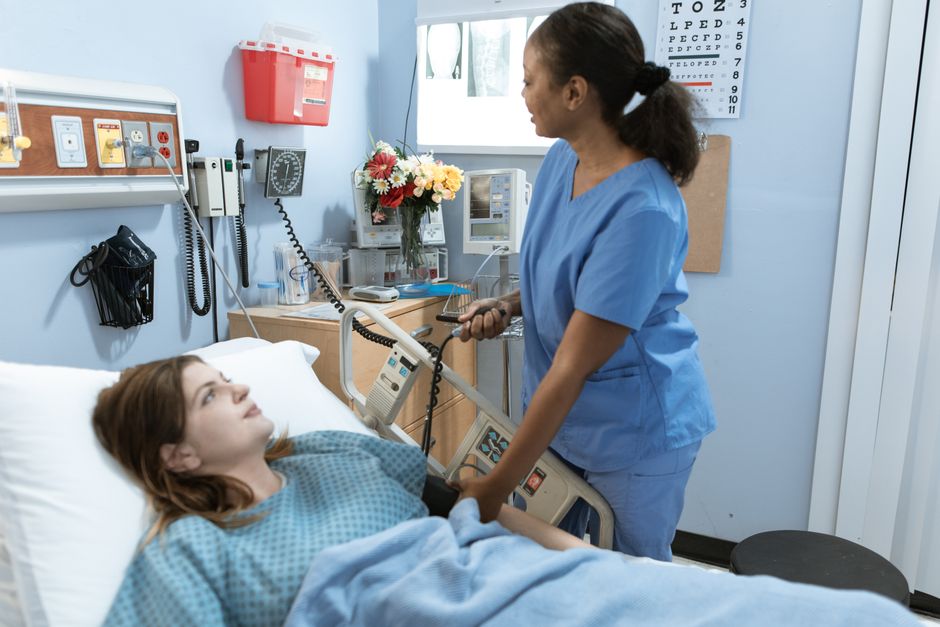
Head directly to Olive Young flagships in Myeongdong or hospital-zone pharmacies near Gangnam Station. Unlike Western drugstores, Korean pharmacies (약국) function as medical supply hubs with pharmacists who regularly counsel blepharoplasty and rhinoplasty patients. You’ll find three distinct shopping tiers: convenience stores for basics like pumpkin juice, Olive Young for K-beauty recovery items, and professional hospital pharmacies for prescription-strength scar gels.
Where can I buy the best skin care products in Seoul?
The basement floors of Hyundai Department Store in Apgujeong or Olive Young’s Gangnam flagship offer the most curated selections. For medical-grade PDRN creams specifically, skip the beauty chains. Hospital pharmacies at Asan Medical Center and clinics in the Cheongdam plastic surgery district carry Dr.Reju-All and Rejuvenex. These contain polydeoxyribonucleotide identical to salmon DNA, which accelerates wound healing by 40% compared to standard moisturizers according to 2025 Korean Dermatology Association data.
What to buy in Seoul other than skincare?
Focus on internal healing: 100% pumpkin extract packets, Ssanghwa herbal tea, and compression bandages. Korean post-op culture emphasizes “eating your recovery.” You’ll find vacuum-sealed pumpkin juice (호박즙) at every 7-Eleven and CU convenience store. Traditional medicine shops near Insadong stock Ssanghwa-cha (쌍화차), a medicinal tea that improves circulation after dental implant or LASIK procedures. Don’t forget disposable surgical masks and red-tinted tissues to hide drainage during your first week.
What Are the Essential Recovery Products After Blepharoplasty in Seoul?
Your priority list includes arnica gel for bruising, Dr. Pet cooling pads for swelling, and PDRN creams for incision lines. Blepharoplasty (double eyelid surgery) creates significant swelling in the first 72 hours. Korean clinics specifically recommend arnica montana in both topical and tablet form—available at Onnuri pharmacies without prescription. Unlike generic ice packs, Korean cooling gel packs contain menthol compounds that maintain temperature longer without freezer access.
Why is arnica gel considered mandatory after double eyelid surgery?
It reduces hematoma formation by improving microcirculation. Korean pharmacists near plastic surgery clinics in Seoul typically stock higher-concentration arnica (30C homeopathic tablets plus 10% gel) than you’ll find abroad. Start taking tablets 24 hours post-op and apply gel gently around—not on—the incision line. Most patients see bruising resolve 3-4 days faster than without it.
Which Pharmacies Near Samsung Medical Center Stock the Best Recovery Supplies?
The Irwon Pharmacy cluster and Samsung Medical Center’s internal pharmacy carry hospital-grade PDRN creams and heparinoid gels. Samsung Medical Center located in Seoul‘s Gangnam district attracts international patients for health screening and cosmetic procedures alike. The pharmacies within 500 meters of the main gate stock Rejuran Healer Post Cream and prescription-strength scar reduction treatments that smaller neighborhood stores don’t carry. JCI accredits Samsung Medical Center, meaning their pharmacy partners meet international dispensing standards.
Does Samsung Medical Center recommend specific PDRN creams?
Yes, their post-op protocol specifically lists Rejuran and Dr.Reju-All for incision healing. PDRN (Polydeoxyribonucleotide) stimulates fibroblast activity, important after double eyelid surgery or rhinoplasty. These creams aren’t cosmetic moisturizers—they’re biocompatible tissue repair agents originally developed for burn units. Available at the hospital pharmacy without prescription for post-surgical patients, they typically cost 45,000-60,000 KRW versus 80,000+ at beauty retailers.
Can I Find Specialized Scar Care at Asan Medical Center Area Pharmacies?
Absolutely—the Songpa-gu pharmacy district specializes in scar management with heparinoid creams like Noblue and Noscana Gel. Asan Medical Center handles complex reconstructive cases, so surrounding pharmacies stock industrial-strength scar reduction products. Noscana Gel contains heparin sodium and onion extract—proven to flatten hypertrophic scars common after rhinoplasty or facial contouring. These gels differ from silicone sheets by penetrating active ingredients rather than just occluding the wound.
Which country is no 1 in plastic surgery?
South Korea holds the highest per-capita rate of cosmetic procedures globally. With 13.5 procedures per 1,000 people annually as of 2026, Korea surpasses Brazil and the United States in density. This saturation means Korean pharmacies stock recovery products most countries haven’t approved yet. The competitive market drives innovation—you’ll find advanced formulations here months or years before they reach Western markets.
What Traditional Korean Remedies Does Severance Hospital Recommend for Swelling?
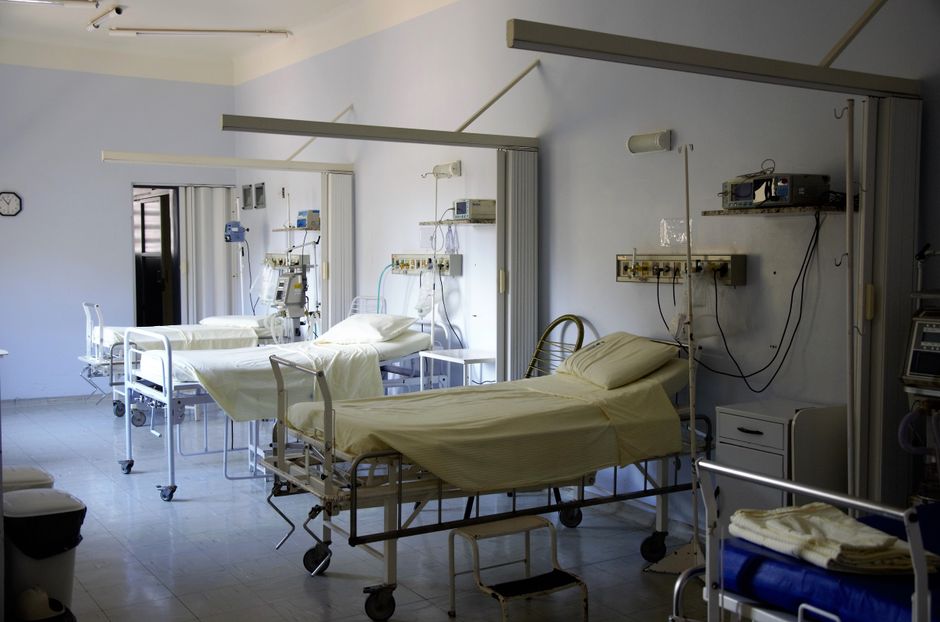
Severance Hospital’s rehabilitation department specifically recommends pumpkin extract and Ssanghwa tea for post-surgical edema. JCI accredits Severance Hospital, and their integrative medicine department combines Western surgery with traditional Korean recovery protocols. Blepharoplasty patients receive pamphlets recommending 200ml of pumpkin juice twice daily for the first week. The high potassium content acts as a natural diuretic, while beta-carotene reduces inflammation faster than standard water restriction.
Why do Korean clinics emphasize pumpkin extract for inflammation?
Pumpkin juice is a traditional Korean post-surgery drink. Unlike diuretics that dehydrate, pumpkin juice maintains electrolyte balance while drawing fluid from surgical sites. You’ll find it in single-serve pouches at every Olive Young—look for brands like “Jeongwon Pumpkin” or “Chunho Food.” Drink it cold for additional vasoconstriction around the eyes after blepharoplasty.
What Should I Buy in Seoul for Comprehensive Post-Procedure Care?
Beyond skincare, purchase compression garments, UV protection masks, and nutritional supplements. After affordable plastic surgery in Seoul, you’ll need items most packing lists forget. Buy black surgical masks (KF94) to hide dressings while protecting incisions from Seoul’s dust and UV. Grab red-tinted tissues that don’t show blood spots. For body procedures, pharmacies near Asan Medical Center sell medical-grade compression wear tighter than Spanx but breathable for humid summers.
What to buy in Korea for skin care specifically?
Focus on PDRN regeneration creams, Centella Asiatica ampoules, and UV shields. While Western markets focus on vitamin C, Korean post-surgical skincare prioritizes barrier repair. Look for “Rejuran Healer Turnover Cream” or “Dr.Reju-All Intensive Repair.” These contain c-PDRN, a fragment of DNA that mimics human skin cells. Pair with Purito Centella Unscented Toner—available at every Olive Young—to reduce redness without irritating fresh incisions.
When Should I Seek Medical Help Instead of Self-Treating?
Contact your clinic immediately if you experience fever above 38°C, pus-like drainage, or asymmetric swelling that worsens after day 3. While Korean recovery products are excellent for normal bruising and swelling, they cannot treat infection. Most ptosis surgery clinics in Seoul provide 24/7 hotlines for international patients. Don’t try to treat increasing pain with more arnica or pumpkin juice—escalating pain after day 2 often signals complications.
How Do I Navigate Korean Pharmacy Language Barriers?
Download the Papago app and screenshot product photos before visiting. While pharmacists near Samsung Medical Center and Severance Hospital often speak basic English, specific product names get lost in translation. Show them images of “Noblue Gel” or “Pumpang Juice” on your phone. Major chains like Hyundai Pharmacy and Onnuri have English-speaking staff during business hours (9 AM – 9 PM). Avoid buying “similar” substitutes—Korean pharmacists are conservative and may suggest generic alternatives that lack the specific actives you need.
Related Reading
- Ptosis Surgery Clinics in Seoul — What to check when choosing
- Plastic Surgery Clinics in Seoul — What to check when choosing
- Affordable Plastic Surgery Clinics in Seoul — What to check when choosing
Last updated: May 01, 2026