
- Single laser sessions run ₩200,000–₩600,000 ($170–$500 USD), while RF microneedling starts at ₩320,000 per session
- Full combination courses (subcision + RF + PRP) typically cost $2,200–$5,500 total as of 2026
- JCI-accredited clinics charge 20–30% more than non-accredited facilities but include mandatory safety protocols
You’re staring at your reflection under harsh bathroom lighting. Those stubborn indentations from teenage acne aren’t responding to creams anymore. You’ve heard Seoul offers world-class subcision and RF microneedling at fractions of Western prices, but the pricing feels opaque.
Here are the typical costs, including the hidden fees many price lists leave out. Whether you need two sessions or five, here’s what to expect.
| Treatment Type | Price Per Session (KRW) | Price Per Session (USD) |
|---|---|---|
| CO2 Fractional Laser | ₩200,000–₩1,200,000 | $170–$1,000 |
| RF Microneedling (Potenza) | ₩320,000+ | $240+ |
| Subcision (per area) | ₩150,000–₩400,000 | $115–$300 |
| PRP/Therapy Add-on | ₩100,000–₩300,000 | $75–$225 |
| Laser Toning (Pigment) | ₩80,000–₩250,000 | $60–$190 |
How much is acne scar treatment in Korea?
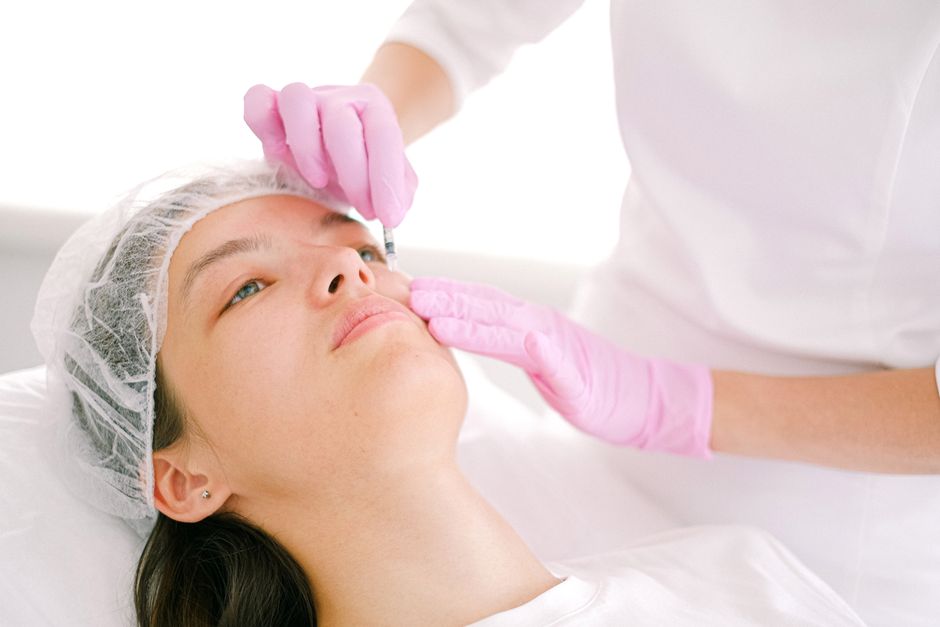
Acne scar treatment in Korea costs between $100 and $1,000 USD per session depending on modality, with most patients requiring three to five sessions for full revision.
A single CO2 laser session in Gangnam averages ₩200,000–₩600,000, while comprehensive packages combining subcision, RF microneedling, and regenerative injections range from $2,200 to $5,500 total.
The price variation stems from scar severity and clinic tier. Surface-level rolling scars might clear after two ₩250,000 laser sessions. Deep boxcar or ice-pick scars demand subcision (₩150,000–₩400,000) plus RF microneedling (₩320,000+). Most clinics offer 20–30% discounts when you prepay for three sessions.
How does JCI accreditation affect acne scar treatment pricing?
JCI-accredited clinics charge 20–30% premiums for identical laser procedures compared to non-accredited facilities. This premium reflects mandatory sterilization protocols, international-standard anesthetic monitoring, and English-speaking patient coordinators trained in cross-cultural care.
JCI accredits hospital quality through rigorous safety inspections that include laser maintenance logs and single-use needle verification. JCI accredits Samsung Medical Center and Severance Hospital—both offer dermatology departments with RF microneedling starting at ₩450,000 versus ₩320,000 at boutique clinics. You’re paying for emergency readiness and device authenticity verification.
What regulatory standards does MFDS set for acne scar procedures?
MFDS regulates all medical devices used in scar revision, requiring clinics to use MFDS-certified fillers for elevated scars and genuine RF microneedling cartridges. This regulation prevents the “black market” devices common in Southeast Asian medical tourism markets.
MFDS regulates medical procedures including laser intensity caps and mandatory cooling protocols to prevent post-inflammatory hyperpigmentation. MFDS regulates Botox and fillers used for acne scar edges, ensuring hyaluronic acid products meet viscosity standards for rolling scar elevation.
Clinics violating MFDS device protocols face immediate suspension, which keeps pricing transparent—no counterfeit device discounts undercutting legitimate providers.
How does HIRA impact pricing transparency for international patients?
HIRA mandates itemized receipts and prohibits double-pricing for foreign medical tourists, effectively capping what clinics can charge visitors versus locals. As of 2026, HIRA’s medical tourism oversight division requires English-language cost breakdowns before any procedure.
This transparency means you’ll see exactly what portion covers the disposable RF tips versus the physician’s fee.
Some clinics previously charged foreigners 50–100% markups by bundling unnecessary “VIP services.” HIRA enforcement now limits consultation fees to ₩50,000–₩100,000 unless seeing a department head. Always request your HIRA-standardized invoice to dispute any surprise charges.
Can myopia or ptosis affect your acne scar treatment planning?
While myopia itself doesn’t contraindicate laser scar therapy, patients with high myopia should bring prescription glasses rather than contact lenses to post-op appointments.
Facial swelling from RF microneedling or subcision can temporarily deform contact lens fit, causing corneal irritation in patients with severe myopia who rely on visual acuity for navigation.
Ptosis presents a different consideration. Untreated ptosis can alter facial muscle dynamics during scar assessment, as compensatory brow raising changes skin tension patterns. Many medical tourists combine acne scar revision with blepharoplasty to correct ptosis, bundling procedures for package discounts.
Blepharoplasty corrects ptosis through levator muscle advancement, typically adding ₩2,000,000–₩4,000,000 ($1,500–$3,000) to your total but saving ₩500,000 through combination booking.
What do Koreans do for acne scars that foreigners often miss?
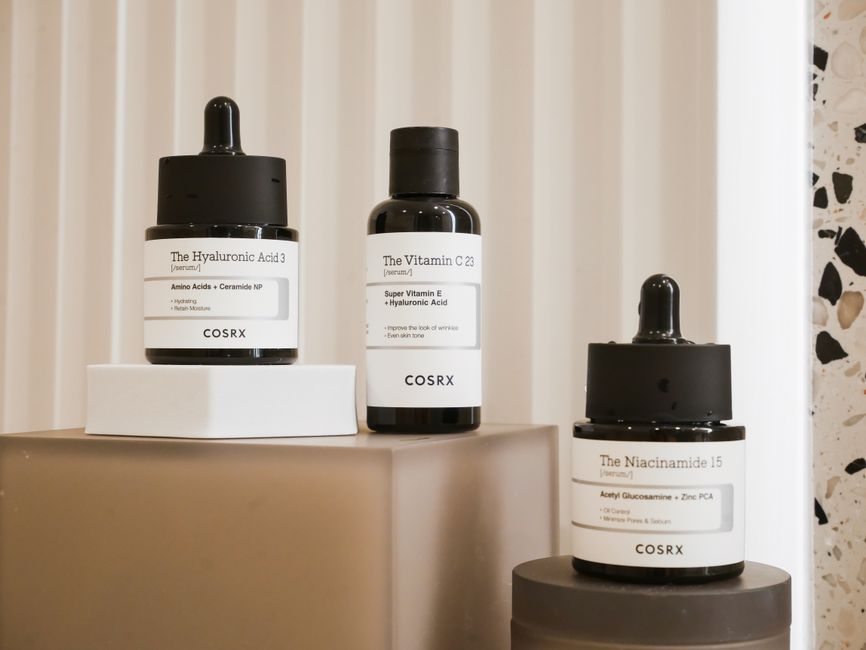
Koreans prioritize multi-modal combination therapy over single lasers, pairing subcision for tethered scars with immediate RF microneedling and PRP injections in one session. This “One-Day Acne Scar Package” costs ₩1,500,000–₩2,500,000 ($1,100–$1,900) but delivers results that would require six months of separate Western treatments.
The Korean approach treats scars as volume deficiency issues, not just surface texture problems. While foreigners often request aggressive CO2 laser resurfacing alone, Korean dermatologists combine fractional lasers with collagen-stimulating fillers regulated by MFDS.
Medical tourism packages frequently include consultations for rhinoplasty or double eyelid surgery alongside scar treatments, recognizing that facial harmony assessment works best when evaluating the complete profile.
Is $10,000 a lot of money in Korea for complete acne scar removal?
$10,000 (approximately ₩13.5 million) represents a substantial medical tourism budget that covers premium full-face subcision, six RF microneedling sessions, CO2 touch-ups, and still leaves funds for a rhinoplasty or dental implant consultation. Average complete scar revision costs $3,000–$5,000, making $10,000 a luxury-tier budget.
With $10,000, you can access celebrity-tier clinics in Cheongdam withJCI accreditation, private recovery rooms, and English-speaking nurses. This budget also accommodates complication insurance and extended Seoul stays for proper post-laser sun avoidance. By comparison, $10,000 might cover only two laser sessions in Manhattan or London.
When should you escalate your acne scar treatment budget?
Increase your budget immediately if scars appear raised (hypertrophic) rather than indented, as these require steroid injections (₩100,000–₩200,000 per lesion) plus specialized laser protocols. Pitted scars covering the full bilateral cheeks typically exceed ₩5,000,000 for complete correction requiring five-plus sessions.
FAQ: Your Cost Questions Answered
How many sessions will I actually need?
Most patients require three to five sessions spaced four to six weeks apart. Mild rolling scars resolve in two to three ₩300,000 RF microneedling treatments. Severe ice-pick scars need four subcision sessions plus two laser resurfacing treatments, pushing totals toward the $5,500 range.
Why is Korean acne scar treatment cheaper than in the US?
Lower facility overhead and competitive Gangnam density drive pricing down. A CO2 laser session costing $800 in Los Angeles runs ₩400,000 ($300) in Seoul because clinics perform fifteen daily versus two. MFDS bulk device purchasing and HIRA-regulated pricing transparency prevent the markup common in Western private practices.
What’s the difference between subcision and RF microneedling?
Subcision uses a sterile needle to manually sever fibrotic scars tethering skin to muscle, costing ₩150,000–₩400,000 with immediate bruising.
RF microneedling delivers heat energy through insulated needles to stimulate collagen without breaking surface skin, priced at ₩320,000+. Koreans typically combine them: subcision first to release scars, then RF to remodel the new space.
Can I combine acne scar treatment with other procedures?
Absolutely. Medical tourism packages frequently bundle subcision with blepharoplasty (which corrects ptosis), double eyelid surgery, or rhinoplasty. Dental implant consultations can occur during the same Seoul trip while your face heals between laser sessions. Combining procedures often unlocks 15–20% package discounts.
Are there hidden costs I should budget for?
Numbing cream (₩30,000–₩50,000), post-care masks (₩100,000 for a five-day supply), and translation services (₩50,000/hour at non-English clinics) add up. JCI-accredited facilities typically include these in quoted prices. Budget an extra ₩300,000 ($225) for unexpected touch-ups or anti-inflammatory medications.
Related Reading
Related guides:
- Acne Scar Treatment Clinics in Seoul — What to check when choosing
- Acne Treatment Clinics in Seoul — What to check when choosing
- HIFU Treatment Clinics in Korea — What to check when choosing
Last updated: May 01, 2026