
- What Korean skin clinics genuinely lead in: Skin booster injections (Rejuran, Profhilo), thread lifts (Ultra V, Ultraline), pigmentation lasers (Pico, Picosure), and combination protocols not yet standardized in Western dermatology
- Cost positioning: 40–70% less than equivalent US/UK dermatology — a Pico laser session in Korea costs $200–$500 vs $800–$2,000 in the US
- Quick procedures, short trips: Most skin procedures complete in a single visit with minimal downtime — 4–7 day trips are typical for skin-only patients
- Find a clinic: Check that your chosen Korean dermatology clinic is KAHF-accredited. Free information is available from KmedTour and elsewhere; match the procedure to the clinic’s specialty
Korean dermatology is a separate medical tourism category from Korean plastic surgery. The procedures, the clinic culture, the recovery profiles, and the price points all differ.
International patients travelling for skin work get the most value when they understand Korean dermatology’s specific strengths — and where it sits versus dermatology in their home country.
This guide breaks down the procedures Korean skin clinics genuinely lead in, the cost ranges in 2026, what trip length to plan, and how to choose a clinic by specialty fit rather than generic ranking.
What Korean Skin Clinics Are Known For
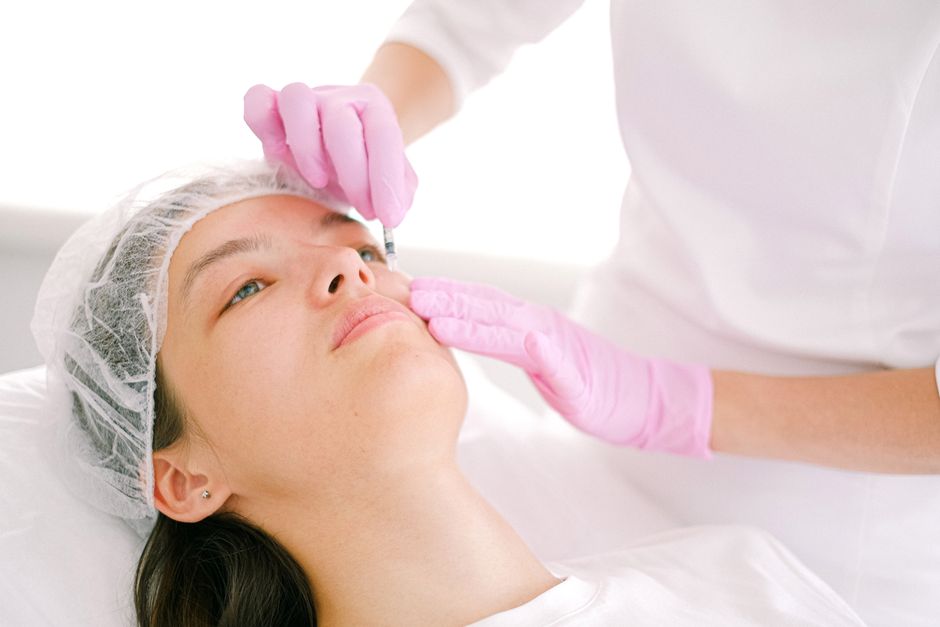
Three categories define Korea’s dermatology specialty:
1. Skin Booster Injections
Skin boosters are injectable treatments that hydrate and rebuild the dermis from within — distinct from filler (which adds volume) and Botox (which paralyzes muscle). Korea was an early adopter and remains the largest user of these treatments globally.
- Rejuran (Healer): Polynucleotide injections (PDRN derived from salmon DNA) that stimulate skin regeneration. Korean-developed and most widely used here. Treatment course typically 3 sessions, 2–4 weeks apart. Cost $250–$400 per session.
- Profhilo: Bio-stimulator hyaluronic acid that integrates into the skin rather than adding volume. Italian-developed but widely used in Korean clinics. 2 sessions, 4 weeks apart. Cost $400–$600 per session.
- Juvelook: Korean PDLLA-based collagen stimulator. Newer, used for textural improvement. Cost $350–$500 per session.
- Skinvive: Allergan’s micro-droplet HA. Less established in Korea but available at major clinics.
2. Energy-Based Devices (Lasers, RF, Ultrasound)
Korean clinics typically operate the broadest device inventory of any market. Most major clinics have 8–15 different laser and energy platforms versus 3–5 at typical US private clinics.
- Pico laser (PicoSure, Pico Way, Pico Sure Pro): Picosecond-pulse lasers for pigmentation, tattoo removal, and skin tone improvement. $200–$500 per session.
- Inmode (Morpheus8, FaceTite, AccuTite): RF microneedling and minimally-invasive RF lipolysis. $400–$900 per session.
- Ultherapy / Ulthera: Focused ultrasound for skin tightening. $1,200–$2,500 per full-face treatment.
- Fraxel / CO2 fractional: Resurfacing for scars and texture. $400–$800 per session.
- Vbeam / Excel V: Pulsed dye laser for vascular conditions (rosacea, broken capillaries). $250–$500 per session.
3. Thread Lifts
Korea is where PDO and PLLA thread lifts originated. Korean dermatologists perform more thread lift procedures than anywhere else, and the technique has been refined for natural lifting rather than the conspicuous early-generation results.
- Ultra V Lift, Ultraline, Mint Lift: PDO thread variants with different barb configurations. $1,500–$3,500 per session.
- Silhouette Soft: PLLA threads with longer-lasting collagen stimulation. $2,500–$4,500.
- Combination protocols: Threads + Rejuran + light filler is a common Korean signature combination. $3,000–$5,500 total.
| Procedure | Korea (USD) | US Private | UK Private |
|---|---|---|---|
| Pico laser session | $200–$500 | $800–$2,000 | $650–$1,500 |
| Rejuran (3 sessions) | $750–$1,200 | Not widely available | $1,500–$2,500 |
| Ultherapy full face | $1,200–$2,500 | $3,500–$5,500 | $2,800–$4,800 |
| Botox (per area) | $120–$220 | $350–$650 | $250–$500 |
| Filler (1ml HA) | $280–$450 | $700–$1,200 | $450–$850 |
| Thread lift (PDO, full face) | $1,500–$3,500 | $3,500–$5,500 | $2,500–$4,500 |
Major Korean Skin Clinic Categories
Korean skin clinics broadly group into three tiers. Match the tier to your procedure needs:
Specialty Dermatology Clinics
Single-focus clinics led by board-certified dermatologists. Examples: Oracle Dermatology (multiple branches), LJH Skin Clinic (Lee Jae Hong), Dr.G Skin Clinic, Cheongdam Mole Plastic Surgery (combined skin + minor plastics).
Specialty clinics are the right choice for medical dermatology (acne, rosacea, melasma, eczema), specific laser treatments, and skin booster protocols. Smaller scale than comprehensive clinics, more individual attention from the lead dermatologist.
Hybrid Skin + Plastic Surgery Clinics
Combine in-house plastic surgeons and dermatologists. Best for patients combining procedures (rhinoplasty + Rejuran + filler in single trip). Examples: ID Hospital, Banobagi, Cinderella Plastic Surgery all have substantial skin departments alongside their surgical offerings.
Chain Clinics (Mass Market)
Multi-branch operations with standardized protocols. Examples: Oracle (largest single-brand), The Plastic Surgery Center. Best for high-volume routine procedures (basic Botox, simple filler) at competitive prices. Less suited to complex medical dermatology cases.
“Korean dermatology has built its specialty around skin booster injections and energy-based devices. The procedure menu at a mid-tier Seoul clinic is broader and more refined than at most equivalent Western private dermatology practices, particularly for skin texture and tone improvement protocols.”
Trip Planning for Skin-Only Medical Tourism
Compared to surgical procedures, dermatology trips are short and flexible:
- Single-procedure trips: 4–5 days. Day 1 consultation, day 2 procedure, days 3–4 follow-up + recovery, day 5 departure.
- Multi-procedure trips: 7–10 days. Spaces between procedures for swelling resolution and individual assessment.
- Course-based protocols (Rejuran, Profhilo with 2–3 sessions): Either compress into a single 7–14 day trip (sessions spaced 5–7 days apart) or split across multiple trips over 2–4 months.
Most skin procedures don’t require the C-3-3 medical tourism visa — they can be done on a standard tourist visa or visa-free entry if your nationality qualifies. The exceptions are extensive multi-procedure protocols where treatment duration exceeds the visa-free window.
Pigmentation, Melasma, and Diverse Skin Tones
One concern international patients sometimes have: are Korean dermatologists experienced with diverse skin tones, given Korea’s predominantly homogeneous patient population?
The answer has evolved significantly. The 2020s expansion of Korean medical tourism brought higher case volumes from Southeast Asia, the Middle East, Africa, and the Americas — Korean specialists at major international-patient clinics now have substantial experience across Fitzpatrick skin types I–VI.
Important to ask specifically about your skin type during consultation. The right Korean specialist for darker skin types will:
- Adjust laser settings (lower fluence, longer wavelengths like 1064nm Nd:YAG) to avoid post-inflammatory hyperpigmentation
- Prefer Pico laser over Q-switched older lasers for tattoo and pigmentation work
- Recommend skin-prep protocols (hydroquinone, tranexamic acid) before energy-based treatments
- Have a documented case portfolio for patients with your skin tone
Less-experienced clinics may apply standard Asian-skin protocols to darker skin types and produce poor outcomes. Ask explicitly about case volume and protocols for your specific skin type.
What You Cannot Always Get Done in Korea as a Visitor
Some Korean dermatology offerings are restricted for foreign visitors or have practical constraints:
- Long-course prescription protocols (isotretinoin for acne): Standard 4–6 month courses are difficult to complete as a medical tourist. Most clinics will start the protocol but you’ll need to continue in your home country.
- Sclerotherapy for varicose veins: Requires multi-month follow-up sessions; usually impractical for short trips.
- Skin cancer screening and Mohs surgery: Korea has the infrastructure but Korean dermatologic oncology is less internationally accessed; usually better handled in your home country with local pathology follow-up.
- Hair restoration (medical, not surgical): Topical and oral hair loss treatments can be initiated but require ongoing follow-up — same logistical issue as isotretinoin.
The procedures that work best in a medical tourism context are single-session or short-course (1–3 visits in 1–2 weeks): lasers, skin boosters, thread lifts, Botox/filler, Ultherapy, fractional resurfacing.
Common Mistakes International Patients Make
1. Stacking too many procedures in a short trip. Laser + thread lift + skin booster in the same week increases inflammation interaction. Space major procedures by at least 4–7 days for proper assessment between treatments.
2. Skipping post-procedure SPF discipline. Most Korean skin procedures (especially lasers and Rejuran) require strict SPF 50+ for 4–8 weeks afterwards. Sunshine exposure during the recovery window causes post-inflammatory hyperpigmentation that can take 6–12 months to resolve.
3. Treating Korean dermatology as identical to Western dermatology. The procedure menu differs significantly. A US dermatologist’s “best Korean skin treatment” recommendation is sometimes outdated. Korean clinics offer protocols (Rejuran, Juvelook, advanced thread combinations) that aren’t yet standard in Western practice.
4. Picking a clinic by Instagram aesthetic. Heavily filtered before-and-afters reveal nothing. Ask for unfiltered photos at standard lighting and consistent angles, at 6+ weeks post-treatment.
5. Underestimating the post-procedure care window. Even minimal-downtime treatments need 5–14 days of careful skincare. Plan to be at low UV exposure during this window — don’t fly to a beach destination immediately after laser work.
Frequently Asked Questions
Do I need the C-3-3 medical tourism visa for Korean skin procedures?
Usually not. Most skin procedures complete in days, well within standard tourist visa or visa-free entry windows for eligible nationalities. For extensive multi-procedure protocols spanning 4+ weeks, the C-3-3 may be appropriate. Confirm with your specific clinic.
Are Korean skin procedures suitable for older patients (60+)?
Yes — older patients are well-served, particularly by combination protocols (Ultherapy + thread lift + skin boosters). Korean clinics increasingly market to age-50+ international patients with structured anti-aging protocols. Recovery times are slightly longer at older ages; plan for it.
Can men get Korean skin treatments without awkwardness?
Yes. Korean male skin tourism is a substantial and growing market. Most clinics see male international patients routinely for Botox, filler, thread lifts, and laser treatments. No social friction in clinic settings; treatment menus and pricing are gender-neutral.
How long do Korean skin procedure results last?
Varies significantly by procedure: Botox 3–4 months, HA filler 9–18 months, Rejuran 6–9 months per course, Ultherapy 12–18 months, thread lifts 12–24 months, fractional laser resurfacing permanent (with annual maintenance). Most patients combining procedures get 12–18 months between trips.
What aftercare can I do from my home country?
Reputable Korean clinics provide written post-treatment instructions, recommended skincare products, and remote follow-up via video consultation at 2–4 weeks. For chronic conditions (acne, melasma), Korean specialists often establish a remote treatment plan with your home-country dermatologist as the in-person executor.
Are products purchased at the clinic worth the markup?
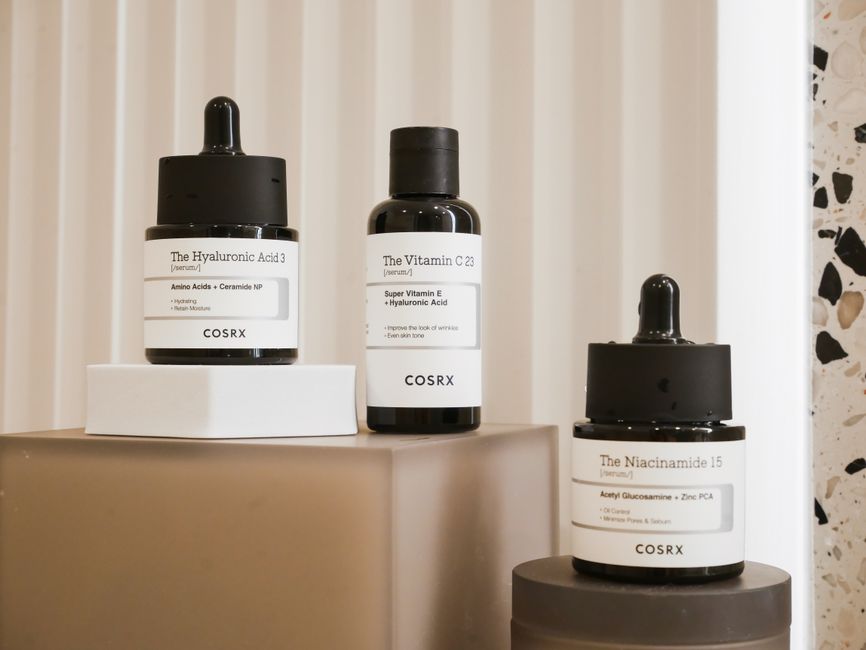
Korean clinic-dispensed cosmeceuticals (medical-grade vitamin C, retinoids, growth factor serums) are usually priced 30–50% above the same products at Korean retail (Olive Young, Hwahae). Worth the markup if you can’t easily source the products in your home country; otherwise buy at retail before flying home.
How do I choose the right Korean dermatology clinic?
Send your skin concern, photos, and prior treatment history to the clinic’s international patient center; general guidance is in KmedTour’s free guides. Choose a KAHF-accredited Korean specialist with appropriate volume in your skin type and procedure category, and ask for an itemized written quote covering consultation, treatment, post-care, and follow-up.
Last updated: May 2026