
- Rejuran Healer (salmon DNA injections) and Juvelook (acne scar treatment) offer the highest value for texture issues
- Ultherapy or HIFU costs 60% less than US prices while using identical MFDS-regulated devices
- Excel V Laser ($100-200) specifically targets aging spots and vascular lesions common in Seoul visitors
- Always verify JCI accreditation or HIRA ratings before booking—quality varies dramatically between Gangnam clinics
You land at Incheon with a suitcase and a dream of that “glass skin” glow. Three days later, you’ve had laser toning, salmon DNA injected into your cheeks, and a vascular treatment that erased five years of sun damage—for less than one facial back home.
That’s the reality of Korean medical tourism in 2026. Here are the treatments that tend to deliver value versus the overhyped trends.
Whether you’re squeezing appointments between palace tours or planning a dedicated “beauty week,” here’s exactly what to book.
| Treatment | Seoul Price (USD) | US/UK Price (USD) | Downtime |
|---|---|---|---|
| Rejuran Healer (2cc) | $300–$450 | $800–$1,200 | 24–48 hrs redness |
| Ultherapy (Full Face) | $900–$1,300 | $3,000–$5,000 | None |
| Excel V Laser | $115–$200 | $500–$800 | 2–4 hrs pinkness |
| Juvelook (3 sessions) | $1,200–$1,800 | $2,700–$4,500 | 3 days swelling |
| Fraxel Dual | $300–$500 | $1,000–$1,800 | 3–5 days |
What Are the Best Skin Treatments to Get in Korea While Traveling?
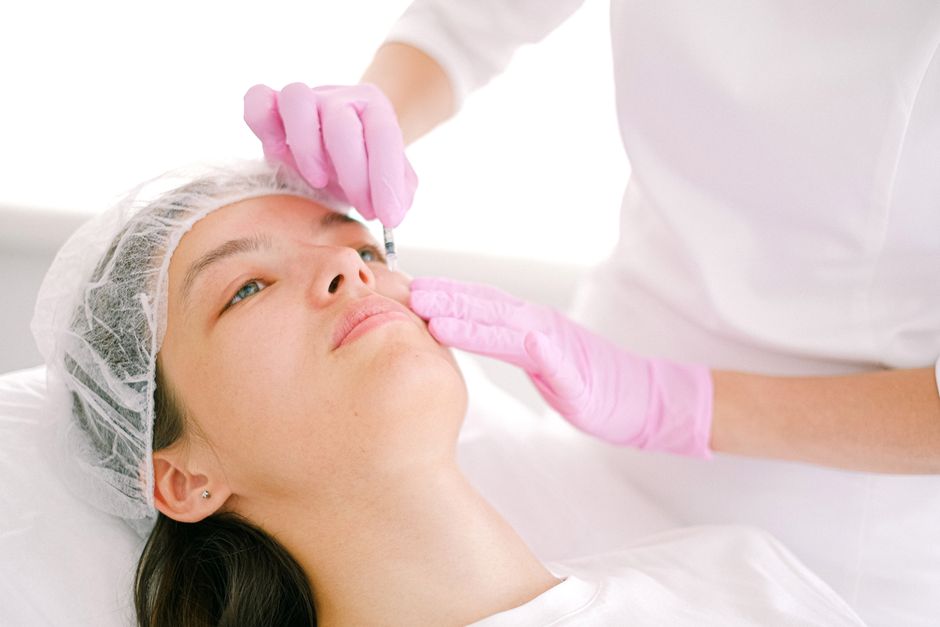
The “Big Three” prioritize regeneration over surface covering: Rejuran Healer for texture, Ultherapy for lifting, and Juvelook for scarring. Most travelers waste money on basic hydrating facials they could get anywhere. Instead, focus on biostimulators unavailable or prohibitively expensive in Western markets.
Rejuran Healer uses polynucleotides (PN) extracted from salmon DNA to repair damaged skin at the cellular level. Unlike hyaluronic acid fillers that simply add volume, this triggers your own collagen production.
Results show up gradually over four weeks—perfect if you’re traveling for two weeks and want to look fantastic by your flight home.
Juvelook (PDLLA-based) targets deep acne scars and elasticity loss. It’s essentially a bio-stimulatory thread in liquid form. One session costs $400-600 in Seoul versus $900+ in Los Angeles.
For pigmentation specifically, Seoul clinics excel at combination protocols. They’ll often pair a picosecond laser session with a tranexamic acid drip (IV whitening) for $150 total. That same combo runs $800+ in New York.
How Do JCI, MFDS, and HIRA Certifications Keep Medical Tourists Safe?
Always verify that your clinic holds JCI accreditation or high HIRA ratings, while confirming devices carry MFDS approval. These three entities separate legitimate medical centers from cosmetic shops operating in basements.
JCI (Joint Commission International) accredits hospital quality standards that exceed local Korean regulations. When JCI accredits Samsung Medical Center or JCI accredits Severance Hospital, it means they’ve met US-equivalent sterility and emergency protocols. This matters because complications—even from “simple” laser toning—require immediate medical response capabilities.
MFDS (Ministry of Food and Drug Safety) regulates medical procedures and equipment approvals. When MFDS regulates Botox, they test every batch for potency and purity.
Korean clinics use the same Allergan or Nabota neurotoxins you’d get in Beverly Hills, but MFDS regulates the importation to eliminate counterfeit products common in other Asian medical tourism hubs.
HIRA (Health Insurance Review and Assessment Service) publishes quality scores for Korean medical facilities. While primarily for domestic insurance, their ratings indicate which clinics maintain consistent outcomes.
Can Ptosis Correction and Skin Rejuvenation Be Done in One Trip?
Yes, combining blepharoplasty that corrects ptosis with skin boosters maximizes your recovery time. Ptosis (drooping of the upper eyelid) affects vision and creates a tired appearance that no skin treatment can fix. Since both procedures require 5-7 days of social downtime, scheduling them together makes logistical sense.
Blepharoplasty corrects ptosis by tightening the levator muscle while removing excess skin. Double eyelid surgery (creating a crease) is often performed simultaneously. After surgical sutures heal (typically day 3-5), patients immediately transition to skin treatments like Rejuran or HIFU to address overall facial texture.
Many Skin Clinics in Seoul offer “Total Face” packages specifically for medical tourists combining eyelid and skin work. These include hotel recovery suites and English-speaking nurses—a structure rarely found outside Korea’s integrated medical tourism system.
Should You Treat Myopia Before Booking Facial Aesthetic Procedures?
If you’re planning LASIK or SMILE vision correction, complete it before injectable skin treatments—or wait six weeks after. Myopia (nearsightedness) itself doesn’t contraindicate facials, but the post-surgical regimen does.
After myopia correction surgery, you cannot rub your eyes for one month. Skin boosters like Rejuran and Juvelook often cause temporary facial swelling that creates pressure around the orbital area. Patients instinctively want to touch or massage near the eyes, which risks dislodging corneal flaps.
The ideal sequence: Vision correction first week, skin treatments week six. Alternatively, if you’re only doing body procedures or lower-face work (jaw Botox, chin fillers), myopia surgery timing becomes less critical.
Always inform your dermatologist if you’ve had recent vision correction—they’ll avoid malar bags (under-eye injections) that could trigger eye rubbing.
What Skin Treatment Should You Get in Seoul Specifically for Aging Spots?
Excel V Laser targets vascular lesions and pigmented aging spots simultaneously. Unlike IPL (which treats brown spots broadly), Excel V uses dual wavelengths to address reds and browns in one session. At $115-200 per treatment—versus $500+ in Western capitals—it’s the highest-value specific treatment for sun damage.
Seoul’s climate and pollution create specific pigmentation patterns (mottled cheeks, periorbital darkening). Local dermatologists have developed protocols specifically for “Seoul spots.” They typically combine:
- Excel V for vascular components (redness, visible capillaries)
- PicoSure or POTENZA Diamond for deep melanin
- Tranexamic acid mesotherapy to prevent recurrence
Most travelers see 40-60% reduction in age spots after one Excel V session. For hormonal melasma (the stubborn grey-brown patches), add Fraxel Dual’s non-ablative 1927nm wavelength—Seoul clinics charge $300-500 versus $1,200+ in London.
Is It Worth Flying to Korea Just for Non-Surgical Beauty Treatments?
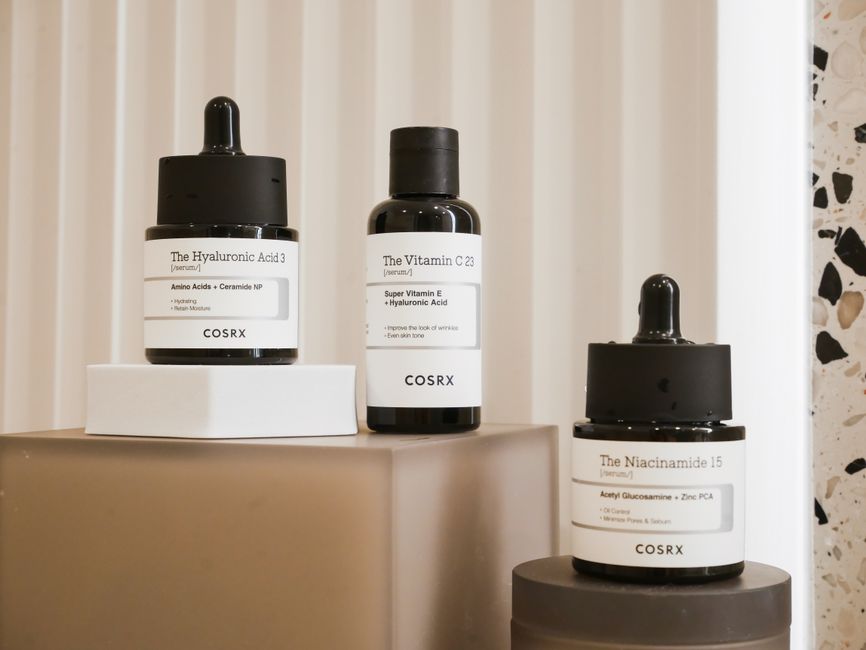
Even accounting for flights, you save 40-60% on multi-procedure packages while accessing technology unavailable elsewhere. The math works if you’re planning three or more significant treatments.
Consider this breakdown: Rejuran ($400), Ultherapy ($1,000), and Excel V ($150) total $1,550 in Seoul. In Manhattan, the same triad costs $4,800. With a $900 round-trip flight from Los Angeles, you’re still saving $2,350-plus.
Add the fact that MFDS regulates medical procedures to stricter standards than FDA equivalents for many devices, and the value proposition strengthens.
Medical tourism infrastructure in Korea supports this. Incheon Airport has a dedicated medical tourism desk. Many clinics near Gangnam Station offer “fly-in” packages including airport pickup, hotel coordination, and 24/7 English hotlines. Some even bundle dental implant consultations (popular among aging travelers) with facial aesthetics.
When Should You Consider Rhinoplasty or Double Eyelid Surgery Instead?
Book structural procedures when skincare cannot change bone or cartilage anatomy. Rhinoplasty (nasal reshaping) and double eyelid surgery address skeletal and fascial structures that lasers and fillers merely camouflage.
Skin treatments excel at surface quality—pores, pigment, fine lines. But a low nasal bridge or monolid eyelids require surgical intervention. The key differentiator: If you can pinch the “problem” (excess skin, fat), it’s treatable with skin procedures. If it’s hard bone or lack of cartilage, you need surgery.
Most medical tourists combine categories. A typical itinerary: Days 1-3 for rhinoplasty or eyelid work (allowing bruising to peak), days 4-5 for gentle skin hydration treatments once swelling stabilizes. Double eyelid surgery patients often add under-eye Rejuran to prevent hollowing during the healing phase.
When Should You Seek Professional Consultation Instead of Walk-In Treatments?
Avoid “same-day” booking for any procedure involving needles or thermal energy. While many Gangnam clinics accept walk-ins for hydrating facials, legitimate physicians require consultation to assess melanin levels, skin thickness, and contraindications.
Red flags requiring immediate dermatological evaluation (not aesthetic treatment) include: rapidly changing moles, flaky lesions that don’t heal, or sudden onset vitiligo. JCI-accredited facilities will refer you to dermatological oncology rather than treating these with cosmetic lasers.
Frequently Asked Questions
What skin treatments should I get in Korea?
Prioritize biostimulatory treatments unavailable at home: Rejuran Healer for cellular repair, Juvelook for acne scars, and HIFU/Ultherapy for lifting. Avoid basic hydrating facials—you’re paying for technology and medical expertise, not moisturization you can do yourself.
What are the best Korean skin treatments?
The top tier combines regenerative injectables with precision laserwork. Rejuran (salmon DNA) dominates for texture, while Excel V and Pico lasers lead for pigmentation. For aging skin, the “Korean 10-Step Facial” at medical clinics includes sonophoresis, cryotherapy, and LED masks that actually penetrate—unlike spa versions.
Is it worth going to Korea for beauty treatments?
Yes, if you plan three or more procedures or need advanced technology. The cost differential covers your flight when comparing US prices. Additionally, HIRA-rated clinics often provide superior outcomes to Western equivalents due to higher procedure volumes and rapid device adoption.
Can I combine skin treatments with other medical procedures?
Absolutely—Korea’s medical tourism model encourages combination packages. Patients frequently pair dental implant work (30-50% cheaper) with facial aesthetics, or vision correction with skin rejuvenation. Just maintain proper sequencing: surgery first, skin treatments after initial healing (3-7 days depending on invasiveness).
Related Reading
Related guides:
For non-surgical lifting specifically, see our guide to HIFU Treatment Clinics in Korea to compare ultrasound tightening providers.
Last updated: May 01, 2026