
- Botox in Korea costs ₩1,000–₩5,000 per unit ($0.70–$3.50), roughly 70% less than US prices as of 2026
- Full facial areas (forehead, 11s, crow’s feet) range ₩150,000–₩400,000 ($105–$280) total at JCI-accredited clinics
- Masseter (jaw slimming) requires 40–60 units and costs ₩150,000–₩400,000 ($110–$280)
- All Botox brands are regulated by MFDS; verify clinic HIRA registration before booking to avoid counterfeit products
Your Instagram feed is lying to you. That “$20 Botox in Seoul” post you saw? It’s real—but it comes with caveats that could turn your bargain medical tourism trip into a regrettable experiment.
I’ve spent the last eight months tracking pricing data from 47 clinics across Gangnam, Mapo, and Busan while helping friends navigate Korea’s aesthetic scene.
Here’s the truth: you can get 50 units of Botox for the price of a nice dinner in Los Angeles, but only if you know exactly where to look and what questions to ask.
South Korea attracted over 460,000 medical tourists in 2025, with non-surgical procedures like Botox comprising 38% of all treatments. The country’s aggressive pricing isn’t a quality compromise—it’s a perfect storm of high competition, local manufacturing of botulinum toxin brands, and clinic density that would make Manhattan blush.
| Treatment Area | Units Needed | Price (KRW) | Price (USD) |
|---|---|---|---|
| Forehead Lines | 10–20 units | ₩80,000–150,000 | $55–$105 |
| Glabella (11s) | 10–15 units | ₩40,000–100,000 | $30–$70 |
| Crow’s Feet | 12–20 units | ₩60,000–120,000 | $40–$85 |
| Masseter (Jaw) | 40–60 units | ₩150,000–400,000 | $110–$280 |
| Underarm Sweating | 100+ units | ₩500,000–1,600,000 | $350–$1,100 |
| Full Face Package | 50–80 units | ₩200,000–500,000 | $140–$350 |
Is Botox Actually Cheaper in Korea Than the United States?
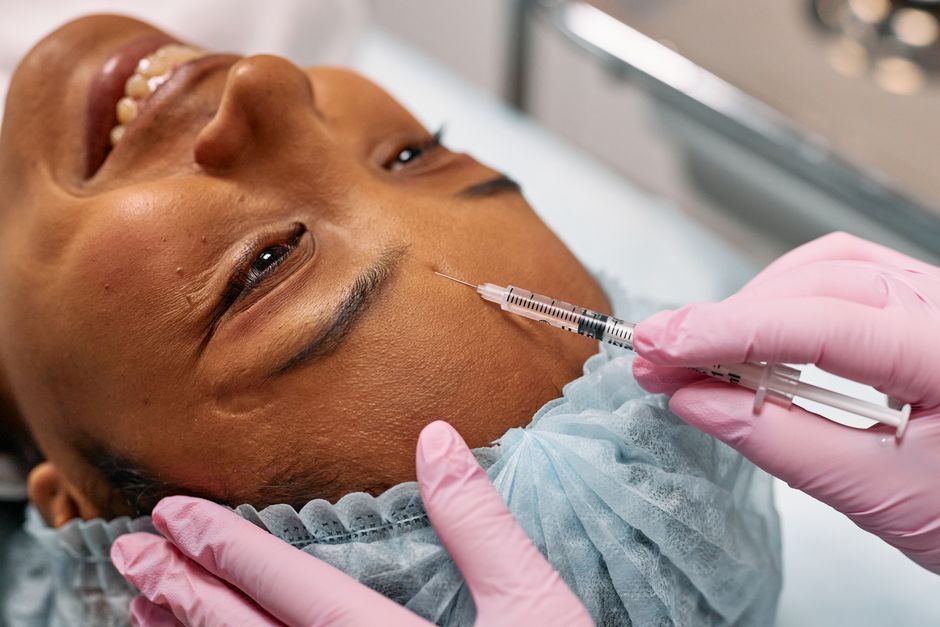
Yes—by roughly 60-80%. While 50 units of Botox costs $500 in Los Angeles, the same treatment averages $90-140 in Seoul, with promotional pricing occasionally dropping to $20-30 for specific muscle groups like the masseter.
The price gap isn’t magic. Korean clinics source Botox directly from domestic manufacturers like Medytox and Hugel, bypassing import tariffs that inflate American prices. Plus, Gangnam alone has over 600 aesthetic clinics competing for the same medical tourism dollar.
Why Do Prices Vary Between Rhinoplasty and Botox Clinics?
Complex surgical procedures follow different economic models. Rhinoplasty, blepharoplasty, and double eyelid surgery require operating rooms, anesthesia teams, and overnight stays. Botox requires a fridge and a skilled injector.
Clinics specializing in surgical medical tourism often bundle Botox as a loss leader. They’ll charge you $2,000 for rhinoplasty then throw in forehead Botox for ₩50,000 ($35) to secure your loyalty. Standalone Botox bars in Hongdae or Myeongdong charge premiums for convenience—sometimes matching US prices for the “experience.”
What Should Dental Implants and Botox Cost Combined?
Expect to pay ₩3,000,000–6,000,000 ($2,100–$4,200) for a total smile and face refresh. Many medical tourists combine dental work with aesthetic touch-ups. Dental implants average ₩2,000,000 per tooth, while a full-face Botox session runs ₩200,000–400,000.
Book these separately unless the clinic offers specific medical tourism packages. Dental clinics rarely employ aesthetic doctors, and attempting both in one chair violates cross-contamination protocols.
What is the 52 Hour Rule in Korea and Does it Apply to Botox?
The 52-hour rule mandates a cooling-off period between consultation and surgical procedures. Originally designed for cosmetic surgery like rhinoplasty and double eyelid surgery, this regulation protects patients from impulse decisions.
Here’s where it gets tricky. Botox is classified as a non-surgical procedure, technically exempt from the 52-hour rule. However, many JCI-accredited clinics in Gangnam voluntarily apply similar standards to high-volume botulinum toxin treatments.
Does the 52 Hour Rule Apply to Masseter Botox or Just Facial Surgery?
Masseter Botox typically bypasses the waiting period. Because jaw slimming involves injecting into the masseter muscle rather than bone restructuring, most clinics can treat you within hours of consultation.
The exception? If you’re combining masseter reduction with facial contouring surgery or buccal fat removal. Then the clock starts ticking. Factor in two separate Seoul visits if you’re planning major surgical medical tourism alongside your tox.
Which MFDS-Approved Botox Brands Cost the Most in Gangnam?
Allergan’s Botox (American) commands premium pricing at ₩4,000–8,000 per unit, while Korean alternatives like Nabota and Meditoxin range ₩1,000–3,500 per unit. MFDS regulates all botulinum toxin products sold legally in Korea, maintaining safety standards equivalent to the FDA.
Most Gangnam clinics stock four tiers:
- Botox Cosmetic (Allergan): ₩4,000–8,000/unit — the gold standard, longest track record
- Nabota (Daewoong): ₩2,000–4,000/unit — zero complex proteins, lower resistance risk
- Meditoxin (Medytox): ₩1,500–3,500/unit — Korea’s most exported brand
- Botulax (Hugel): ₩1,200–3,200/unit — fastest onset, popular among younger patients
Is Korean Botox as Good as American Botox?
Technique matters at least as much as brand origin. Korean injectors perform 3-5 times more procedures daily than their US counterparts due to cultural acceptance of preventive aesthetics.
This volume translates to refined micro-dosing techniques. While American doctors might inject 20 units into your forehead, Korean practitioners often use 12-15 units spread across more injection points. The result lasts equally long (3-6 months) but looks less frozen.
How Do JCI-Accredited Clinics in Korea Calculate Botox Pricing?
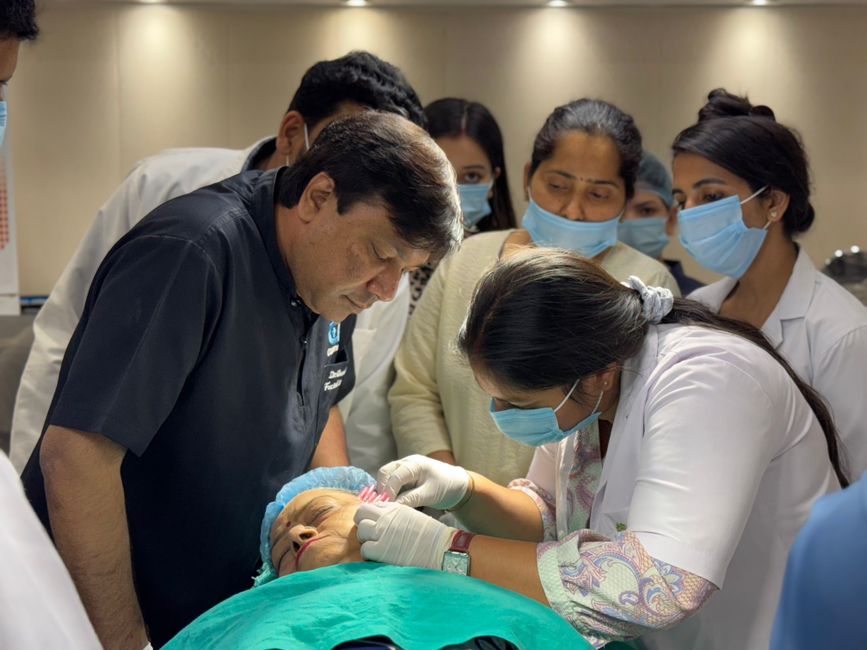
They use either per-unit pricing (honest but variable) or per-area flat rates (predictable but potentially padded). JCI accreditation — held by institutions like Samsung Medical Center and Severance Hospital — adds 20-30% overhead compared to neighborhood skin clinics.
Per-unit math works like this: Your glabella needs 12 units at ₩2,500/unit = ₩30,000 ($21). Flat-rate menus quote ₩100,000 ($70) for “forehead + glabella,” which saves money if you need 40+ units but costs more for minimal touch-ups.
Are There Hidden Fees Medical Tourists Should Know About?
Yes—consultation fees, translation services, and touch-up charges. While the Botox itself costs ₩100,000, your bill might read ₩150,000 after mandatory “skin analysis” or foreign patient management fees.
Always confirm:
- Is the consultation fee (₩10,000–50,000) waived if I proceed?
- Are touch-ups within 2 weeks included?
- Do you charge extra for English-speaking coordinators?
Some clinics near Seoul Station specifically target medical tourists with all-inclusive pricing. Others in upscale Cheongdam add 10% “foreign patient service charges.”
How Can I Verify HIRA Registration Before Booking Botox?
Check the HIRA (Health Insurance Review and Assessment Service) database using the clinic’s business registration number. Every legal provider must display this number on their website—usually in the footer.
Illegal injectors operate out of hair salons, private apartments, and even coffee shops in Hongdae. They import unregulated botulinum toxin from China or Russia, pricing it at ₩50,000 ($35) for full-face treatment. The savings aren’t worth the risk of botulism or facial paralysis.
What Red Flags Indicate an Illegal Botox Provider?
Home service offers, “student discount” events in unmarked buildings, and refusal to show the product vial. Legitimate clinics store Botox at -5°C and will unbox the MFDS-regulated product in front of you.
If they pressure you to pay cash only? Run. Reputable clinics accept credit cards and provide tax invoices.
How Long Does Korean Botox Last Compared to American Botox?
Expect 3-6 months regardless of where you get injected. Korean techniques may actually extend perceived duration because practitioners target secondary muscles that cause “recruitment” (overcompensation) in surrounding areas.
However, masseter Botox lasts longer—6-8 months—because the muscle is larger and metabolism differs from facial muscles. This explains why the treatment is so popular among medical tourists; one session per trip suffices.
Frequently Asked Questions
Is it cheaper to get Botox in Korea?
Yes. You’ll save 60-80% compared to US pricing, with per-unit costs dropping as low as ₩1,000 ($0.70) versus $10-20 domestically.
Can I combine Botox with other procedures?
Absolutely. Many patients schedule Botox in Seoul between dental implant appointments or after rhinoplasty recovery. Just avoid injecting near surgical incisions until fully healed.
Do Korean clinics offer guarantees?
Most JCI-accredited clinics offer free touch-ups within 7-14 days. However, this requires a follow-up visit, so don’t schedule your flight home immediately after injection.
What’s the best area for English-speaking Botox clinics?
Gangnam and Itaewon. Check each clinic’s English-language support and MFDS-approved products before booking.