
- Yes — comprehensive cancer screening packages start at $400 in Korea versus $10,000+ in the US, with same-day results available
- Korean hospitals maintain JCI accreditation standards while MFDS and HIRA oversee strict quality protocols exceeding many Western benchmarks
- The country’s 5-year cancer survival rates rank among the world’s highest, particularly for thyroid and colorectal cancers
- Many visitors combine screenings with vision procedures like blepharoplasty for ptosis or myopia treatments during a single trip
Your doctor back home wants you to wait 6 months for a CT scan. Meanwhile, you’re flying to Seoul next week for vacation. That’s exactly the scenario that brought me to a Korean hospital last spring.
I walked in expecting a tourist gimmick. I walked out with 4K imaging of my lungs and a clean bill of health — for less than my monthly rent.
Korea’s medical tourism market has exploded, driven by organizations like JCI accrediting hospital quality and agencies like MFDS regulating everything from cancer drugs to Botox. But is it actually worth crossing an ocean for a checkup?
Here’s the unvarnished truth about whether cancer screening in Korea deserves your time and money.
| Feature | Korea (Seoul) | United States |
|---|---|---|
| Basic Screening Package | $400 – $800 | $3,000 – $5,000 |
| Full Body PET-CT | $600 – $1,200 | $10,000+ |
| Results Turnaround | Same day to 48 hours | 1 – 4 weeks |
| 5-Year Cancer Survival | 72.9% (thyroid: 99%) | 68% average |
| Primary Accreditation | JCI + MFDS + HIRA | Joint Commission |
How Much Does Cancer Screening Actually Cost in Korea?
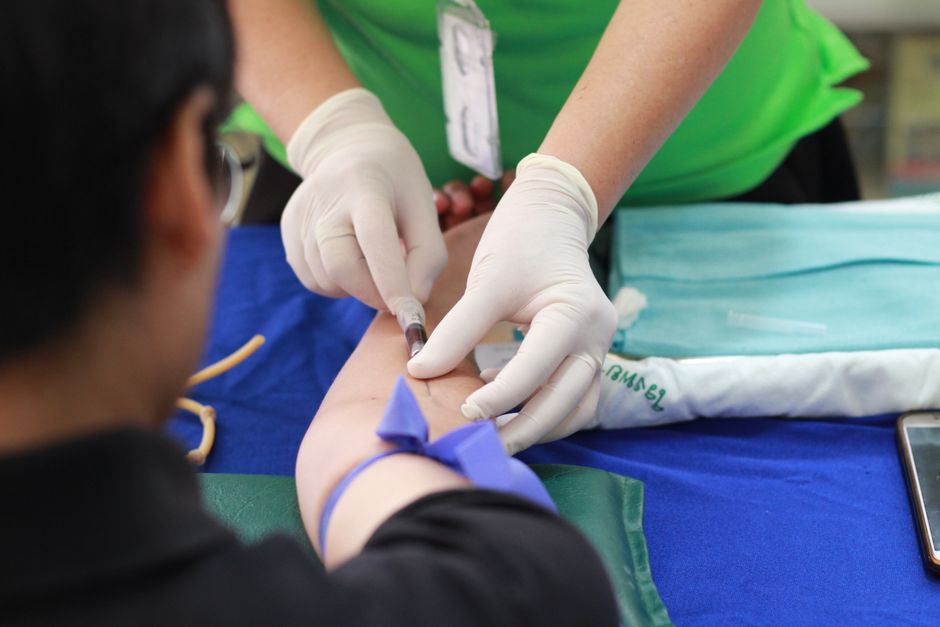
Comprehensive screening packages typically run $400 to $2,500 depending on the depth of testing. That’s not a typo — you can get a full-body workup including endoscopy, abdominal ultrasound, and tumor markers for the price of a fancy dinner in New York.
The $400 baseline covers standard blood panels, chest X-rays, and abdominal ultrasounds. Premium packages around $1,500 add PET-CT scans, cardiac calcium scoring, and gastroscopy.
Compare that to the US, where a full-body scan alone can cost $10,000. Even with a $1,000 flight, you’re saving thousands.
How much does a full body scan cost in Korea?
PET-CT full body scans average $600-$800 at major hospitals like Samsung Medical Center or Severance Hospital. Some medical tourism packages bundle this with airport pickup and translation services.
As of 2026, prices have remained stable due to HIRA oversight of medical tourism pricing.
Is $10,000 a lot of money in Korea?
For cancer screening purposes, absolutely — that’s approximately 20 times the local market rate. However, $10,000 would cover complex cancer treatment including surgery and chemotherapy, not just screening.
What Makes Korean Cancer Screening Different from Other Countries?
Speed and integration set Korean screening apart — you can complete blood work, endoscopy, CT scans, and specialist consultations in a single morning. No referrals. No waiting rooms stretching into next month.
Korean hospitals pioneered the “one-stop” health checkup. You arrive fasting at 8 AM. By noon, you’ve had breakfast in the hospital café and hold a complete health portfolio.
This efficiency stems from Korea’s national health insurance system, enhanced by HIRA monitoring of hospital performance metrics. Facilities compete on speed without sacrificing accuracy.
The country’s cancer mortality rates remain lower than the OECD average despite high incidence rates, specifically because of this early detection culture.
Is JCI Accreditation Important When Choosing a Hospital in Korea?
Absolutely — JCI accreditation is your proof that a facility meets international safety and quality standards. When you’re traveling for medical care, this gold standard eliminates guesswork.
JCI accredits hospital quality through rigorous on-site surveys every three years. They evaluate everything from medication management to infection control.
Major facilities like Samsung Medical Center and Severance Hospital both carry JCI accreditation, as do many boutique clinics in Gangnam. JCI accredits Samsung Medical Center specifically for its oncology departments. JCI accredits Severance Hospital for comprehensive cancer centers.
Without JCI certification, you might encounter facilities that cater only to domestic patients with different liability standards.
How Does MFDS Regulation Protect Foreign Patients During Screening?
The Ministry of Food and Drug Safety (MFDS) regulates all medical devices and screening protocols, ensuring imported and domestic equipment meets strict safety benchmarks. This oversight prevents the “Wild West” scenarios seen in some medical tourism destinations.
MFDS regulates medical procedures including MRI contrast agents and endoscopic disinfectants. They also inspect radioactive materials used in PET scans.
Interestingly, MFDS regulates Botox too — which matters because many patients combine cancer screening with cosmetic procedures. This dual oversight ensures your Botox isn’t counterfeit while your CT scan is calibrated.
As of 2026, MFDS has tightened regulations specifically for foreign patient safety, requiring English-language consent forms for all invasive procedures.
What Role Does HIRA Play in Korean Medical Tourism Quality?
The Health Insurance Review and Assessment Service (HIRA) audits hospital pricing and clinical outcomes, creating transparency rare in medical tourism markets. They publish hospital-specific survival rates and complication statistics publicly.
HIRA monitors pricing specifically for foreign patients to prevent gouging. While Koreans enjoy national insurance rates, foreigners pay “non-insured” prices — but HIRA caps these at reasonable margins above cost.
When you see a $400 screening package, that’s not a discount — it’s the actual cost structure efficient Korean hospitals can achieve. HIRA ensures hospitals don’t inflate prices for medical tourists while offering locals bargain rates.
Hospitals performing poorly on HIRA assessments lose the right to accept international patients.
Why Do Foreign Patients Often Treat Myopia and Ptosis During the Same Trip as Cancer Screening?

Medical tourists maximize efficiency by bundling preventative care with corrective procedures — particularly vision correction and eyelid surgery. If you’re already taking a week off work and flying 14 hours, adding a 20-minute procedure makes financial sense.
Blepharoplasty corrects ptosis (drooping eyelids) in about 30 minutes. Myopia treatments like SMILE LASIK take 15 minutes per eye. Both require minimal follow-up that fits perfectly within a screening itinerary.
Many patients report that treating myopia and ptosis during their cancer screening trip actually reduces overall anxiety. You leave not only knowing your cancer status but also seeing clearly without glasses.
Clinics like those listed among the Botox Clinics in Korea for Foreigners often coordinate with screening hospitals. The same infrastructure that processes your blood work can handle your Hospitals in Seoul for Foreign Patients referrals for aesthetic procedures.
What Is the Most Common Cancer in South Korea and Should You Screen for It?
Thyroid cancer tops incidence rates for Korean women (99% five-year survival when caught early), while colorectal cancer affects both sexes frequently. Stomach cancer also remains prevalent due to dietary factors.
Yes, you should absolutely screen for these. Korean hospitals have developed specific protocols for these cancers that exceed Western detection rates. The endoscopy equipment in Seoul often represents the newest generation not yet available in many US hospitals.
Early detection changes outcomes drastically. Korean thyroid cancer survival rates exceed global averages specifically because of mass screening programs.
How much does it cost to treat cancer in Korea?
Cancer treatment costs roughly 30-50% less than US rates, even at JCI-accredited facilities. A full course of chemotherapy might run $15,000-$25,000 versus $100,000+ in America.
Many patients who come for screening end up returning for treatment if early-stage cancers are found. The savings cover your flights and housing.
South Korea’s medical tourism competitiveness stems from these survival rates combined with reasonable pricing. As of 2026, Korea ranks third globally for cancer treatment outcomes while maintaining costs below Singapore or Switzerland.
When Should You Schedule Your Cancer Screening During Your Korea Trip?
Plan your screening for the second or third day of your trip, allowing buffer time for any follow-up consultations or additional imaging. Avoid booking it on your departure day.
Fasting requirements typically begin midnight before your appointment. Many travelers prefer morning slots (8 AM) to minimize hunger.
If you’re combining the trip with sightseeing, schedule cosmetic procedures like rhinoplasty or double eyelid surgery for the end of your stay. These require recovery time that could interfere with active tourism.
For pure screening, mid-trip timing lets you enjoy Seoul’s restaurants once you’re cleared to eat normally.
FAQ: Cancer Screening in Korea for Foreigners
Do I need a special visa for medical tourism in Korea?
No — standard tourist visas (K-ETA for eligible countries) cover health checkups and minor procedures. Only invasive treatments requiring hospitalization need medical visas.
Screening appointments qualify as outpatient services. Immigration officers routinely see medical tourists at Incheon Airport.
Will my insurance cover Korean cancer screening?
Most international insurance plans require pre-authorization for overseas care. However, many patients pay out-of-pocket given the low costs, then submit receipts for reimbursement.
Some Korean hospitals now partner with global insurers for direct billing. Check with your provider before booking.
How accurate is the equipment compared to Western hospitals?
Korean hospitals typically use the same or newer generation equipment as top US facilities. Samsung Medical Center and Asan Medical Center both participate in research trials for next-generation imaging.
JCI accreditation requires equipment maintenance standards matching US Joint Commission rules. MFDS inspection certificates should be displayed in each imaging room.
Can I get dental work done during the same trip?
Yes — dental implant procedures pair well with cancer screening schedules. However, complete any dental work requiring anesthesia at least 48 hours before endoscopy appointments.
Many Hospitals for Cancer Screening in Korea have dental clinics in the same building or nearby medical towers.
Related Reading
Planning your medical tourism trip? These guides cover specific details:
- Hospitals for Cancer Screening in Korea — What to check when choosing
- Botox Clinics in Korea for Foreigners — What to check when choosing
- Hospitals in Seoul for Foreign Patients — What to check when choosing
Last updated: May 01, 2026