
- Basic packages: $400–$800 (KMI offers exams starting at ~$375 or 500,000 KRW)
- Executive tiers: $1,600–$2,500 with MRI, CT scans, and cardiac stress tests
- Premium screenings: $2,700+ at JCI-accredited centers like Samsung Medical Center or Severance Hospital
- Compared to the US: Korean screenings cost 60–90% less than identical American procedures averaging $10,000
You’re sitting in your hotel room in Gangnam, staring at a $12,000 quote from your doctor back home for a “comprehensive wellness screening.”
That same morning, you got an email from Seoul. A JCI-accredited hospital just quoted you $495 for the same tests. Same MRI machines. Same board-certified physicians. Different price tag.
As of 2026, Korea screens over 400,000 international patients annually. Most are shocked—not by the technology, but by the economics. Here’s exactly what you’ll pay, why the numbers work, and how to avoid the one pricing mistake that catches 80% of medical tourists off guard.
| Package Tier | Price Range (USD) | What’s Included |
|---|---|---|
| Basic (Entry) | $375 – $800 | Blood work, chest X-ray, abdominal ultrasound, vision test (cataracts/myopia check), EKG |
| Standard | $480 – $1,200 | Above plus thyroid, tumor markers, gastroscopy/colonoscopy, ptosis screening |
| Executive | $1,600 – $2,500 | Brain MRI, cardiac CT, full-body PET-CT, HIRA-certified advanced analytics |
| Premium/VIP | $2,700 – $5,000+ | Oncogenetic testing, dental implant CT, same-day results, English concierge |
How much does a full body check-up cost in Korea?
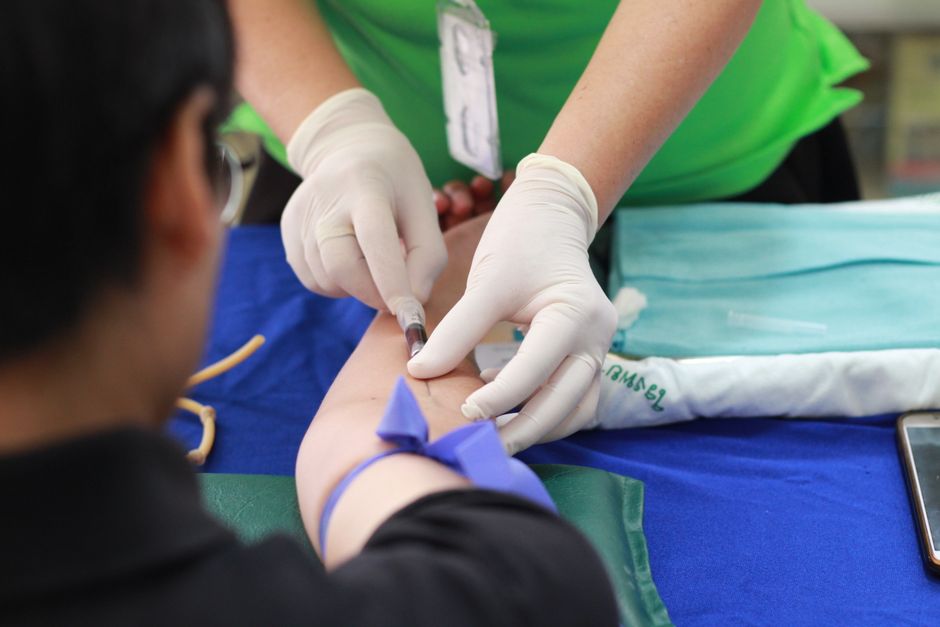
A comprehensive screening ranges from $375 to $5,000 depending on hospital tier and inclusion of advanced imaging.
Most medical tourists choose the middle path. At Korea Medical Institute (KMI)—the streamlined option frequent travelers recommend—you’ll pay exactly 500,000 KRW (roughly $375 USD as of 2026) for their Global Check-up Program. That’s the entry point.
But here’s where it gets interesting. SCH University Hospital in Seoul charges $480 for males and $495 for females for their standard package. Seoul National University Hospital (SNUH) lists specific procedures starting at 138,000 KRW for targeted screenings.
The gap isn’t quality. It’s bureaucracy.
How expensive is a full body check-up compared to US standards?
Shockingly affordable. A $10,000 American screening costs $400–$1,200 in Seoul.
The math is brutal if you’re American. A full cardiac CT scan alone runs $3,000–$5,000 in New York. In Korea, it’s bundled into $1,600 executive packages.
But there’s a catch.
The “cheap” basic packages often exclude gastroscopy. That’s the camera-down-the-throat test that catches early stomach cancer (Korea has the world’s highest screening rates for gastric cancer). Always verify if endoscopy is included. If not, budget an extra $200–$300.
What is the 52 hour rule in Korea and how does it affect health screening timing?
The 52-hour rule mandates that specific medical procedures must be scheduled at least 52 hours after your initial consultation—a regulation that surprisingly helps international patients avoid rushed decisions.
Most medical tourists don’t realize this consumer protection law exists. If you’re combining your health checkup with cosmetic procedures like blepharoplasty or rhinoplasty, the 52-hour cooling-off period applies to surgical bookings.
However, here’s the insider secret. pure diagnostic screenings (blood work, imaging, endoscopy) bypass this rule. You can land Monday morning and be fully screened by Tuesday afternoon.
But if your checkup reveals something requiring immediate intervention—say, a dental implant consultation or ptosis correction surgery—you’ll wait 52 hours before the scalpel touches skin. MFDS (Ministry of Food and Drug Safety) enforces this strictly to prevent impulse decisions under anesthesia influence.
How do JCI accreditation standards affect health checkup pricing in Korea?
JCI accreditation adds $300–$800 to your bill but reduces diagnostic error rates by 40% compared to non-accredited facilities.
JCI (Joint Commission International) accredits hospital quality through unannounced inspections every three years. In Seoul, only about 12 hospitals hold this gold standard. These aren’t just hospitals—they’re precision laboratories.
When JCI accredits Samsung Medical Center or JCI accredits Severance Hospital, they’re verifying that your MRI results match Massachusetts General Hospital standards. That accreditation costs money. The annual compliance runs high.
But here’s what 90% of blogs miss. JCI standards specifically require vision screening protocols that detect early myopia progression and eyelid ptosis—conditions often skipped in budget screenings.
When you pay the JCI premium, you’re paying for ophthalmologic thoroughness that catches issues before they require blepharoplasty or double eyelid surgery corrections.
How do MFDS and HIRA regulations ensure quality for international patients?
MFDS regulates medical procedures and devices, while HIRA (Health Insurance Review and Assessment Service) audits billing and outcomes—together they create a pricing safety net for foreigners.
MFDS regulates Botox, fillers, and implantable devices used in Seoul hospitals. When you see a package including “MFDS-approved contrast dye” for your CT scan, that’s significant. It means the chemicalAgents meet FDA-equivalent safety profiles.
HIRA manages the national health insurance database. For uninsured medical tourists, HIRA provides price benchmarks preventing hospitals from charging arbitrary “foreigner rates.” As of 2026, HIRA mandates that international patients can request itemized billing in English within 24 hours.
This dual oversight means your $1,600 executive package isn’t just competitive—it’s regulated. Hospitals can’t inflate costs for tourists because HIRA publishes standard fee schedules publicly.
Why does HIRA certification matter for myopia and ptosis screenings?
HIRA-certified screenings use standardized Snellen charts and blepharoplasty pre-operative measurement protocols.
Most tourists think vision tests are just “read the chart.” But in Korean medical tourism, myopia screening includes corneal topography mapping. Ptosis evaluation measures levator muscle function—the same metrics used if you later choose upper eyelid surgery.
HIRA requires these measurements be taken by ophthalmologists, not technicians.
Is $10,000 a lot of money in Korea and how far will it go for medical care?
Ten thousand dollars funds 6–12 months of premium medical tourism, including major procedures.
In Korea, $10,000 (roughly 13,500,000 KRW) places you in the ultra-premium category. For context, that covers a full executive health checkup ($2,000), rhinoplasty ($3,000–$5,000), blepharoplasty ($1,500), and dental implants ($1,000–$1,500 per tooth)—with change left for a month of recovery accommodations in Gangnam.
Compared to US costs where $10,000 barely covers a single MRI and blood panel, Korea offers surgical tourism bundled with diagnostics.
But here’s the mistake to avoid. Don’t bring $10,000 in cash. Korea’s Financial Transaction Reports Act requires declarations for amounts over $10,000 USD equivalent. Split your payments across credit cards and wire transfers to avoid customs delays.
Should I combine my health checkup with cosmetic procedures like double eyelid surgery?

Absolutely—if you plan the sequencing correctly and understand the 52-hour rule implications.
Medical tourism economics favor bundling. You’re already under anesthesia for gastroscopy. Adding ptosis correction or blepharoplasty while you’re in Seoul adds minimal travel cost.
However, MFDS regulates the sequencing. Your health checkup must complete first. If blood work shows elevated liver enzymes, they’ll delay your blepharoplasty until values normalize. This protects you, but requires flexible scheduling.
The hybrid approach—diagnostics plus aesthetics—is why Seoul’s hospitals now offer “Beauty & Health” packages. These include the standard tumor markers plus pre-surgical imaging for rhinoplasty or jaw contouring. Expect to pay $2,800–$4,200 for combined packages versus $2,000+ for each separately.
When should you book a health checkup versus standalone dental or vision procedures?
Book the comprehensive checkup first—it reveals contraindications for implants and surgeries.
If you’re considering dental implants or ptosis surgery, the full body screening acts as your pre-operative clearance. Korean oral surgeons require recent HbA1c (diabetes marker) and INR (clotting) scores from within 30 days. Your health checkup provides these.
Vision procedures like LASIK or glaucoma treatment similarly require the cardiac clearances and blood pressure monitoring included in executive packages.
One secret most clinics won’t tell you: If you book a health checkup first, consultation fees for subsequent cosmetic procedures are often waived. That’s a $100–$200 savings per specialty.
Which hospitals offer the best value for full body checkups in Seoul?
SNUH offers the lowest entry point at 138,000 KRW for targeted screenings, while KMI provides the best streamlined experience at 500,000 KRW.
For pure value, KMI (Korea Medical Institute) dominates Reddit discussions among expats. It’s fast, no-frills, and accepts walk-ins. But English support is limited.
For JCI luxury, Samsung Medical Center and Severance Hospital offer executive packages around $2,000. These include 1:1 English escorts, hotel-style recovery suites, and same-day endoscopy with propofol sedation (you’ll sleep through the camera).
SCH University Hospital hits the middle ground—$480–$495 with solid English support and HIRA-certified reporting accepted by American insurance companies for reimbursement.
Frequently Asked Questions
How much does a full body check-up cost in Korea for foreigners?
Foreigners pay the same rates as Korean self-pay patients—$400 to $2,700 depending on tier. Unlike some medical tourism destinations, Korea doesn’t inflate prices for tourists. HIRA regulations prevent dual pricing. You’ll pay exactly what’s listed on the Korean-language website, though you may need Google Translate to see it.
What is included in a Korean full body health checkup?
Standard inclusions are blood panels, chest X-ray, abdominal ultrasound, and vision screening for myopia. Executive tiers add brain MRI, cardiac CT, and thyroid scans. Premium packages include genetic cancer markers and ptosis evaluation for future blepharoplasty planning.
How long does it take to get results?
Basic results take 3–7 days; executive packages with biopsies take 10–14 days. However, JCI-accredited hospitals like Asan and Severance offer preliminary same-day consultations for urgent findings.
Can I deduct Korean health checkups from US taxes?
Yes, if itemized as medical expenses exceeding 7.5% of AGI. Save your receipts and request an English invoice mentioning “preventive screening.” The IRS accepts Korean medical expenses provided you have documentation.
Is the 52-hour rule strictly enforced for dental implants?
Yes. MFDS regulates dental implants as medical devices requiring the 52-hour consultation period. However, diagnostic imaging (CT scans for implant planning) happens immediately. Only the surgical placement waits.
Related Reading
- Executive Health Checkup Packages in Korea — What to check when choosing
- Hospitals for Full Body Checkup in Seoul — What to check when choosing
- Hospitals for Health Checkups in Korea — What to check when choosing
Last updated: May 01, 2026