
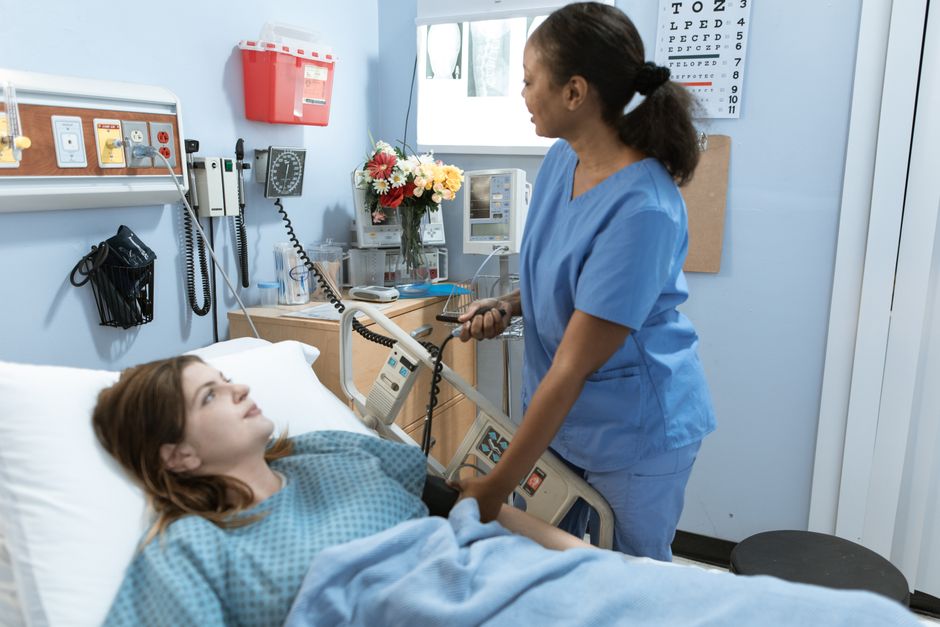
- Step 1: Contact your Korean clinic immediately via email or messaging with photos and symptom descriptions. Most clinics offer remote consultation guidance as part of their aftercare package.
- Step 2: Visit a local doctor or emergency room in your home country for immediate medical assessment. Do not wait for the clinic’s response if symptoms are severe.
- Step 3: Document everything — medical records, photos, communication logs, and receipts. This is critical for potential insurance claims or legal action.
- Step 4: Contact the Korea Medical Dispute Mediation Agency or your embassy if the clinic is unresponsive or the complication is serious.
Coming home from Korea after plastic surgery should feel victorious. You’ve got swelling that will pass, a new nose, or brighter eyes. But what happens when that swelling doesn’t go down — or worse, when you develop an infection, breathing difficulty, or asymmetry that wasn’t there before?
You’re not alone. Postoperative complications among medical tourists are uncommon, but they do happen. The good news? Most are manageable. The bad news? Your Korean clinic is now 6,000 miles away.
Here’s your exact step-by-step guide — from the first panicked moment to resolution.
What Should I Do the Moment I Suspect a Complication?
The first thing you must do is pause and assess the severity. Not every issue is an emergency, but some require immediate action.
Ask yourself these questions:
– Is your breathing affected? (Call emergency services — this could be a pulmonary embolism or airway issue.)
– Do you have a fever over 101°F (38.3°C)? (This signals an infection.)
– Is the pain worsening instead of improving? (Normal pain peaks at 48 hours, then declines.)
– Is there unusual discharge, redness spreading more than 1 inch from the incision, or wound separation?
If your symptoms are not life-threatening but concerning, proceed to Step 2.
How Do I Contact My Korean Clinic for Post-Surgery Help?
Email or messaging-based follow-up is the standard protocol for returning patients. Most Korean clinics, especially JCI-accredited hospitals like Samsung Medical Center or Severance Hospital, have dedicated international patient coordinators.
Here’s exactly what to do:
1. Send a detailed email to your clinic’s international department. Include:
– Your name, surgery date, procedure (e.g., rhinoplasty, blepharoplasty)
– A clear description of the complication (e.g., “wound dehiscence at incision site, 2cm separation, yellow discharge”)
– High-resolution photos from multiple angles
– Any local doctor’s findings or lab results
2. Request a remote consultation. Many clinics offer video calls with your surgeon or a nurse practitioner. This is standard — not a favor.
3. Ask for specific instructions: Should you take antibiotics? Apply a specific ointment? Come back to Korea? Most clinics will provide clear guidance within 24 hours.
Should I Go to a Local Doctor Before Contacting Korea?
Yes, but with one critical caveat: communicate with your Korean clinic first if the situation is not an emergency. A local doctor can perform an exam, prescribe medications, and rule out serious issues. However, they may not be familiar with Korean surgical techniques or materials.
For example, if you developed ptosis (drooping eyelid) after double eyelid surgery (blepharoplasty), a local plastic surgeon might not know the exact suture technique your Korean surgeon used. This makes revision more complex.
What Complications Are Most Common After Korean Plastic Surgery?
Complications fall into predictable categories. Here’s what you should watch for, based on data from the Korean Society of Plastic and Reconstructive Surgeons (KSPRS).
| Complication Type | Common Procedures | Warning Signs | What to Do |
|---|---|---|---|
| Infection | Rhinoplasty, dental implants | Fever, spreading redness, pus, pain >48h | ER + antibiotics + clinic notification |
| Asymmetry | Blepharoplasty, facelift, facial contouring | Visible difference beyond normal swelling | Photos to clinic; may need revision at 6 months |
| Prolonged Swelling | Jaw reduction, cheekbone reduction | Swelling >3 weeks without improvement | Lymphatic massage, compression garments, clinic consult |
| Ptosis (Drooping) | Double eyelid surgery, blepharoplasty | Eyelid covers more than 2mm of iris | Clinic photos; possible surgical revision after 3 months |
| Implant Issues | Rhinoplasty, breast augmentation | Visible deviation, painful movement, extrusion risk | Immediately contact clinic + local plastic surgeon |
How Long Do You Have To Stay in Korea After Plastic Surgery?
General recommendation is 1-2 weeks for initial recovery. This gives your surgeon enough time to monitor early complications before you fly home. However, this varies by procedure.
– Minor procedures (Botox, fillers): 3-5 days
– Moderate surgery (rhinoplasty, blepharoplasty): 7-10 days
– Major surgery (facial contouring, breast augmentation): 10-14 days
– Complex surgery (jaw reduction, multiple procedures): 14-21 days
The Korean Society of Plastic and Reconstructive Surgeons recommends staying until your surgeon clears you for air travel. Cabin pressure changes can worsen swelling and bleeding.
How To Avoid Complications After Surgery in Korea
The best treatment for complications is prevention. Here are science-backed strategies to reduce your risk.
Choose a JCI-Accredited Hospital
JCI (Joint Commission International) accreditation signals that a hospital meets global safety standards. JCI accredits Samsung Medical Center, Severance Hospital, and Asan Medical Center in Korea. These hospitals have international patient protocols, infection control systems, and emergency response teams.
Verify your clinic’s JCI status at JCI.org.
Understand MFDS Regulations
The MFDS (Ministry of Food and Drug Safety) regulates medical devices, implants, and procedures in Korea. For example, MFDS regulates Botox brands, dermal fillers, and dental implant materials. Ask your clinic if your implant or injectable is MFDS-approved. Counterfeit or unapproved products have been a known issue in non-accredited clinics.
Follow Post-Op Instructions to the Letter
The most common complication cause? Patient non-compliance. Here’s what that looks like:
– Sleeping face-down after rhinoplasty (disrupts bone alignment)
– Eating spicy food too soon (increases inflammation)
– Exercising before 4 weeks (elevates blood pressure and risk of bleeding)
– Stopping compression garments too early (causes fluid accumulation)
A meaningful share of post-surgical readmissions trace back to discharge instructions that were never followed.
What Causes Complications After Surgery?
Complications stem from four main sources:
1. Patient factors: Age, smoking, diabetes, obesity, medication interactions
2. Surgical factors: Technique, implant quality, infection control
3. Post-op care: Compliance with instructions, activity level, nutrition
4. Travel factors: Long-haul flights, pressure changes, delayed medical access
Understanding which category your risk falls into helps you target prevention.
Can I Get Revision Surgery for Free if I Have a Complication?
This depends entirely on your contract and the clinic’s policy. Some reputable clinics offer free revision surgery within 6-12 months for a specific list of complications (e.g., implant misalignment, significant asymmetry, ptosis after blepharoplasty).
However, revision usually excludes:
– Scar revision (unless keloids develop)
– Patient preference changes (“I don’t like the shape” vs. “it’s deformed”)
– Minor asymmetry that is within normal range
When Should I Involve My Embassy or a Mediation Agency?
If the clinic is unresponsive or the complication is severe, escalate immediately. Korea has a formal medical dispute resolution system.
– Korea Medical Dispute Mediation Agency (K-MEDI): Free mediation service for foreign patients. They can investigate, negotiate with clinics, and recommend compensation. Their success rate is roughly 60% as of 2026.
– Your Embassy: The U.S. Embassy in Seoul has a Medical Assistance unit. They cannot practice medicine, but they can connect you with legal resources and investigate clinic complaints.
– HIRA (Health Insurance Review & Assessment Service): You can file a medical records review request. If the clinic violated MFDS regulations or standard protocols, HIRA can impose penalties.
Frequently Asked Questions
Do Americans go to South Korea for plastic surgery?
Yes, in growing numbers. As of 2026, approximately 1.2 million medical tourists visit Korea annually, with the U.S. ranking in the top 5 source countries after China, Japan, the U.S., and Russia. The Korea Tourism Organization reports a 35% increase in American medical tourists between 2022 and 2025, primarily for rhinoplasty, double eyelid surgery, and facial contouring.
Can I sue a Korean clinic from my home country?
It is difficult but possible. Most Korean clinics require you to file a lawsuit in Korean courts. You would need a Korean attorney and a translation of all documents. K-MEDI mediation is a faster, cheaper alternative.
What if my local doctor won’t treat my Korean surgery complications?
This is a common problem. Some doctors fear liability if they touch another surgeon’s work. Ask your Korean clinic to send a letter of authorization. If the local doctor still refuses, go to a university hospital or a major plastic surgery department — they are more willing to cooperate internationally.
How long does it take to resolve a complication case?
Most cases resolve in 2-8 weeks if communication is active. Revision surgery usually requires waiting 3-6 months for full healing. Severe cases involving infection or implant failure can take 6-12 months.
Should I buy travel insurance that covers elective surgery?
Absolutely. Standard travel insurance excludes elective plastic surgery. Look for “medical tourism insurance” from providers like Allianz Global Assistance, World Nomads, or Seven Corners. These policies cover post-surgical complications even after you return home.
Related Reading
– Plastic Surgery Clinics in Korea — Research JCI-accredited hospitals before you go
– Best Plastic Surgery Packages in Korea — Find clinics that include aftercare and follow-up
– Dental Clinics in Korea — For dental implant complications specifically
Last updated: May 02, 2026