
- Use taxis or clinic shuttles exclusively for the first 48–72 hours after blepharoplasty or rhinoplasty — avoid the Seoul subway initially due to infection risk and dizziness.
- Stay within 2km of Samsung Medical Center, Asan Medical Center, or Severance Hospital to minimize transit time; Gangnam and Apgujeong offer the best recovery-friendly infrastructure.
- Plan for 7–14 days in Seoul post-procedure, with no long-distance travel for at least 5 days to prevent hematoma or suture stress.
- Download Kakao T before arrival — Uber exists but operates mainly as Uber Black with limited availability compared to local options.
You’re standing in the Incheon Airport arrivals hall, surgical mask already pressed to your face, wondering how you’ll navigate Seoul’s sprawling metro with fresh sutures. I get it.
Crowds and stairs at the AREX train entrance can be a nightmare with fresh sutures if you haven’t planned ahead.
Over 500,000 medical tourists visit Seoul annually for procedures ranging from double eyelid surgery to dental implants. Yet most guides focus on booking the surgery, not surviving the subway ride back to your hotel.
Whether you’re recovering at JCI-accredited Samsung Medical Center or a boutique clinic in Apgujeong, your mobility strategy can make or break your healing.
| Recovery Phase | Transport Method | Activity Radius | Key Restrictions |
|---|---|---|---|
| Days 1–3 | Taxi/Kakao T only | 500m from hotel | No subway, no walking >15 mins |
| Days 4–7 | Taxi + short walks | 1–2km radius | Avoid crowded buses |
| Week 2+ | Subway + taxi mix | Unlimited | No heavy lifting on subway |
How do I get around Seoul safely during the first 48 hours post-surgery?
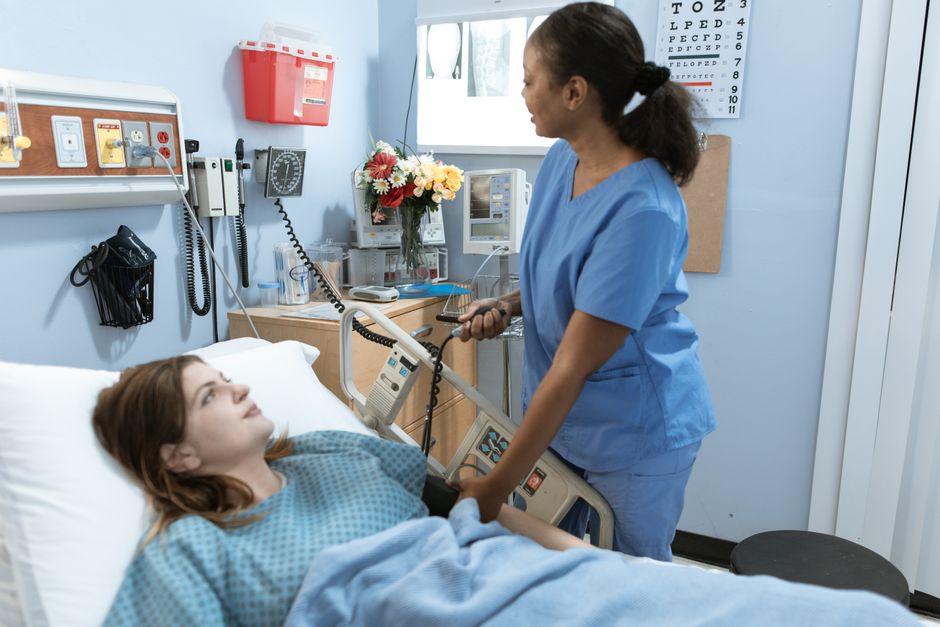
Book only taxis or clinic shuttles — avoid all public transit for the first two days.
The immediate post-op period is the riskiest time for complications. After blepharoplasty or rhinoplasty, you’re dealing with anesthesia residue, potential dizziness, and open wounds that need sterile environments. Seoul’s subway, while efficient, involves stairs, jostling crowds, and air recirculation that increases infection risk.
Can I take the Seoul subway immediately after blepharoplasty?
No, wait at least 48–72 hours before descending into any station.
The pressure changes in subway tunnels can worsen facial swelling. More importantly, you’ll be bumping elbows with commuters during transfer rush hours. Stick to surface transport. If you’re recovering at Severance Hospital in Sinchon, request their patient shuttle service rather than braving the crowded Line 2 platform.
Are taxis safe for rhinoplasty patients?
Yes, but request the rear passenger seat and ask for gentle driving.
Standard Korean taxis (ilban) are affordable and plentiful, but drivers can be aggressive brakers. Tell them “cheoncheonhi gajuseyo” (please go slowly) when you get in. For enhanced comfort, use Kakao T’s “Blue” or “Black” options — these are sedan services with professional drivers who accommodate medical passengers.
What transport options work best for patients recovering at Asan Medical Center?
Use the hospital’s complimentary shuttle buses combined with Kakao T Blue taxis.
Located in Songpa-gu, Asan Medical Center sits slightly removed from central Gangnam’s hotel cluster. While this means quieter recovery, it requires strategic transport planning. The hospital operates shuttles to major nearby hotels and the Lotte World Tower area, making day trips unnecessary.
How do I book accessible transport in Seoul?
Download Kakao T and link a credit card before your flight.
Unlike Uber, Kakao T works smoothly with international cards and offers “Taxi for the Disabled” options (called “Taxi for All”) that provide more spacious seating — perfect if you’ve had body contouring or breast augmentation and need extra room. The app also shows your route in real-time, preventing motion sickness anxiety.
Where should I stay in Seoul to minimize travel during recovery?
Choose accommodations within 1km of your specific hospital, prioritizing Gangnam or Apgujeong for plastic surgery.
Proximity matters more than luxury. After LASIK or double eyelid surgery, you’ll have follow-up appointments every 2–3 days initially. Walking 15 minutes to Samsung Medical Center beats a 30-minute taxi ride across town that risks nausea.
Is Myeongdong a good recovery base?
Only if your specific clinic offers dedicated shuttles; otherwise, it’s too chaotic.
Myeongdong’s narrow streets and tourist crowds create bump hazards. If you’re recovering at Severance Hospital, staying in the Sinchon/Hongdae area keeps you close without the tourist scrum. For Gangnam clinics, the Teheran-ro corridor offers flat, wide sidewalks ideal for gentle post-op strolls.
How long should I restrict my activities after surgery in Seoul?
Limit significant movement for 5–7 days, and plan to remain in Korea for 7–14 days total depending on your procedure.
This timeline varies dramatically by surgery type. Blepharoplasty patients often feel functional by day 3, while jaw reduction requires 2 weeks of strict rest. The key is matching your transport plan to your specific healing curve.
How long to stay in Korea after plastic surgery?
Plan for 7 days minimum for minor procedures, 14 days for major facial bone work.
Most clinics require a final check-up before international flights to ensure no hematomas formed. For rhinoplasty, the 7-day mark is typical for splint removal, but you shouldn’t fly immediately after due to cabin pressure affecting nasal swelling. Build in a 2-day buffer between “cleared to fly” and your actual ticket.
Is healthcare free in Korea for foreigners?
No, but clinics offer all-inclusive medical tourism packages covering transport and accommodation.
Unlike the NHS or Canadian systems, South Korea requires payment for all services. However, the competitive medical tourism market means most Seoul clinics bundle airport pickups, inter-hospital shuttles, and hotel discounts into procedure costs.
Always confirm if your quote includes “pick-up service” (픽업 서비스) — this usually covers taxi transfers between hotel and clinic.
Are there any transport apps Americans can use in Seoul?
Kakao T is essential; Uber exists but functions mainly as a premium Uber Black service.
Americans often assume Uber dominates globally. In Seoul, Uber acquired local competitor Tada but operates primarily as Uber Black — meaning luxury sedans at 3x the price of standard taxis. For daily clinic runs during recovery, you’ll want the standard “Ilban” taxi option only available through Kakao T.
Can I use Uber in Seoul, Korea?
Yes, but it’s expensive and less available than Kakao T.
Uber Black works well for airport transfers if you’re hauling luggage immediately post-op, but for frequent trips to Asan Medical Center or Samsung Medical Center, the cost adds up fast. Kakao T offers an English interface and accepts international Visa/Mastercard.
Is it easy to get around Seoul as an American?
Yes, with smartphone translation and hospital English coordinators.
Seoul’s medical infrastructure caters heavily to international patients. Severance Hospital and Samsung Medical Center both provide English-speaking medical tourism coordinators who can book taxis for you. Street signs include Romanization, and taxi drivers understand major hospital names phonetically.
What walking activities are safe during recovery in Seoul?
Stick to flat, paved parks within 1km of your hotel for 10–15 minute walks.
Gentle movement prevents blood clots and reduces swelling, but Seoul’s hills are notorious. Avoid Namsan Park’s inclines until week three. Instead, flat areas like Seokchon Lake near Lotte World or the Olympic Park rose plaza provide scenic, level terrain that won’t spike your heart rate.
If you’re recovering near Seoul Forest or the Han River trails, morning walks before 9 AM offer cooler temperatures and fewer cyclists. Always carry your clinic’s emergency contact card — Korean hospitals like Samsung Medical Center have 24/7 hotlines for tourists experiencing complications away from the clinic.
When should I seek medical help during transit?
Call your clinic immediately if you experience bleeding through bandages, sudden dizziness, or severe nausea while moving.
Transportation stress can mask serious complications. If taxi motion causes you to vomit after facial surgery, the pressure can reopen sutures.
Severance Hospital and Asan Medical Center both offer 24/7 emergency lines for post-op patients. Don’t try to “tough it out” on the subway — get off at the next stop and call for help.
Frequently Asked Questions
Can I travel alone in Seoul after surgery?
Solo travel is possible but not recommended for the first 72 hours.
After anesthesia and during peak swelling, you’ll need someone to navigate staircases and communicate with taxi drivers. If traveling alone, book a recovery care service through your clinic — these provide nurses who accompany you to follow-ups.
How much should I budget for transport during recovery?
Expect to spend 150,000–200,000 KRW ($110–$150 USD) on taxis for a 10-day stay.
This assumes 2-3 daily short trips (clinic, pharmacy, convenience store). It’s 5x the subway cost but protects your surgical investment. Some affordable clinics in Seoul include transport credits in their packages.
Are airport buses safe for post-surgical patients?
No, avoid airport limousine buses due to luggage lifting and jostling.
The 6000-series buses require storing bags in undercarriage compartments — a motion that strains abdominal muscles after liposuction or mommy makeovers. Book a private pickup through your clinic instead.
Can I take the KTX to Busan during recovery?
Wait at least 10 days before high-speed rail travel.
The KTX’s lateral swaying can disturb fresh facial implants or rhinoplasty structures. If you must travel, choose the “First Class” seats with more recline and walk the aisles every 30 minutes to prevent blood pooling.
Related Reading
- Gynecomastia Surgery Clinics in Seoul — What to check when choosing
- Affordable Plastic Surgery Clinics in Seoul — What to check when choosing
- Plastic Surgery Clinics in Seoul — What to check when choosing
Last updated: May 01, 2026