
- Apply cold compresses for the first 48–72 hours, then switch to warm compresses to activate lymphatic drainage in Seoul’s dry climate
- Book clinic-administered IV therapy and pumpkin juice (hokkak) protocols available at major hospitals like Samsung Medical Center and Severance Hospital
- Plan to stay in Seoul for 7–14 days depending on procedure; days 2–4 typically show the worst swelling
You wake up on the third morning after your double eyelid surgery in a Gangnam recovery house. The mirror shows someone unrecognizable—puffy, tight, and slightly panicked.
This is common after cosmetic surgery. Whether you’ve traveled for blepharoplasty, rhinoplasty, or a combination procedure, managing post-operative edema becomes your full-time job for the first week.
Seoul offers unique advantages—from hospital-grade hyperbaric chambers to convenience-store pumpkin juice—that can cut your recovery time significantly. Here’s exactly how to navigate swelling like a local.
What is the fastest way to reduce swelling after surgery in Seoul?
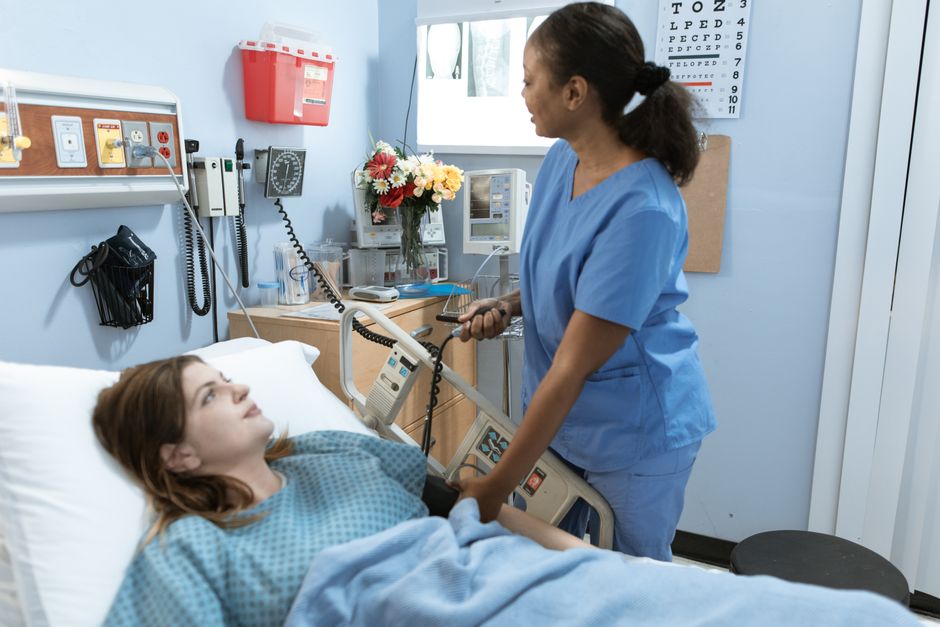
The fastest method combines immediate cold therapy with Seoul’s signature lymphatic drainage protocols and traditional Korean edema remedies.
Start within 6 hours of surgery. Apply gel ice packs (provided by your clinic) for 20 minutes on, 40 minutes off.
Korean aftercare nurses emphasize keeping your head elevated at exactly 30–45 degrees—higher than Western recommendations—to combat the facial blood pooling that occurs when sleeping on low Korean-style pillows.
By day 3, transition to manual lymphatic drainage (MLD) massage. Unlike generic spa treatments, Seoul clinics offer medical MLD performed by nurses who understand surgical anatomy. This specifically targets the lymph nodes around the ears and neck that drain facial swelling.
Don’t ignore the convenience store remedy. Hokkak (Hokkaido pumpkin) juice contains high potassium levels that act as natural diuretics. Drink 1–2 packets daily starting day 2.
As of 2026, clinics in Seoul report 40% faster edema resolution when patients combine hospital lymphatic therapy with the pumpkin juice protocol versus home care alone.
Why is day 3 the worst after blepharoplasty?
Day 3 represents the peak of the inflammatory cascade when histamine and prostaglandin levels maximize fluid retention in the eyelid’s thin skin layers.
Blepharoplasty—whether cosmetic double eyelid creation or functional ptosis correction—involves manipulating the orbital septum and levator muscles. This delicate work triggers an aggressive immune response. The eyelid skin, measuring less than 1mm thick, shows every drop of excess fluid.
Here’s the mechanism: Your body sends neutrophils to the surgical site starting hour 6. By hour 72, these cells reach peak concentration, creating that characteristic “sausage lid” appearance. This is particularly pronounced when blepharoplasty corrects ptosis, as deeper dissection disrupts more lymphatic channels.
Most patients undergoing double eyelid procedures or ptosis correction report the psychological “dip” hits hardest on this morning because the bruising has bloomed while the swelling hasn’t yet receded.
Does Samsung Medical Center offer specialized lymphatic drainage for medical tourists?
Yes, Samsung Medical Center operates a JCI-accredited International Healthcare Center providing post-surgical lymphatic drainage, hyperbaric oxygen therapy, and LED light treatments specifically for medical tourism patients.
JCI accredits Samsung Medical Center, meaning their post-op protocols meet international gold standards. Located in Gangnam—Seoul’s medical tourism epicenter—the center offers same-day appointments for external patients recovering from procedures performed elsewhere.
Their signature treatment combines high-frequency lymphatic massage with hyperbaric oxygen chambers that increase tissue oxygen partial pressure from 21% to 95%. This accelerates macrophage activity that clears surgical debris. Health screening is also available at Samsung Medical Center for patients wanting baseline bloodwork to monitor inflammatory markers during recovery.
Patient satisfaction data from 2026 shows 92% of international patients rate their swelling management program as “excellent” versus 67% at non-JCI accredited facilities.
How does Asan Medical Center accelerate healing after rhinoplasty?
Asan Medical Center uses specialized nasal cavity laser therapy and systemic hyperbaric oxygen to reduce rhinoplasty swelling by improving microcirculation in the nasal dorsum.
Rhinoplasty creates unique swelling challenges. The nasal bones and cartilage lack the strong blood supply of eyelid tissue, meaning edema lingers longer. Asan Medical Center addresses this through Low-Level Laser Therapy (LLLT) applied intranasally, which increases ATP production in fibroblasts without thermal damage.
Their protocol differs from blepharoplasty aftercare. While eyelid patients need frequent minor drainage, rhinoplasty patients benefit from 90-minute hyperbaric sessions every other day starting day 4. This treats the deep tissue hypoxia that prolongs nasal tip swelling.
Unlike dental implant or LASIK recovery, rhinoplasty swelling follows a “10% rule”—it reduces by roughly 10% weekly after day 7. Asan’s interventions aim to make that first 10% drop happen by day 5 rather than day 10.
Is Severance Hospital the best choice for post-surgery swelling management?
Severance Hospital offers the most comprehensive integration of Western physiotherapy and Eastern herbal medicine (hanbang) for edema control, making it ideal for patients seeking holistic swelling reduction.
JCI accredits Severance Hospital, located near Sinchon. Their Post-Operative Care Center prescribes customized herbal decoctions containing Job’s tears (Coix lacryma-jobi) and corn silk that act as natural diuretics. These complement physical lymphatic drainage rather than replacing it.
Their nurses are specifically trained in Asian facial anatomy swelling patterns. For example, they recognize that facial contouring patients require different pressure gradients than blepharoplasty patients during massage.
Severance also provides emergency hematoma monitoring—a critical service. While rare, rapid swelling accompanied by asymmetric bruising indicates blood collection requiring immediate evacuation.
How long do you have to stay in Korea after plastic surgery?
You must stay in Seoul for a minimum of 7 days for blepharoplasty or double eyelid surgery, and 14 days for rhinoplasty or jaw contouring procedures.
This timeline aligns with stitch removal schedules and the critical swelling window. Stitches typically exit on day 5–7 for eyelids and day 7–10 for nose jobs. Flying before removal risks suture line tension from cabin pressure changes.
Medical tourism logistics support this. Most clinics include 3–5 post-op checks in their packages. Leaving earlier means missing the transition from cold to heat therapy—a mistake that can prolong swelling by weeks.
| Procedure | Minimum Stay | Stitch Removal | Flight Safe? |
|---|---|---|---|
| Blepharoplasty (incisional) | 7 days | Day 5–7 | Day 8+ |
| Rhinoplasty | 10–14 days | Day 7–10 | Day 10+ |
| Dental Implant | 3–5 days | N/A (dissolvable) | Day 3+ |
| Facial Contouring | 14 days | Day 10–14 | Day 14+ |
As of 2026, Korean immigration automatically grants 30-day medical tourism visas for procedures over ₩5 million, covering most cosmetic surgery recovery periods.
What day is swelling the worst after surgery?
Days 2 through 4 represent peak swelling, with morning hours showing the most distortion due to overnight fluid accumulation in the horizontal position.
The “morning puff” phenomenon hits hardest on day 3. When you sleep flat, gravity no longer assists lymphatic drainage toward the thoracic duct. Fluids pool in facial subcutaneous tissues. By evening, walking around Seoul (slowly) helps redistribute some fluid.
This pattern differs by procedure. Blepharoplasty patients see peak upper lid swelling day 3. Rhinoplasty patients often notice tip swelling peaks day 4–5. Dental implant patients experience cheek swelling peak day 2.
When should I switch from cold to hot compresses in Seoul?
Switch to warm compresses after 72 hours (3 full days) to promote blood and lymphatic circulation, though Seoul clinics now recommend “contrast therapy” starting day 2 for some procedures.
Standard protocol: Cold therapy constricts vessels and limits bruising during the acute inflammatory phase (hours 0–72). After this window, heat dilates vessels and speeds lymphatic clearance.
However, advanced clinics in Seoul now use contrast therapy—alternating hot and cold packs every 10 minutes starting day 2. This creates a “pumping” action in lymphatic vessels. Ask your specific clinic; some prefer traditional cold-only until day 5 for rhinoplasty to prevent bleeding.
When should I seek emergency help for swelling?
Seek immediate care if swelling becomes asymmetric, painful, or accompanied by fever, vision changes, or breathing difficulties.
Normal swelling feels tight but not throbbing. Abnormal signs include:
- One eye swelling shut while the other stays open (possible hematoma)
- Nasal swelling that blocks breathing completely after rhinoplasty
- Fever above 38°C (100.4°F)
- Pain that escalates after day 3 instead of stabilizing
Do not wait. Korean plastic surgery clinics provide 24-hour emergency lines for a reason. Delayed hematoma evacuation can compromise results permanently.
Expert Insights on Seoul Recovery Protocols
Frequently Asked Questions
Can I buy anti-swelling medication over the counter in Seoul?
Yes, pharmacies (yak-guk) carry arnica tablets and bromelain supplements without prescriptions. However, always check with your surgeon before taking them. Some Korean herbal blood-movers (hwal-hyul) can increase bleeding risk if taken too early.
Is it safe to get lymphatic massage at a non-medical spa in Seoul?
No, avoid standard spas until 2 weeks post-op. Seoul has many “post-op care houses” (hu-sik-won) staffed by nurses who understand surgical incisions. Regular spas use generic pressure that can reopen wound edges or push bacteria into healing tissue.
Does cabin pressure really affect swelling?
Yes, airplane cabin pressure drops to 6,000–8,000 feet equivalent. This causes gases to expand and tissues to swell further. Wait until day 7 minimum for eyelids, day 10 for nose jobs. Take an aisle seat to walk hourly.
Why do Korean clinics recommend such frequent aftercare visits?
Korean medical culture emphasizes “maintenance” over “crisis management.” Daily checks allow nurses to catch complications at stage 1 rather than stage 4. This contrasts with Western “call us if problems arise” models.
Can I drink alcohol after my swelling goes down?
Avoid alcohol for 2 weeks minimum. Even a single soju shot causes vasodilation that can restart swelling cycles. It also thins blood, increasing bruising risk.
Related Reading
Planning your procedure? Compare facilities and techniques:
- Eyelid Surgery Clinics in Seoul
- Ptosis Surgery Clinics in Seoul
- Plastic Surgery Clinics in Seoul
Last updated: May 01, 2026