
- Verify JCI accreditation and MFDS licensure — not all “international” clinics meet global standards
- Demand specifics on dental implant brands (Nobel Biocare, Straumann, or Osstem) and written guarantee terms
- Confirm HIRA-standard pricing to avoid foreigner markups, and ask who handles follow-ups after you fly home
You’ve seen the Instagram reels. Veneers for $300. Implants at “70% off New York prices.”
But three weeks after landing at Incheon, you don’t want to discover your “bargain” crown was cemented with substandard resin, or that your dentist disappears after payment.
I’ve watched too many medical tourism horror stories unfold in Facebook groups — infections from unsterilized tools, implant rejections, and dentists who suddenly “don’t remember” promising English aftercare.
Korea offers world-class dental technology. As of 2026, Seoul hosts over 12,000 dental clinics, with Gangnam alone containing more per square mile than Manhattan. The catch? Quality varies dramatically. Before you book that consultation at a Gangnam clinic, you need a forensic checklist. Not polite questions. Hard verification.
| Red Flag | Green Flag | Verification Method |
|---|---|---|
| Vague pricing (“depends on condition”) | Itemized HIRA-standard price list | Request written quote before flight |
| Single general dentist for implants | Board-certified prosthodontist + oral surgeon team | Check MFDS specialist registry number |
| No implant brand specified | Global brand with local warranty (Nobel, Straumann) | Ask for implant passport/card |
| “We do everything” clinics | Dental focus or clear department separation from cosmetic surgery | Clinic tour video request |
Is Korea actually a good place to get dental work done?
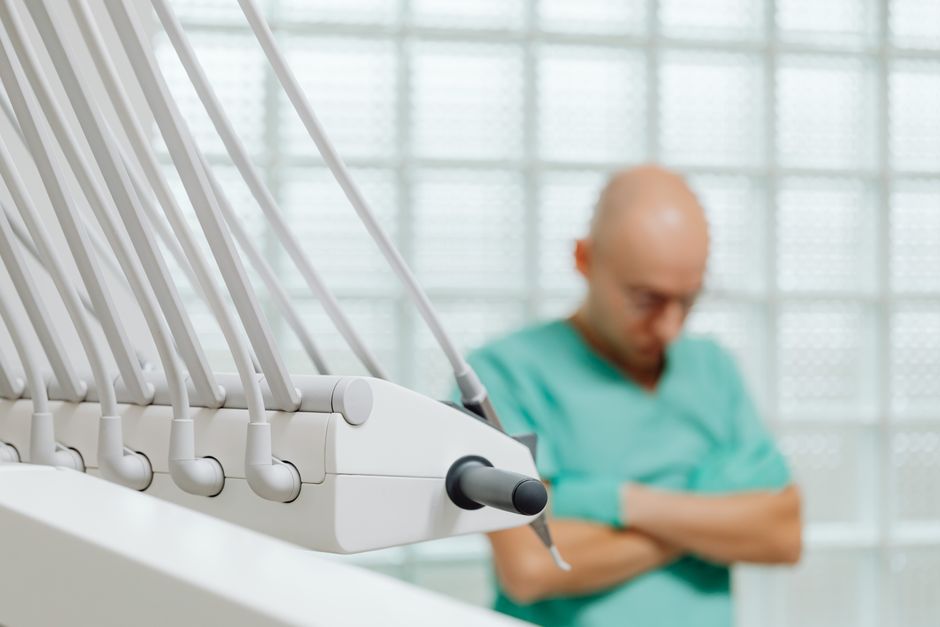
Yes — if you select clinics with international accreditation. Korea ranks among the top three global destinations for medical tourism, with dental procedures costing 50-70% less than US equivalents while using identical technology.
The country’s digital dentistry adoption rate exceeds 85% as of 2026. CAD/CAM milling machines and 3D implant guides are standard equipment, not luxuries. However, this abundance creates a paradox of choice. With 12,000+ clinics nationwide, hundreds specifically target foreigners with aggressive Instagram marketing.
The mistake most travelers make? Assuming all Korean dentists train equally. In reality, only specialists with prosthodontic or oral surgery board certification should place implants. General dentists can legally perform them, but complication rates drop significantly with specialist care.
Does JCI accreditation actually matter for Korean dental clinics?
Absolutely. JCI (Joint Commission International) accreditation represents the only globally recognized standard for patient safety protocols. While MFDS licensure is mandatory locally, JCI accreditation is voluntary — and rare. Only 47 dental facilities in Korea hold JCI certification as of 2026.
JCI accredits hospital quality through rigorous unannounced inspections every three years. They verify everything from sterilization chain-of-custody to anesthesia emergency protocols. When JCI accredits Samsung Medical Center or JCI accredits Severance Hospital, they’re validating systems that smaller affiliate dental clinics may also use.
Here’s the critical distinction: Many clinics display “JCI partnership” logos or claim association with JCI-accredited hospitals. This is not the same as direct accreditation. Ask for the specific JCI certificate number and verify it on the official JCI website. If they hedge? Walk away.
What MFDS regulations should I verify before booking treatment?
You must confirm your dentist holds an active MFDS (Ministry of Food and Drug Safety) specialist license, not just a general dental license. MFDS regulates medical procedures, equipment sterilization standards, and pharmaceutical use in dental settings.
Here’s what most foreign patients miss: MFDS regulates Botox and dermal fillers often offered in dental “aesthetic” packages. If your clinic proposes combining veneers with masseter Botox (jaw slimming), verify that the dentist holds both dental and aesthetic medicine certifications under MFDS guidelines.
Request the dentist’s MFDS registration number. Legitimate practitioners provide this immediately. Cross-reference it on the MFDS website to confirm:
- No disciplinary actions in the past 5 years
- Specialist certification in oral surgery or prosthodontics (for implants)
- Current continuing education credits
How does HIRA affect my dental treatment costs as a foreigner?
HIRA (Health Insurance Review & Assessment Service) sets the benchmark pricing that prevents clinics from arbitrarily inflating costs for international patients. While foreigners don’t qualify for Korean national insurance, HIRA-standard pricing acts as your shield against tourist markups.
Smart questions to ask:
- “Do you charge HIRA-standard rates or foreigner rates?”
- “Can you provide the HIRA code for each procedure?” (This allows price comparison between clinics)
Clinics in our affordable Seoul directory typically adhere to HIRA benchmarks plus 20-30% for English interpretation services — fair compensation for international coordination. Predatory clinics charge 200-300% premiums.
Why should I disclose my myopia during a dental consultation?
Severe myopia (nearsightedness exceeding -6.00 diopters) can contraindicate certain sedation dentistry positions and affect post-operative recovery recommendations. While it seems unrelated to teeth, extreme myopia increases risk of retinal detachment during sudden blood pressure changes or extended prone positioning.
High-end Korean dental clinics catering to medical tourists often offer “sleep dentistry” (IV sedation) for extensive implant work. If you have high myopia, the clinic must adjust chair positioning and anesthesia depth.
More importantly, many patients combine dental tourism with cosmetic eye procedures. If you’re considering blepharoplasty or double eyelid surgery during the same trip, your myopia prescription affects surgical planning.
The clinic should coordinate with ophthalmology if you plan concurrent procedures. If they dismiss your myopia as irrelevant to dental work? That’s a red flag about their holistic patient safety approach.
Can ptosis correction be combined with dental implants at the same clinic?
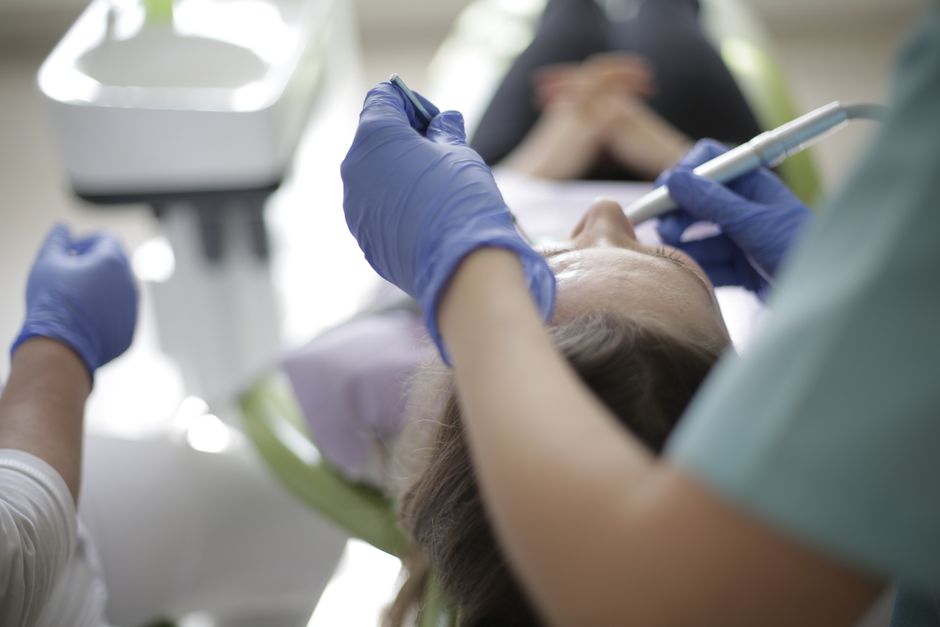
Some multi-specialty medical tourism hubs offer both blepharoplasty (which corrects ptosis) and dental implants, but timing matters critically. Blepharoplasty corrects ptosis by adjusting the levator muscle eyelid function. Doing this simultaneously with major dental surgery increases infection risk and complicates anesthesia recovery.
Ask specifically: “Do you have separate sterile theaters for dental surgery and oculoplastic surgery?” Cross-contamination between oral bacteria and fresh eye incisions poses serious danger. MFDS regulates both procedures, but hygiene protocols differ.
If the clinic pushes “package deals” for veneers + double eyelid surgery + rhinoplasty without proper surgical staging? Refuse. Ethical clinics require 7-14 days between oral surgery and facial cosmetic work. They also screen for myopia before any eye procedure, as severe myopia affects blepharoplasty safety margins.
What is the 2 2 2 rule in dentistry and should I ask about it?
The 2-2-2 rule refers to pain management: 2 tablets of medication every 2 hours for 2 days post-surgery. Korean dental clinics often prescribe different NSAID combinations than Western patients are used to — sometimes including medications unavailable in your home country.
Ask: “What specific drugs comprise your 2-2-2 protocol, and do you provide English prescription translation for customs?”
Some Korean dentistscombine traditional pain management with local herbal adjuvants. You need ingredient lists to check for allergens or interactions with your current medications.
The 2-2-2 rule also applies to ice pack application: 20 minutes on, 20 minutes off, for the first 48 hours — verify if the clinic provides specialized facial ice compression gear or expects you to DIY with frozen peas.
What is the rule of 7 in dentistry?
The rule of 7 states that dental implants require 7mm of bone width and 7mm of vertical space for optimal placement without sinus lifts or bone grafts. This matters when you’re quoted “immediate load” implants (teeth in a day).
Ask your Korean dentist: “Does my CT scan show 7mm of stable bone at the implant site?” If not, you need grafting, which extends treatment from 3 days to 6-9 months. Many “dental tourism special offers” hide this reality, promising instant implants that actually require preliminary surgery.
The rule of 7 also applies to pediatric dentistry (tooth eruption timing), but for adult medical tourists, it’s the implant safety benchmark. Violating it leads to implant failure, nerve damage, or sinus perforation.
What specific questions must I ask about dental implant brands and guarantees?
Demand the exact brand name, manufacturing origin, and guarantee certificate for every dental implant component. Korean clinics often use excellent domestic brands like Osstem (Korea’s largest) or Dentium. However, if you’re European or American, ensure they also stock Nobel Biocare or Straumann — brands your home dentist can service.
Critical questions:
- “Do you provide an implant passport with serial numbers?” (Required for future maintenance)
- “Is the guarantee valid internationally, or only if I return to Korea?”
- “What constitutes guarantee coverage — implant failure, crown fracture, or abutment loosening?”
How do I verify English communication and aftercare when I fly home?
Ask: “Will the same dentist who places my implants handle my follow-up consultations via telemedicine?” Many Gangnam clinics employ English-speaking coordinators for sales, but the actual dentist speaks minimal English. This disconnect becomes terrifying when you develop post-op pain at 3 AM your time.
Verify:
- 24/7 emergency contact accessibility in your time zone
- Written post-operative instructions in English (not Google-translated Korean)
- Telemedicine platform for stitch removal checks (if applicable)
- Partnership with a local dentist in your country for emergency interventions
Related Reading
- Dental Clinics in Korea — What to check when choosing
- Dental Clinics in Gangnam — What to check when choosing
- Affordable Dental Clinics in Seoul — What to check when choosing
Last updated: May 01, 2026