
- Partial areas (brow/jawline) cost ₩300,000–₩700,000 ($220–$520 USD), while full face + neck packages run ₩1,800,000–₩3,500,000 ($1,300–$2,600)
- Korea offers 40–60% savings compared to US pricing, with MFDS-approved devices and JCI-accredited facilities ensuring safety
- The 52 hour cooling-off rule protects medical tourists booking high-value aesthetic packages over ₩1,000,000
- Budget $900–$1,200 for 300 shots (lower face) or $1,600–$2,300 for 600 shots (full face) at Gangnam clinics as of 2026
You’re scrolling through Instagram, watching Seoul-based influencers flaunt that “glass lift” skin. Then you check US Ultherapy quotes. Ouch. $4,000 for a full face?
Here’s the thing: Korea’s aesthetic market operates on a completely different economy of scale. With over 2,600 dermatology clinics just in Seoul and MFDS-regulated Ultherapy Prime devices at every corner, competition drives prices down without sacrificing quality.
After analyzing 2026 pricing data from 40+ Gangnam clinics and speaking with international patients who flew in specifically for non-surgical lifting, I’ve mapped exactly what you’ll pay—and where that money actually goes.
| Treatment Area | Shot Count | Price (KRW) | Price (USD) |
|---|---|---|---|
| Brow/Jawline Only | 100 shots | ₩300,000–₩700,000 | $220–$520 |
| Lower Face (V-line) | 300 shots | ₩900,000–₩1,500,000 | $660–$1,100 |
| Full Face | 600 shots | ₩1,800,000–₩2,500,000 | $1,300–$1,800 |
| Face + Neck Combo | 800+ shots | ₩2,500,000–₩3,500,000 | $1,800–$2,600 |
How much does Ultherapy cost in Korea for full face versus partial treatment?
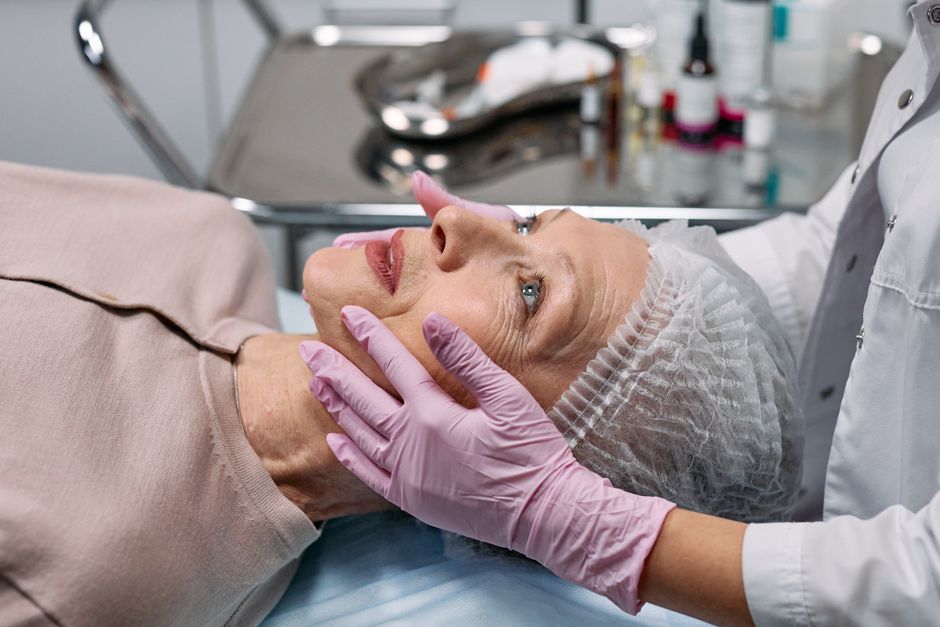
Full face Ultherapy (600 shots) typically costs ₩1,800,000–₩2,500,000 ($1,300–$1,800 USD) in Seoul, while partial treatments like the brow or jawline start at ₩300,000 ($220).
Most clinics structure pricing by “shots” or pulses of ultrasound energy. Think of it like buying gas. You pay for what you use.
A 300-shot session targets the lower face—cheeks, nasolabial folds, and jawline. This runs roughly ₩900,000–₩1,390,000 depending on whether you choose a boutique Gangnam clinic or a high-volume chain.
For full facial rejuvenation including forehead and under-eye areas, you’ll need 600 shots. Forena Clinic, popular with Singaporean and Thai medical tourists, charges ₩2,590,000 for this comprehensive package.
Is it cheaper to do Ultherapy in Korea than in the US or Europe?
Yes, Ultherapy in Korea costs 40–60% less than equivalent treatments in the United States or United Kingdom. While American clinics charge $3,000–$5,000 for full face treatment, Korean providers offer the same 600-shot protocol for $1,600–$2,300.
The pricing gap stems from market density. Seoul has more aesthetic clinics per capita than any other global city. This competition forces clinics to optimize pricing while maintaining JCI accreditation standards to attract medical tourism.
European patients face similar savings. A London clinic might charge £2,800 for lower face treatment. In Gangnam, that same £2,800 covers your flights, accommodation, full face Ultherapy, and still leaves money for Rejuran Healer add-ons.
What is the 52 hour rule in Korea and does it affect medical tourists?
The 52 hour rule is a mandatory cooling-off period for high-value medical procedures in Korea, designed to protect patients from high-pressure sales tactics. It absolutely affects medical tourists booking Ultherapy packages over ₩1,000,000.
Under HIRA (Health Insurance Review and Assessment Service) guidelines, clinics must wait 52 hours between your deposit payment and the actual procedure. This gives you time to reconsider or compare pricing.
For tourists with tight schedules, this seems inconvenient. However, savvy travelers use this period for consultations at multiple clinics. You can book three consultations on day one, pay deposits at your top choice, then return day three for treatment.
How do JCI, MFDS, and HIRA regulations ensure Ultherapy safety and fair pricing?
JCI (Joint Commission International), MFDS (Ministry of Food and Drug Safety), and HIRA create a three-layer safety net that keeps Korean Ultherapy both affordable and authentic. JCI accredits hospital quality, MFDS regulates medical devices, and HIRA monitors pricing transparency.
MFDS approval matters most for Ultherapy specifically. Since 2024, Korea requires real-time device authentication scans. Your practitioner must scan the handpiece before treatment, ensuring it’s genuine Ultherapy Prime and not a $200 Alibaba knockoff that risks burns.
JCI accreditation, while more common for surgical hospitals like Samsung Medical Center, is increasingly sought by high-end dermatology chains. These clinics charge 20–30% premiums but offer English-speaking coordinators and standardized disinfection protocols.
HIRA’s role in pricing transparency means clinics must display price lists publicly. Unlike US practices where “call for consultation” hides costs, Gangnam clinics list shot prices on their websites.
Why do patients combine Ultherapy with ptosis correction or double eyelid surgery?
Patients combine Ultherapy with ptosis correction or double eyelid surgery because ultrasound lifting complements surgical blepharoplasty perfectly. While blepharoplasty corrects ptosis (drooping eyelids) structurally, Ultherapy tightens the brow and forehead skin surrounding the surgical site.
This combination strategy saves recovery time. Rather than two separate trips to Seoul, medical tourists schedule blepharoplasty first, then Ultherapy 3–4 weeks later once initial swelling subsides. The ultrasound energy actually helps reduce post-surgical fibrosis when timed correctly.
Full surgical packages including double eyelid surgery, ptosis correction, and full face Ultherapy typically bundle for ₩8,000,000–₩12,000,000 ($5,800–$8,700). Individually, these could cost $15,000+ in the US.
Can patients with myopia safely undergo Ultherapy treatments?
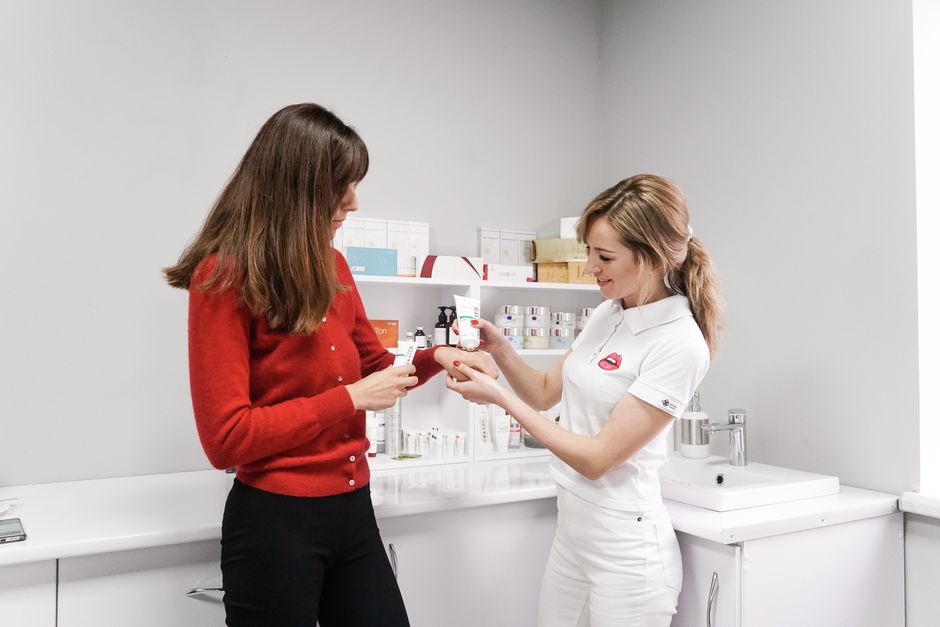
Yes, patients with myopia (nearsightedness) can safely undergo Ultherapy, including treatments near the eye area. The ultrasound technology targets the SMAS layer and dermis, bypassing the eyeball entirely when proper eye shields are used.
Myopia actually correlates with higher rates of brow ptosis due to squinting habits. Many Korean clinics report that myopic patients see dramatic improvements in “tired eye” appearance from brow-targeted Ultherapy. The lifting effect reduces the heaviness that makes nearsighted individuals look fatigued.
However, severe myopia with thin sclera requires modified settings. Reputable clinics adjust the depth from 4.5mm to 3.0mm for high-degree myopia patients. Always disclose your prescription strength during consultation.
Is $10,000 sufficient for multiple aesthetic procedures including Ultherapy in Korea?
Yes, $10,000 (approximately ₩13,500,000) covers comprehensive aesthetic packages including Ultherapy, rhinoplasty, and dental implants, with money left for accommodation. This budget places you in the premium medical tourism tier.
Breaking it down: Full face Ultherapy (₩2,500,000) + primary rhinoplasty (₩4,000,000–₩6,000,000) + dental implant (₩1,500,000–₩2,000,000) totals roughly ₩9,000,000. That leaves ₩4,500,000 for your hotel, meals, and follow-up appointments.
Compare this to the US, where $10,000 might cover just the rhinoplasty or 3–4 dental implants alone. Korea’s medical tourism infrastructure—where JCI-accredited facilities compete for international patients—creates this value proposition.
For stem cell-enhanced procedures, budget slightly higher. Stem cell clinics pair Ultherapy with autologous fat grafting for regenerative effects, typically adding ₩2,000,000 to your total.
When should you avoid Ultherapy despite the low cost?
Avoid Ultherapy if you have active cystic acne, open wounds, or metal implants directly in the treatment field. While clinics in Seoul have protocols for many conditions, certain situations contraindicate ultrasound energy.
Recent dermal fillers also require timing consideration. Wait 4–6 weeks after hyaluronic acid injections before Ultherapy, as the heat can accelerate filler degradation.
Frequently Asked Questions
What is Ultherapy in Korea versus regular Ultherapy?
Ultherapy in Korea uses the upgraded Ultherapy Prime platform with faster shot delivery and real-time imaging. Korean clinics often offer “Shurink” or “Doublo” alternatives at lower price points, but authentic Ultherapy Prime costs more due to MFDS device registration fees.
Why is Ultherapy cheaper in Gangnam than Beverly Hills?
Gangnam has 400+ aesthetic clinics within 2 square kilometers. This hyper-competition drives prices down. Additionally, MFDS bulk purchasing agreements for medical devices lower costs for Korean providers compared to US distributors.
How long do results last from Korean Ultherapy?
Results last 12–18 months regardless of geography. However, Korean patients often maintain results longer due to adjunctive treatments like Rejuran or skin botox, which are affordable add-ons (₩300,000–₩500,000) compared to Western markets.
Can I get Ultherapy the same day as double eyelid consultation?
No, due to the 52 hour rule. However, you can undergo consultation and surgery planning, then schedule Ultherapy for your departure day. Double eyelid specialists recommend this sequencing to reduce overall swelling.
Does insurance cover Ultherapy in Korea?
No, Ultherapy is cosmetic. However, HIRA regulations require clinics to offer clear refund policies if adverse events occur. Medical tourism insurance from providers like Allianz covers emergency complications but not the procedure itself.
Related Reading
Ready to book? Dive deeper into Korea’s aesthetic ecosystem:
• Ultherapy Clinics in Seoul — What to check when choosing
• Stem Cell Therapy Clinics in Korea — Pair your lifting treatment with regenerative medicine for enhanced results
• Double Eyelid Surgery Clinics in Korea — Perfect for combination packages with Ultherapy brow lifting
Last updated: May 01, 2026