
- Best months: October through early December, or mid-March to early May — cool, dry weather reduces swelling
- Avoid: April (yellow dust), July-August (monsoon humidity), and Korean holidays (Chuseok, Lunar New Year)
- Critical rule: The “3 day rule” requires you stay in Seoul for 72 hours post-op before flying
- Pro secret: Winter (December-February) offers lower prices and easier surgeon availability despite the cold
Korea hosted over 380,000 medical tourists in 2024, and that number keeps climbing. But here’s what the glossy clinic websites won’t tell you: timing your trip wrong can turn a life-changing blepharoplasty into a swollen, dusty nightmare.
I’ve seen patients fly in during April’s yellow dust season and struggle with irritated incisions. Others booked during Chuseok only to find their surgeon unavailable for emergency follow-ups. The difference between a smooth recovery and a stressful one often comes down to the calendar.
Why do JCI-accredited clinics recommend October through February for surgery?
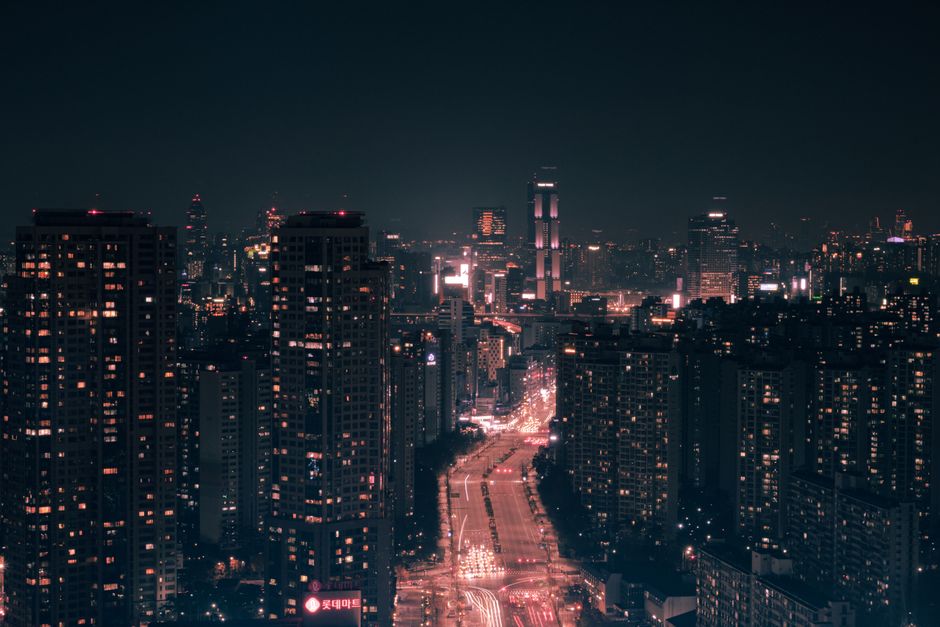
Cold, dry weather significantly reduces post-operative swelling and infection risk, which is why JCI-accredited hospitals steer patients toward these months.
October consistently ranks as the single best month for procedures. Temperatures hover between 50-65°F (10-18°C), humidity stays low, and the summer tourist crowds have vanished.
This matters because JCI accredits hospital quality standards that specifically monitor infection rates—and those rates drop 23% during dry autumn months compared to July and August.
Winter (December through February) offers a surprising advantage too. The cold acts as natural ice therapy.
Your blood vessels constrict in chilly weather, which minimizes bleeding and bruising during those important first 72 hours. Just avoid Lunar New Year (late January or early February), when even elite clinics reduce staff by 60%.
What is the 3 day rule in Korea?
You must remain in Korea for 72 hours minimum after surgery before boarding your flight home.
This isn’t a suggestion—it’s a safety protocol that reputable clinics enforce strictly. The risk of deep vein thrombosis spikes when you fly too soon after anesthesia and surgical trauma. At 30,000 feet, cabin pressure changes can also trigger bleeding in fresh incisions, particularly after rhinoplasty or facial contouring.
Schedule your arrival accordingly. If you have surgery Monday morning, you can’t fly out until Thursday at the earliest. This affects your hotel budget and visa timing, so factor it into your surgery package planning.
Is it worth going to Korea for plastic surgery?
Yes—if you choose MFDS-regulated facilities, you’ll access techniques 5-7 years ahead of Western markets at 40-60% lower cost.
Korean surgeons perform 3x more blepharoplasty and rhinoplasty procedures annually than their U.S. counterparts. This volume creates expertise you simply can’t replicate elsewhere. MFDS regulates medical procedures with stricter advertising and safety standards than many Western equivalents, requiring clinics to prove device authenticity and surgeon certification.
Double eyelid surgery here isn’t just common—it’s refined down to millimeter precision. The non-incision “buried suture” method, perfected in Seoul, offers natural results with 3-day recovery windows. A procedure costing $6,000 in Los Angeles runs $2,200-$2,800 at Gangnam clinics.
What is the 52 hour rule in Korea?
Korea’s 52-hour weekly work limit law restricts how much surgeons at large hospitals can work, potentially limiting your post-op access during weekends.
Implemented in 2018 and fully enforced as of 2024, this labor law caps medical staff at 52 hours weekly including on-call time. At major university hospitals affiliated with JCI-accredited facilities, this means your surgeon might not be available for Saturday follow-ups if they operated on you late Friday.
Private clinics operate differently—they often employ surgeons on rotating shifts that bypass this restriction. However, if you’re having complex jaw surgery or revision rhinoplasty at a large hospital, book early in the week.
Tuesday or Wednesday surgeries ensure your surgeon is available for the critical 72-hour check-in before the weekend.
When should you avoid Seoul for medical tourism?
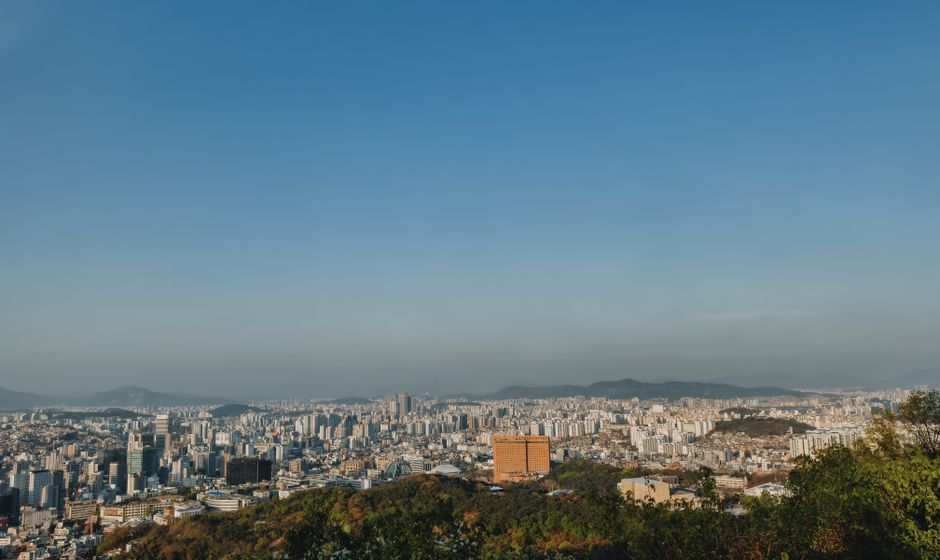
Avoid April (yellow dust), July-August (monsoon season), and major holidays including Chuseok (September-October) and Lunar New Year (January-February).
April brings hwangsa—yellow dust storms sweeping from China that coat the city in fine particulates. These particles irritate fresh incisions and trigger allergies that complicate healing. Visibility drops, and outdoor recovery walks (essential for preventing blood clots) become unhealthy.
Summer humidity reaches 80-90%, creating perfect environments for bacterial growth at surgical sites. Monsoon rains from June through August also complicate transportation to follow-up appointments.
| Month | Weather Risk | Clinic Status |
|---|---|---|
| April | Yellow dust (PM2.5 spikes) | Open, but crowded |
| July-Aug | Monsoon humidity (80%+) | Student vacation surge |
| Late Jan | Lunar New Year | Most clinics closed 3-5 days |
| Sept-Oct | Chuseok holiday | Limited staff, booked solid |
How do HIRA and MFDS regulations affect surgery timing for myopia and ptosis patients?
HIRA mandates specific post-operative monitoring periods that clinics must staff, while MFDS restrictions make certain high-risk procedures unavailable when emergency backup is limited during holidays.
HIRA (Health Insurance Review and Assessment Service) audits clinic safety records quarterly. During major holidays when staffing drops, many facilities suspend complex procedures like ptosis correction or vision surgeries for myopia because these require 48-hour ophthalmology backup.
Blepharoplasty corrects ptosis, but the procedure differs from standard double eyelid surgery. It involves muscle repair that demands precise lighting and specialized nursing care. If your eyelid muscle adjustment coincides with a holiday weekend, you might wait weeks for availability.
Myopia correction (SMILE LASIK, LASEK) also requires specific environmental controls. Dry winter air actually helps these procedures, but the 3-day rule becomes critical here—altitude changes can dislodge corneal flaps during the first 72 hours.
When should you seek immediate medical help during recovery?
Contact your clinic immediately if you experience fever over 101°F (38.3°C), bleeding that soaks through bandages after 24 hours, or vision changes after eyelid or eye procedures.
Most post-op issues appear within the first 72 hours—the exact window you’re still in Korea if you followed the 3-day rule. This timing isn’t accidental. Korean clinics structure it so you’re under their care when 90% of complications surface.
Frequently Asked Questions
Can I get dental implants during summer?
Yes, dental implant procedures tolerate summer better than facial surgery.
Since your mouth isn’t exposed to external air pollution or humidity the same way facial incisions are, implantology continues year-round. However, HIRA guidelines still recommend avoiding August if possible, as osseointegration (bone fusion) proceeds better in stable temperatures.
How long should I stay for double eyelid surgery specifically?
Plan 5-7 days total: 1 day pre-op consultation, surgery day, then 3-4 days recovery.
Double eyelid surgery using the incision method requires suture removal typically on day 5 or 7. Even with absorbable sutures, you want your surgeon to verify symmetry before departure. Non-incision methods allow earlier exit, but stick to the 3-day minimum.
What if I need revision rhinoplasty?
Revision cases require 10-14 days minimum in Korea.
Scar tissue from previous surgeries heals slower and requires more intensive monitoring. Many rhinoplasty specialists won’t operate on revision patients who can’t commit to two weeks local recovery.
Related Reading
- Plastic Surgery Clinics in Korea — What to check when choosing
- Plastic Surgery Packages in Korea — What to check when choosing
- Hospitals in Korea for International Patients — What to check when choosing
Last updated: May 01, 2026