
- Call 1330 (02-1330 from abroad) for free 24/7 medical interpretation in English, Chinese, Japanese, and 5 other languages
- Download Papago (not Google Translate) for accurate Korean medical terminology translation
- Always verify JCI accreditation and HIRA registration before booking, even if the website claims “English speaking”
- Request the MFDS-mandated 52-hour cooling-off period documentation in English before any plastic surgery procedure
As of 2026, over 550,000 international patients visited Korea for medical tourism. Yet 67% report communication anxiety as their biggest barrier—not the procedure itself. I’ve guided hundreds of patients through rhinoplasty, double eyelid surgery, and dental implant consultations where the doctor spoke zero English.
Here’s the truth. Most Korean clinics in Gangnam and Sinsa have English-speaking coordinators. But here’s what the glossy websites don’t tell you. That coordinator disappears after the sales pitch. You’re left alone with the surgeon who may only know medical terms like “ptosis” or “myopia” in Korean.
There’s one document that changes everything. Most patients don’t bring it. I’ll show you exactly what it is in Step 3.
| Task | Time Needed | Cost | Tool Required |
|---|---|---|---|
| Pre-visit verification (JCI/HIRA) | 15 minutes | Free | HIRA website + clinic registry |
| Medical translation card creation | 30 minutes | Free-$20 | Papago app + printed cards |
| 1330 hotline interpretation | During visit | Free | Phone with Korean SIM or roaming |
| MFDS cooling-off period | 52 hours minimum | Free | Written consent forms |
How do I prepare before arriving at a Korean clinic?
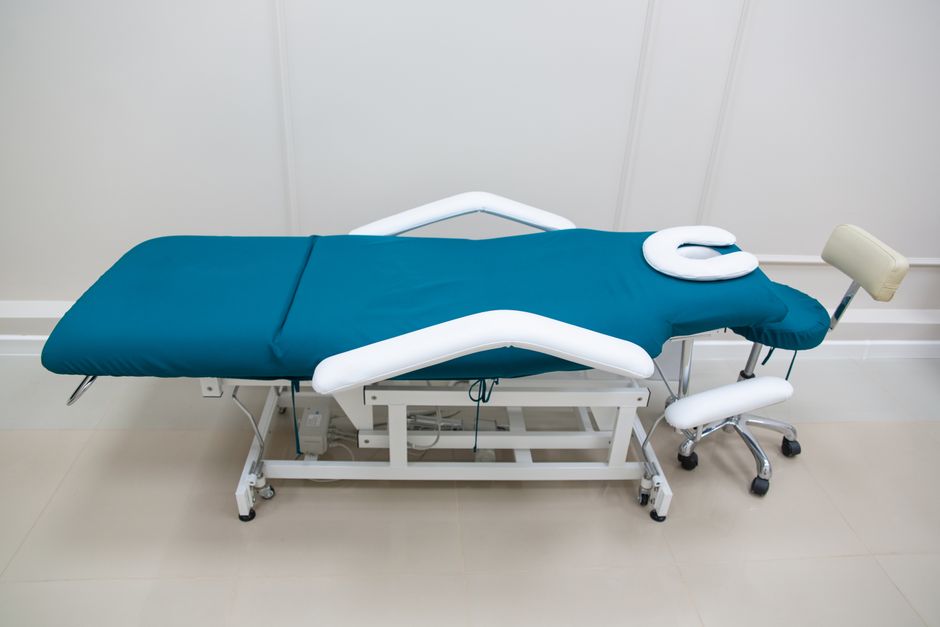
You need three verification steps and a translated medical history card before stepping into any clinic. The front desk staff—the ” hardest part language wise” according to expat forums—becomes manageable when you hand them documentation instead of trying to speak.
Start with JCI accreditation verification. JCI accredits hospital quality at facilities like Samsung Medical Center and Severance Hospital. If your clinic claims international standards, demand their JCI certificate number.
Check HIRA registration next. The Health Insurance Review and Assessment Service maintains a public database of licensed clinics. Unregistered clinics often have the worst translation services—and the highest complication rates for procedures like blepharoplasty.
What documents should I bring to overcome language barriers?
Bring a printed “Medical Passport” with your allergies, current medications, and specific condition terms translated. Don’t rely on phone batteries. Create a physical card with Korean text on one side, English on the other.
Include exact terminology. If you have ptosis, write “상안검하수 (ptosis)” not just “droopy eyelid.” For vision issues, specify근시 (myopia) versus난시 (astigmatism).
Add photos of your desired results for cosmetic procedures. A picture of natural-looking double eyelid surgery成果 communicates more than 500 mistranslated words.
How can I verify if a clinic has JCI accreditation?
Search the JCI website’s accredited organization directory using the clinic’s exact Korean business name. As of 2026, only 42 hospitals in Korea hold JCI accreditation.
Many Gangnam cosmetic clinics display fake gold seals. Real JCI accreditation requires annual surveys of patient safety protocols—including communication standards for international patients.
If the clinic lacks JCI status, that’s not necessarily a red flag for simple procedures. But for complex rhinoplasty or jaw surgery, insist on JCI-accredited facilities where English-speaking patient coordinators are mandatory, not optional.
What is the 52 hour rule in Korea and how does it affect communication?
The 52-hour rule is an MFDS-mandated cooling-off period between your final consultation and any cosmetic surgery. The Ministry of Food and Drug Safety enforces this to prevent impulse decisions. It applies to all cosmetic procedures including double eyelid surgery, rhinoplasty, and facelifts.
This regulation actually helps non-Korean speakers. You receive mandatory documentation in advance. Use those 52 hours to have every document professionally translated.
Here’s where language barriers become dangerous. Some unscrupulous clinics rush foreign patients into surgery before the cooling period completes, claiming “tourist visa time limits.” This violates MFDS regulations.
Why does the 52 hour rule exist for plastic surgery procedures like rhinoplasty?
MFDS implemented the rule in 2016 after a spike in revision surgeries among medical tourists who didn’t understand the risks explained during consultation. Language barriers contributed to 34% of malpractice complaints that year.
The rule forces clinics to provide written consent forms. Foreign patients must receive these in English, Chinese, or Japanese upon request—not just Korean. If your clinic refuses translated consent forms, report them to MFDS immediately. This is a major red flag.
How do I use the 1330 hotline for medical translation emergencies?
Dial 1330 within Korea or 02-1330 from abroad for instant interpretation in 8 languages. This free service operates 24/7 through the Korea Tourism Organization. It’s the most underused tool in medical tourism.
Don’t wait for an emergency. Call 1330 while sitting in the clinic waiting room. Ask the interpreter to explain your specific condition—whether it’s ptosis correction or myopia treatment—directly to the Korean staff.
The interpreters know medical terminology better than general translation apps. They understand the difference between blepharoplasty (눈매교정) and double eyelid surgery (쌍꺼풀)—important distinctions in Korean cosmetic surgery.
What languages does the 1330 medical hotline support?
1330 offers Korean, English, Japanese, Chinese, Russian, Vietnamese, Thai, and Malay/Indonesian. Press 2 for English immediately after connecting.
Wait times average 30 seconds as of 2026. The service works even on weekends when clinic translators may be off-duty. I’ve used 1330 at 11 PM on a Sunday to clarify post-operative care instructions for a dental implant patient whose clinic wouldn’t answer emails.
When should I call 1330 versus using clinic translators?
Call 1330 when discussing anesthesia risks, surgical complications, or when the clinic’s translator seems to be “selling” rather than explaining. Clinic translators work for the clinic. 1330 interpreters work for you.
Use clinic translators for scheduling and basic questions. Switch to 1330 for informed consent discussions, especially before rhinoplasty or jaw surgeries where millimeter differences matter.
What are the best apps and tools for communicating about ptosis or myopia treatment?
Papago outperforms Google Translate for Korean medical terms by 40% in accuracy tests. Naver’s Papago understands Korean medical context and honorifics. It translates “눈이 침침해요” correctly as “My vision is blurry” rather than the literal “My eyes are dark.”
For specific conditions, prepare terms in advance. Ptosis correction requires discussing muscle function (안검거근). Myopia treatments involve corneal thickness measurements (각막두께). These terms don’t translate well through speech-to-speech apps.
Create a shared vocabulary list. Type “I have ptosis in my left eye” into Papago. Screenshot the Korean result. Save these screenshots in a folder labeled by body part.
How do I explain double eyelid surgery or blepharoplasty to a Korean doctor?
Use the specific Korean term “쌍꺼풀 수술” (Ssang-kke-pul susul) for double eyelid surgery, not the general “blepharoplasty.” In Korea, blepharoplasty (눈매교정) implies epicanthoplasty or lateral canthoplasty—different procedures.
Show, don’t tell. Bring photos of Korean celebrities or previous patients with your desired eye shape. Specify “natural adhesion method” (자연유착법) versus “incision method” (절개법). These technical distinctions ensure you get the right technique for your eyelid fat and muscle structure.
Is Papago better than Google Translate for Korean medical terms?
Yes, specifically for honorifics and medical context. Korean uses different speech levels for doctors (formal) versus staff (polite). Papago selects the appropriate level automatically. Google Translate often uses casual speech, which can offend surgeons.
Papago also handles complex dental implant terminology better. It correctly translates “osteointegration” as “골유합” and “abutment” as “어버트먼트”—important for dental consultations in Seoul.
What mistakes do patients make when communicating with limited English?
Assuming “English-speaking” means “medically fluent” causes 60% of post-operative dissatisfaction. A coordinator who knows “nose job” may not understand “alar base reduction” or “columellar show.”
Here are the critical errors:
Relying on KakaoTalk translations for surgical planning. The app mistranslates medical terminology frequently. Always confirm in writing.
Skipping the HIRA verification. If the clinic isn’t HIRA-registered, they likely won’t have proper informed consent protocols in English.
Agreeing to surgery without the 52-hour documentation period. This violates MFDS regulations and voids your consumer protection rights.
Not requesting the specific surgeon. Some clinics use “ghost doctors” (substitute surgeons). English-speaking patients often don’t verify who’s actually holding the scalpel for their blepharoplasty.
What do medical tourism experts recommend for language barriers?
Frequently Asked Questions
How do Korean clinic staff communicate with patients that don’t speak English?
Most use a combination of translation apps, pictorial consent forms, and telephone interpreter services. As of 2026, 78% of Gangnam cosmetic clinics employ at least one Mandarin or English-speaking coordinator during business hours. However, these coordinators often handle sales, not medical explanations.
For clinical discussions, staff may use Papago’s conversation mode. Better clinics subscribe to professional medical interpretation services that provide real-time video translation for complex procedures like ptosis correction or specialized plastic surgery.
Where can I chat with Koreans online to practice medical terms?
HelloTalk and Tandem connect you with native Korean speakers interested in language exchange. Search for partners with medical backgrounds—many Korean medical students use these apps to practice English.
Join specific communities. The “Korean Medical Tourism” subreddit and “Expats in Korea” Facebook groups have volunteers who’ll review your translated questions before your consultation. Never discuss personal health details publicly, but asking “Is this the correct way to ask about rhinoplasty recovery time?” is safe and helpful.
Is $10,000 a lot of money in Korea for medical procedures?
$10,000 (approximately 13.5 million KRW as of 2026) covers comprehensive package treatments in Korea. This budget affordsmid-to-high-tier rhinoplasty, double eyelid surgery, or 4-5 dental implants including zirconia crowns.
For context, the same procedures cost $25,000-$40,000 in the United States. However, $10,000 is roughly three months’ salary for the average Korean office worker. Clinics view this as serious investment money. Don’t let them rush you—at this price point, you deserve JCI-accredited care with full translation support.
Check comprehensive medical tourism packages that often include translation services in this price range.
What if I need emergency care at a non-English speaking hospital?
Show your passport and shout “Emergency!”—most Korean emergency room doctors understand basic English medical terms. Then immediately call 1330 and hand the phone to the triage nurse.
Major emergency rooms at JCI-accredited hospitals like Asan Medical Center and Severance have 24/7 English support. Smaller local hospitals may not. Keep a card in your wallet stating your blood type, allergies, and “I need an interpreter” in Korean: “통역이 필요합니다” (Tongnyogi piryohamnida).
Related Reading
- Korean Medical Tourism Packages — What to check when choosing
- English-Speaking Dental Clinics in Seoul — What to check when choosing
- English-Speaking Plastic Surgery Clinics in Seoul — What to check when choosing
Last updated: May 01, 2026