
- By comparison, the same procedure runs USD 3,000–5,500 in the United States, AUD 4,500–7,000 in Australia, and £2,500–4,500 in the UK
- This allows single-trip treatment but requires clinical assessment
- The hardware cost alone for a premium implant fixture is approximately KRW 200,000–400,000 wholesale — a quote that leaves no room for clinical overhead should be questioned
Korea has quietly become one of the world’s most important dental implant destinations — not because of marketing, but because it manufactures a significant share of the world’s implants.
Osstem Implant (headquartered in Seoul, KOSDAQ: 048260) and Dentium are two Korean companies whose components are used in clinics across 100+ countries, often without patients knowing the titanium post in their jaw was made in Gangseo-gu.
When those same implants are placed in Korea, the total cost to an international patient is typically 40–65% lower than equivalent procedures in the US, UK, or Australia — while using the same hardware.
This guide is for international patients who are seriously considering dental implant treatment in Korea: what the actual costs are, how the procedure timeline works for someone who lives abroad, what accreditation signals matter, and what logistics to plan for.
What Dental Implants Cost in Korea vs. Your Home Country
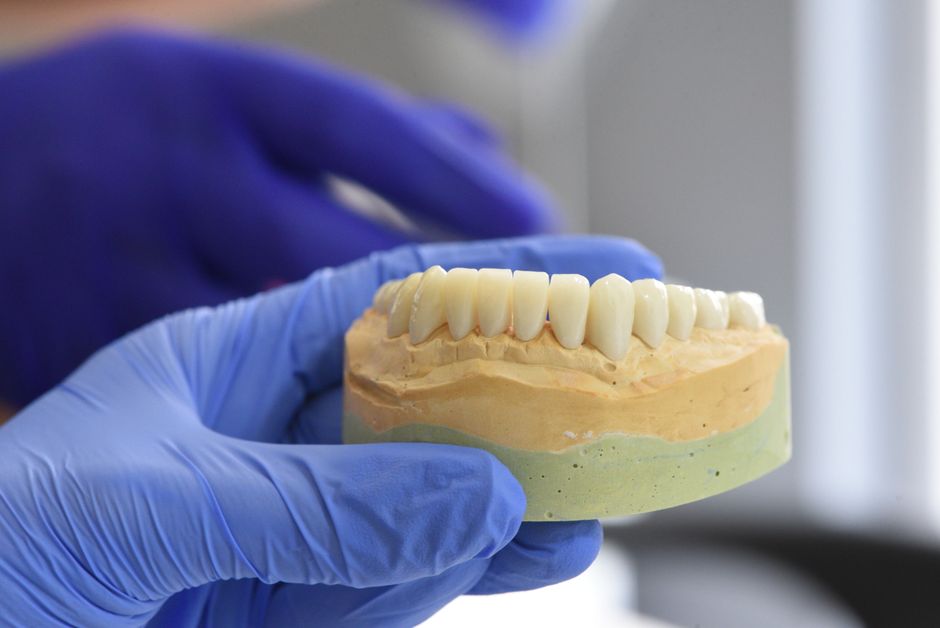
A single-tooth implant in Korea — titanium fixture, abutment, and ceramic crown — runs approximately KRW 900,000–1,800,000 per unit (roughly USD 660–1,320 at mid-2026 rates) at a mid-tier Seoul dental clinic.
University hospital dental departments (Yonsei University Dental Hospital, Seoul National University Dental Hospital) typically charge KRW 1,200,000–2,000,000 and offer the additional reassurance of academic oversight and formal records management.
By comparison, the same procedure runs USD 3,000–5,500 in the United States, AUD 4,500–7,000 in Australia, and £2,500–4,500 in the UK.
For a patient needing four implants — a common scenario for patients replacing a full quadrant — the Korean option can represent savings of USD 8,000–16,000 after flights and accommodation are included.
What drives Korean pricing down:
- Domestic production: Osstem and Dentium implants are priced for the Korean domestic market, not for export markups
- High clinic density in Seoul’s dental districts (Gangnam, Mapo, Jongno) drives competitive pricing
- Lower clinical labor costs per procedure relative to Western markets
- Korea’s National Health Insurance doesn’t cover foreigners, so international patient pricing is clinic-competitive, not insurance-negotiated
What to watch for: Quoted prices sometimes exclude CT scan diagnostics (KRW 80,000–150,000), temporary restorations, or bone graft procedures (KRW 400,000–900,000 additional if needed). Ask for an itemized treatment plan — Korean clinics with established international patient programs are accustomed to providing these in English.
The Procedure Timeline: Planning Around Osseointegration
The biggest logistical challenge for international dental implant patients is the osseointegration waiting period: the titanium fixture is placed into the jawbone, and the implant must fuse to the bone before the permanent crown is attached.
This typically takes 8–16 weeks, depending on bone density, the implant system used, and whether a bone graft was required.
This means dental implant treatment in Korea almost always requires two trips:
Trip 1 (3–5 days):
- CT scan and consultation (Day 1): Korean clinics use digital CBCT (cone-beam CT) scanning, which is faster and more detailed than traditional panoramic X-rays. The scan and treatment plan are typically completed in the same appointment.
- Fixture placement (Day 2–3): The titanium post is placed under local anesthetic. Recovery is 24–48 hours of mild soreness; most patients return to normal activity by Day 3.
- Temporary restoration fitted if required
- Depart: The implant site heals in Korea — you’re doing nothing at home that couldn’t happen anywhere
Between trips (8–16 weeks at home):
- Remote check-in at ~4 weeks (video call with the clinic’s international desk)
- The clinic monitors healing using photos you send
- Normal diet restrictions during osseointegration (no hard chewing on the implant side)
Trip 2 (2–3 days):
- Abutment placement and impression (Day 1)
- Crown fitting and bite adjustment (Day 2–3): Modern Korean dental labs (many operating with CAD/CAM digital milling) often complete permanent crowns within 24–48 hours — significantly faster than the 2-week dental lab turnaround typical in Western markets
- Final check and X-ray confirmation
Immediate-load implants (same-day): Some patients — particularly those with good bone density replacing a single tooth — qualify for immediate-load protocols where a provisional crown is placed the same day as the fixture.
This allows single-trip treatment but requires clinical assessment. Not all patients are candidates; a Korean clinic’s CT scan and consultation will determine eligibility on Day 1.
Accreditation and Quality Signals
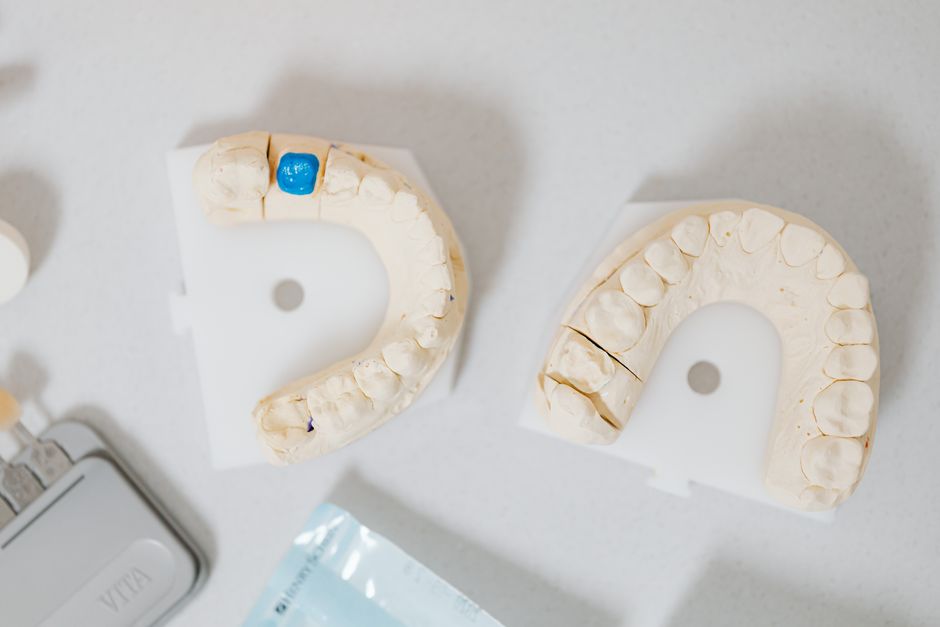
Korea regulates dental practice through the Korean Dental Association (KDA), which licenses all practicing dentists. For international patients, additional markers to look for:
KHIDI Medical Tourism Facilitator Accreditation: The Korea Health Industry Development Institute (KHIDI) certifies dental clinics that have demonstrated systems for international patient management — English-speaking staff, formal medical record translation, international billing. This is a more meaningful accreditation signal than clinic-produced marketing materials.
JCI for dental clinics: The Joint Commission International (JCI) accreditation, common in hospital settings, is rare among Korean dental clinics because most are private practices rather than hospital departments. Its absence doesn’t indicate lower quality for dental work specifically.
University hospital dental departments: Yonsei University Dental Hospital (Sinchon campus) and Seoul National University Dental Hospital (Yeongeon campus) are peer-reviewed academic institutions with documented treatment protocols.
They charge more than private clinics but are appropriate for complex cases: full-arch reconstruction, implants concurrent with jaw surgery, or patients with compromised bone who’ve had implants fail elsewhere.
Red flags: Clinics quoting implant prices below KRW 600,000 per unit may be substituting no-name implant systems or cutting the zirconia crown for a cheaper acrylic temporary.
The hardware cost alone for a premium implant fixture is approximately KRW 200,000–400,000 wholesale — a quote that leaves no room for clinical overhead should be questioned.
Logistics: What International Patients Often Miss
Medication and post-op prescription: After fixture placement, clinics prescribe antibiotics (typically amoxicillin or clindamycin) and NSAIDs for 3–5 days.
Korean pharmacies can fill prescriptions on-site; many dental clinics in international-patient districts have pharmacy access in the same building. If you’re allergic to penicillin, state this clearly at consultation — Korean dentists are experienced with clindamycin protocols but need to know upfront.
Travel insurance and dental coverage: Standard travel insurance typically excludes dental treatment. If you’re traveling for dental care specifically, look for travel policies that cover dental complications, or confirm your clinic’s policy on retreatment if a crown fails within a defined period.
Some Korean clinics with established international programs offer a 1–5 year warranty on crown work with remote monitoring included.
The CT scan question: If your home dentist has done a recent panoramic X-ray, bring a copy — but expect the Korean clinic to do their own CBCT scan regardless.
The CBCT gives three-dimensional bone density data that a panoramic can’t provide and is necessary for implant placement planning. The KRW 80,000–150,000 fee is standard and worth it.
Timing around flights: Most oral surgeons recommend not flying for 24–48 hours after implant fixture placement (altitude pressure changes are a minor concern, though evidence is thin).
In practice, most patients fly home 48–72 hours after placement with no issues. For bone graft procedures, a 72-hour delay before flying is a more common recommendation.
Korean language barrier: Major dental clinics in Gangnam and Mapo have English-language coordinators. For patients from French, Arabic, or Portuguese-speaking markets, ask explicitly before booking — English proficiency varies by clinic. Ask each clinic directly which languages its staff speak.
Is It Worth the Trip?
For patients needing a single implant, the math is marginal once flights and accommodation are factored in. The calculus improves significantly for patients needing:
- Multiple implants (3+): Savings typically exceed travel costs at 3+ units
- Full-arch reconstruction or All-on-4/6: Korea is highly competitive for full-arch cases, where Korean pricing can be 50–60% below Western rates for the same Straumann or Osstem hardware
- Complex cases requiring bone grafts or sinus lifts: Korean university hospital dental departments handle these routinely; wait times for complex cases are shorter than in many Western health systems
The most common profile for Korean dental medical tourists: a patient in their 40s–60s, based in the Middle East, Africa, or Southeast Asia, who needs multiple implants and whose home country either lacks the clinical infrastructure or prices the same procedure at Western-equivalent rates despite lower incomes.
All price ranges are approximate for 2026 and should be confirmed with clinic consultations. KmedTour does not guarantee dental treatment outcomes. For complex cases, remote consultation with a Korean clinic before traveling is strongly recommended.