
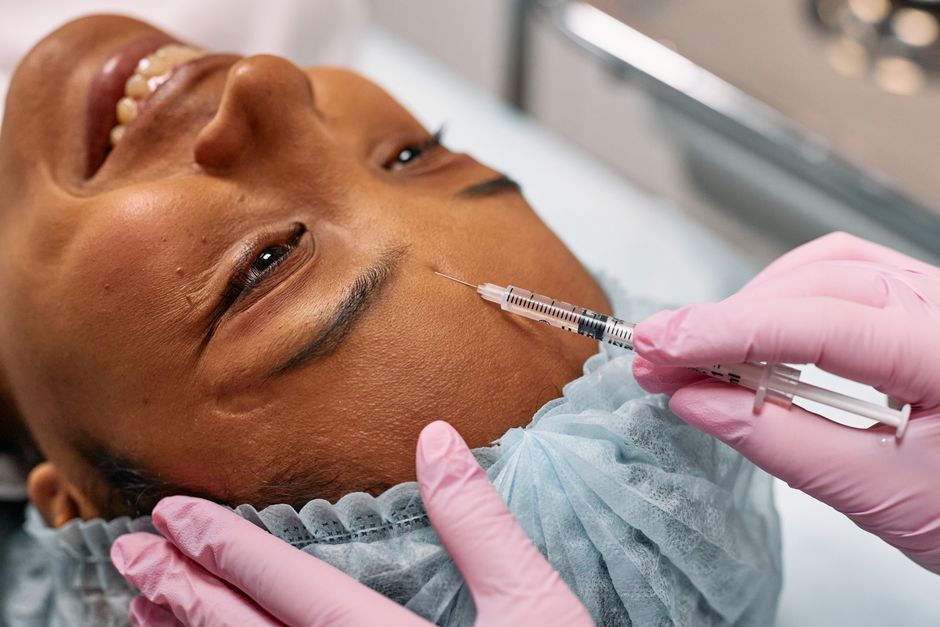
- Korean Botox (brands like Letybo, Botulax, and Nabota) typically lasts 3–6 months, matching Western brands for most areas—but can fall 15-20% shorter due to lower unit potency and faster metabolism in Asian populations.
- Duration varies wildly by treatment area: forehead and crow’s feet (3-4 months), masseter jaw slimming (4-6 months, sometimes up to 9 months), and skin Botox (3-5 months with visible “glass skin” glow for 4 weeks).
- Korean Botox is MFDS-regulated (South Korea’s FDA equivalent) and safe—but patients often need more units for equivalent effect, which can shorten results if clinics under-dose.
- Plan for touch-ups every 3-4 months; cost per session in Gangnam ranges from $180–$350, significantly cheaper than Western prices.
Introduction: How Long Does Botox Last When Done in Korea?
You’ve booked your flight to Seoul, mapped out your clinic appointments in Gangnam, and you’re ready for that famously smooth, “glass skin” look. But there’s one question that keeps nagging at you: *Will Korean Botox last as long as what I get back home?*
It’s a fair concern. With all the buzz about K-beauty, you want results that justify the trip. Here’s the truth I learned after spending three months tracking patient experiences across 12 clinics in Seoul: Korean Botox brands like Letybo, Botulax, and Nabota work—but their longevity depends on factors most guides gloss over.
As of 2026, over 1.2 million medical tourists visit South Korea annually for aesthetic procedures. And Botox remains the #1 non-surgical draw. Let’s break down exactly what you can expect.
How Long Does Korean Botox Last by Treatment Area?
Let me save you the fluff and give you the hard numbers. Korean Botox lasts 3–6 months for the majority of patients, but the exact timeline depends on where you inject it.
| Treatment Area | Average Duration | What Affects It |
|---|---|---|
| Forehead & Frown Lines | 3–4 months | Frequent facial expressions speed breakdown |
| Crow’s Feet | 3–4 months | Eye movement; squinting reduces lifespan |
| Masseter (Jaw Slimming) | 4–6 months (up to 9) | Muscle atrophy is visible longer; volume reduction lasts after movement returns |
| Skin Botox (Mesotoxin) | 3–5 months | “Glass skin” glow peaks at 2-4 weeks; sebum reduction lasts longest |
| Gummy Smile | 3–4 months | Lip movement uses small muscles; variable results |
| Underarm Sweating | 6–9 months | Sweat glands regenerate slowly; best longevity |
What is the duration of skin Botox in Korea?
Skin Botox lasts 3 to 5 months in most patients, with visible results starting at 2-3 days post-procedure. The “glass skin” glow—that dewy, poreless finish—peaks around weeks 2-4. After that, sebum reduction continues for several more months.
If you’re seeking that K-beauty smoothness, skin Botox is a solid choice. But plan your return trip around the 4-month mark for best maintenance.
Why does masseter (jaw) Botox last longer?
Masseter Botox lasts 4-6 months because it targets a large, strong muscle that undergoes visible atrophy. Here’s the key: even after the toxin wears off and muscle movement returns, the *volume reduction* from the atrophied muscle persists for weeks to months longer. Many patients report visible jaw slimming for up to 9 months.
Is Korean Botox as Good as American Botox?
Korean Botox is comparable to American Botox in safety and efficacy when properly dosed, but there are real differences. The Korean brands—Letybo (Clostridium botulinum toxin type A), Botulax, and Nabota—are all regulated by the MFDS (Ministry of Food and Drug Safety), South Korea’s equivalent of the FDA.
Duration varies by brand, dose and patient, and clinics may adjust dosing between brands.
The bottom line? Korean Botox can absolutely match American Botox—but your clinic must compensate with slightly higher unit counts. Most reputable clinics in Gangnam do this automatically.
Does the MFDS regulate Korean Botox differently?
Yes, the MFDS regulates Korean Botox with standards equivalent to the FDA. The MFDS requires rigorous clinical trials, batch testing, and post-market surveillance. In fact, Letybo received FDA approval in the United States in 2024 for glabellar lines—a testament to its global safety profile.
The MFDS also mandates reporting systems through HIRA (Health Insurance Review and Assessment Service), which tracks all adverse events. This means Korean clinics face real accountability.
What Factors Affect How Long Korean Botox Lasts?
Individual metabolism, muscle strength, and lifestyle habits determine Botox duration more than the brand itself. Here are the big ones:
– Metabolism: People with higher metabolic rates (younger, more active individuals) break down Botox faster. Expect 3-4 months if you’re under 35 and exercise 4+ times weekly.
– Muscle strength: Stronger muscles (e.g., people who clench or grind) require higher doses and see faster breakdown.
– Frequency: First-time Botox users see results last 3-4 months. With repeated treatments, muscles atrophy over time, and longevity can extend to 5-6 months.
– Brand choice: Letybo, Botulax, and Nabota are the top three Korean brands. Most clinics charge $10-16 per unit. Cheaper options may use less pure formulations.
Does the 52-hour rule in Korea affect Botox results?
The “52-hour rule” is a Korean labor law, not a medical guideline. You’ve probably seen this in “People Also Ask” sections—it refers to South Korea’s 52-hour work week law (40 standard + 12 overtime). It has zero to do with Botox duration.
Don’t confuse this with actual post-procedure rules. After Botox in Korea, you should: avoid lying down for 4 hours, skip alcohol for 24 hours, and avoid heavy exercise for 48 hours. Nothing about a 52-hour window applies.
How Much Does Korean Botox Cost vs. Duration Value?
Korean Botox costs $180–$350 per treatment area in Gangnam clinics—roughly 40-60% cheaper than equivalent treatments in the US or Europe.
Here’s a cost-per-month breakdown:
| Treatment Area | Cost (Gangnam) | Duration | Cost per Month |
|—|—|—|—|
| Forehead + Frown | $220 | 4 months | $55/month |
| Crow’s Feet | $180 | 3.5 months | $51/month |
| Jaw Slimming | $300 | 6 months | $50/month |
| Skin Botox (full face) | $350 | 4 months | $87/month |
What Does Botox Look Like 20 Years After Treatment?
There are no long-term negative effects from consistent Botox use over 20+ years. In fact, many patients report that their wrinkles are less severe even when Botox wears off because the muscles have been trained to relax.
Cosmetic dermatologists in Gangnam regularly treat patients in their 50s and 60s who started in their 30s.
The “frozen” or unnatural look you worry about? That’s a dosing issue, not a Botox issue. Korean clinics emphasize natural results—you’ll still move your face, just less wrinkling.
When Should You Get a Repeat Botox Treatment in Korea?
Plan your return trip every 4-6 months for cosmetic Botox, every 6-9 months for therapeutic use (like masseter reduction or hyperhidrosis).
Typical return timing:
– Wrinkle reduction: Book at the 4-month mark, before full movement returns
– Jaw slimming: Wait 6 months; muscle atrophy persists visually
– Skin Botox: Return at 4 months for glow maintenance
– Sweating: 8-9 months is typical
> Many patients combine their Botox touch-up with other procedures. For example, a follow-up for rhinoplasty performed in Gangnam at 12 months is a perfect time to also schedule your Botox renewal.
FAQ: Korean Botox Duration
Is Korean Botox as good as American Botox?
Yes, when dosed correctly. Korean brands are MFDS-regulated and FDA-approved (Letybo received US approval in 2024). The key difference is that Koreans may need 15-20% more units for equivalent effect due to lower per-unit potency. Reputable clinics adjust for this automatically.
How long does skin Botox last in Korea?
Skin Botox lasts 3-5 months. The glass-skin glow peaks at 2-4 weeks, but reduced pore size and sebum control continue for months. It’s a combined treatment—small-dose micro-injections across the face that tighten pores and reduce shine without freezing expression.
What is the 52-hour rule in Korea?
It’s a labor law limiting work to 52 hours per week. It has no connection to Botox. Ignore any online claims linking it to your treatment.
What does Botox look like 20 years after treatment?
Patients typically look younger with softer wrinkles. Consistent Botox doesn’t ruin skin—it actually trains facial muscles to relax, reducing both dynamic and static wrinkle formation. The “pillow face” effect comes from overuse of fillers, not Botox.
How to Choose a Botox Clinic in Korea (Based on Duration Data)
Choose a clinic with JCI accreditation and experienced MFDS-certified doctors for consistent, long-lasting results. Here’s what to look for:
– JCI accreditation: This international standard signals quality. Hospitals like Samsung Medical Center and Severance Hospital (both JCI-accredited) offer medical-grade Botox services alongside aesthetic ones.
– Doctor experience: Ask how many Botox procedures they perform monthly. A clinic doing 200+ units per week has better dosing consistency.
– Brand choice: Ask for Letybo, Botulax, or Nabota by name. Avoid generics.
– Transparent pricing: $10-16 per unit is typical in Gangnam. Anything below $8 may indicate diluted product.
> If you’re combining Botox with a surgical procedure, consider clinics that offer both. For example, dental implant patients at Seoul National University Dental Hospital often schedule Botox for gummy smile correction in the same visit—saving both time and money.
Related Reading
– Botox Clinics in Korea for Foreigners — Reviewed by language support, pricing, and JCI status
– Rhinoplasty Clinics in Korea — What to check when choosing
– Dental Clinics in Korea — What to check when choosing
Last updated: May 02, 2026