
- Skin rejuvenation: 3–5 sessions spaced 3–4 weeks apart (Pico, Fraxel, IPL)
- Melasma/pigmentation: 5–10 initial sessions at 1–2 week intervals, then quarterly maintenance
- Hair removal: 7 sessions for body, 8–12 for face (hormonal areas need more)
- HIFU/facelifts: 1 session every 6–12 months for maintenance
Landing at Incheon with a treatment plan already mapped feels exciting. But here’s the reality most medical tourism guides gloss over: the number of sessions you need varies wildly based on your skin biology, not just the clinic’s reputation.
After helping hundreds of patients navigate Seoul’s dermatology district, I’ve learned that session count determines whether you’re booking a long weekend or a six-week sabbatical.
Korean dermatology isn’t just about HIFU treatments or injectables. As of 2026, laser procedures account for 68% of non-surgical cosmetic treatments among foreign patients in Gangnam. The difference between a successful trip and a disappointing one? Knowing exactly how many times you’ll need to lie on that treatment bed.
| Laser Type | Sessions Needed | Spacing | Session Duration |
|---|---|---|---|
| PicoSure / Pico Toning | 3–5 | 3–4 weeks | 15–20 min |
| Laser Toning (Melasma) | 5–10 initial | 1–2 weeks | 20–30 min |
| Fractional CO2 (Acne Scars) | 3–4 | 4–6 weeks | 30–45 min |
| Diode Hair Removal (Body) | 6–8 | 4–6 weeks | 20–60 min |
| HIFU / Ultherapy | 1 | 6–12 months | 60–90 min |
How many laser sessions will you actually need in Seoul?
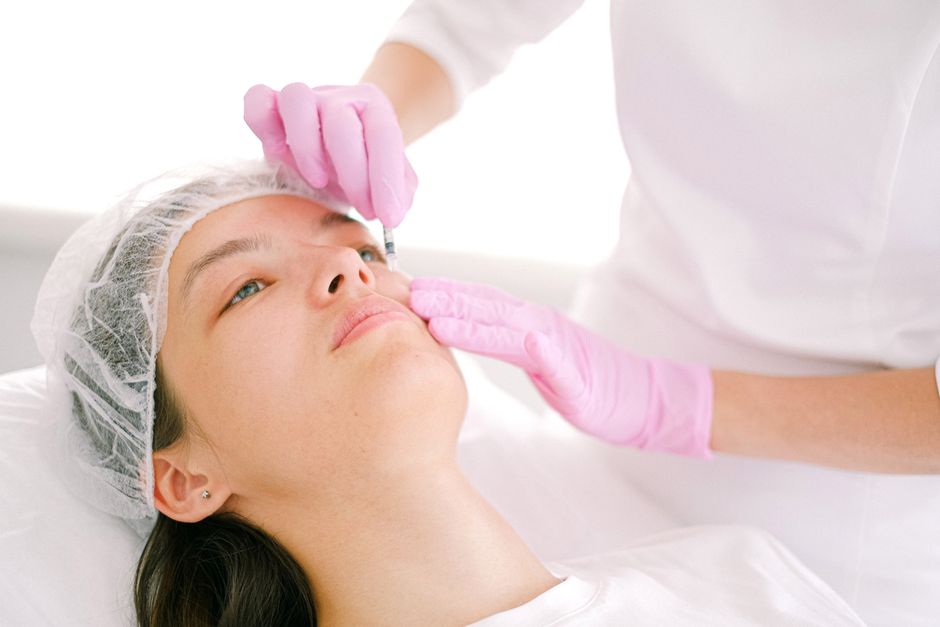
Most laser skin treatments in Korea require 3 to 5 sessions spaced 3 to 4 weeks apart for optimal results. Melasma and deep pigmentation protocols differ significantly, requiring 5 to 10 initial sessions at 1 to 2 week intervals.
This range frustrates travelers who want definitive answers. Your specific count depends on Fitzpatrick skin type, sun exposure history, and whether you’re treating active acne, sun damage, or hormonal pigmentation. Korean clinics typically front-load diagnostic sessions, using visia imaging to determine your exact protocol before starting.
Does JCI accreditation change how many sessions Korean clinics recommend?
Yes. JCI-accredited facilities follow strict protocols that often reduce unnecessary sessions through precise pre-treatment diagnostics. While non-accredited clinics might suggest 8-10 sessions for revenue, JCI standards emphasize evidence-based endpoints.
JCI accredits hospital quality through rigorous standards that limit overtreatment. JCI accredits Samsung Medical Center and Severance Hospital, both known for conservative, dermatologist-led protocols. These facilities rarely perform “package deals” of 10+ sessions unless clinically indicated.
Why do JCI-accredited clinics use different session counts than commercial dermatology chains?
JCI-accredited clinics prioritize cumulative energy dosing over frequent visits. They might use higher-powered, MFDS-approved devices that deliver results in 3 sessions where weaker machines need 6.
This approach saves money long-term. However, JCI facilities often cost 30-40% more per session. For tourists with limited time, the efficiency gain usually justifies the premium.
How does MFDS regulation impact laser treatment safety and session planning?
MFDS (Ministry of Food and Drug Safety) regulates all medical lasers in Korea, mandating specific intervals between sessions to prevent thermal damage. These regulations directly affect how many sessions you can safely complete during a two-week trip.
MFDS regulates medical procedures and device wavelengths, ensuring clinics don’t overlap treatments dangerously. For example, MFDS regulations prohibit aggressive fractional lasers within 4 weeks of deep chemical peels. This protects patients but compresses your treatment timeline.
What is the 52 hour rule in Korea?
The 52-hour maximum work week rule limits how many appointments clinics can offer, especially at popular Gangnam locations. Introduced to prevent doctor burnout, this labor law means dermatologists book up 6-8 weeks in advance.
As of 2026, this regulation particularly affects English-speaking international clinics. If you’re planning rhinoplasty or complex combination treatments alongside lasers, book immediately. The 52-hour rule creates bottlenecks that catch short-term tourists off guard.
How do Korean clinics treat melasma compared to other pigmentation issues?
Korean dermatologists treat melasma with 5-10 gentle toning laser sessions spaced 1-2 weeks apart, avoiding the aggressive single-session approaches common elsewhere. This “slow and steady” philosophy prevents post-inflammatory hyperpigmentation (PIH) common in darker skin tones.
Melasma requires this extended protocol because it involves dermal-epermal junction disruption. Unlike sun spots that sit superficially, melasma pigment regenerates aggressively if treated too intensely. Korean protocols often combine 1064nm Q-switched lasers with oral tranexamic acid.
Why does melasma need more sessions than acne scar treatment?
Melasma requires gradual, low-energy treatments to prevent rebound pigmentation, whereas acne scars tolerate intensive fractional lasers in fewer sessions. Scar tissue doesn’t have the same hormonal triggers that reactivate melanin.
Acne scars respond well to high-energy CO2 fractionals—sometimes just 2-3 sessions. Melasma, conversely, might show initial improvement after 3 sessions but requires the full 5-10 to prevent recurrence.
Is $10,000 enough for a complete laser treatment course in Korea?
Yes. $10,000 covers comprehensive treatment plans including 5-10 laser sessions combined with HIFU or injectables, making it sufficient for most tourists. Single procedures like basic Pico toning run $150-$300 per session, meaning even premium protocols fit this budget.
This budget also accommodates combination therapies. Many patients pair their laser course with dental implants or other medical tourism procedures. The key is prioritizing session quality over quantity.
How does HIRA pricing transparency protect foreign patients?
HIRA (Health Insurance Review and Assessment Service) maintains standardized pricing databases that prevent clinics from charging tourists inflated rates for standard laser packages. Clinics must register their fees with HIRA, creating accountability.
However, HIRA doesn’t regulate cosmetic procedures as strictly as medically necessary ones. Always request a HIRA-registered price list versus “international patient” quotes. The difference can be 20-50%.
Can you treat ptosis or eye concerns with lasers instead of blepharoplasty?
Mild ptosis responds to non-ablative eyelid lasers in 3-4 sessions, while moderate-to-severe cases require surgical blepharoplasty for structural correction. Laser eyelid tightening works best on skin laxity, not muscle weakness.
Blepharoplasty corrects ptosis by tightening the levator muscle, whereas lasers only stimulate collagen in the skin envelope. If your eyelid covers the pupil, lasers won’t help. For early-stage hooding, 3-4 sessions of erbium laser can delay surgery by 2-3 years.
How does myopia affect laser treatments around the eyes?
Patients with myopia should inform practitioners, as certain periorbital laser wavelengths theoretically affect intraocular pressure, though modern shielding makes most skin lasers safe. Avoid direct laser application over the orbital bone if you have severe myopia with thin sclera.
Standard facial laser treatments remain safe for myopic patients when proper metal eye shields are used. The concern applies mainly to unshielded IPL devices or experimental “eye bag” lasers.
What’s the difference between laser eyelid lifting and double eyelid surgery?
Laser tightening addresses skin laxity and mild ptosis without incisions, while double eyelid surgery creates creases through surgical blepharoplasty. These treat different concerns entirely.
Double eyelid surgery is permanent structural change. Laser eyelid treatments require maintenance every 1-2 years. If you’re considering both, do the surgical procedure first, then heal for 3 months before starting laser skin treatments.
Is 7 sessions of laser hair removal enough for permanent reduction?
Seven sessions typically suffice for body areas like arms or legs, but facial hair often requires 8-12 sessions due to persistent hormonal stimulation. The face has more androgen-sensitive follicles that reactivate over time.
Korean clinics use 808nm or 755nm Alexandrite lasers for hair removal. These wavelengths work faster on coarse, dark hair. Fine facial hair or “peach fuzz” sometimes requires the full 12 sessions because the laser targets pigment, and vellus hair lacks sufficient melanin.
When should you see a doctor about changing your session protocol?
Contact your dermatologist immediately if you experience blistering, grid-pattern burns, or paradoxical darkening after sessions 1-3. These signs indicate incorrect settings for your skin type.
Stop treatments if you develop milia (white bumps) that persist beyond 10 days, or if hyperpigmentation worsens instead of improves after session 2. These indicate your skin isn’t tolerating the current protocol.
Frequently Asked Questions
Can you complete an entire laser course during a two-week Korea trip?
No. Most protocols require 3-4 week intervals between sessions. A two-week visit accommodates 1-2 sessions maximum, plus initial consultation. Plan for a return visit or find a clinic in your home country to complete the remaining sessions using the same machine specifications.
How do you maintain results if you can’t return to Korea for maintenance?
Request detailed treatment records including laser wavelength, energy settings (joules/cm²), and spot size. Bring these to your local dermatologist. Many Korean clinics use standard devices like the Candela GentleMax or Cutera Excel V, which dermatologists worldwide operate.
Does recovery from rhinoplasty or dental work interfere with laser timing?
Wait 4-6 weeks after rhinoplasty or dental implant surgery before facial lasers. The immune system prioritizes surgical healing, making laser-associated inflammation riskier. However, body hair removal or leg treatments remain safe immediately after facial procedures.
Why do some clinics offer unlimited session packages?
Unlimited packages typically use underpowered devices that require 15-20 sessions for results equivalent to 5 sessions at premium clinics. These “membership” models suit locals with unlimited time, not tourists. Calculate cost-per-result rather than session count.
Related Reading
- HIFU Treatment Clinics in Korea — What to check when choosing
- Rhinoplasty Clinics in Korea — What to check when choosing
- Dental Clinics in Korea — What to check when choosing
Last updated: May 01, 2026