
“`html
- Laser toning in Korea costs ₩50,000 – ₩150,000 per session; Pico laser runs ₩100,000 – ₩800,000 per session. You need 3–5 sessions.
- A full melasma treatment plan (laser + peels + prescription) averages ₩500,000 – ₩2,500,000 total. Package deals cut per-session costs by 30–50%.
- MFDS (Ministry of Food and Drug Safety) regulates all laser devices used in Korean clinics — this matters for safety. JCI-accredited hospitals like Samsung Medical Center offer the highest standard of care.
- Korean clinics are 50–70% cheaper than equivalent treatment in the US, UK, or Australia, even after factoring in travel costs.
You’ve watched the dark patches spread across your cheeks for months. You’ve tried every brightening serum at Sephora. Nothing works. Now you’re wondering if Korea — the world capital of advanced skincare — can finally give you clear skin without emptying your bank account.
Here’s the truth most guides won’t tell you: the price on the clinic website is never the full story.
This guide gives a street-level breakdown of what melasma treatment really costs.
Whether you’re planning a medical tourism trip or just curious about Korea’s pricing, this guide covers every cost — laser, peels, prescriptions, consultations — so you can budget with confidence.
What is the real cost of melasma treatment in Korea?
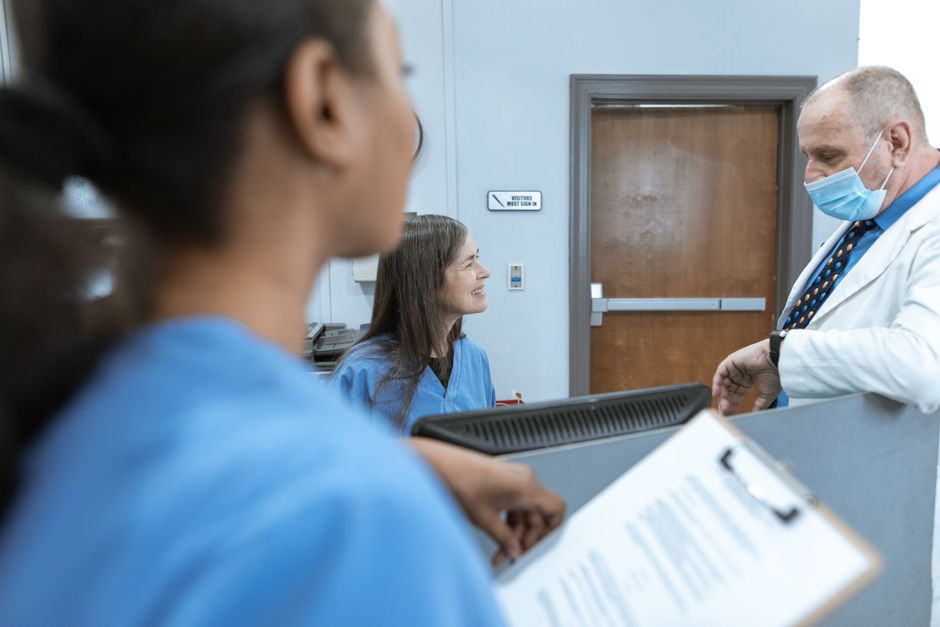
The real cost depends on three factors: treatment type, clinic location, and whether you buy a package. A single laser toning session at a Gangnam clinic might cost ₩150,000 ($110), but the same treatment at a local dermatology clinic in Yongin could be ₩50,000 ($37).
Most foreigners pay inflated prices at tourist-facing clinics. That’s the mistake I want you to avoid.
Here’s the realistic range for a complete treatment plan (3–5 sessions + topical prescriptions + follow-up):
| Treatment Component | Per Session (KRW) | Per Session (USD) | Package Deal (5 sessions) |
|---|---|---|---|
| Q-Switched Laser Toning | ₩50,000 – ₩150,000 | $37 – $110 | ₩200,000 – ₩500,000 |
| Pico Laser | ₩100,000 – ₩800,000 | $75 – $590 | ₩400,000 – ₩2,500,000 |
| Microneedling RF | ₩400,000 – ₩800,000 | $295 – $590 | ₩1,600,000 – ₩3,200,000 |
| Chemical Peel (medium-depth) | ₩100,000 – ₩250,000 | $74 – $184 | ₩400,000 – ₩800,000 |
| Consultation Fee | ₩20,000 – ₩50,000 | $15 – $37 | Often waived with treatment |
How much does each type of melasma treatment cost in Korea?
Each treatment targets melasma differently, and the costs reflect the technology and expertise involved. Here’s the breakdown you need to compare options side by side.
What does Pico laser cost for melasma in Korea?
Pico laser costs ₩100,000 – ₩800,000 per session, with the average landing around ₩300,000. Pico devices (like Picoway or Picosure) deliver ultra-short pulses that shatter pigment with less heat damage than older lasers. That makes them safer for melasma-prone skin, which is often reactive.
At melasma clinics in Seoul, expect to pay ₩300,000 – ₩500,000 per session. At smaller clinics outside Gangnam, prices drop to ₩150,000 – ₩250,000.
What does Q-switched laser toning cost?
Q-switched laser toning is the most affordable laser option at ₩50,000 – ₩150,000 per session. This is the “entry-level” melasma laser that most Korean dermatologists start with. It uses low-fluence energy to gently lighten pigment over multiple sessions.
Most patients see visible improvement over a course of sessions. The trade-off? You need more sessions than Pico.
What does Microneedling RF cost for melasma?
Microneedling RF costs ₩400,000 – ₩800,000 per session, making it the priciest option. This treatment uses fine needles to deliver radiofrequency energy deep into the dermis, targeting both pigment and skin texture. It’s often reserved for stubborn melasma that hasn’t responded to lasers.
Most clinics recommend 2–3 sessions spaced 4 weeks apart.
What do chemical peels cost for melasma?
Medium-depth chemical peels cost ₩100,000 – ₩250,000 per session. Korean clinics commonly use Jessner, TCA, or glycolic acid peels at varying depths. A single peel won’t fix melasma — but a series of 3–6 peels combined with laser treatment is the gold standard approach recommended by Korean dermatologists.
How do Koreans deal with melasma?
Koreans treat melasma with a multi-pronged approach that combines in-clinic treatments, prescription topicals, and strict sun protection. Unlike the Western approach that often starts with over-the-counter creams, Korean dermatologists jump straight to medical-grade interventions.
Here’s the typical Korean protocol:
Step 1: In-Clinic Laser Toning — 5–10 sessions of Q-switched or Pico laser spaced 2–3 weeks apart. This is the foundation.
Step 2: Prescription Topicals — Hydroquinone 4% (tranexamic acid is also common) combined with tretinoin and a mild corticosteroid. This “triple cream” is compounded at the clinic pharmacy.
Step 3: Strict Sun Protection — Korean patients use SPF 50+ PA++++ every single day, indoors included. This is non-negotiable.
Step 4: Maintenance — Once melasma fades, patients return for “touch-up” laser sessions every 3–6 months. Cost: around ₩50,000 – ₩100,000 per maintenance session.
How does MFDS regulation affect melasma treatment quality?
The MFDS (Ministry of Food and Drug Safety) regulates all medical devices and pharmaceuticals used in Korean clinics — and this directly impacts your treatment safety. Every laser device used for melasma treatment must pass MFDS approval before it can be marketed or used in clinical settings.
This matters because not all lasers are created equal. MFDS-approved devices like Picoway (Candela) and Lutronic’s Spectra have undergone rigorous safety testing for Korean skin types. Clinics using unapproved devices are rare but do exist — especially in unregulated tourist zones.
Before booking, ask two questions:
- “Is your laser device MFDS-approved?”
- “What is the device model name and manufacturer?”
Reputable clinics will answer immediately. If they hesitate, walk away.
Beyond devices, the MFDS also regulates prescription topicals like hydroquinone and tranexamic acid. In Korea, hydroquinone 4% is available only by prescription — not over the counter. This ensures you’re getting pharmaceutical-grade treatment, not a watered-down cosmetic product.
Does JCI accreditation matter when choosing a melasma clinic in Korea?
JCI (Joint Commission International) accreditation signals that a hospital meets global standards for patient safety and care quality. For melasma treatment, JCI accreditation matters most if you have complex medical history, are combining multiple procedures, or simply want the highest safety benchmark.
JCI accredits Samsung Medical Center and JCI accredits Severance Hospital — both are top-tier institutions in Seoul with dedicated dermatology departments. Treatment at these hospitals costs 20–40% more than standalone clinics, but the safety infrastructure is world-class.
That said, most standalone dermatology clinics in Gangnam are not JCI-accredited — and that’s fine. JCI is designed for multi-specialty hospitals, not single-specialty clinics. The key is to verify that the clinic follows basic safety protocols (sterilization, board-certified dermatologists, MFDS-approved devices) rather than chasing JCI accreditation alone.
How does HIRA data help you compare melasma treatment costs?
HIRA (Health Insurance Review and Assessment Service) publishes data on medical procedure costs across Korean hospitals — and you can use it to spot overcharging. While melasma laser treatment is typically not covered by national health insurance (it’s considered cosmetic), HIRA data still reveals the average “reasonable” price range for each procedure.
Compare several clinics’ quotes for the same laser toning session rather than relying on a single price. If a clinic quotes you ₩300,000 for the same treatment, you’re paying a 150% premium.
Here’s how to use HIRA data in practice:
- Step 1: Visit the HIRA website (hira.or.kr) and use their “medical cost search” tool
- Step 2: Search for “색소레이저” (pigment laser) to see the average price
- Step 3: Use this number as a negotiation baseline when discussing packages
Note that HIRA data covers Korean residents, not foreigners. Clinics often charge foreign patients 20–50% more — this is where knowing the HIRA baseline gives you use.
Can you combine melasma treatment with myopia or ptosis correction?
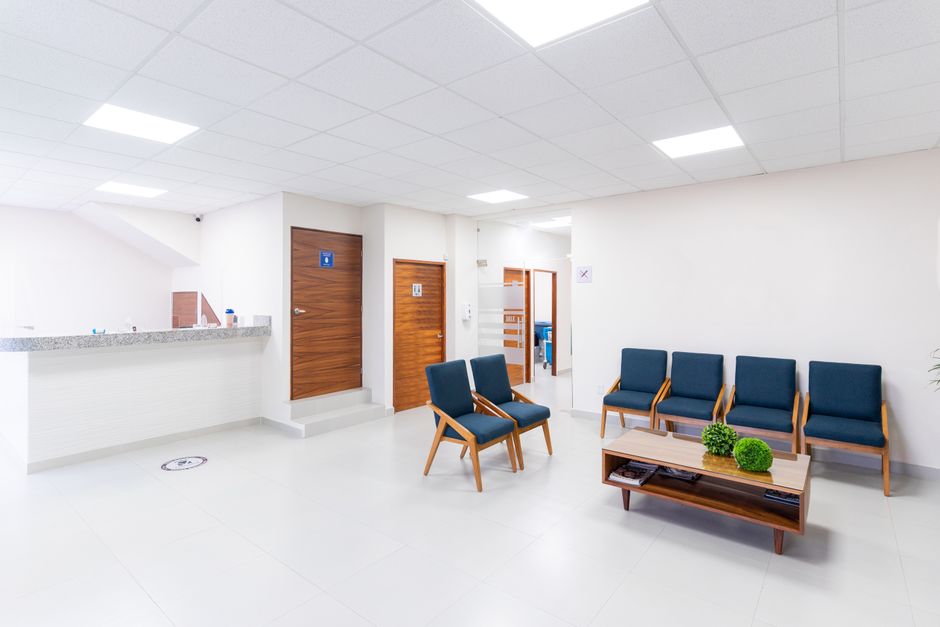
Yes — many medical tourists combine melasma treatment with other procedures to maximize their trip, and Korea’s multi-specialty clinics make this easy. Two of the most common combinations are myopia correction (LASIK or SMILE) and ptosis correction (blepharoplasty).
Here’s why this matters for your budget: bundling procedures saves money. If you’re flying to Korea anyway, adding additional treatments reduces your per-procedure travel cost significantly.
Can I get melasma treatment and myopia correction in the same trip?
Absolutely. Myopia correction (LASIK or SMILE) takes 30 minutes and requires 2–3 days of recovery before you can fly home. Myopia correction at JCI-accredited hospitals like Samsung Medical Center costs ₩2,500,000 – ₩4,000,000 per eye — but you can schedule it on day one of your trip and do your melasma laser sessions on days 3, 5, and 7.
The key is recovery timing. LASIK requires you to avoid rubbing your eyes for 2 weeks, but facial treatments are fine after 24 hours. Plan your schedule so LASIK comes first, then start melasma lasers 2–3 days later.
Can I combine melasma treatment with ptosis correction?
Yes, and this is a very common combination. Ptosis (drooping eyelid) is often corrected via blepharoplasty, which is one of Korea’s most performed procedures. Blepharoplasty corrects ptosis by tightening the levator muscle — and it’s frequently done alongside double eyelid surgery for a more dramatic result.
Recovery from ptosis correction takes 1–2 weeks for visible swelling to subside. You can still undergo melasma laser treatment during this period — just inform your ophthalmologist and dermatologist about both procedures so they coordinate your care.
Clinics that offer both dermatology and ophthalmology under one roof (like JCI-accredited hospitals) make this coordination smooth.
Which Korean product is best for melasma treatment?
The best Korean product for melasma isn’t a single item — it’s a prescription-strength combination of hydroquinone 4%, tretinoin, and tranexamic acid. This “triple cream” is compounded at the clinic pharmacy and costs ₩30,000 – ₩60,000 ($22 – $44) per month.
Over-the-counter Korean beauty products like Missha Time Revolution First Treatment Essence or CosRX Snail Mucin are popular for brightening, but they cannot treat melasma on their own. They’re maintenance products — not treatment products.
The one OTC product that Korean dermatologists actually recommend: Isntree Hyaluronic Acid Sun Gel SPF 50+ PA++++. Sun protection is the single most important factor in melasma prevention, and Korean sunscreens are world-class.
When should you consider a professional consultation for melasma?
If your melasma has persisted longer than 6 months despite consistent home care, it’s time for a professional consultation. Self-treatment with OTC products only takes you so far. Melasma is a medical condition — not a skincare concern.
Signs you need to see a dermatologist:
- Dark patches that are growing or changing shape
- Melasma that appears during pregnancy or while on birth control
- You’ve tried 3+ OTC brightening products with zero improvement
- You have a family history of skin cancer (melasma can mask underlying issues)
How much does it cost to get rid of melasma completely?
This is the question everyone wants answered — and the honest answer is: melasma is rarely “cured” forever. It’s a chronic condition that requires ongoing management. However, you can achieve 80–90% clearance with a proper treatment plan.
Total cost for a full melasma clearance plan in Korea:
- Initial consultation + diagnosis: ₩20,000 – ₩50,000
- Laser package (5 sessions Pico toning): ₩690,000 – ₩1,500,000
- Chemical peels (3 sessions): ₩300,000 – ₩750,000
- Prescription topicals (3 months): ₩90,000 – ₩180,000
- Medical-grade sunscreen + skincare: ₩60,000 – ₩120,000
- Total estimated range: ₩1,160,000 – ₩2,600,000 ($860 – $1,920)
Compared to the US, where a single Pico laser session costs $500–$1,000, Korea offers roughly 60–70% savings. Even after adding ₩500,000 – ₩1,000,000 for flights and accommodation, you still come out ahead financially.
Frequently Asked Questions
How do Koreans deal with melasma daily?
Koreans manage melasma with three non-negotiables: morning sunscreen (SPF 50+ PA++++ every single day), prescription triple cream at night, and monthly in-clinic laser toning sessions for the first 3–6 months. After that, maintenance is every 3–6 months.
How much does pigmentation treatment cost in Korea?
Pigmentation treatment costs ₩70,000 – ₩250,000 per session for laser toning, depending on the clinic and area being treated. A complete pigmentation plan (5 sessions + topicals) runs ₩500,000 – ₩1,500,000 total. Package deals bring the per-session cost down significantly.
Can I get melasma treatment covered by Korean health insurance?
No — melasma treatment is classified as cosmetic and is not covered by Korea’s national health insurance. However, the consultation fee with a board-certified dermatologist may be partially covered at hospitals that accept NHIS. The laser treatment itself is always out-of-pocket.
Is it safe to fly home immediately after melasma laser treatment?
Yes — you can fly home the same day as your laser session. There’s no downtime with Q-switched or Pico toning. You’ll have mild redness for 2–4 hours, but it fades before you reach the airport. Just wear a high-SPF sunscreen and a wide-brimmed hat on the flight.
How many sessions of Pico laser do I need for melasma?
Most patients need 4–6 Pico laser sessions spaced 3–4 weeks apart for 70–90% clearance. This aligns with data from Korea Clinic Guide (2026), which reports that the average patient achieves optimal results after 5 sessions.
Related Reading
- Melasma Treatment Clinics in Seoul — What to check when choosing
- HIFU Treatment Clinics in Korea
- Rhinoplasty Clinics in Korea
Last updated: May 02, 2026
“`