
Quick Answer: What Is Skin Booster Treatment in Korea?
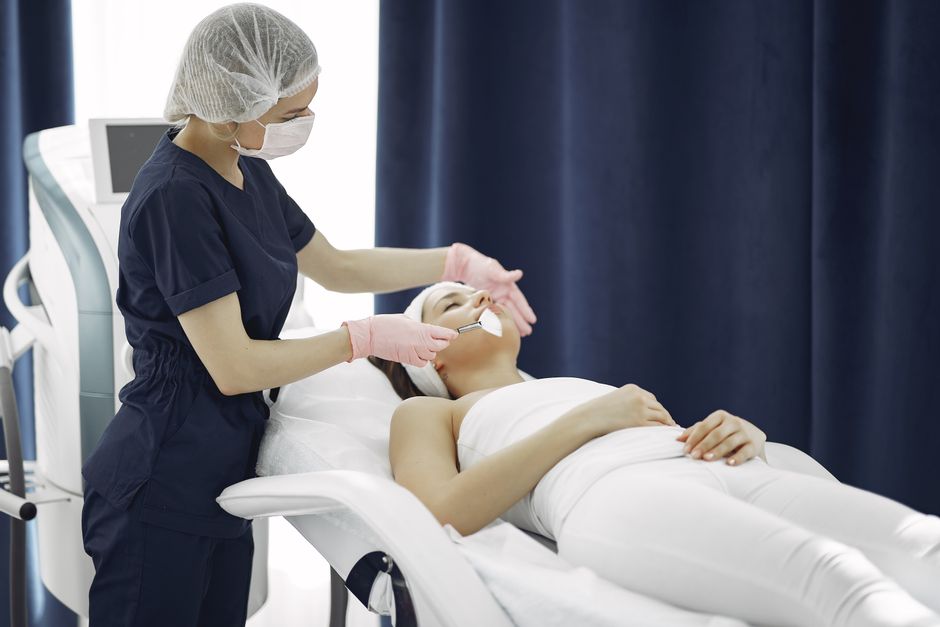
- Skin booster treatment in Korea injects hyaluronic acid (HA) or regenerative ingredients like polynucleotides (PN) directly into your dermis to hydrate, plump, and improve skin texture.
- Popular brands include Juvederm, Rejuran (salmon DNA), Juvelook (HA + PDLA), and SkinVive — each targeting different needs (hydration, elasticity, glow).
- Sessions cost ₩100,000–₩300,000 per treatment (roughly $75–$230 USD), and a full course of 3–6 sessions is recommended for lasting results.
- Korean clinics are highly regulated by MFDS and often JCI-accredited, making them a trusted destination for these injections.
How Does a Korean Skin Booster Differ from Fillers or Botox?
The first thing you need to understand: skin boosters aren’t fillers, and they aren’t Botox. Fillers add volume to specific areas (like nasolabial folds or lips).
Botox relaxes muscles to smooth wrinkles. Skin boosters, on the other hand, work at a superficial to mid-dermal level to improve overall skin quality.
Think of it this way: fillers fix structural deficits; skin boosters fix texture, hydration, and glow. In Korea, clinics use micro-injections of biocompatible substances — primarily hyaluronic acid and polynucleotides — to stimulate your skin’s natural repair mechanisms.
What Does a Korean Skin Booster Do for Your Skin?
A Korean skin booster deeply hydrates, improves elasticity, reduces fine lines, and gives you that luminous, dewy glow that Korean beauty trends are famous for. The effect is cumulative. Most patients see noticeable improvement after 2–3 sessions, with full results after 4–6.
How does a skin booster improve hydration?
Hyaluronic acid (HA) can hold up to 1,000 times its weight in water. When injected into the dermis, it draws moisture from the surrounding tissue and binds it there.
Unlike a hydrating serum applied topically, the HA stays put for months. Skin hydration typically improves after a full course of HA-based boosters.
Can skin boosters actually reverse aging signs?
Yes, especially when they contain regenerative ingredients. Rejuran uses polynucleotides (PN) extracted from salmon DNA. PN stimulates fibroblast activity, which boosts collagen and elastin production.
Over 3–6 months, you’ll see firmer, smoother skin. Juvelook combines HA with poly-D-lactic acid (PDLA), a collagen stimulator that works even deeper — ideal for fine lines around the eyes and mouth.
How Much Does Skin Booster Cost in Korea?
Prices vary by brand, clinic, and location, but here’s what you can expect as of 2026:
| Brand | Average Price per Session (₩) | USD Equivalent |
|---|---|---|
| Rejuran (Healer) | ₩200,000–₩300,000 | $150–$230 |
| Juvelook | ₩150,000–₩250,000 | $115–$190 |
| SkinVive | ₩180,000–₩260,000 | $135–$200 |
| Juvederm Volite | ₩200,000–₩280,000 | $150–$215 |
But here’s the catch: most clinics recommend a package of 3–6 sessions for the best results. A typical package for Rejuran might run ₩800,000–₩1,200,000 ($600–$900) — still significantly cheaper than in the US or Europe, where a single session can cost $400–$600.
Are Skin Boosters Really Worth the Investment?
Yes — if you’re realistic about what they can and can’t do. Skin boosters are not a one-time fix. They require commitment. But for patients with dehydration, fine lines, and dullness, the results can be transformative.
What do real patients say about their results?
Most patients report noticeably better skin texture after a course of about four sessions, with the effect fading over the following months unless it is maintained. The most common complaint? Mild swelling for 24–48 hours — but that’s normal.
Who should NOT get a skin booster?
Avoid if you have active skin infections, severe allergies to hyaluronic acid (rare), or are pregnant/breastfeeding. Also, if you’re expecting major wrinkle correction or volume restoration, you’ll need fillers or thread lifts instead. Skin boosters enhance, they don’t reconstruct.
How Does the Procedure Work in Korean Clinics?
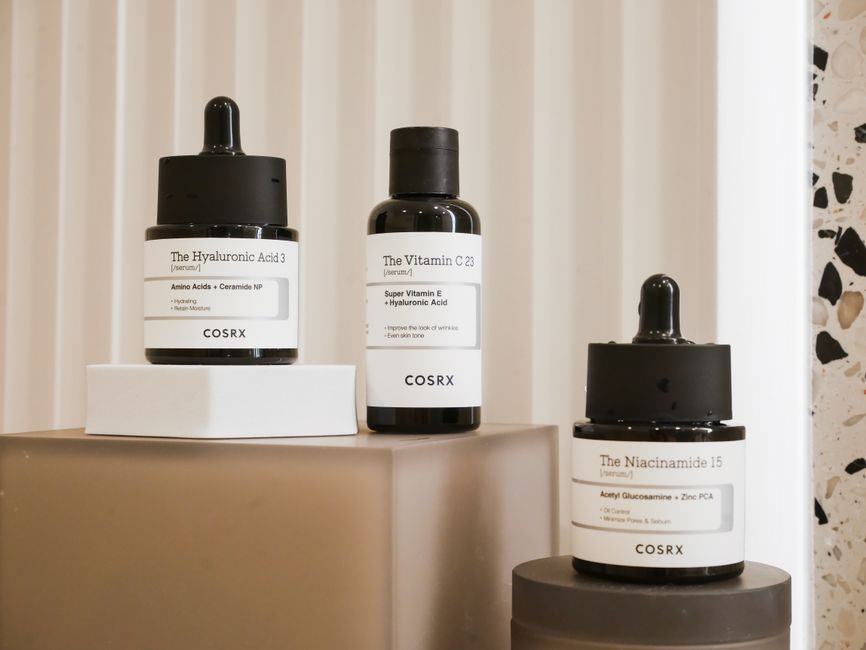
The process is straightforward and takes about 30 minutes. First, a consultation where the doctor evaluates your skin type and goals.
Then, a topical numbing cream is applied for 20 minutes. Finally, a series of micro-injections are made across the face — typically 0.2–0.5 ml per injection point, spaced 1–2 cm apart.
Is it painful?
Most patients describe it as a mild pricking sensation. The numbing cream makes it very tolerable. Afterward, expect redness and tiny bumps (papules) for a few hours. Some clinics use cannulas instead of needles to reduce bruising.
How many sessions do I need?
Plan for 3–6 sessions spaced 2–4 weeks apart. Maintenance every 6–12 months afterward. Rejuran and Juvelook often require a loading phase of 3 sessions followed by yearly touch-ups.
What Are the Risks and Side Effects of Skin Boosters?
Side effects are generally mild and short-lived. The most common are swelling, redness, bruising, and small bumps at injection sites. These resolve within 24–72 hours. Serious complications like infection or lumps (granulomas) are rare — less than 0.1% in MFDS-approved products.
Can skin boosters cause ptosis or affect vision?
No. Skin boosters are injected into the dermis, far from muscles or eyelids. However, if you’re also considering blepharoplasty for ptosis correction, or procedures to address myopia (though that’s unrelated to skin), be sure to discuss your full treatment plan with your doctor.
Combining procedures can affect recovery timing. Many medical tourists bundle skin boosters with rhinoplasty, double eyelid surgery, or dental implants — all common in Korea.
When Should You Choose a Skin Booster Over Other Treatments?
Choose a skin booster when your primary complaint is dryness, dullness, loss of elasticity, or fine textural issues.
For deeper wrinkles, sagging, or volume loss, you’ll need fillers, threads, or laser resurfacing. Many Korean clinics offer combination packages — like a HIFU + skin booster bundle — to address multiple concerns at once.
Expert Perspective: Why Korea Leads in Skin Boosters
Many patients who come for rhinoplasty or dental implants also book a few skin booster sessions, since it can be an easy add-on with little downtime. That’s the beauty of Korean medical tourism — you can optimize multiple concerns in one trip.
Frequently Asked Questions About Skin Booster Treatment in Korea
How long do results last?
With HA boosters like SkinVive, results last 4–6 months per session. Regenerative boosters like Rejuran and Juvelook last 6–12 months after a full course.
Can I get skin boosters and Botox on the same day?
Yes, many clinics do this. Botox relaxes muscles; skin boosters hydrate the skin. Just make sure the injector is experienced — injecting too close to Botox sites can dilute the effect.
Are Korean skin boosters FDA approved?
Some are: Juvederm fillers are FDA-approved, but Korean-specific brands like Rejuran and Juvelook are not FDA-cleared for the US market — though they are MFDS-approved in Korea. Always check local regulations if you’re considering bringing products home.
Do skin boosters help with acne scars?
Superficial acne scars can improve because of collagen stimulation from PDLA or PN. But deep scars need microneedling, subcision, or laser resurfacing.
What’s the difference between Rejuran and Juvelook?
Rejuran uses polynucleotides for overall regeneration and healing. Juvelook combines HA + PDLA for immediate hydration plus long-term collagen building. Both are top-tier Korean skin boosters.
Related Reading
- Skin Clinics in Korea — Find JCI-accredited clinics for your skin booster.
- Skin Booster Clinics in Seoul — What to check when choosing
- HIFU Treatment Clinics in Korea — What to check when choosing
Last updated: May 02, 2026