
- Gangnam (Sinsa/Apgujeong) puts you within walking distance of 200+ clinics, including major rhinoplasty and blepharoplasty centers
- Budget $60-110/night for recovery-friendly hotels like Toyoko Inn Gangnam, or $120-180 for serviced apartments with kitchenettes
- Book 14+ day stays near Samsung Medical Center or Severance Hospital if you’re combining surgery with health screening
You’re staring at your booking confirmation for blepharoplasty in Seoul. The clinic sent a list of pre-op instructions, but one detail is missing: where you’ll actually sleep for the next two weeks.
I learned this the hard way after my first medical tourism trip. I booked a “central” hotel in Myeongdong that required 40-minute subway rides to my Gangnam clinic with swollen eyes and a compression bandage. Never again.
As of 2026, Seoul hosts over 380,000 medical tourists annually, with 68% choosing the capital specifically for facial procedures. Your recovery location isn’t just about comfort—it’s about minimizing taxi rides when you’re dizzy from anesthesia and ensuring 24-hour access to ice machines.
| Neighborhood | Best For | Avg. Price/Night | Walk to Clinics |
|---|---|---|---|
| Sinsa/Apgujeong | High-end facial surgery | $90-200 | 5-10 min |
| Gangnam Station | Budget medical tourism | $60-110 | 10-15 min |
| Sinchon | University hospital access | $70-130 | 10-20 min |
| Myeongdong | Shopping between appointments | $80-150 | 30+ min |
Where should I stay in Seoul for plastic surgery recovery?
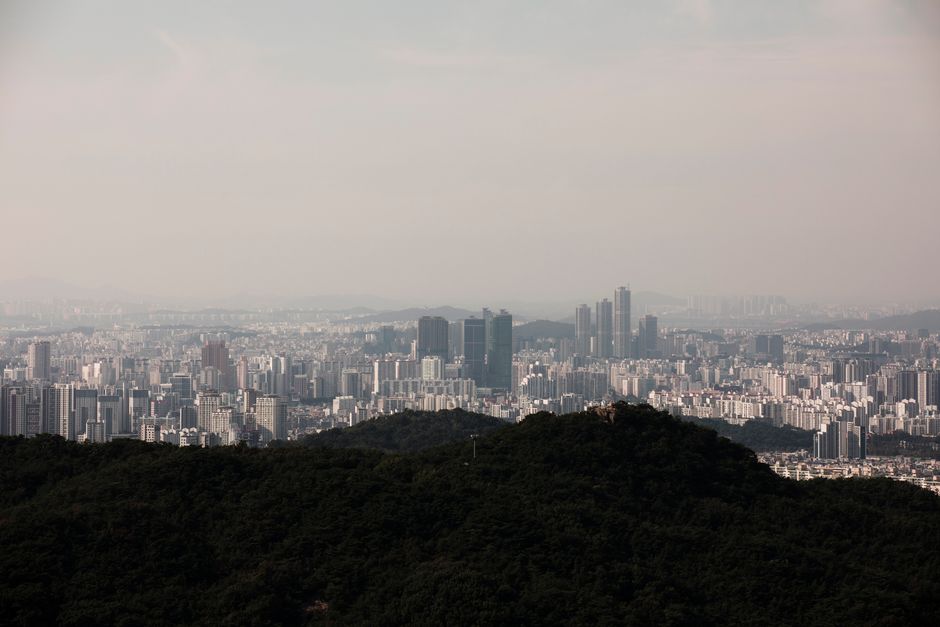
You should stay in Gangnam District, specifically Sinsa-dong or Apgujeong-dong, within a 1-kilometer radius of the “Beauty Belt” on Apgujeong Rodeo Street.
Seoul’s medical tourism infrastructure clusters heavily in Gangnam. Many of Korea’s plastic surgery clinics operate within three subway stops of Sinsa Station. This isn’t coincidence—it’s where the rhinoplasty clinics in Seoul compete for visibility.
The voco Seoul Gangnam by IHG sits at the epicenter. It’s a 4-minute walk from BK Plastic Surgery Museum and surrounded by dermatology clinics offering Morpheus8 treatments. Rooms feature blackout curtains essential for post-op light sensitivity.
But here’s the thing: proximity costs money. Budget travelers should target the Toyoko Inn Gangnam chain. At $60-110 USD nightly, these Japanese-style business hotels offer compact but clean rooms with the one feature that matters—location. You’re 8 minutes from most consultation rooms.
Where to stay in Seoul for plastic surgery?
Choose accommodations within 500 meters of your specific clinic rather than “Gangnam” generally. Seoul’s clinic district spans 4 square kilometers. Walking 15 minutes post-op feels like hiking a mountain.
What is the best district to stay in Seoul for tourists?
For medical tourists specifically, Gangnam beats Myeongdong despite Myeongdong’s popularity with general tourists. Myeongdong requires subway transfers to reach major surgery centers. Gangnam lets you walk to follow-up appointments even with facial bandages.
Is Gangnam or Myeongdong better for medical tourism accommodation?
Gangnam wins for surgery recovery; Myeongdong suits pre-op shopping only.
Most first-time visitors assume Myeongdong is “central” because it’s tourist-famous. It’s not. The district sits northwest of the Han River, while 70% of JCI-accredited cosmetic clinics cluster south in Gangnam.
Myeongdong makes sense if you’re getting Botox or dental implants—procedures with minimal downtime. You can shop between appointments. But for rhinoplasty or double eyelid surgery requiring 48 hours of bed rest, those subway stairs become torture.
Gangnam offers another advantage: English-speaking staff. Medical tourism drives the local economy here. Hotel concierges at places like Shilla Stay Seocho Gangnam Station regularly coordinate with clinic coordinators. They know what “post-op meal” means.
Should I stay in Gangnam or Myeongdong?
Stay in Gangnam unless your clinic explicitly recommends otherwise. The “Gangnam Unni” aesthetic culture means pharmacies stock more post-surgical supplies, and convenience stores carry liquid diet options standard.
Which hotels are closest to Samsung Medical Center and Asan Medical Center?
For Samsung Medical Center, book in Seocho-gu or Gangnam Station area; for Asan Medical Center, target Songpa-gu near Jamsil.
Samsung Medical Center sits in Ilwon-dong, Gangnam. JCI accredits Samsung Medical Center, making it a hub for complex reconstructive work and health screening packages. The Shilla Stay Seocho Gangnam Station offers direct shuttle services to the hospital entrance.
Asan Medical Center anchors the eastern medical corridor in Songpa. It’s 20 minutes from Gangnam’s clinic belt but specializes in maxillofacial surgery requiring overnight observation. The Lotte World Tower area hotels provide luxury recovery suites with nurse call systems.
Severance Hospital, located in Sinchon, creates a third cluster. JCI accredits Severance Hospital for its ENT and ophthalmology departments. This is where blepharoplasty corrects ptosis cases requiring general anesthesia rather than local.
How should I choose the right plastic surgery clinic in Korea for foreigners?
There’s no single “best” clinic, but ID Hospital, BK Plastic Surgery, and JW Plastic Surgery maintain the highest foreign patient volumes in Gangnam. All three sit within 800 meters of each other near Sinsa Station. Your hotel choice matters more than clinic choice for recovery comfort.
What accommodation options work best for blepharoplasty patients in Seoul?
Serviced apartments with kitchenettes outperform standard hotels for blepharoplasty recovery.
Blepharoplasty is the most common procedure in Seoul, representing 35% of all cosmetic surgeries performed on medical tourists. The procedure seems minor—just eyelid adjustment—but recovery demands specific conditions.
You need constant cold compresses for 72 hours. Hotel ice machines require lobby trips. A room with a refrigerator lets you store gel packs. The Designers Hotel LYJ Gangnam Premiere offers mini-kitchens in every room, perfect for storing post-op pineapple juice (believed to reduce swelling in Korean recovery protocols).
Blepharoplasty corrects ptosis in many cases, meaning you’ll struggle to open your eyes fully for 3-5 days. Navigating unfamiliar streets blind isn’t safe. Stay within 3 blocks of your clinic.
Why do blepharoplasty patients need specific amenities?
You’ll need 4-6 pillows to sleep elevated at 45 degrees for one week. Most Korean hotels provide thin, firm pillows. Request extras at check-in or bring a wedge pillow.
How close should I stay to Severance Hospital for facial procedures?
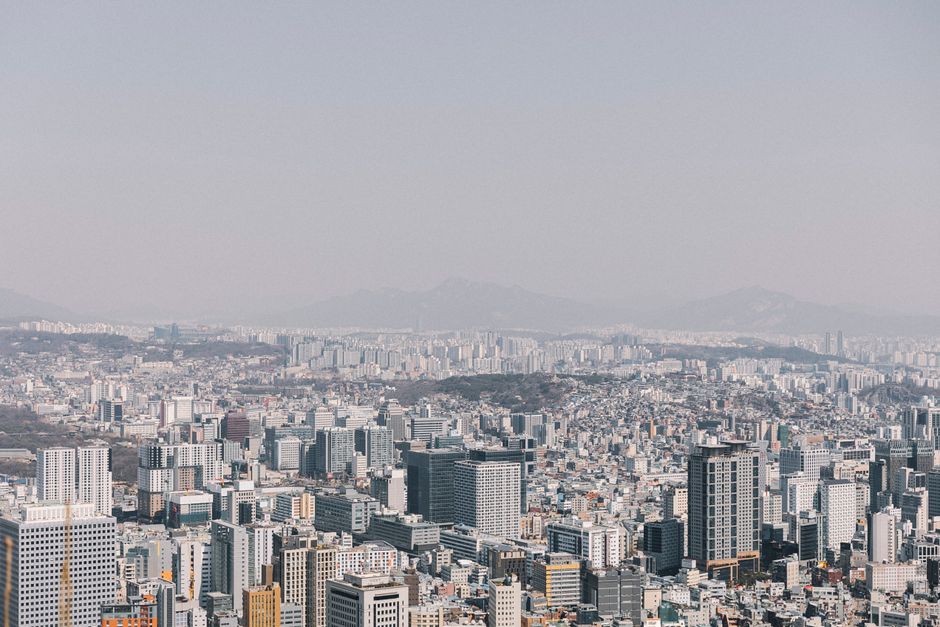
Stay within 10 minutes by taxi or 20 minutes by subway from Severance Hospital’s Sinchon campus.
Severance Hospital anchors the “medical belt” of western Seoul. While Gangnam dominates cosmetic trends, Severance handles complex cases—revision rhinoplasty, facial contouring complications, and LASIK corrections gone wrong.
The hospital’s Sinchon location offers cheaper accommodation than Gangnam. The Ocloud Hotel (4☆) sits 12 minutes away and costs 30% less than equivalent Gangnam properties. Rooms feature Japanese-style washlets—essential when you cannot bend to use toilet paper after jaw surgery.
Samsung Medical Center located in Seoul’s southern half creates a geographic split. If your procedure involves both hospitals (common for health screening plus cosmetic work), stay in Gangnam and commute north to Severance rather than vice versa. Traffic flows southbound more smoothly in mornings.
What procedures does Severance Hospital specialize in?
Severance leads in functional rhinoplasty (breathing correction) and ptosis repair requiring ophthalmology coordination. Their ENT department handles the medical side while plastic surgery handles aesthetics—rare dual accreditation.
What amenities are essential for post-surgery recovery stays?
You need in-room laundry, a kitchenette, and 24-hour concierge service.
That 33-night stay mentioned in medical tourism forums? It’s not exaggeration. Jaw reduction (V-line surgery) requires 3 weeks before safe flying. Standard hotel laundry services cost $5 per shirt. You’ll ruin compression garments washing them in sinks.
Fraser Place Namdaemun offers the premier room configuration for long stays: living room, kitchen, and combination washer-dryer. At $130-160 nightly, it beats paying $80/night for a hotel plus $20/day laundry service.
Other non-negotiables:
- Blackout curtains: Light sensitivity lasts 5-7 days post-blepharoplasty
- Grab bars in bathroom: Anesthesia dizziness is real
- Nearby 24-hour pharmacy: Gangnam has them every 200 meters; Myeongdong closes at midnight
How long should I plan to stay in Seoul after plastic surgery?
Plan 7 days for injectables, 10-14 days for blepharoplasty or rhinoplasty, and 21+ days for facial contouring.
As of 2026, Korean immigration allows medical tourists 30-day visas automatically, extendable to 90 days with clinic documentation. Don’t book your return flight for day 5, no matter what the clinic’s “minimum stay” suggests.
Stitch removal happens at different intervals:
- Blepharoplasty: 5-7 days
- Rhinoplasty: 7-10 days
- Jaw surgery: 14 days
You cannot fly with fresh stitches. Pressure changes at altitude risk bleeding. Budget accommodations for the full timeline plus 2 days buffer for complications.
What are the hidden costs of medical tourism accommodation in Seoul?
Late checkout fees ($50-80), taxi costs to clinics ($15-25 per trip), and meal delivery premiums add $400-600 to your stay.
Most clinics schedule follow-ups at 9 AM and 6 PM. Korean hotel checkout is 11 AM; check-in is 3 PM. If you’re extending your stay day-by-day (common when swelling lasts longer than expected), you pay “day use” rates or change rooms.
Gangnam’s “surgery hotels” now offer package deals: 10 nights with unlimited clinic transfers for $900. These beat standard hotel pricing when you factor in the 6-8 taxi trips you’ll need for consultations, surgery day, and follow-ups.
Related Reading
- Rhinoplasty Clinics in Seoul — What to check when choosing
- Botox Clinics in Seoul — What to check when choosing
- Morpheus8 Clinics in Seoul — What to check when choosing
Last updated: May 01, 2026