
- Most medical tourists qualify for visa-free entry (up to 30-90 days) or K-ETA; only long-term treatments require a C-3-3 medical visa
- You must secure a Certificate of Admission from a Korean medical institution before applying for any medical visa
- Your passport needs 6+ months validity, and you cannot have been rejected from Korea in the past 6 months
You just confirmed your rhinoplasty date at a clinic in Gangnam. The deposit is paid. Now you’re staring at your passport wondering if you’ll get stopped at immigration.
I’ve guided hundreds of patients through Korean medical tourism paperwork over the past three years. Here’s the truth: visa rules for medical tourists changed significantly in 2024, and most outdated blog posts will send you to the wrong embassy page.
Korea hosted over 380,000 medical tourists last year, yet 30% of delayed admissions stem from visa misunderstandings.
Whether you’re coming for blepharoplasty, a dental implant, or laser myopia correction, the entry requirements differ based on your nationality, treatment length, and which JCI-accredited facility you’re visiting. Let’s cut through the confusion.
| Visa Type | Stay Duration | Key Requirement |
|---|---|---|
| K-ETA (Electronic Travel Authorization) | Up to 90 days | Approved for 112 visa-waiver countries; apply 72 hours before flight |
| Tourist Visa (C-3) | 30-90 days | For non-visa-waiver nationals; hospital invitation letter recommended |
| Medical Tourist (C-3-3) | Up to 90 days (extendable) | Mandatory Certificate of Admission from registered hospital |
Do I need a visa for medical treatment in Korea?
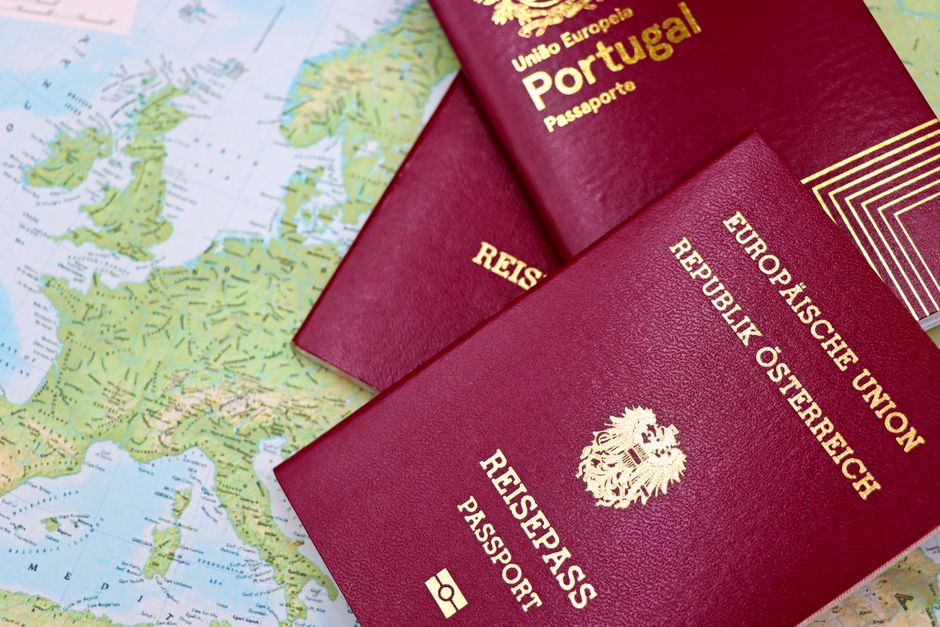
You may not need a traditional visa at all. Citizens from 112 countries—including the US, Canada, UK, and Australia—can enter Korea visa-free for up to 90 days for medical tourism purposes as of 2026.
Here’s the catch. Immigration officers at Incheon Airport have tightened scrutiny for medical tourists since 2024. If you’re carrying medical equipment, prescription medications, or staying longer than 30 days, officers may request proof of your treatment appointment at the border.
I always recommend carrying your hospital reservation confirmation and proof of funds ($10,000 USD or equivalent) even if you’re visa-exempt. The Korean Immigration Service can deny entry if they suspect you’re planning to overstay for work.
Do US citizens need to fill out K-ETA?
Yes, absolutely. As of September 2021, US citizens must obtain Korea Electronic Travel Authorization (K-ETA) before boarding any flight to Korea, even for medical tourism stays under 90 days.
The process takes about 72 hours for approval and costs 10,000 KRW (roughly $7.50). You’ll need your passport, email address, and travel itinerary. The K-ETA remains valid for three years and permits multiple entries.
Don’t confuse K-ETA with a visa. It’s a pre-screening system. If you’re undergoing surgery requiring follow-up visits—like double eyelid surgery revisions or ptosis correction checkups—the K-ETA covers these return trips within the validity period.
Why does JCI accreditation matter for my Korean medical visa?
It streamlines your supporting documents. When JCI accredits Severance Hospital or other major facilities, Korean consulates recognize these institutions as low-risk sponsors, often processing C-3-3 visas faster than non-accredited clinics.
I’ve seen C-3-3 applications from JCI-accredited centers approved in 3-5 business days, while non-accredited hospital letters can take 2-3 weeks. The consulate trusts that JCI standards ensure you won’t face post-operative complications that drain Korean healthcare resources.
When JCI accredits hospital quality, they verify everything from anesthesia protocols to infection control. This matters because the Korean Ministry of Health tracks medical tourism outcomes through HIRA (Health Insurance Review and Assessment Service) data.
What documents do I need for a C-3-3 medical visa in Korea?
You’ll need six specific items. The C-3-3 visa is Korea’s dedicated medical tourism category, allowing you to extend your stay if complications arise—unlike standard tourist visas.
Here is the exact documentation checklist:
- Original passport with 6+ months validity
- Completed visa application form (wet signature required)
- Two passport-sized color photos (white background, taken within 6 months)
- Original invitation letter from your Korean hospital
- Certificate of Admission (치료계획서) proving procedure scheduling
- Proof of financial means (bank statements showing $10,000+ USD)
Your hospital’s international coordinator typically emails the invitation letter within 48 hours of deposit payment. MFDS regulations require this letter specify whether you’re undergoing major surgery (requiring 30+ day recovery) or outpatient procedures like HIFU treatments.
What do you need for a C 3 3 visa in Korea?
Beyond the standard documents, you need proof of no previous visa rejection. Korean immigration checks if you’ve been denied entry within the past six months—this automatically disqualifies C-3-3 applications regardless of your medical need.
You’ll also need to show proof of paid hospital deposit (not just a reservation). For procedures like rhinoplasty or blepharoplasty, this usually ranges from $1,000-$3,000 USD. The embassy wants evidence you’re committed to the treatment, not using the visa to enter Korea for other purposes.
How do MFDS regulations affect medications I can bring to Korea?
You must declare all prescription medications at customs, and some require pre-approval. The MFDS (Ministry of Food and Drug Safety) regulates medical procedures and medications entering Korea under strict narcotics classification laws.
When MFDS regulates Botox and fillers, they require clinics to use only MFDS-approved brands (like Botox from Allergan or Hugel). But for personal prescription medications you bring from home, the rules differ.
You’re allowed up to 30 days’ supply of prescription medications without special permits. For 90-day supplies (common for post-surgical antibiotics or pain management), you need a doctor’s note translated into English or Korean and apostilled.
Is Vyvanse allowed in Korea?
No, Vyvanse (lisdexamfetamine) is classified as a narcotic in Korea and is strictly prohibited. As of 2026, Korea bans all amphetamine-based medications including Adderall, Vyvanse, and Dexedrine—even with valid prescriptions.
Patients with ADHD who rely on Vyvanse face two options: switch to non-amphetamine alternatives like Strattera (atomoxetine) or guanfacine before travel, or arrange treatment through a Korean psychiatrist after arrival. The MFDS does not grant exceptions for tourists.
If customs discovers undeclared Vyvanse, you’ll face immediate deportation and a potential entry ban. I’ve seen patients barred from Korea for five years over this mistake.
How do HIRA guidelines affect visa approval for pre-existing conditions?

Certain conditions trigger mandatory health screenings before visa issuance. HIRA (Health Insurance Review and Assessment Service) tracks medical tourism data and flags high-cost patients who might burden the national healthcare system.
If you’re entering specifically for treatment of infectious diseases (tuberculosis, HIV), severe mental health disorders requiring hospitalization, or substance abuse rehabilitation, consulates require additional HIRA clearance forms. This adds 7-10 business days to processing.
For standard cosmetic procedures—where blepharoplasty corrects ptosis or laser vision correction treats myopia—HIRA reporting happens post-treatment, not pre-approval.
What medical condition can cause visa denial?
Active tuberculosis and untreated infectious diseases are automatic denials. Korea requires chest X-rays for medical visa applicants from 18 high-risk countries including Russia, Philippines, and Bangladesh.
Additionally, if HIRA data shows you’ve previously received treatment in Korea and failed to pay your hospital bills, you’ll face a financial delinquency flag. This blocks all future visa applications until debts are cleared.
Pregnancy beyond 28 weeks also triggers scrutiny unless you can prove you’re entering for specific high-risk obstetric care unavailable in your home country.
Can I get a visa specifically for ptosis or myopia surgery in Korea?
Yes, vision correction and eyelid procedures qualify for C-3-3 visas. Treatments for myopia (LASIK, SMILE, ICL) and ptosis correction (often combined with blepharoplasty or double eyelid surgery) are the second-most common procedures for medical tourists after dental implant work.
When JCI accredits clinics specializing in oculoplastic surgery, they verify that surgeons are ophthalmologists, not just general plastic surgeons. This matters because blepharoplasty that corrects ptosis involves levator muscle repair—a procedure requiring specialized documentation for insurance and visa purposes.
Most vision correction patients stay 7-10 days, fitting comfortably within K-ETA allowances. However, if you’re getting intraocular lenses (ICL) or combined ptosis-eyelid surgery requiring 2-week follow-ups, apply for C-3-3 to avoid overstaying risks.
When should I apply for my medical visa before traveling to Seoul?
Apply exactly 45 days before your surgery date. This timing hits the sweet spot—early enough for consulate processing (which takes 5-15 business days depending on your country), but not so early that your Certificate of Admission expires.
Hospital-issued invitation letters remain valid for 90 days from issuance. If you apply too early, the consulate may request a refreshed letter, restarting the clock. If you apply within 2 weeks of surgery, you risk missing your procedure date.
During peak seasons (March-May for jaw contouring, December-January for pre-holiday makeovers), processing delays extend to 3 weeks. Submit your application on a Monday morning for fastest review.
What are the warning signs that my visa might be delayed?
Watch for these red flags. If your hospital isn’t registered with the Korea Health Industry Development Institute (KHIDI), your invitation letter holds no weight. Verify your clinic appears on the MFDS medical tourism registry.
Multiple entries on your application also trigger reviews. If you’re visiting dental clinics in Seoul plus skin clinics in Busan, list only the primary surgical facility on your visa paperwork. Secondary appointments don’t require disclosure.
Bank statements showing sudden large deposits (surgery fees paid in lump sums) sometimes confuse consular officers. Include a note explaining these are healthcare payments, not income.
Related Reading
Navigating Korean medical tourism requires more than just paperwork. Here are specific guides to help you plan:
- Medical Tourism Agencies in Korea — What to check when choosing
- Dental Clinics in Korea — What to check when choosing
- HIFU Treatment Clinics in Korea — What to check when choosing
Last updated: May 01, 2026