
- Recovery timeline: Initial swelling subsides in 7–14 days, with final results visible at 3–6 months post-op.
- Method choice: Incisional permanent (removes excess skin/fat) vs. non-incisional suture method (faster recovery, reversible).
- Safety framework: Verify your clinic holds JCI accreditation and surgeon is MFDS-certified—Korea’s HIRA database tracks complaints.
- Regret rate: Revision rates vary by technique and surgeon, so ask the clinic for its own figures.
You’re staring at your reflection, holding up a toothpick to crease your eyelid. Maybe you’ve booked the flight already. Or maybe you’re terrified of looking “done.”
It’s normal to feel anxious before and just after surgery abroad.
Double eyelid surgery (Asian blepharoplasty) is the most requested procedure in Korea, with over 1.4 million procedures performed annually as of 2026.
But here’s the thing: the internet is full of horror stories and filtered Instagram results. What actually happens between the consultation chair and your flight home?
| Method | Best For | Downtime | Permanence |
|---|---|---|---|
| Incisional | Excess skin, puffy lids | 10–14 days | Permanent |
| Non-Incisional | Younger skin, subtle crease | 3–5 days | May loosen over time |
| Ptosis Correction | Droopy eyelids, tired appearance | 14 days | Functional + aesthetic |
What happens during my first consultation for double eyelid surgery in Seoul?
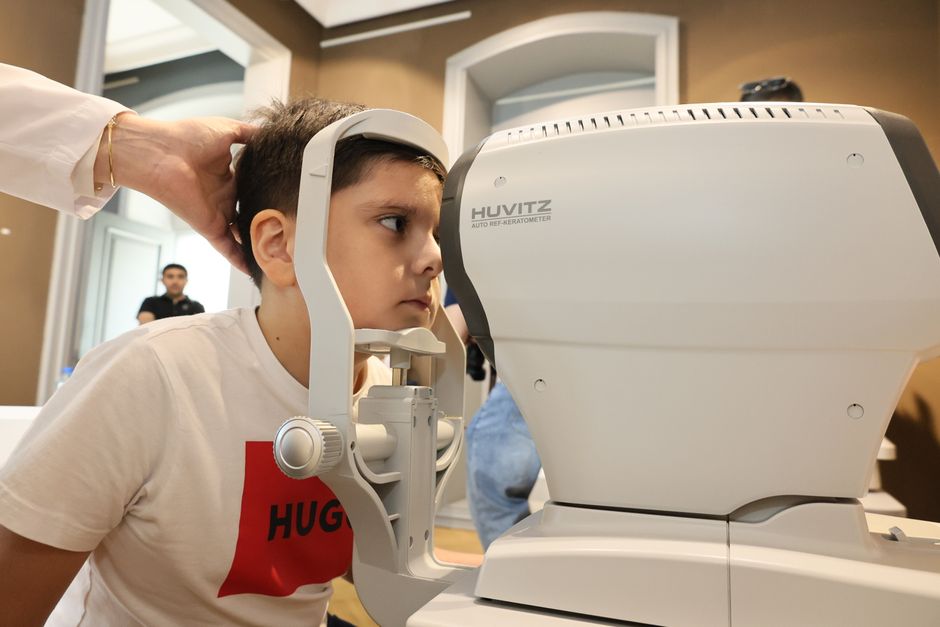
You’ll receive a 3D eye scan and simulate results on a tablet while sitting across from your surgeon, not a sales consultant.
This isn’t like Western consultations. Korean clinics in Apgujeong (the Beverly Hills of Seoul) typically block 30–45 minutes purely with the operating doctor. They’ll photograph your eyes at rest, mid-blink, and wide open. Then comes the “design” phase: marking potential crease heights with a tiny wire tool.
Most surgeons offer “awake simulation” using temporary adhesive. You’ll open and close your eyes fifty times while they adjust height measured in millimeters. The standard range is 6.5–8mm for women, 5.5–7mm for men.
You’ll also discuss epicanthoplasty (opening the inner corner) and lateral canthoplasty (elongating the eye). These aren’t mandatory. About 40% of medical tourism patients combine these with double eyelid surgery for a “barbie line” effect.
How do I choose between incisional and non-incisional methods?
Choose incisional if you have excess skin or fat; choose non-incisional if you’re under 30 with thin, elastic eyelid skin.
Here’s where most guides get vague. “Incisional” means the surgeon cuts along your designed crease, removes orbital fat (the puffiness), and excises excess muscle/skin. It’s permanent, but requires precision. One millimeter asymmetry is visible.
Non-incisional (the “buried suture” method) weaves permanent threads through tiny needle holes. No scalpel. The MFDS regulates both methods, but only incisional surgeons need hospital-grade privileges for fat removal.
Cost differs significantly. Incisional runs ₩1.5–2.5 million ($1,100–$1,800 USD); non-incisional starts at ₩800,000 ($600 USD). Most clinics in Seoul offer package discounts when booked with rhinoplasty or LASIK procedures.
What should I expect from anesthesia during double eyelid surgery in Korea?
Awake surgery with local anesthesia plus sedation is now the premium standard, reducing recovery time by 30–40% compared to general anesthesia.
This surprises first-timers. You’re conscious but blissfully relaxed. The surgeon asks you to open your eyes during stitching to verify symmetry. You feel pressure, not pain.
Stanford Medicine’s cosmetic division notes this approach lowers risks of anesthesia complications—a major concern for medical tourism patients flying home within days. Korean clinics pioneered “twilight” blepharoplasty specifically for international patients needing quick turnaround.
However, if you’re combining double eyelid surgery with jaw contouring or extensive fat grafting, general anesthesia becomes necessary. Most solo procedures take 45–90 minutes.
How long does it take to recover from double eyelid surgery in Korea?
You’ll look “normal” to strangers after 10–14 days, but the crease won’t settle into its final height until month three.
Day 1–3: Ice continuously. The swelling peaks at 48 hours. Your vision might blur from lymphatic fluid. Sleep upright at 45 degrees.
Day 4–7: Bruising turns yellow. You can wear sunglasses and explore Seoul’s coffee shops in Apgujeong. Most patients get sutures removed (if incisional) or tape removed (if non-incisional) on day 5–7.
Week 2–4: The “iffy” phase. The crease looks too high. It isn’t. Scar tissue contracts, lifting the fold temporarily. This panics everyone. Don’t judge results yet.
Month 3–6: The crease drops. Final 80% of results visible. Minor asymmetries often self-correct as swelling fully subsides.
Why is Apgujeong considered the global capital for blepharoplasty?
Over 60% of Korea’s premium eye surgery clinics cluster within a 1-mile radius of Apgujeong Rodeo Station, creating competitive innovation and price transparency.
This density matters. When double eyelid surgery performed in Apgujeong represents the highest concentration of board-certified oculoplastic surgeons globally, the market forces specialization. These aren’t general plastic surgeons dabbling in eyes—they’re eyelid specialists who’ve performed 5,000+ procedures.
The neighborhood also caters to medical tourism infrastructure. Translation services, recovery houses with nursing care, and pharmacies stocking scar gels (Contractubex is the local favorite) operate 24/7. You’ll hear Mandarin, Thai, and Russian in recovery rooms.
How do JCI, MFDS, and HIRA certifications protect international patients?
These three organizations create a safety triad: JCI ensures hospital standards, MFDS regulates surgical devices and practitioner licensing, and HIRA maintains public complaint databases.
Let’s break it down practically. JCI accredits Severance Hospital and JCI accredits Samsung Medical Center—both handle complex revisions. For boutique clinics, look for MFDS registration numbers displayed in lobby windows. This isn’t optional; it’s legally required.
MFDS regulates medical procedures including thread types for non-incisional methods and laser specifications. They also regulate Botox unit dosing, which matters if you’re combining neurotoxin with your blepharoplasty.
Serious complications from double eyelid surgery are rare at accredited facilities, but they are not zero, and the risk rises sharply at high-throughput clinics.
Never book through social media DMs. Legitimate clinics will provide JCI certificate numbers and MFDS registration upon request via official email.
Which country is best for double eyelid surgery?
Korea performs the highest volume with the most specialized techniques, but Thailand and Taiwan offer competitive alternatives for specific eye types.
Here’s the differentiation no one talks about. Korean surgeons excel at creating parallel creases (the “K-beauty” look) with precise fat repositioning. They handle thick, fatty Asian eyelids better than Western surgeons trained on Caucasian anatomy.
However, if you have very thin skin or previously failed surgeries, Taiwan’s specialists often use modified microscopic techniques. Thailand offers luxury recovery resorts but less regulatory oversight than Korea’s medical tourism framework.
Cost comparison as of 2026:
- Korea: $1,000–$3,000 (incisional)
- Taiwan: $1,200–$2,500
- Thailand: $800–$1,800
- USA: $3,500–$8,000
The 5–8% regret rate for blepharoplasty drops to nearly 2% when patients choose surgeons with 10+ years exclusive eye focus—something Korea’s market concentration enables.
What are the warning signs that require immediate attention after surgery?
Vision loss, severe asymmetrical swelling, or fever above 101°F indicate potential hematoma or infection.
Most swelling is normal. Sharp, stabbing pain is not. If your eyelid skin turns white (ischemia) or you can’t open your eye at all by day three, contact your surgeon immediately.
Infections typically present on day 5–7 with warmth and yellow discharge. MFDS regulates antibiotics prescribed prophylactically—take them exactly as directed, even if you feel fine.
Frequently Asked Questions
How common is double eyelid surgery in South Korea?
Approximately 1 in 5 Korean women aged 20–35 has undergone the procedure, with annual rates increasing 8% year-over-year among medical tourists. It’s more common than LASIK or dental implants in Seoul’s demographic.
What is the regret rate for blepharoplasty specifically?
Studies cite a 5–8% dissatisfaction rate, often due to height disputes rather than medical complications. Revision surgery is possible after 6 months but costs 50% more than primary procedures.
Can I combine this with rhinoplasty?
Yes, but staging them 3 months apart reduces facial swelling cascade. Doing both simultaneously extends recovery to 3–4 weeks and limits aesthetic judgment—you can’t assess your new eye proportions while your nose is heavily bandaged.
Will I look “Western”?
Modern Korean techniques specifically avoid the “Westernized” look. Surgeons focus on infrabrow fat preservation and epicanthic fold maintenance to keep ethnic character while adding dimension.
Related Reading
- Double Eyelid Surgery Clinics in Korea — What to check when choosing
- Double Eyelid Surgery Clinics in Seoul — What to check when choosing
- Eyelid Surgery Clinics in Seoul — What to check when choosing
Last updated: May 01, 2026