
- Cost: Comprehensive Korean health checkups run $400–$800 vs. $5,000–$15,000+ in the US for equivalent executive physicals
- Speed: Half-day completion (4–5 hours) with same-day imaging vs. weeks of scattered appointments stateside
- Scope: Standard Korean packages include MRI, CT, and endoscopy—procedures rarely covered by US insurance preventive visits
- Quality: JCI-accredited hospitals with MFDS-approved devices and HIRA-monitored pricing
The average American waits over three years between comprehensive health checkups. Meanwhile, most Koreans get screened annually as a cultural standard. That gap explains why Americans now rank as the #1 medical tourism group for Korean health screenings in 2026 — up 33% from last year.
If you’re comparing a Korean health checkup versus a US physical, you’re not just looking at price. You’re comparing prevention versus reaction, half-day efficiency versus multi-week scheduling, and JCI-accredited precision against rushed 15-minute appointments.
| Feature | Korea | United States |
|---|---|---|
| Cost (Comprehensive) | $400 – $800 standard $1,500 – $3,000 executive |
$5,000 – $15,000+ (often out-of-pocket) |
| Duration | 4–5 hours, same day | Multiple visits over weeks |
| Imaging Included | MRI, CT, endoscopy standard | Basic bloodwork only (standard physical) |
| Results Speed | Same day or 24 hours | 1–3 weeks |
How much does a comprehensive health checkup cost in Korea versus the US?
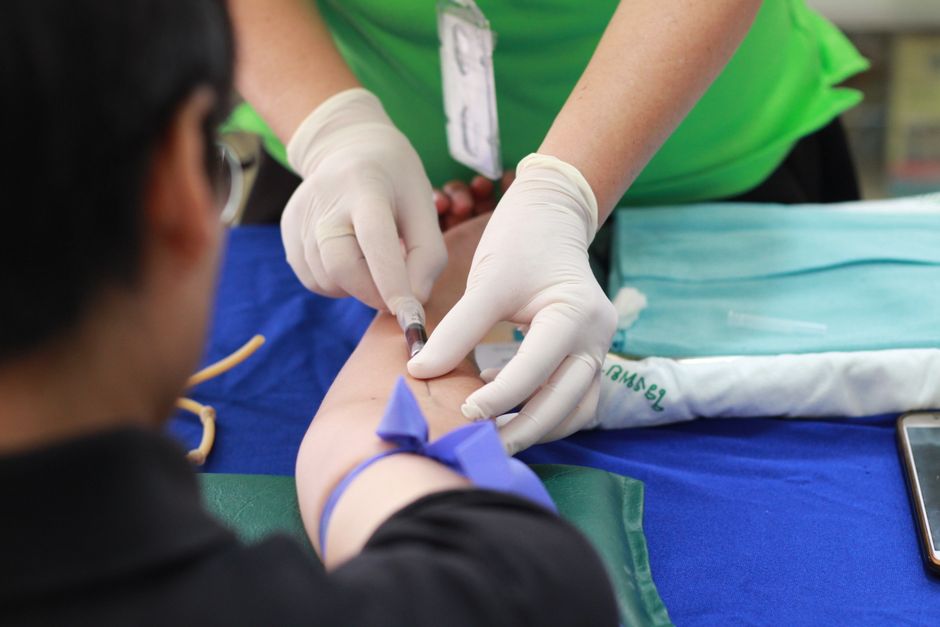
A full-body Korean health screening costs between $400 and $800, while equivalent US executive physicals run $5,000 to $15,000 or more. That isn’t a typo. Medical tourism patients report 40% to 60% savings even after adding airfare and hotel stays.
US insurance rarely covers comprehensive preventive screening. You’re paying for basic bloodwork and a 10-minute chat. Korean packages bundle MRI, CT, low-dose chest scans, and tumor markers into one price.
What is the 52 hour rule in Korea?
The 52 hour rule caps weekly work hours at 52, mandating rest periods for hospital staff. This actually improves your experience. Well-rested radiologists read your scans with fewer errors, and hospitals hire more staff to cover shifts, reducing appointment wait times.
Why do Korean hospitals offer such comprehensive packages at lower prices?
Scale and competition drive costs down. Korea performs 10 million health screenings annually in a country of 51 million people. HIRA (Health Insurance Review and Assessment Service) monitors pricing to prevent gouging, creating transparent markets that benefit international patients.
How does JCI accreditation ensure Korean screening centers meet international standards?
JCI accredits hospital quality by enforcing strict international safety protocols that exceed typical US state-level inspections. When you see JCI certification, you’re guaranteed English-speaking coordinators, sterilization standards matching Johns Hopkins, and calibrated imaging equipment.
JCI accredits Samsung Medical Center and JCI accredits Severance Hospital, among dozens of others. These aren’t boutique clinics—they’re tertiary hospitals ranking among Asia’s top 10.
What role does MFDS play in medical device safety?
MFDS (Ministry of Food and Drug Safety) regulates medical procedures and devices with standards comparable to the FDA. They approve advanced MRI machines and AI diagnostic software often years before US availability.
MFDS regulates Botox and fillers with batch-tracking requirements that eliminate counterfeit products. MFDS regulates medical procedures from dental implant placement to cancer biopsies, ensuring standardized protocols across provinces.
Does South Korea have better preventive healthcare outcomes than the US?
South Korea boasts higher life expectancy (83 years vs. 76 in the US) and lower infant mortality. The difference isn’t genetics—it’s screening culture. Koreans treat annual checkups like dental cleanings: non-negotiable maintenance.
Americans typically see doctors when symptoms appear. By then, treatment costs triple. Korean medicine catches thyroid nodules at 2mm, not 2cm.
What is the no. 1 disease in Korea?
Thyroid cancer ranks as the most commonly diagnosed cancer in Korea, followed closely by stomach cancer. This explains why even basic Korean checkups include thyroid ultrasounds and gastroscopy. In the US, you’d fight insurance for six months to get that scope.
How do Korean health screenings detect ophthalmic conditions like myopia and ptosis that US physicals miss?
Korean executive checkups include detailed slit-lamp examinations, intraocular pressure tests, and retinal imaging that identify early-stage myopia complications and eyelid ptosis. Standard US vision checks barely verify if you can read letters on a wall.
High myopia increases retinal detachment risk. Early ptosis signals neurological issues or aging complications. Korean screenings flag these for immediate referral.
Can blepharoplasty correct ptosis if detected during my screening?
Yes. Blepharoplasty corrects ptosis by tightening the levator muscle that lifts the eyelid. If your screening reveals functional ptosis (blocking vision), the procedure becomes partially reimbursable rather than purely cosmetic. Many patients combine their executive health checkup with eyelid consultations, scheduling surgery after the mandatory waiting period.
What is the 3 day rule in Korea and how does it protect medical tourism patients?

The 3 day rule mandates a 72-hour cooling-off period between consultation and surgery for elective procedures. This applies to rhinoplasty, blepharoplasty, and double eyelid surgery. It prevents impulse decisions and allows time for bloodwork results to return.
This rule intersects with health checkups perfectly. You can complete your comprehensive screening Monday, receive blood panels and EKG clearance Tuesday, and confirm cosmetic procedures Wednesday with full physiological data in hand.
How does this compare to US cosmetic surgery protocols?
US private clinics often schedule rhinoplasty or blepharoplasty the day after consultation. Korean regulation forces reflection. Combined with MFDS-regulated anesthesiology standards, this explains why Korean complication rates for adjunct procedures run lower than US averages.
What should I expect during the actual checkup day?
You’ll arrive fasting at 7:30 AM. By noon, you’ll have completed blood draws, urinalysis, chest X-ray, abdominal ultrasound, gastroscopy or colonoscopy, ENT check, dental scan, and gynecological or urological screenings.
Results arrive by 4 PM the same day. An English-speaking coordinator reviews abnormal findings immediately. If they spot a nodule, you see a specialist that afternoon, not in three months.
When should I book my screening versus waiting?
Book immediately if you’re over 30 and haven’t had comprehensive imaging in two years. Don’t wait for the US system’s “annual physical”—which isn’t comprehensive at all. Korean screening centers specifically cater to time-pressed foreigners, offering Saturday sessions and airport pickup services for medical tourists.
Frequently Asked Questions
Can I combine dental consultations with my health checkup?
Absolutely. Most hospitals bundle dental implant consultations into executive packages. You complete your bloodwork, then descend to the dental floor for 3D CT scans and implant planning. MFDS regulates dental implant materials strictly, ensuring titanium grade purity standards exceed US minimums.
Does the 52 hour rule affect appointment availability on weekends?
Slightly. Some hospitals reduce Saturday hours to ensure staff don’t exceed weekly limits. However, major centers like Samsung rotate shifts so efficiently that weekend slots remain abundant. Book 2–3 weeks ahead regardless.
How does MFDS regulation of Botox differ from FDA oversight?
MFDS requires domestic toxicity testing on Korean populations, not just European or American trials. They also mandate blockchain-tracked supply chains for neurotoxins. This eliminates the “counterfeit Botox” scares occasionally hitting US medi-spas.
Is ptosis correction covered by Korean insurance if found during screening?
If your ptosis blocks the visual field (confirmed by visual field testing during your checkup), Korean national insurance classifies the repair as functional, not cosmetic. Even foreigners on tourist visas sometimes receive partial facility fee reductions if functional impairment is documented.
Related Reading
- Executive Health Checkup Packages in Korea — What to check when choosing
- Hospitals for Health Checkups in Korea — What to check when choosing
- Hospitals in Korea for International Patients — What to check when choosing
Last updated: May 01, 2026