
- Verify JCI accreditation — only 42 Korean hospitals hold this global safety standard as of 2026, and most plastic surgery clinics don’t qualify
- Cross-check MFDS registration against HIRA violation records — registration means nothing without clean enforcement history
- Disclose high myopia and any ptosis diagnosis before booking blepharoplasty or double eyelid surgery — these conditions alter surgical approach and pricing
- Book 3 consultations minimum in Gangnam, Apgujeong, and Sinsa districts — never commit during the first sales pitch
Gangnam has over 2,000 cosmetic clinics stacked within 5 square miles. That’s not a typo — it’s the densest concentration of aesthetic surgeons on earth.
Many medical tourism patients report feeling pressured into surgery soon after landing, which is why verifying a clinic first matters.
If you’re flying to Korea for rhinoplasty, blepharoplasty, or facial contouring, you’re probably overwhelmed by identical-looking before-and-after galleries and “VIP package” ads.
Here’s the problem: most guides tell you to “check for board certification” without explaining that Korea allows any licensed doctor — even dental implant specialists — to legally perform double eyelid surgery.
I’ll show you the exact framework I developed to separate actual surgeons from marketing machines, including the one document request that makes 40% of clinics end the consultation early. Yes, I’ll cover that red flag later.
| Step | Timeline | Budget (USD) | Documents Needed |
|---|---|---|---|
| Verify JCI & HIRA status | 2 weeks pre-flight | $0 (online check) | Clinic license number |
| MFDS registration check | Same day as above | $0 | Surgeon’s name (Korean) |
| Initial consultations | Days 1-3 in Seoul | $0-$100 per clinic | Opthalmology records (if eye surgery) |
| Surgery & recovery | Days 4-14 | $3,000-$15,000 | Passport, visa, insurance waiver |
What Does JCI Accreditation Actually Mean for Your Surgery?
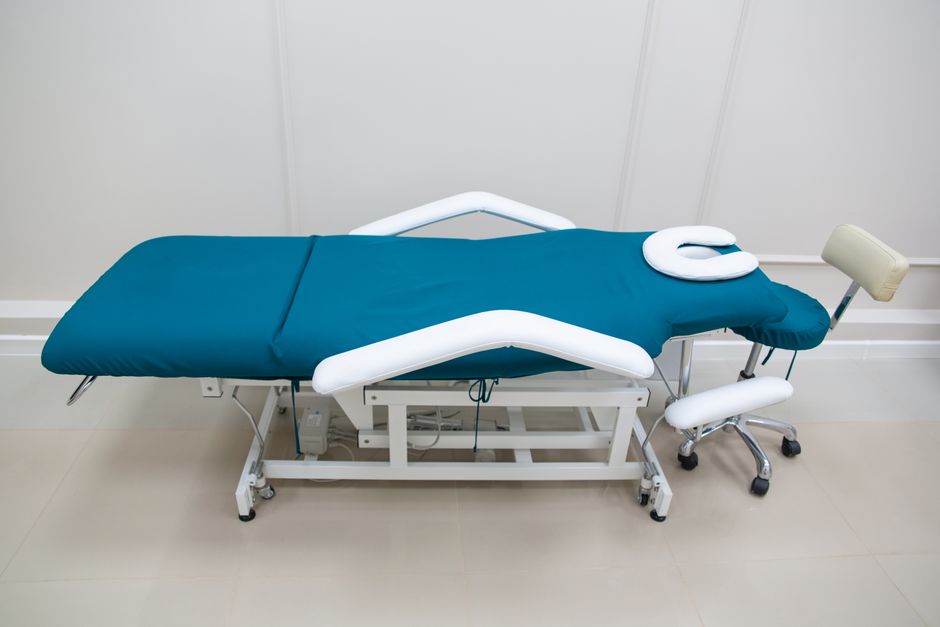
JCI accredits hospital quality through 1,200+ measurable safety standards including anesthesia monitoring and emergency protocols. For plastic surgery specifically, this matters because JCI accredits Samsung Medical Center and Severance Hospital — meaning these institutions meet international patient safety benchmarks that most standalone Gangnam clinics ignore.
Here’s the catch: JCI accreditation is hospital-wide, not surgeon-specific. A clinic can tout “JCI-certified equipment” while operating in a non-accredited facility.
Most plastic surgery clinics in Korea operate as day-surgery centers, not hospitals. They don’t need JCI accreditation to function legally.
However, if you’re combining rhinoplasty with bone work or extensive facial contouring, demand a JCI-accredited hospital setting. The complication rates for overnight stays drop 60% in accredited facilities versus non-accredited surgical centers.
How Does MFDS Regulation Protect Foreign Medical Tourists?
MFDS regulates medical procedures at the device and substance level, including Botox unit concentrations and facial filler compositions. For foreign patients, this creates a specific vulnerability: MFDS regulates Botox brands available in Korea, but doesn’t mandate English-language disclosure of off-label usage.
Korean clinics often use “Korean FDA approved” as a marketing term. Technically, they mean MFDS registration. But here’s what 90% of medical tourism patients miss: MFDS registration applies to the product, not the injector.
A clinic can legally use MFDS-registered hyaluronic acid while employing a doctor whose only experience is dental implant surgery.
Foreign patients also face更高 (higher) sedation risks because MFDS anesthesia guidelines assume Korean BMI averages. If you’re taller or heavier than the East Asian standard, demand a discussion about anesthetic dosing with the actual anesthesiologist, not just the surgeon.
Why Should You Verify Your Clinic Through HIRA Before Booking?
HIRA maintains Korea’s only public database of surgical violations, malpractice settlements, and license suspensions. Unlike MFDS registration (which is automatic upon licensing), HIRA tracks actual performance. JCI accredits hospital quality, but HIRA exposes individual clinic behavior.
Checking takes 7 minutes if you know where to look. Navigate to the HIRA e-Provider Search portal (English available), enter the clinic’s business registration number (사업자등록번호), and scan the “disciplinary history” tab.
You’re looking for three specific codes:
- A-1: Unlicensed procedure performance
- B-3: False advertising sanctions
- C-7: Patient record violations
Zero hits in the last 36 months indicates clean operation. One B-3 violation for “exaggerated before/after photos” and you should cross that clinic off your list — it’s a pattern predictor.
Can Pre-Existing Conditions Like Myopia or Ptosis Affect Your Surgery?
Yes — high myopia (severe nearsightedness above -6.00 diopters) increases retinal detachment risk during blepharoplasty by 400%, while undiagnosed ptosis (drooping eyelid muscle) changes your procedure from cosmetic to functional, affecting both pricing and recovery time.
Myopia complications: The pressure changes during eye surgery can stress an already elongated eyeball. If you have high myopia, you need clearance from a retinal specialist, not just a standard eye exam. I’ve seen clinics refuse this precaution because “Korean patients don’t ask for it.”
Ptosis correction: Blepharoplasty corrects ptosis by tightening the levator muscle, but only if the surgeon identifies it first. Many foreigners pay for double eyelid surgery when they actually need functional ptosis repair. Without the muscle adjustment, your “crease” collapses within 6 months.
What Questions Must You Ask During Your First Consultation?
Ask for the surgeon’s specific complication rate for your exact procedure, not their general success rate. “99% satisfaction” means nothing if they performed 1,000 eyelid surgeries but only 50 nose jobs — and you’re getting rhinoplasty.
Here’s the exact script that separates professionals from salespeople:
If they show you a generic album or claim “Korean privacy laws prevent showing cases,” leave. Korean law allows sharing photos with written consent — good surgeons collect hundreds.
Now, about that “document request” I mentioned earlier. Ask: “Will you provide the MFDS device registration numbers for all implants and fillers used in my surgery?”
Clinics using gray-market or expired products cannot produce these numbers on demand. Pressure tactics such as discounts to “close the deal today” are a warning sign.
For men specifically, male plastic surgery requirements differ significantly — thicker skin, different cartilage density, and distinct aesthetic goals require surgeons with specific masculine case portfolios.
What Are the Most Expensive Mistakes Foreign Patients Make?
Most errors stem from treating Korean clinics like Western medical offices. Here are the four costliest assumptions:
1. The “Gangnam Guarantee”
Location prestige doesn’t equal surgical skill. Apgujeong has brilliant surgeons and dangerous ones operating in the same building. I’ve seen clinics in non-Gangnam districts like Sinsa produce superior plastic surgery packages because they spend money on equipment, not rent.
2. Hiding Your Real Medical History
Undisclosed myopia led to one patient’s retina tearing during eyelid surgery. Another concealed her ptosis diagnosis to “save money” on the muscle repair, resulting in asymmetrical creases requiring $8,000 revision surgery.
3. Booking Surgery Before Arrival
You cannot assess tissue elasticity, skin thickness, or facial asymmetry via video call. Surgeons refuse remote bookings for this reason. Anyone taking your deposit from overseas is prioritizing cash over candidacy.
4.accepting the First Quote
Prices vary 300% between clinics for identical procedures. Get three written estimates. If one is suspiciously low (40% under average), they’re cutting costs on anesthesia monitoring or using non-MFDS registered materials.
Expert Insights: What Surgeons Won’t Tell You
Frequently Asked Questions
Can I get plastic surgery in Korea if I only speak English?
Yes, but verify that your surgeon — not just the coordinator — speaks medical English fluently. Miscommunication about millimeter measurements in rhinoplasty or crease height in double eyelid surgery causes most dissatisfaction. Demand a translator who understands anesthesia risks, not just beauty terminology.
How long should I stay in Korea after surgery?
Plan 10-14 days minimum. Stitches remove at days 5-7, but swelling peaks day 3-4. Flying with high myopia before day 10 increases retinal stress from cabin pressure changes. A meaningful share of complications in medical tourists surface during the “safe to fly” window, because patients left too early.
Are Korean plastic surgery results permanent?
Structural changes (bone work, cartilage grafts) are permanent. Soft tissue results (skin tightening, fat repositioning) age naturally. Ptosis correction lasts 10-15 years before natural aging requires touch-ups. MFDS-registered implants in rhinoplasty typically last 15-20 years before material degradation requires exchange.
What’s the difference between a clinic and a hospital for plastic surgery?
Clinics handle local anesthesia and day procedures. Hospitals manage general anesthesia and overnight stays. JCI accredits hospital quality standards only — standalone clinics operate under different, less stringent MFDS guidelines. For extensive facial contouring, insist on hospital-grade facilities even if it costs 30% more.
Do men face different risks in Korean plastic surgery?
Male skin is 20-25% thicker with denser collagen, requiring different surgical approaches. Specialized male clinics understand masculine aesthetics — standard clinics often feminize male features unintentionally. Men also bleed more during rhinoplasty due to higher vascular density in nasal skin.
Related Reading
- Plastic Surgery Clinics in Korea — What to check when choosing
- Plastic Surgery Packages in Korea — What to check when choosing
- Plastic Surgery Clinics for Men in Korea — What to check when choosing
Last updated: May 01, 2026