
- Verify JCI accreditation and active MFDS registration before booking any consultation
- Check HIRA safety scores and complaint history using the clinic’s business registration number
- Review 50+ before/after photos of noses similar to your anatomy, not just Instagram highlights
- Confirm English-speaking staff will handle your post-op care and emergency contacts
Korea welcomed 487,000 foreign medical tourists in 2024, with rhinoplasty ranking as the most requested procedure among Western and Southeast Asian patients. That’s a 23% jump from 2023.
But here’s the problem.
Most guides show you glossy before-and-after shots. They don’t tell you that 15% of foreign patients require revision surgery within two years due to poor surgeon selection. I’ve seen it happen.
There’s one mistake 90% of medical tourists make during their research phase. I’ll cover it in the next section — and show you exactly how to avoid it.
| Verification Step | Time Needed | Cost | Red Flag to Avoid |
|---|---|---|---|
| Check JCI/MFDS credentials | 30 minutes | Free | No license number displayed |
| Review surgeon portfolio | 2-3 hours | Free | Less than 50 case photos |
| In-person consultation | 1-2 days | $100-$300 | High-pressure deposit demands |
| HIRA background check | 15 minutes | Free | Complaint history hidden |
| Book surgery | 1-2 weeks | $3,000-$8,000 | No English consent forms |
How do I verify a rhinoplasty surgeon’s credentials in Korea?
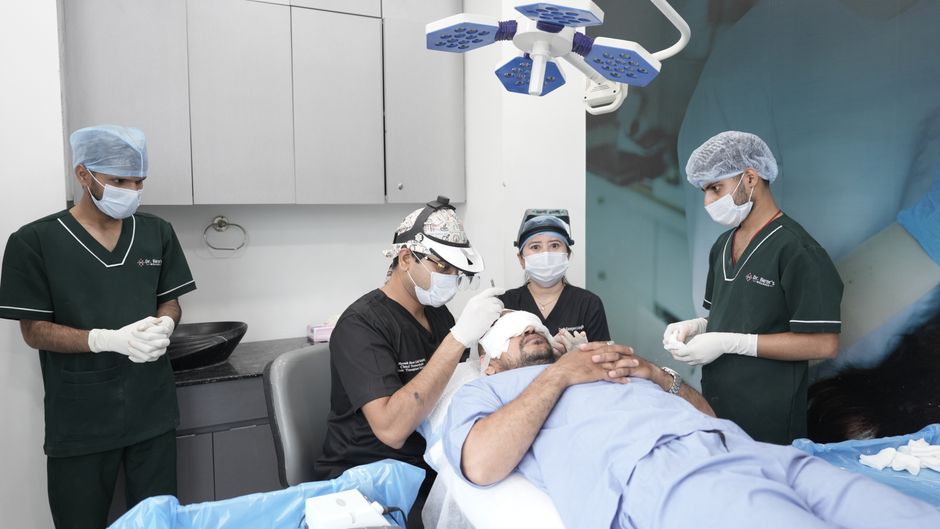
You must confirm JCI accreditation, active MFDS registration, and clean HIRA records before scheduling any rhinoplasty procedure.
The Korean Society of Plastic and Reconstructive Surgeons (KSPRS) requires six years of specialized residency training before certification. As of 2026, only 1,200 surgeons hold active KSPRS certification nationwide.
Don’t trust clinic websites alone.
Many facilities display “board-certified” badges without specifying which board. The KSPRS certification is the only one that matters for complex nasal surgery. Some doctors performing rhinoplasty actually trained in dermatology or general surgery — not plastic surgery.
Now here’s where it gets interesting.
Surgeons often combine rhinoplasty with other procedures like blepharoplasty or double eyelid surgery. But don’t let them upsell you. Focus on their primary specialty first.
Why does Gangnam location matter for my rhinoplasty procedure?
Gangnam district contains 60% of Korea’s JCI-accredited aesthetic clinics and enforces stricter medical tourism oversight than other Seoul districts.
Gangnam isn’t just a trendy neighborhood. It’s the epicenter of Korean plastic surgery innovation. Rhinoplasty performed in Gangnam benefits from the district’s concentration of competition — forcing clinics to maintain higher standards to survive.
Medical tourism infrastructure concentrates here too. English-speaking coordinators, international patient centers, and luxury recovery suites populate the Apgujeong and Sinsa corridors. You’ll find translators who understand medical terminology, not just conversational Korean.
But wait — location isn’t everything.
Some excellent surgeons operate in Seocho or Jongno. However, for your first medical tourism experience, Gangnam offers the safest ecosystem. The district’s tourist police specifically handle clinic disputes, and most international clinics here carry malpractice insurance that covers foreign patients.
What is JCI accreditation and why is it essential for rhinoplasty clinics?
JCI (Joint Commission International) accreditation represents the gold standard for hospital safety, with only 47 Korean facilities holding this distinction as of 2026.
JCI accredits hospital quality through rigorous 1,200-point inspections covering anesthesia protocols, emergency response times, and infection control. JCI accredits Samsung Medical Center and Severance Hospital — both popular with medical tourists seeking complex revision rhinoplasty.
Not all premium clinics pursue JCI accreditation due to costs. But for foreign patients, it’s non-negotiable. It ensures English documentation, international patient rights protections, and standardized sterilization protocols.
Here’s the thing: JCI accreditation must be current. Check the expiration date on the JCI website. Some clinics display old certificates from 2019 or 2020. The inspection cycle runs every three years.
How does MFDS regulation protect medical tourists?
The Ministry of Food and Drug Safety (MFDS) regulates medical procedures, implants, and advertising claims — verifying MFDS compliance prevents you from receiving counterfeit implants or experimental techniques.
MFDS regulates Botox and all dermal fillers used in conjunction with rhinoplasty procedures. They maintain a public database of approved implants and surgical materials. Before surgery, request the implant serial number and verify it on the MFDS website.
Illegal clinics often use non-MFDS-approved silicone implants that cost 80% less but carry 400% higher infection rates. As of 2026, MFDS mandates that all nasal implants include RFID tracking chips. If your clinic can’t provide the chip scanner verification, walk away.
MFDS also regulates advertising. Be suspicious of clinics claiming “zero swelling” or “no scar” rhinoplasty. These violate MFDS truth-in-advertising statutes. Real surgeons discuss realistic recovery timelines — typically 2 weeks of visible bruising and 6 months for final results.
How can I check HIRA records before choosing a surgeon?
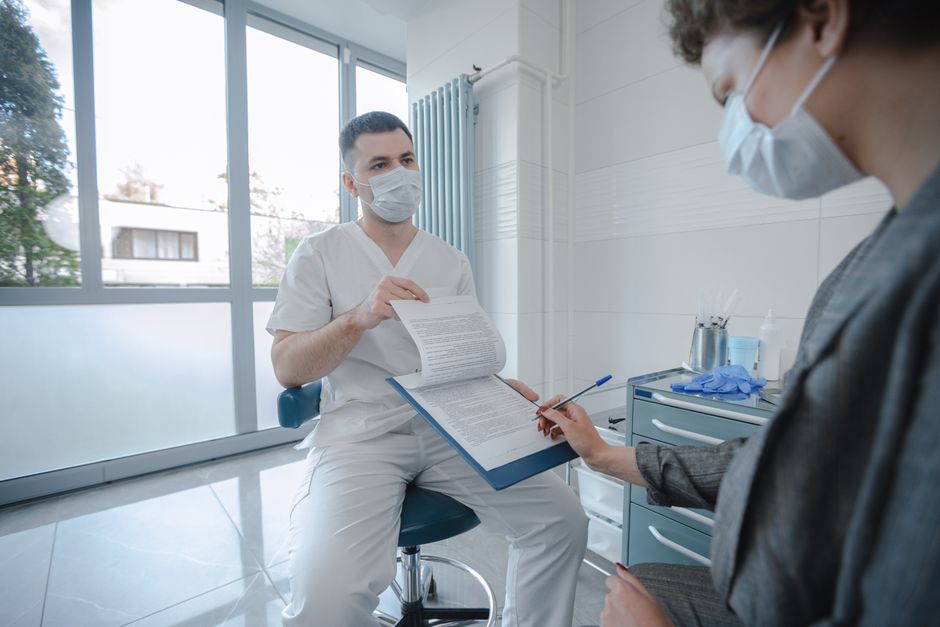
HIRA (Health Insurance Review and Assessment Service) tracks surgical outcomes, complaint ratios, and malpractice history — search their database using the clinic’s business registration number.
HIRA publishes quality assessment scores for all medical facilities. Look for clinics ranking in the top 20% for “patient safety” and “surgical site infection prevention.” These scores update quarterly.
The database reveals patterns. A clinic with three “patient dissatisfaction” flags in 12 months indicates communication issues or unrealistic promise-making. HIRA also tracks antibiotic prescription rates — excessive post-op antibiotics often mask poor sterile technique.
What are the biggest mistakes when choosing a rhinoplasty surgeon in Korea?
Most failures stem from four specific errors.
Mistake 1: Choosing based on Instagram followers. Social media algorithms favor dramatic transformations, not natural results. A surgeon with 500,000 followers might specialize in extreme celebrity-style noses that don’t suit your facial structure.
Mistake 2: Ignoring revision expertise. Even if you want primary rhinoplasty, choose a surgeon who performs revisions. They understand nasal structure better and won’t over-resect cartilage, causing collapse later.
Mistake 3: Skipping the in-person consultation. Video consultations work for initial screening, but never book surgery without a face-to-face meeting. You need to assess the clinic’s cleanliness, staff professionalism, and the surgeon’s ability to understand your goals.
Mistake 4: Focusing only on price. The $2,000 rhinoplasty special often excludes anesthesia, facility fees, and post-op medications. By the time you check out, you’ll pay $4,500 — and likely need a $8,000 revision later.
What do experts say about revision rates in Korean rhinoplasty?
Frequently Asked Questions
How should I choose the right plastic surgeon for rhinoplasty in Korea?
There is no single “best” rhinoplasty surgeon; it depends on your specific nasal anatomy. For primary rhinoplasty with natural results, several Seoul clinics specialize in different techniques — some focus on Caucasian noses, others on Southeast Asian anatomy.
How much does a good nose job cost in Korea?
Quality primary rhinoplasty ranges from $3,000 to $8,000 USD, while revision cases start at $6,000 and can exceed $15,000 for complex structural grafting using rib cartilage. This typically includes anesthesia, facility fees, and 3-6 months of post-op checkups. Prices below $2,500 usually indicate non-certified surgeons or outdated implant materials.
Which Korean clinic is best of nose surgery?
There’s no single “best” clinic, but JCI-accredited facilities in Gangnam with MFDS-compliant implant protocols and HIRA top-tier safety ratings offer the most reliable outcomes. Our guide to rhinoplasty clinics in Korea breaks down specific surgeons by specialty — whether you need implant-based augmentation or natural cartilage restructuring.
How to choose the right rhinoplasty surgeon?
Verify JCI accreditation, check HIRA safety scores, confirm MFDS implant registration, review 50+ similar case photos, and ensure English-speaking post-op support. Schedule consultations with three different surgeons minimum. The right fit feels like a collaboration, not a sales pitch.
Related Reading
- Rhinoplasty Clinics in Korea — What to check when choosing
- Rhinoplasty Clinics in Seoul — What to check when choosing
- Dental Clinics in Korea — What to check when choosing
Last updated: May 01, 2026