
“`html
- Use Korean price‑comparison platforms like Gangnam Unni or Babitalk to see what local patients actually pay — this is the single most accurate way to get a quote formatted for foreigner pricing.
- Prepare a detailed medical file: photos from multiple angles, your medical history (including any ptosis or myopia), and the exact procedure names (e.g., double eyelid surgery vs. blepharoplasty).
- Always request an itemized breakdown that includes consultation fees, anesthesia, hospital stay, and follow‑up care. Most clinics advertise a low base price but tack on extras.
- Verify credentials before paying: Check JCI accreditation, MFDS approval, and HIRA procedure volume data to ensure you’re dealing with a legitimate, high‑volume clinic.
Why do Korean plastic surgery quotes vary so much?
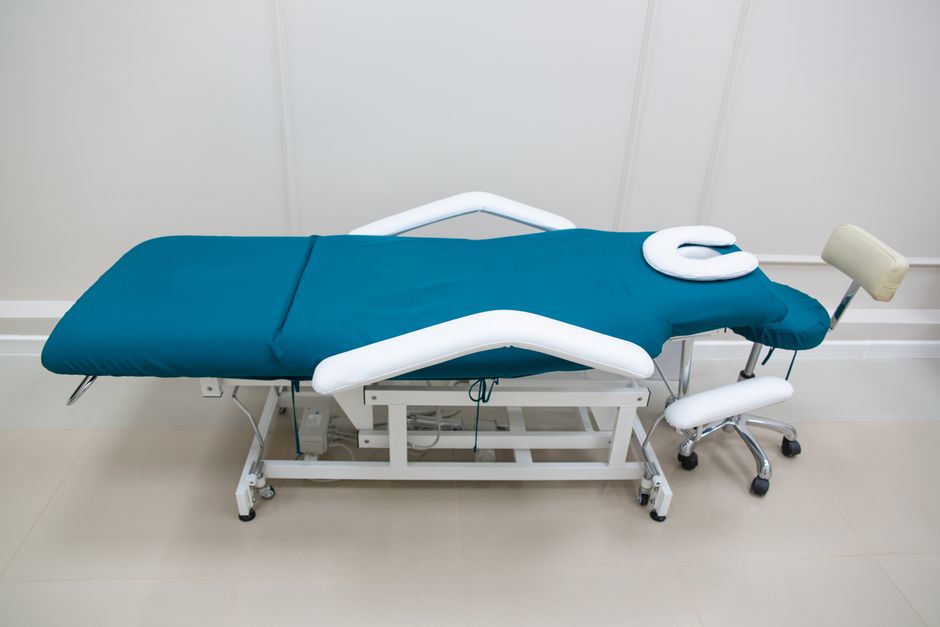
The first time I contacted a Seoul clinic, I got a quote for $4,800 on a Saturday and $6,200 from the same clinic on Monday. Foreigner pricing isn’t a myth — it’s a reality in Korean medical tourism. As of 2026, clinics often mark up international patients by 20–40% because they assume you can’t access local pricing platforms.
This guide walks you through the exact system Korean locals use to compare prices, how to ask for quotes that reflect what the clinic publishes for its domestic market, and the red flags to spot before you wire a deposit.
There’s one mistake 90% of medical tourists make that costs them thousands — I’ll cover it in the Common Mistakes section.
How to Get a Quote From a Korean Plastic Surgery Clinic: Step‑by‑Step
1. How do I research clinics before requesting a quote?
Start by cross‑referencing three official sources: JCI accreditation, MFDS regulatory status, and HIRA procedure volume reports. A clinic that scores well on all three is worth your time.
JCI (Joint Commission International) accredits hospital quality globally. In Korea, over 30 hospitals hold JCI accreditation, including Samsung Medical Center and Severance Hospital. If your prospective clinic isn’t JCI‑accredited, it doesn’t mean it’s bad — but you’ll want a stronger reason to trust it.
The MFDS regulates medical devices and cosmetic injectables like Botox. If a clinic uses MFDS‑approved filler brands (e.g., Neuramis or YVOIRE), it’s a good sign. Avoid clinics that can’t show you their MFDS registration number for dermal fillers or sutures.
2. What information should I prepare for a quote?
Clinics need your medical file and visual references to give an accurate estimate. At minimum, provide:
- Clear, unfiltered photos from front, side, and 45‑degree angles (natural light).
- Your age, height, weight, and any chronic conditions (especially myopia, which can affect eyelid surgery planning).
- If you are seeking blepharoplasty to correct ptosis, mention that specifically — ptosis correction is a functional procedure and may be partially covered by Korea’s national insurance, lowering your out‑of‑pocket cost.
- List of previous surgeries or allergies, plus any medications you take.
A vague request such as “I want a nose job” tends to invite a high, padded quote. If you can show you understand the procedure names (e.g., double eyelid surgery vs. ptosis correction), the clinic knows you’ve done your homework.
3. How do I submit an inquiry to a Korean clinic?
Use both the clinic’s official English inquiry form AND a Korean price‑comparison platform to benchmark. The English form will quote you a foreigner price; the Korean platform shows what locals pay.
Korean platforms like Gangnam Unni or Babitalk list real prices paid by Korean patients (after tax) for thousands of procedures. For example, a rhinoplasty that costs ₩3,500,000 on Babitalk might be quoted to you as ₩5,000,000 on the clinic’s English WhatsApp chat.
When you email the clinic, be specific:
- Include “Please quote local Korean pricing for a foreign patient” in the subject line.
- Attach your prepared photos and medical questionnaire.
- Ask for a breakdown: consultation fee (often waived for international patients), surgeon’s fee, anesthesia, hospital overnight stay (if any), and follow‑up visits.
Expect a reply within 2–5 business days. If you hear nothing, follow up via KakaoTalk — it’s the primary communication channel in Korea.
4. What should I look for in the quote I receive?
An honest quote includes the total cost in Korean won, a list of what’s included, and the validity period. Red flags include:
- A single lump sum with no itemization.
- A price quoted in USD or other foreign currency (markup alert).
- Expiration in less than 7 days (pressure tactic).
- No mention of whether tax (VAT 10%) is included.
According to ClinicsOnCall (2025), a typical rhinoplasty in Seoul ranges from $3,000 to $8,000; a double eyelid surgery from $1,500 to $4,000; a facelift from $7,000 to $18,500. If your quote significantly exceeds those ranges, you should question it.
| Procedure | Local Price Range (KRW) | Typical Foreigner Quote (USD) |
|---|---|---|
| Rhinoplasty | ₩3,000,000 – ₩6,000,000 | $3,000 – $8,000 |
| Double Eyelid Surgery | ₩1,500,000 – ₩3,000,000 | $1,500 – $4,000 |
| Blepharoplasty (ptosis correction) | ₩2,000,000 – ₩4,500,000 | $2,500 – $5,500 |
What are the most common mistakes when getting a Korean plastic surgery quote?
Mistake #1: Relying only on English‑language platforms. English sites like WhatClinic or Bookimed quote inflated prices. Always cross‑check on Gangnam Unni.
Mistake #2: Not asking about additional fees. Anesthesia, hospital stay, compression garments, and post‑op medication can add 30% to the base quote.
Mistake #3: Forgetting to mention medical conditions. Myopia can alter the outcome of double eyelid surgery because the surgeon needs to account for refractive error. Ptosis (drooping eyelids) may require a functional correction, which insurance may partially cover — but only if you flag it.
Mistake #4: Booking through a “free” agency. Many agencies take a 15–25% commission and pretend they don’t. Confirm with the clinic directly whether they have a partnership with any agency.
Expert insight: How do medical tourism consultants verify clinics?
Frequently Asked Questions
How much does Korean plastic surgery cost?
Prices for common procedures range from $1,500 for double eyelid surgery to $18,500 for a full facelift. This aligns with data from ClinicsOnCall (2025). Rhinoplasty averages $3,000–$8,000. Keep in mind that these are foreigner prices; Korean locals often pay 20–40% less. The total includes consultation, surgeon fee, anesthesia, and follow‑up — but always confirm what’s included.
Which country is no. 1 in plastic surgery?
South Korea is widely considered the world leader in plastic surgery, measured by per‑capita procedures and technological advancement. According to the International Society of Aesthetic Plastic Surgery (ISAPS), Korea has the highest rate of cosmetic procedures per 1,000 people globally. The country also leads in advanced techniques like double eyelid surgery (Asian blepharoplasty) and facial contouring.
Which plastic surgery clinic is the best in Korea?
There is no single “best” clinic — but JCI‑accredited hospitals like Samsung Medical Center and Severance Hospital set the gold standard for safety. For cosmetic procedures, popular high‑volume clinics include JS Plastic Surgery, NANA Plastic Surgery, and DA Plastic Surgery. Always verify their HIRA procedure volume and MFDS compliance before booking. See our full list at Plastic Surgery Clinics in Korea.
What is the cheapest country to get plastic surgery?
Thailand and Turkey often offer the lowest prices for Western patients, but Korea provides the best value for Asian‑focused procedures like double eyelid surgery and jaw reduction. A rhinoplasty in Turkey may cost $1,500–$3,000, while in Korea it’s $3,000–$8,000. However, Korean clinics invest heavily in research and follow‑up care, which justifies the higher price for many patients. For an affordable Seoul option, check Affordable Plastic Surgery Clinics in Seoul.
Related Reading
- Affordable Plastic Surgery Clinics in Seoul
- Plastic Surgery Clinics in Korea
- Plastic Surgery Clinics in Seoul
Last updated: May 02, 2026
“`