
- Most full body checkups in Korea take 3–5 hours for the basic comprehensive program.
- If you add an MRI, PET-CT, or colonoscopy, expect a full day (6–8 hours).
- Results are typically delivered within 7 days — many hospitals offer digital reports in 3–5 days.
- At KMI (Korea’s largest screening center), the standard program takes about 3 hours for 72+ tests at around $400.
You’re planning a trip to Seoul. Between the K-beauty clinics, the street food, and the palaces, you’ve carved out a morning for a full body checkup. But the big question is: how long does this actually take? Will you be done by lunch? Or does it eat up two days?
The short answer: you can walk in, finish the tests, and be out in under half a day. But the exact time depends on the program you choose, the hospital’s efficiency, and whether you opt for advanced imaging.
As of 2026, Korea’s medical system is built for speed without sacrificing thoroughness — a key reason why medical tourism here keeps booming.
I’ve visited five different health checkup centers in Seoul over the past year, from small private clinics to JCI-accredited hospitals like Samsung Medical Center and Severance Hospital. Here’s exactly what to expect time-wise — and how to plan your schedule around it.
| Program Type | Estimated Duration | Average Cost (KRW) | Results Timeline |
|---|---|---|---|
| Basic Comprehensive | 3–4 hours | 300,000 – 500,000 | 3–7 days |
| Advanced (MRI/PET-CT included) | 6–8 hours (full day) | 1,000,000 – 2,500,000 | 5–10 days |
| Executive / VIP | 4–6 hours | 1,500,000 – 3,000,000 | Same day or 2–3 days |
How long does a full body checkup actually take in Korea?
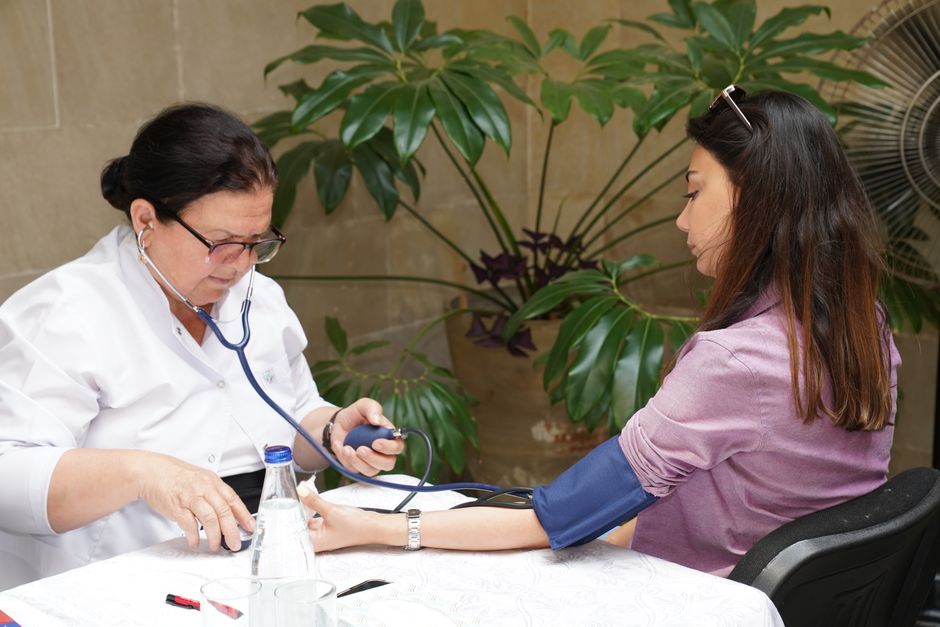
Most comprehensive checkups take 3 to 5 hours from registration to discharge. This includes blood draws, urinalysis, vision and hearing tests, abdominal ultrasound, chest X-ray, ECG, and a consultation with a physician.
At KMI Hanam Center, I clocked the standard program at exactly 3 hours 10 minutes — including the 15-minute breakfast break they offer after blood draw. The Reddit user who posted about their experience at SNUH reported a similar 3-hour window.
If your package includes an MRI or PET-CT, plan for a full day. MRI scheduling can add 2–3 hours because the scans take 30–60 minutes each, and there’s often a wait for the machine.
Colonoscopy adds preparation time (you’ll need to fast and take bowel-prep meds the night before) and about 1 hour for the procedure itself.
What factors affect the total time of a checkup?
Does the hospital’s JCI accreditation affect wait times?
Yes — JCI-accredited hospitals like Samsung Medical Center and Severance Hospital tend to have faster, more streamlined processes. JCI accreditation requires international standards of patient flow, which often translates to shorter waits between tests.
Busan’s Haeundae Paik Hospital (also JCI-accredited) runs a similar schedule. But be aware: premium hospitals sometimes have higher demand, so booking 2–3 weeks ahead is wise.
Do language barriers add extra time?
Not significantly if you choose a center with an international clinic. Most major checkup centers in Seoul offer English-speaking coordinators. The VisitKorea page notes that foreigner-specific programs include a dedicated translator — this actually reduces time because you skip the hassle of re-doing forms.
However, if you show up without an appointment at a local Korean-only clinic, expect a 30-minute extra wait for paperwork translation. Always pre-book through a medical tourism agency or the hospital’s global website.
When will I receive my test results?
Most hospitals deliver results within 7 days. For basic programs, you’ll get a printed report and sometimes a USB drive with images. Some centers like KMI now offer online portals where you can download PDF reports in 3–5 days.
At Seoul National University Hospital (SNUH), the official website states: “You will get the results in 7 days.” They ask for two ID photos (3cm×4cm) if you need a physical report.
If you request an expedited report — say because you’re leaving Korea sooner — some VIP programs can give you a preliminary verbal summary the same day, with full written results in 48 hours. That costs extra, typically an additional 100,000–200,000 KRW.
How much does a full body checkup cost in Korea?
Prices range from $300 for a basic program to $2,500+ for advanced imaging. The HIRA (Health Insurance Review & Assessment Service) sets guidelines for covered procedures, but checkups are largely out-of-pocket for foreigners. Still, they’re 50–70% cheaper than equivalent U.S. or Japanese packages.
Here’s a snapshot from the top-ranking pricing:
| Center | Basic (KRW) | Advanced (KRW) |
|---|---|---|
| KMI | 500,000 | 1,200,000 |
| SNUH | 138,000 (basic only) | ~1,500,000 |
| Samsung Medical Center | 600,000 | 2,000,000 |
What is the 52-hour rule and the 3-day rule in Korea?
What is the 52-hour rule in Korea?
The 52-hour rule is a labor law limiting the maximum working hours per week to 52 (40 regular + 12 overtime). This applies to hospitals and clinics too.
It means that most checkup centers operate strictly between 7:00 AM and 6:00 PM on weekdays, with no evening appointments for full checkups.
Why does this matter to you? Because if you’re visiting over a weekend, many centers are closed or have limited hours. Plan your checkup for a Monday–Thursday morning to avoid the 52-hour-related closures.
What is the 3-day rule in Korea?
The “3-day rule” often refers to the required fasting period before a colonoscopy or certain blood tests. In Korea, doctors typically ask you to stop eating solid food 3 days before a colonoscopy — not 1 day like in some other countries.
This ensures the bowel is completely clean for accurate imaging.
If your checkup includes a colonoscopy, factor in 72 hours of a liquid diet and a full day of prep. That’s part of the reason why comprehensive checkups with colonoscopy can stretch to 2–3 days of total commitment, even though the actual procedure takes only 1 hour.
Why is thyroid cancer so common in Korea?

Korea has the highest thyroid cancer incidence rate in the world — roughly 10 times higher than the global average. This is due to widespread, aggressive screening using ultrasound. Many cases detected are small, low-risk tumors that might have never caused symptoms.
Because of this, most Korean checkup packages include a thyroid ultrasound as standard. The MFDS regulates the ultrasound devices, and HIRA tracks screening rates.
If you have myopia (nearsightedness) or ptosis (drooping eyelid), both are common conditions in Korea — and incidentally, blepharoplasty is often performed to correct ptosis.
Many patients combine a checkup with a cosmetic consultation for blepharoplasty or rhinoplasty, taking advantage of Korea’s expertise in double eyelid surgery. Even dental implant consultations can be added to the same trip.
How do JCI-accredited hospitals and MFDS regulations ensure checkup quality?
JCI accreditation guarantees that hospitals meet world-class safety and efficiency standards. This directly impacts how long you wait: JCI standards require that patient flow is optimized, test results are tracked electronically, and that repeat visits are minimized.
Additionally, the MFDS (Ministry of Food and Drug Safety) regulates all medical devices — from blood analyzers to MRI machines — ensuring they are calibrated and safe. This is why results are reliable.
The HIRA (Health Insurance Review & Assessment Service) also provides public data on hospital performance, so you can cross-check a center’s efficiency rates online before booking.
What should I do before and after a full body checkup?
Before the checkup: How to prepare for a smooth experience?
Fast for 8–12 hours (no food or drink except water) for blood tests. If you have a colonoscopy, follow the 3-day liquid diet. Bring your ID, passport, and any previous medical records. Wear loose, comfortable clothing — no metal buttons for X-rays.
Many centers provide a light meal after the blood draw. At KMI, they served rice porridge and tea — included in the price.
After the checkup: When can you travel or do other activities?
You can resume normal activities immediately after a standard checkup. No recovery time needed. If you had a colonoscopy with sedation, plan to rest for 2 hours and avoid driving. For MRI with contrast, drink extra water to flush the dye.
Most patients then head to Myeongdong shopping or hop on the subway to their next appointment — even a follow-up consultation for rhinoplasty or blepharoplasty that same afternoon.
Frequently Asked Questions
Can I get a full body checkup in Korea as a tourist without a visa?
Yes. Tourists on a visa-waiver or B-2 visa can undergo checkups. You don’t need a medical visa. Just book ahead and bring your passport.
Are the results accepted by my home country doctor?
Most Korean checkup results are accepted internationally. Reports are often bilingual (Korean + English) and include lab values with standard reference ranges. JCI-accredited hospitals ensure results meet global standards.
Do I need to be Korean to use the national health checkup subsidy?
No, the subsidized checkup is for Korean nationals or long-term residents. Foreign tourists must pay the full price. But even the non-subsidized cost is low ($300–$500) compared to other countries.
Can I choose which tests to include?
Yes, most centers offer build-your-own packages. You can add MRI, PET-CT, or specific cancer markers. Just tell the coordinator during booking.
What happens if an abnormality is found?
The hospital will recommend follow-up tests or a specialist visit. Many centers have on-site specialists in cardiology, oncology, and ophthalmology. For conditions like myopia or ptosis, you can get an immediate referral for blepharoplasty or glasses prescription.
Related Reading
- Hospitals for Full Body Checkup in Seoul
- Best Executive Health Checkup Packages in Korea
- Hospitals for Full Body MRI in Seoul
Last updated: May 02, 2026