
- Minimum stay: 7–10 days for incisional double eyelid surgery (stitch removal at day 5–7).
- Non-incisional (suture) method: 3–4 days post-op is usually enough — no stitches to remove.
- Plan 2 extra days before surgery for consultation, health checks, and settling in.
- Stay longer (10–14 days) if you’re combining with rhinoplasty, fat grafting, or revision surgery.
So you’re finally doing it — booking that double eyelid surgery in Korea. You’ve researched clinics, checked before-and-after photos, and maybe even put down a deposit. But one question keeps coming up: exactly how many days do you need to stay in Korea?
A common mistake is that people book a 5-day trip and end up stressed, swollen, and scrambling for a last-minute extension. Let me save you from that headache.
As of 2026, the global medical tourism market for eyelid surgery alone is estimated at $3.2 billion, with South Korea holding the largest share. The country’s HIRA-registered plastic surgeons perform over 100,000 double eyelid surgeries annually, and most international patients come from the U.S., Japan, and Southeast Asia.
| Procedure Type | Recommended Stay | Stitch Removal | First Flight Home |
|---|---|---|---|
| Non-Incisional (suture) | 3–4 days post-op | Not needed | Day 3–4 |
| Incisional (full crease) | 7–10 days post-op | Day 5–7 | Day 10–14 |
| Revision / Scar revision | 10–14 days post-op | Day 7–10 | Day 14–21 |
| Combined with rhinoplasty | 10–14 days post-op | Per procedure | Day 14+ |
How Many Days Do I Need to Stay for Incisional vs. Non-Incisional Double Eyelid Surgery?
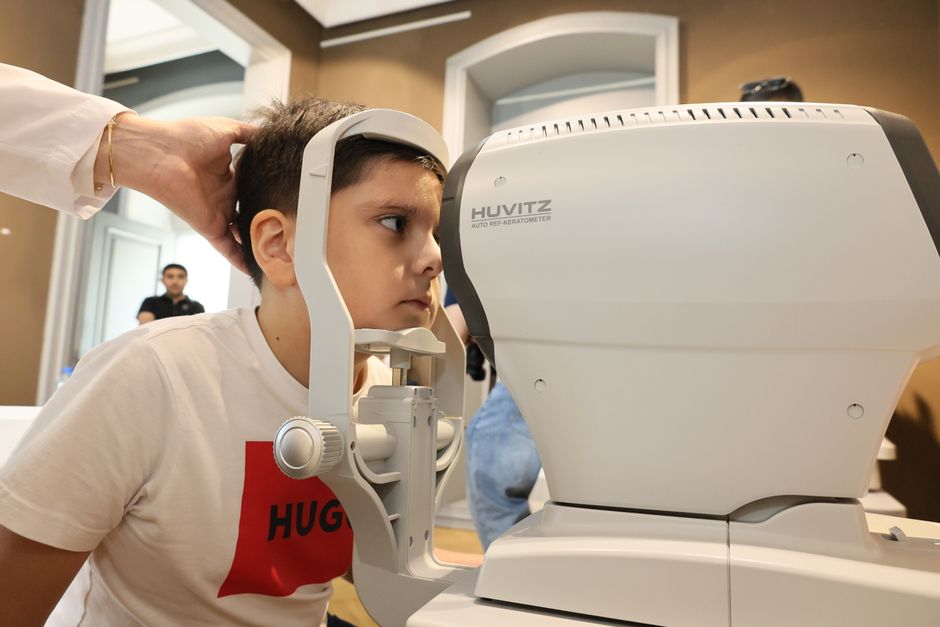
The answer depends entirely on whether you’re getting incisional (open) or non-incisional (suture) double eyelid surgery. The non-incisional method heals faster because no skin is cut — just a thin suture is passed through the eyelid to create a fold.
For non-incisional, most clinics recommend staying just 3–4 days after surgery. You can fly home the same day as your final post-op check. The MFDS regulates the absorbable sutures used, so there’s no removal needed. Many patients fly out on day 4 feeling fine, just a little swollen.
But incisional double eyelid surgery is a different story. You’ll have external stitches that need to be removed around day 5 to 7.
If you fly home before removal, you’ll either need a local doctor to take them out — which can be tricky if they don’t know the technique — or risk infection.
Why Do Most Clinics Recommend 7–10 Days for Incisional Double Eyelid Surgery?
The 7–10 day recommendation isn’t arbitrary — it aligns with the stitch removal schedule and the peak swelling phase. Most swelling peaks at 48–72 hours. By day 5, you look presentable in sunglasses. By day 7, the visible bruising is minimal enough that coworkers won’t ask questions.
Here’s the critical part: your surgeon needs to examine the wound after stitch removal. If there’s any gaping or asymmetry, they can intervene immediately. That’s impossible once you’re on a 14-hour flight back home.
Can I Travel Home Right After Stitch Removal?
Yes, but only after your surgeon clears you — and you’ll need to manage swelling during the flight. Most patients fly home the same day or the day after suture removal. Just keep in mind: the cabin pressure can increase swelling for some people.
I recommend using an ice pack wrapped in a cloth during the flight. And absolutely avoid alcohol 24 hours before flying — it thins the blood and can worsen bruising.
How Long to Recover from Double Eyelid Surgery in Korea — A Full Timeline
This is the question from the People Also Ask box, and the answer is: visible recovery takes about 2 weeks, but final results settle at 3–6 months. Most patients feel comfortable going out in public (with sunglasses) at day 5–7. By day 14, makeup can cover residual bruising.
Here’s the weekly breakdown:
- Day 1–3: Peak swelling and bruising. Ice packs every 2 hours. No shower water on face.
- Day 4–5: Swelling starts dropping. Stitches come out at day 5–7.
- Day 6–10: You look “presentable” — some puffiness remains, but eyes are open and symmetrical.
- Week 3–4: 80% of swelling is gone. Crease appears natural.
- Month 3: Scar softening begins. Final fold height visible.
- Month 6–12: Complete healing. Scars are almost invisible.
What About Revision Double Eyelid Surgery? Do I Need a Longer Stay?
Yes, revision or secondary double eyelid surgery requires a longer recovery period — typically 10–14 days in Korea. Scar tissue from a previous surgery heals more slowly, and the skin may not respond as well to tension.
Revision cases also require more precise stitch removal techniques. A HIRA-registered specialist must examine the wound to ensure the scar line is flat. If you fly home too early, you risk a thickened scar that needs a second revision — exactly what you want to avoid.
Is Korea Really the Best Country for Double Eyelid Surgery?
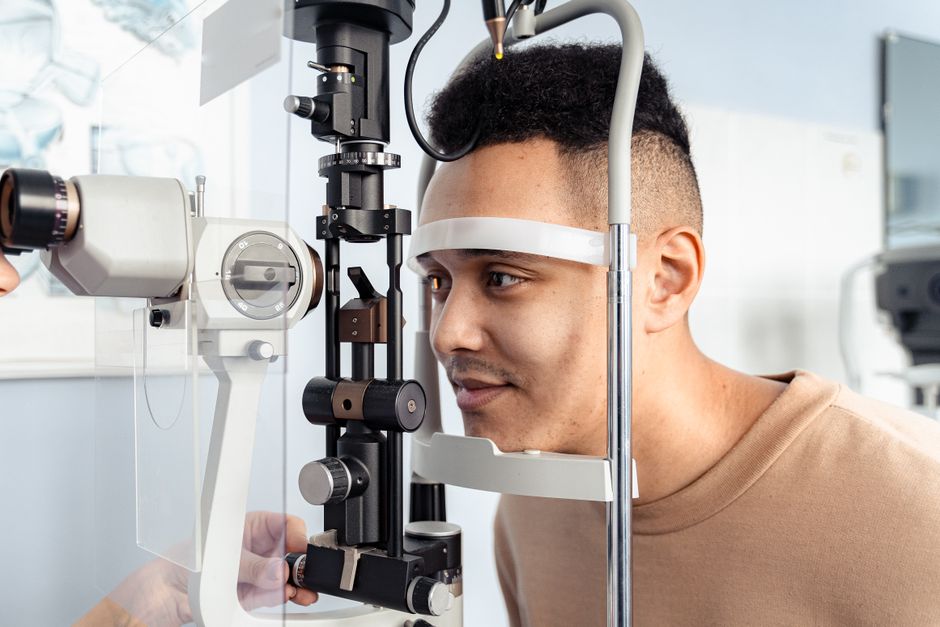
Yes, South Korea is widely considered the global leader for double eyelid surgery, particularly in the Apgujeong district of Seoul.
What makes Korea stand out? JCI accreditation of major hospitals like Samsung Medical Center and Severance Hospital ensures international safety standards. The MFDS regulates all medical devices and injected materials, and HIRA oversees the quality of procedures. No other country has this triple-layer oversight for cosmetic surgery.
Additionally, Korean plastic surgeons perform such high volumes of double eyelid surgery that their complication rates are among the lowest globally.
How Common Is Double Eyelid Surgery in South Korea?
It’s the most performed cosmetic surgery in the country, with over 130,000 procedures in 2025 alone. That’s not just tourists — it includes locals. For context, double eyelid surgery in Korea is more common than rhinoplasty and facelift combined. You’ll see signs for it on nearly every block in Apgujeong.
For international patients, it’s also the entry procedure: about 40% of first-time medical tourists to Korea start with double eyelid surgery, then return for other procedures like rhinoplasty or dental implants.
When Should I See a Professional During My Stay?
You should visit your clinic at least three times: pre-op, the morning after surgery, and at stitch removal. Some clinics also schedule a check on day 10 or 14. If you experience any of the following, contact them immediately:
- Excessive bleeding or bright red blood in dressing
- Severe pain not controlled by prescribed medication
- Fever over 38°C (100.4°F)
- Vision changes or double vision
- Asymmetry that seems worse than day 1
Expert Perspective: How Long Should You Really Budget?
If you’re combining double eyelid surgery with another procedure like rhinoplasty or LASIK, add 3–5 more days to the lower end.
For example, incisional double eyelid + rhinoplasty = minimum 12–14 days in Korea. Don’t gamble on “I’ll heal fast” — your body will thank you for the extra time.
Frequently Asked Questions
What is the regret rate for blepharoplasty?
The overall regret rate for double eyelid surgery is low — around 6–8% when performed by an experienced surgeon in a JCI-accredited facility. Most regrets are due to unrealistic expectations rather than surgical error. Discuss your desired fold height clearly during consultation.
Which country is best for double eyelid surgery?
South Korea remains the top destination, followed by Thailand and Japan. Korea leads due to surgeon volume, affordable pricing, and stringent regulation by MFDS and HIRA. However, the long recovery flight from the Americas is a downside — hence the need to stay longer.
Can I get double eyelid surgery without staying in Korea?
Technically no — you must be physically present for at least 3 days for non-incisional, or 7 days for incisional. Some online consultations exist, but surgery requires an in-person visit. If you cannot stay, consider local options in your home country, though quality may differ.
Do I need a visa to stay 14 days in Korea for surgery?
Most nationalities get visa-free entry for stays up to 90 days, so 14 days is fine. Always check your country’s agreement with South Korea. Visa-free travel covers medical tourism with no special documentation required.
Related Reading
- Double Eyelid Surgery Clinics in Korea
- Eyelid Surgery Clinics in Seoul
- Plastic Surgery Clinics in Korea
Last updated: May 02, 2026