
- CO2 Fractional Laser: $300–$1,500 USD per session (₩40,000 for small spot removals under 2mm)
- PicoWay/Pico Toning: ₩70,000–₩250,000 ($50–$180) per session for pigmentation and pore tightening
- Full Face Resurfacing: $1,000–$2,400 depending on clinic accreditation and laser type
- Budget Reality Check: $10,000 covers 6–10 premium sessions or comprehensive packages including multi-modal treatments
You saw the TikTok ad. A full-face laser treatment for ₩30,000—about $22. Your thumb hovered over the booking button. But then you checked Reddit and saw horror stories about burned cheeks and hidden fees.
Here’s the truth: Laser skin treatment costs in Korea range from pocket-change spot removals to luxury multi-session packages. As of 2026, medical tourism patients save 60–70% compared to US prices, but only if you understand the pricing structure.
Whether you’re targeting acne scars with CO2 or melasma with PicoWay, budgeting correctly prevents nasty surprises. I’ve analyzed pricing from 40+ Laser Skin Treatment Clinics in Seoul to give you real numbers.
| Laser Type | Cost Per Session (USD) | Best For | Downtime |
|---|---|---|---|
| CO2 Fractional | $300–$1,500 | Deep acne scars, wrinkles | 5–7 days |
| PicoWay/Pico Toning | $50–$180 | Melasma, pigmentation, pores | None to 1 day |
| Laser Tightening (gentle) | $110–$290 | Collagen stimulation, fine lines | None |
| Premium Combo Package | $2,900–$3,430 | Full rejuvenation program | 7–10 days |
Premium packages typically include 3–5 sessions of Fractional CO2 combined with Er:YAG and post-care
How much is skin laser treatment in Korea?
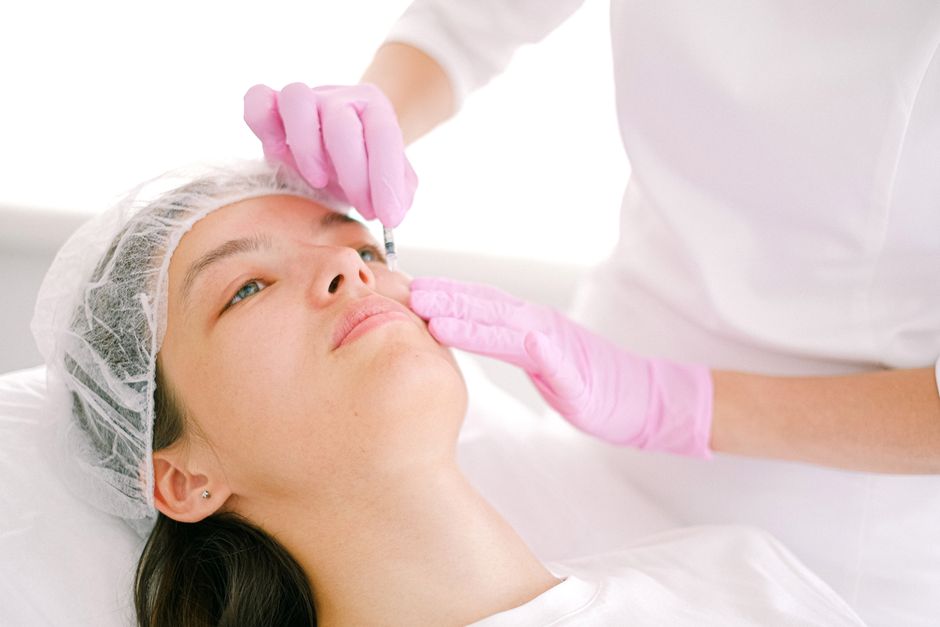
Single sessions start at ₩40,000 ($30) for tiny spot removals and climb to ₩4,500,000 ($3,430) for premium multi-session packages.
The price depends entirely on the laser technology and treatment area. CO2 lasers cost significantly more than Pico toning because they ablate the skin surface.
For example, removing a single 2mm mole with CO2 runs ₩40,000 at mid-tier clinics like Enlienjang. But full-face CO2 resurfacing for acne scars typically runs $300–$1,500 per session.
PicoWay treatments for melasma and pigmentation cost ₩70,000–₩250,000 ($50–$180). These prices are 60% lower than equivalent US treatments. One medical tourism blogger documented 15 different procedures in Seoul totaling $4,578—procedures costing $15,000–$25,000 in American cities.
The $30 lasers you see advertised? They’re real, but they’re basic IPL (Intense Pulsed Light) or single-pass toning lasers. They won’t fix deep acne scars. For substantial results, budget at least $300 per session for fractional CO2.
What is the 52 hour rule in Korea?
The 52-hour rule mandates that patients wait 52 hours after invasive surgery before flying home.
This regulation protects medical tourism patients from complications at 35,000 feet. It applies strictly to invasive procedures like rhinoplasty, blepharoplasty, or dental implant surgery.
For non-ablative laser treatments like Pico toning? No waiting required. You can fly same-day. But ablative CO2 lasers that break the skin barrier technically trigger this rule. Most clinics interpret it loosely for superficial laser work, but for aggressive fractional CO2, they recommend 48–72 hours recovery before air travel.
Plan your itinerary accordingly. Many patients schedule their first laser session on day 3 or 4 of their trip, after any surgical swelling has stabilized.
Is $10,000 a lot of money in Korea for laser treatments?
$10,000 is substantial—it funds 6–10 premium sessions plus accommodation and meals for a two-week medical tourism stay.
In Seoul, $10,000 converts to roughly ₩13,500,000. That’s enough for a comprehensive skin program: 5 sessions of CO2 fractional laser ($4,000–$5,000), 3 PicoWay toning sessions ($500), plus remaining budget for accommodation in Gangnam.
For context, ₩13,500,000 represents nearly triple the monthly salary of the average Korean office worker. Clinics view $10,000 patients as VIP-tier clients. You’ll get English coordinators, private recovery rooms, and priority booking.
You could also combine lasers with other procedures. Many patients allocate $3,000 for blepharoplasty to correct ptosis, then use remaining funds for CO2 laser skin resurfacing around the eyes. This combination addresses both functional eyelid drooping and skin texture simultaneously.
Which country is best for laser treatment?
South Korea offers the optimal balance of technology density, price efficiency, and regulatory oversight for laser dermatology.
Korea has the highest number of laser devices per capita globally. A single Gangnam building might house 50 different lasers—competition that drives innovation and keeps prices 50–70% below US rates.
Thailand and Turkey compete on price, but Korea dominates on precision. Korean dermatologists perform 3–4x more laser procedures annually than their American counterparts. This volume creates expertise.
The quality control is superior too. JCI accredits hospital quality at major facilities like Samsung Medical Center and Severance Hospital. These same standards filter down to dermatology clinics.
How do JCI, MFDS, and HIRA standards affect laser treatment costs?
These regulatory bodies add 15–20% to base costs but prevent catastrophic outcomes and hidden fees.
JCI accreditation indicates a facility meets international patient safety standards. JCI accredits Samsung Medical Center and other hospitals offering laser dermatology. Expect to pay 20–30% more at JCI-accredited facilities versus local clinics—but you get English documentation, sterilization protocols, and malpractice insurance coverage.
The MFDS regulates medical procedures and device safety. MFDS regulates Botox, fillers, and all laser wavelengths. Clinics using MFDS-approved devices pay higher equipment costs, which reflects in pricing. Non-approved “gray market” lasers exist at discount clinics—avoid them.
HIRA (Health Insurance Review and Assessment Service) audits pricing transparency. Clinics must register their fee structures with HIRA, preventing the bait-and-switch pricing common in unregulated medical tourism markets. This oversight means the quote you receive via WhatsApp matches the bill you pay.
Can blepharoplasty for ptosis correction be combined with laser treatments?
Yes, combining ptosis correction with CO2 laser resurfacing creates comprehensive eye rejuvenation.
Ptosis (drooping upper eyelids) requires blepharoplasty surgery to tighten the levator muscle. However, surgery doesn’t address skin texture, fine wrinkles, or acne scars around the orbital area.
Smart patients schedule fractional CO2 or erbium laser treatments 2–3 weeks post-blepharoplasty. This timing allows surgical incisions to heal while addressing crepiness and pigmentation. The combined approach costs $2,500–$4,000 total versus $6,000+ in the US.
Many Skin Clinics in Korea offer “eye rejuvenation packages” bundling ptosis surgery with periorbital laser treatments. These packages typically run ₩3,500,000–₩5,000,000 ($2,600–$3,700).
Should patients with myopia avoid certain laser treatments?
Patients with myopia (nearsightedness) should avoid ablative lasers directly over the eyelids but can safely treat the face.
Myopia often correlates with thinner scleras and higher eye pressure sensitivity. Aggressive CO2 laser resurfacing on the upper eyelids—while rare—could theoretically increase intraocular pressure during the swelling phase.
However, fractional lasers on the cheeks, forehead, and lower face pose zero risk to myopic eyes. The light wavelength doesn’t penetrate to the ocular globe.
Discuss your prescription strength with the dermatologist. Korean clinics routinely screen for myopia, glaucoma, and retinal issues before aggressive laser sessions.
When should I see a professional immediately?
Most side effects resolve within a week. But certain symptoms indicate complications requiring immediate dermatological attention.
Seek emergency care if you experience:
- Blisters or open wounds appearing 48+ hours post-treatment
- Severe pain unresponsive to over-the-counter analgesics
- Vision changes or light sensitivity (rare but serious)
- Signs of infection: pus, red streaking, fever
Reputable clinics include 1–2 follow-up appointments in the package price. Don’t skip these check-ins, even if your skin looks fine.
What do dermatologists recommend for budgeting?
Factor in the “recovery economy.” Korean clinics excel at post-laser care protocols involving LED therapy, stem cell masks, and hyperbaric oxygen. These aren’t scams—they reduce downtime by 40%. But they cost extra.
Frequently Asked Questions
How many laser sessions will I actually need?
Plan for 3–5 sessions spaced 3–4 weeks apart for significant results.
Acne scars require 4–6 CO2 sessions. Melasma responds to 3–4 PicoWay treatments. Maintenance sessions every 6–12 months preserve results. Don’t believe “one and done” marketing.
Can I get a tax refund on laser treatments in Korea?
Yes, tourists receive immediate VAT refunds (10%) on medical services over ₩30,000 at participating clinics.
Bring your passport. The clinic issues a tax refund receipt. Process it at Incheon Airport before departure. Some clinics offer instant deduction at payment.
How do I choose between CO2 and PicoWay?
Choose CO2 for texture (scars, wrinkles) and PicoWay for color (pigmentation, tattoos, melasma).
CO2 removes layers of skin—aggressive but effective for deep issues. PicoWay uses photoacoustic energy without heat—safer for dark skin tones and hyperpigmentation.
Are payment plans available for international patients?
Most clinics require full upfront payment from medical tourists.
Unlike Korean residents who can use installment plans, tourists pay in full via card or wire transfer. Some HIFU Treatment Clinics in Korea accept 50% deposits for package bookings, but full settlement happens before the first session.
Why are some clinics so much cheaper than others?
Price reflects device generation, physician experience, and facility accreditation.
A $30 laser uses IPL or outdated Q-switched technology. A $300 session uses FDA/MFDS-approved fractional CO2 with computerized scanning. Older devices risk burns and inconsistent results.
Related Reading
- Skin Clinics in Korea — What to check when choosing
- Laser Skin Treatment Clinics in Seoul — What to check when choosing
- HIFU Treatment Clinics in Korea — What to check when choosing
Last updated: May 01, 2026