
- Cost savings reach 80% on procedures like rhinoplasty and dental implants compared to US prices, even after flights and hotels.
- JCI accredits 43 Korean hospitals to the same standards as Mayo Clinic, but the mandatory 52-hour cooling-off rule means you cannot get cosmetic surgery on your first day.
- Downsides include follow-up care logistics and Korea’s unique diagnostic culture where doctors expect multiple hospital visits for confirmation.
You’re staring at the “Book Now” button. The quote for your rhinoplasty or dental implant is sitting in your inbox, costing 60% less than your local surgeon. But you’re wondering if the savings are worth the 14-hour flight. I get it.
Over the past 15 years, Korea has rapidly improved medical tourism infrastructure to become a top destination for high-quality care, yet the experience differs wildly from Western medicine.
This isn’t just about cheap Botox. It’s about understanding whether Korea’s system—where JCI accredits hospital quality alongside strict MFDS regulations—actually fits your specific medical needs and recovery style.
| Procedure | Seoul Cost (USD) | US Cost (USD) | Min. Stay Required |
|---|---|---|---|
| Rhinoplasty | $3,000 – $5,000 | $10,000 – $15,000 | 10-14 days |
| Dental Implant (per tooth) | $800 – $1,200 | $3,000 – $5,000 | 7-10 days |
| LASIK (both eyes) | $2,000 – $2,800 | $4,000 – $6,000 | 3-5 days |
| SMILE (Myopia) | $2,200 – $2,800 | $3,500 – $4,500 | 3-5 days |
| Double Eyelid Surgery | $1,500 – $2,500 | $4,000 – $7,000 | 7-10 days |
Is Medical Tourism to Korea Actually Worth the Investment for You?
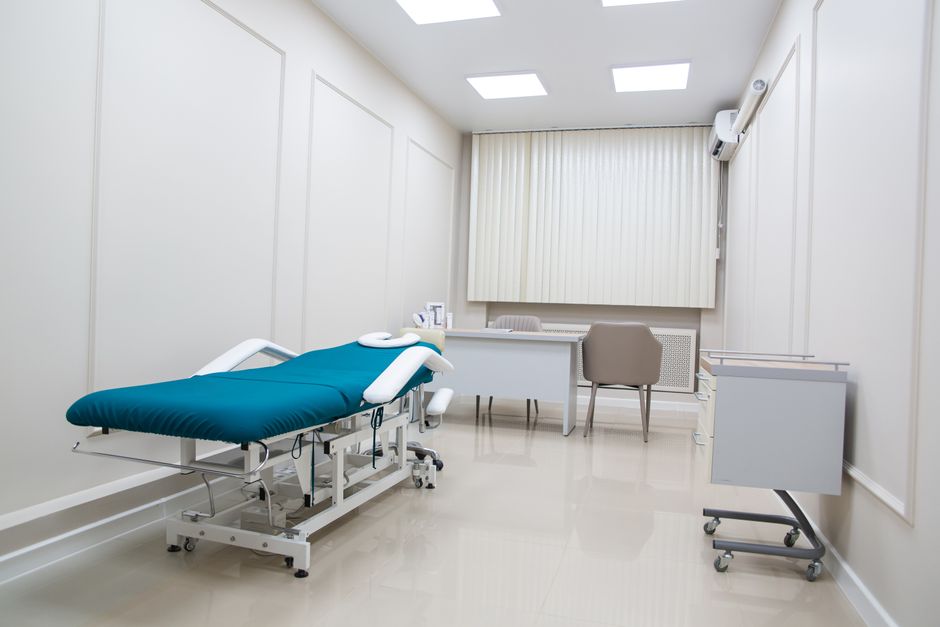
If your quoted procedure costs over $5,000 at home, medical tourism to Korea typically delivers 40-80% total savings even after accounting for airfare and accommodation. That rhinoplasty you priced at $12,000 in California? It runs $3,000-$5,000 at a JCI-accredited Seoul clinic. A single dental implant drops from $4,500 to under $1,200.
But here’s the thing. The math only works if you’re a candidate for the “treatment plus tourism” model. Korea built its infrastructure specifically for elective procedures—plastic surgery, vision correction, and spinal treatments—not emergency care.
As of 2026, over 400,000 international patients visit annually, with spinal problems and ophthalmology ranking as major drivers alongside aesthetic procedures.
The quality isn’t “discount” medicine. Korea ranks in the global top 5 for 5-year cancer survival rates and ophthalmological outcomes. However, the cultural approach differs.
Koreans place a high value on diagnosis, often visiting multiple hospitals to undergo the same tests before confirming a treatment plan. This redundancy ensures accuracy but frustrates Western patients expecting a single decisive consultation.
How Does JCI Accreditation Separate Elite Korean Hospitals from the Rest?
JCI accredits hospital quality to the exact same standards used by Cleveland Clinic and Johns Hopkins, and 43 Korean facilities currently hold this certification. When JCI accredits Samsung Medical Center or JCI accredits Severance Hospital, it means they’ve passed unannounced triennial surveys checking 1,200+ measurable standards—from fire safety in operating rooms to hand-washing compliance rates.
Not every shiny clinic in Gangnam qualifies. JCI accreditation is voluntary and expensive. Many local clinics serving only Korean patients skip it. For medical tourists, this distinction is critical. JCI standards mandate English-speaking patient coordinators, informed consent protocols, and specific sterilization procedures for international patients.
JCI accreditation also affects your travel insurance. Many international medical complication policies only cover procedures performed at JCI-accredited facilities. If you choose a non-accredited clinic for blepharoplasty or a facelift to save an extra $500, you might void your evacuation coverage.
What Is the 52 Hour Rule and How Will It Impact Your Surgery Schedule?
The 52-hour rule mandates a mandatory cooling-off period between your consultation and any cosmetic surgery, meaning you cannot fly in and out for a quick weekend procedure. This regulation fundamentally changes your trip planning. For medical tourists, this isn’t a suggestion—it’s Korean law enforced by the Ministry of Health.
What is the 52 hour rule in Korea?
The 52-hour rule requires a minimum waiting period of 52 hours between the initial consultation and the actual cosmetic surgery to prevent impulsive decisions. If you consult on Monday morning, the earliest you can operate is Wednesday afternoon. This applies to rhinoplasty, double eyelid surgery, liposuction, and most aesthetic procedures.
What is the 3 day rule in Korea?
The 3-day rule extends this waiting period to 72 hours for high-risk procedures like jaw reduction (V-line surgery) or extensive body contouring. MFDS regulates these specific timelines strictly. Clinics cannot legally waive them, even if you claim you’re certain about the surgery.
Medical procedures (non-cosmetic) like hernia repairs or spinal treatments often bypass this rule. But for the aesthetic tourism driving Korea’s market, plan accordingly. This rule protects you from regret but adds hotel costs to your budget.
How Do MFDS and HIRA Safeguard International Patients?
MFDS regulates medical procedures and devices with FDA-equivalent rigor, while HIRA monitors billing to ensure foreign patients pay the same rates as Korean citizens. This dual oversight prevents the “tourist pricing” common in other medical tourism hubs.
MFDS regulates Botox specifically—only 14 neurotoxin products are legally importable into Korea as of 2026, compared to looser regulations elsewhere in Asia.
MFDS also regulates implant materials for dental work and breast augmentation, requiring Korean-specific safety certifications even for European-made devices. This means your dental implant or silicone gel implant has passed two sets of regulatory hurdles.
HIRA (Health Insurance Review and Assessment Service) audits hospital bills. They check that clinics aren’t charging foreigners 300% markups hidden behind “international service fees.” If a hospital overcharges, HIRA can revoke their license to treat international patients—a death sentence for Seoul clinics dependent on medical tourism revenue.
Why Is Seoul the Global Capital for Myopia Correction and SMILE Surgery?
South Korea performs more vision correction surgeries per capita than any nation, with SMILE treating myopia at success rates exceeding 98% in major JCI-accredited eye hospitals. The country’s high baseline myopia rate (over 90% of young adults) forced early adoption of advanced laser technologies.
SMILE (Small Incision Lenticule Extraction) differs from traditional LASIK. It requires no flap creation, reducing dry eye complications. Korean clinics were among the first globally to adopt third-generation SMILE Pro platforms. When SMILE treats myopia here, surgeons often use femtosecond lasers with faster pulse rates than FDA-approved US equivalents.
The density of ophthalmology clinics in Gangnam rivals coffee shops. This competition drives down prices—LASIK runs $1,000-$1,400 per eye versus $2,000+ in the US—while maintaining stringent MFDS oversight of laser calibration and surgeon certification.
What Are the Downsides of Medical Tourism Nobody Talks About?
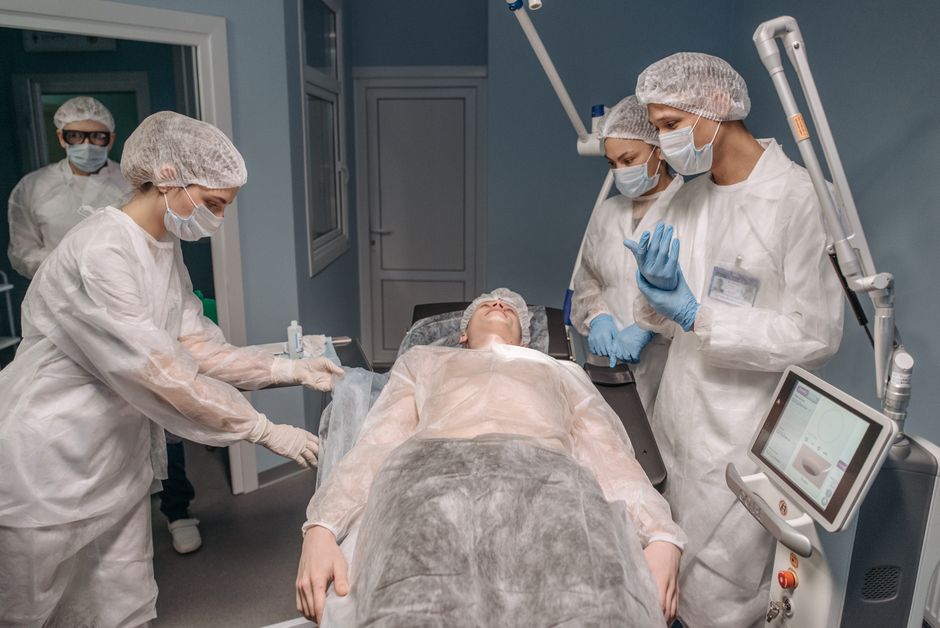
The downsides include complex follow-up care logistics, Korea’s diagnostic culture requiring multiple hospital visits, and the risk of needing revision surgery in your home country where surgeons charge premium “correction fees.” Medical tourism isn’t a vacation with a medical side trip. It’s a serious logistical operation.
Is South Korea good for medical treatment?
Yes, the technical quality is world-class, ranking in the global top 5 for oncology and ophthalmology, but the patient experience emphasizes speed and volume over Western-style bedside manner. Doctors see 50-70 patients daily. Consultations often last under 10 minutes.
What are the downsides of medical tourism?
Downsides include the 52-hour rule extending your trip, potential language barriers during emergency complications, and navigating Korea’s cultural preference for redundant diagnostic testing. Remember: Koreans visit multiple hospitals to undergo the same tests before trusting a diagnosis. As a foreigner, you might feel pressured to get second CT scans or blood panels “just to be safe,” adding costs.
Revision surgery presents the biggest financial risk. If your rhinoplasty results aren’t perfect, flying back to Korea for a free touch-up costs another $1,500 in airfare. Getting it fixed locally means paying a surgeon’s “revision premium”—often 50% higher than primary surgery because they’re correcting someone else’s work.
When Should You Reconsider Traveling to Korea for Medical Care?
You should avoid medical tourism to Korea if you have uncontrolled diabetes, bleeding disorders, or require emergency treatment within 48 hours. The logistics are unforgiving. If complications arise, you’ll need local support.
Patients with cardiac stents, recent strokes, or those taking blood thinners face higher risks. The flight itself—often 10-14 hours from North America or Europe—increases deep vein thrombosis risk post-surgery.
Additionally, if your procedure requires general anesthesia and you have a BMI over 35, many Korean clinics will refuse treatment due to higher complication rates, whereas US facilities might accommodate you.
What Do Medical Tourism Researchers Say About Korea’s Safety Record?
Frequently Asked Questions
Can I combine multiple procedures to maximize my trip?
Yes, but limit combinations to reduce surgical risk. Getting dental implants and double eyelid surgery simultaneously is common. However, avoid combining rhinoplasty (nasal airway work) with extensive liposuction due to anesthesia duration limits and recovery complexity.
Do Korean surgeons provide English medical records for my home doctor?
JCI-accredited hospitals provide English discharge summaries, but smaller clinics may not. Request your medical records (CDs of CT scans, operative reports) before leaving Seoul. MFDS requires clinics to retain patient records for 5 years, but retrieving them remotely is difficult.
Is Botox in Korea the same strength as in the US?
MFDS regulates Botox units differently; Korean clinics often use higher dilution rates. This means you might need more units to achieve the same effect as US Botox Cosmetic. Discuss specific unit counts, not just “areas,” during consultation to avoid under-treatment.
What happens if I need emergency care after returning home?
Your home country’s emergency rooms will treat complications, but insurance coverage varies. Many standard travel insurance policies exclude elective cosmetic surgery complications. Purchase specific medical tourism complication insurance that covers revision costs and extended stays.
How do I verify a clinic isn’t a “ghost clinic” (unlicensed)?
Check the MFDS website’s medical institution registry using the clinic’s business registration number. Legitimate facilities display this number prominently. JCI accreditation provides an additional verification layer, as unlicensed clinics cannot obtain it.
Related Reading
Ready to move forward? Here are specific resources to help you book safely:
- Medical Tourism Agencies in Korea — What to check before you choose
- Korean Medical Tourism Packages — What to check when choosing
- Hospitals in Korea for International Patients — What to check when choosing
Last updated: May 01, 2026