
Quick Answer: What to Eat After Surgery in Korea
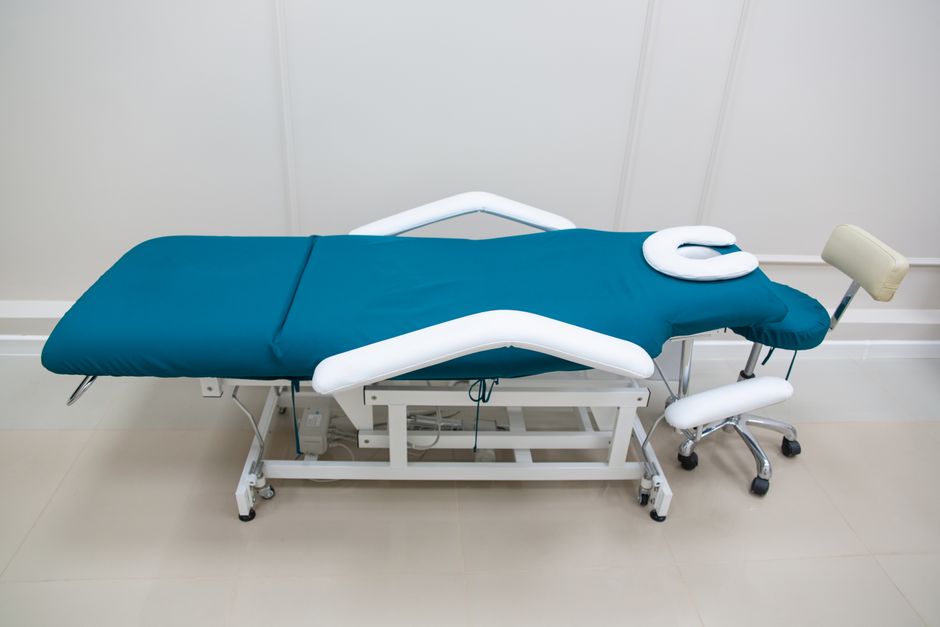
- Immediately after surgery: Focus on clear liquids and bland soft foods. Korean pumpkin porridge (hobak-juk) and low-sodium seaweed soup (miyeok-guk) are the top staples recommended by clinics.
- Days 2–3: Introduce high-protein foods like samgyetang (ginseng chicken soup) and steamed eggs (gyeran-jjim) to speed up tissue repair and fight peak swelling.
- Week 1+: Gradually reintroduce nutrients while strictly avoiding spicy, salty, or hard foods like kimchi, tteokbokki, or grilled meats.
- Pro Tip: Clinics affiliated with JCI-accredited hospitals like Samsung Medical Center provide specific post-op meal plans. Always check MFDS approval on any supplements.
What are the best Korean foods to eat immediately after plastic surgery?
The first 48 hours are critical. Your body is in repair mode, and specific Korean foods provide the exact nutrients you need without irritating incisions or spiking blood pressure.
Why is samgyetang (Korean ginseng chicken soup) considered a top recovery food?
Samgyetang is a complete meal in a bowl. A whole young chicken stuffed with glutinous rice, garlic, jujube, and ginseng delivers protein, carbohydrates, and anti-inflammatory compounds.
Is it okay to eat kimchi after surgery?
No. Avoid kimchi for at least 2–3 weeks. The capsaicin in gochugaru (red pepper flakes) increases blood flow, which can lead to excessive bleeding and swelling. The high salt content also causes edema. This is standard advice across all clinics regulated by HIRA and the MFDS (Ministry of Food and Drug Safety).
Can pumpkin juice really reduce swelling?
Yes. Korean pumpkin juice (hobak juce) is a powerhouse of Vitamin K and potassium — a natural diuretic that helps flush excess fluids. Most clinics in Seoul provide it directly post-op. I recommend buying a pack from GS25 or CU convenience stores to keep on hand for the first week.
How does your diet affect recovery from ptosis correction or blepharoplasty?
Facial surgeries demand meticulous nutritional planning. After ptosis correction or double eyelid surgery (blepharoplasty), your eyelids will be extremely swollen. The wrong foods can double your recovery time.
Why is day 3 the hardest after surgery?
Day 3 is notorious. Anesthesia metabolites leave your system, peak swelling occurs, and your energy levels bottom out. Facial contouring commonly involves a hospital stay of a few days. Stick to nutrient-dense liquids like samgyetang broth and protein shakes on this day.
How do Koreans eat so much and stay thin?
This ties directly to post-op recovery. Korean meals emphasize banchan (small portions) and nutrient density. For recovery, eat small portions every 3 hours. This stabilizes blood sugar and provides a constant stream of amino acids for tissue repair without overwhelming your digestive system.
What should you eat after myopia surgery (LASIK/LASEK) in Korea?
If you came to Korea for myopia correction, your dietary needs shift to supporting corneal healing. Focus on Vitamin C (citrus, bell peppers), Vitamin A (carrots, sweet potatoes), and Omega-3s (fish, flaxseeds).
Can Korean seaweed soup (miyeok-guk) improve eye recovery?
Absolutely. Miyeok-guk is rich in iodine and Vitamin A. Iodine supports thyroid function (regulating metabolism and healing), while Vitamin A is essential for corneal repair. Just ensure the soup is low in sodium — ask the restaurant to make it “singeop-hage” (mildly).
How do JCI-accredited hospitals in Korea approach post-surgery nutrition?
Hospitals like Samsung Medical Center and Severance Hospital (both JCI-accredited) have standardized nutritional protocols. JCI accreditation ensures the hospital follows global best practices for patient nutrition and safety, including infection control through diet.
What role do MFDS and HIRA play in regulating post-op supplements and procedures?
The Ministry of Food and Drug Safety (MFDS) regulates all health supplements in Korea. Unlike unregulated markets, MFDS approval means a product (like red ginseng or specific vitamin packs) has been tested for safety and efficacy. The Health Insurance Review and Assessment Service (HIRA) publishes data on procedure costs and hospital quality. Using HIRA data, you can verify which clinics have the best outcomes and shortest recovery times, often linked to their nutritional support programs.
When should you talk to your clinic about dietary concerns?
If you experience severe nausea, inability to keep liquids down, or signs of infection (fever, chills), contact your clinic immediately. Proper nutrition is directly linked to infection risk and wound healing.
Key Foods Table at a Glance
| Procedure | Best Foods | Foods to Avoid | Duration |
|---|---|---|---|
| Rhinoplasty / Ptosis | Cold pumpkin juice, soft tofu, steamed eggs | Hard foods, spicy soup, chewy meat | 2–3 weeks |
| Facial Contouring | Samgyetang, miyeok-guk, protein shakes | Anything requiring biting/chewing | 4–6 weeks |
| LASIK (Myopia) | Omega-3 rich fish, Vit C, miyeok-guk | Alcohol, spicy food (dry eyes) | 1–2 weeks |
Frequently Asked Questions
Is it okay to eat kimchi after surgery?
No. Avoid it for at least 2–3 weeks due to its spicy and salty nature, which can increase swelling and bleeding risk.
Why is day 3 the hardest after surgery?
Peak swelling, anesthesia clearance, and energy depletion converge. Stick to nutrient-dense liquids and small protein-rich meals on this day.
What foods are good for post surgery healing in Korea?
Samgyetang (ginseng chicken), miyeok-guk (seaweed soup), hobak-juk (pumpkin porridge), soft tofu, and steamed eggs (gyeran-jjim) are the top recommendations.
How long do I need to eat soft foods?
At least 1–2 weeks for minor procedures, and up to 4 weeks for major facial contouring or jaw surgery. Always follow your clinic’s specific guidelines.
Related Reading
- Plastic Surgery Clinics in Korea
- Best Plastic Surgery Packages in Korea
- HIFU Treatment Clinics in Korea
Last updated: May 02, 2026