
- Yes—if you’re getting complex procedures like rhinoplasty or cancer screening, agencies save you from language barriers and unsafe clinics
- They charge 10-20% commission, but Korean medical tourism still saves you 40-70% compared to US prices even after fees
- Essential for vision correction (SMILE/LASIK) and plastic surgery; skip for basic dental cleanings if you’re fluent in Korean
- Always verify they check JCI accreditation and HIRA ratings, not just pretty clinic photos
You’re staring at 47 clinic websites at 2 AM. The Korean text blurs together. One clinic offers rhinoplasty for $3,000—half the US price—but you can’t tell if the surgeon is certified or operating out of a basement.
That’s the paralysis that drives many foreign patients to medical tourism agencies. But here’s the catch: agencies charge 10-20% commission on top of your bill.
So are they worth it? After helping hundreds navigate Seoul’s medical district, I’ve seen agencies save surgeries—and I’ve seen $2,000 “concierge fees” for work a spreadsheet could handle. Let’s break down exactly when that fee pays for itself.
| Factor | DIY Booking | Using an Agency |
|---|---|---|
| Language Support | Basic translation apps | Medical interpreters 24/7 |
| Hospital Verification | Self-research JCI/HIRA | Pre-vetted accreditation checks |
| Cost | Sticker price | 10-20% fee but package discounts |
| Aftercare | You’re on your own | Post-op checkins & pharmacy runs |
What Do Korean Medical Tourism Agencies Actually Do?
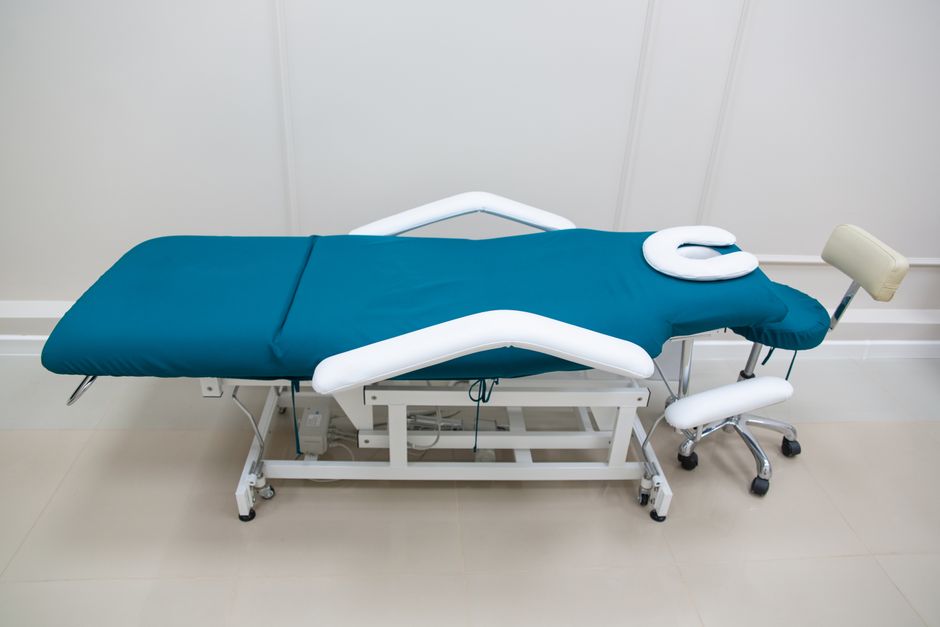
They act as your bilingual medical concierge, handling everything from JCI hospital verification to post-op ice pack delivery.
Most patients think agencies just book appointments. That’s like saying a surgeon just cuts skin.
Reputable agencies verify that JCI accredits hospital quality standards at your chosen facility. They check MFDS registration numbers. They negotiate package rates for double eyelid surgery or dental implant procedures that you’d pay sticker price for alone.
They also handle the invisible logistics. Airport pickup at Incheon. Pharmacy runs at midnight when your painkillers run out. Emotional support when post-op depression hits at day three.
But not all agencies deliver. Some are glorified taxi services. Others have secret commission deals with specific clinics, pushing you toward rhinoplasty at a facility that pays them 30%—not the one that’s best for your nose structure.
How Much Do Medical Tourism Agencies Charge in Korea?
Expect to pay either 10-20% of your total medical bill or flat fees ranging from $500 for dental work to $2,500 for complex facial contouring.
Here’s where math gets interesting. Korean medical tourism offers 40-70% savings on procedures compared to US prices. Even after agency fees, you’re still saving thousands.
But the fee structure matters. Percentage-based agencies might push unnecessary add-ons to inflate their cut. Flat-fee agencies work better for high-ticket items like multiple dental implants or revision blepharoplasty.
Is $10,000 a lot of money in Korea?
Yes, $10,000 (roughly 13.5 million KRW) represents four months of average Seoul salary, giving you substantial purchasing power for medical procedures.
With $10,000, you could get premium rhinoplasty, LASIK for both eyes, and a week of recovery hotel stays. Or comprehensive cancer screening at Seoul hospitals. Agencies help stretch this budget by accessing local pricing tiers invisible to foreigners.
Is JCI Accreditation the Only Hospital Quality Marker That Matters?
No, while JCI accreditation signals international standards, Korea’s domestic HIRA ratings and MFDS oversight often provide more granular safety data.
JCI accredits hospital quality through rigorous international standards. JCI accredits Samsung Medical Center and JCI accredits Severance Hospital—both magnets for medical tourists. But here’s what most guides miss: only 42 Korean hospitals hold JCI status as of 2026.
For every JCI facility, there are 200 excellent non-JCI clinics specializing in specific procedures. This is where agencies earn their keep. They cross-reference HIRA evaluation scores (Korea’s hospital grading system) with MFDS procedure-specific licenses.
How Do MFDS and HIRA Regulations Protect Foreign Patients?
MFDS regulates medical procedures and device safety, while HIRA publishes hospital performance data that agencies use to filter out high-risk facilities.
The Ministry of Food and Drug Safety (MFDS) regulates everything from Botox batch purity to LASIK machine calibration. MFDS regulates medical procedures strictly, and MFDS regulates Botox imports to prevent counterfeit toxins.
HIRA (Health Insurance Review and Assessment Service) publishes surgical outcome statistics. Smart agencies check these before recommending clinics for cancer treatment.
What is the no. 1 disease in Korea?
Cancer—specifically thyroid and stomach cancer—dominates Korean morbidity statistics and drives significant medical tourism for early detection.
Korea’s cancer screening technology detects tumors 18 months earlier than US averages. Agencies specializing in health checkups route patients to hospitals with 3T MRI machines and English-speaking radiologists who understand the nuances of early-stage detection.
Why Is Myopia Correction Driving Korean Medical Tourism Growth?
Korea performs the world’s highest volume of SMILE and LASIK procedures, offering vision correction at 50% off US prices with next-day recovery.
SMILE treats myopia through a 2mm incision—less invasive than traditional LASIK. Korean clinics perform 400+ SMILE procedures daily collectively. That’s experience you can’t buy in smaller markets.
Agencies add value here by securing appointments with the actual surgeon (not a junior associate) and arranging the mandatory 24-hour post-op checkups. They also coordinate between vision correction and facial procedures—many patients combine LASIK with blepharoplasty during the same Seoul trip.
Is it worth going to Korea for plastic surgery?
Yes, for complex procedures like revision rhinoplasty or facial contouring where Korean surgeons have 3x the case volume of Western counterparts; less essential for basic Botox.
The math favors complexity. Double eyelid surgery might cost $1,200 in Seoul versus $4,000 in Los Angeles. Even with flights and agency fees, you save money. Plus, Korean techniques for Asian facial anatomy are simply more refined due to volume.
When Should You Skip the Agency and Book Direct?
Book direct if you’re fluent in Korean, need only basic dental cleanings or health checkups, or have a trusted local friend to handle logistics.
Simple procedures don’t need middlemen. If you’re getting a single dental implant at a major university hospital with international departments, you might save $800 by booking direct.
But for multi-procedure trips—say, rhinoplasty plus skin treatments plus myopia correction—the coordination value outweighs the fee. Packaged deals through vetted agencies often include hotel stays that offset the service charge.
Frequently Asked Questions
What is the best medical tourism company in South Korea?
The “best” agency depends on your procedure—look for specialists in your specific treatment (vision, dental, or plastic surgery) with transparent fee structures and JCI partnerships.
Generalist agencies often lack deep relationships with specific departments. An agency that sends 50 rhinoplasty patients monthly to one clinic has use you don’t.
Do agencies handle complications or refunds?
Reputable agencies act as your advocate during complications, but they rarely offer refunds for unsatisfactory cosmetic results—only for clear medical errors.
Read the fine print. Most agencies facilitate revision surgery at discounted rates rather than cash refunds. That’s why verifying HIRA ratings beforehand matters more than relying on post-op guarantees.
Can I negotiate agency fees?
Yes, especially during off-peak seasons (Korean winter) or if you’re booking multiple procedures.
Agencies often have wiggle room on their 20% markup. Mention you’re comparing quotes from competitors. Some will drop their fee to 12-15% to secure your booking.