
- Not Practical for Medical Travel: Emergency cardiac care — If you are in acute heart failure, experiencing a STEMI, or have unstable angina, you should be treated locally
- Step 1: Remote Pre-Consultation and Records Transfer: Every major cardiac center listed here accepts international patient record reviews via their international healthcare department — usually via email or through a medical tourism facilitator
- Step 2: Admission Scheduling and Deposit: Once your case is accepted, the international department will quote a deposit — typically 50–70% of the estimated procedure cost — paid in advance by wire transfer or credit card
If you’ve been told you need open-heart surgery, bypass grafting, or a valve procedure back home — or you’ve been quoted $80,000 to $150,000 for the same operation in Europe or the United States — Korea’s cardiac centers offer an alternative that has quietly become one of the best-kept secrets in global medical travel.
This guide is not for cardiac tourists browsing options.
It’s for patients who already have a diagnosis and need to understand what Korean cardiac care actually looks like: which centers specialize in which procedures, how international patients navigate the system, what realistic costs look like, and what the post-discharge recovery path involves when you’re flying back to Lagos, Riyadh, or Kuala Lumpur.
Why Korean Cardiac Care Earns Its Reputation
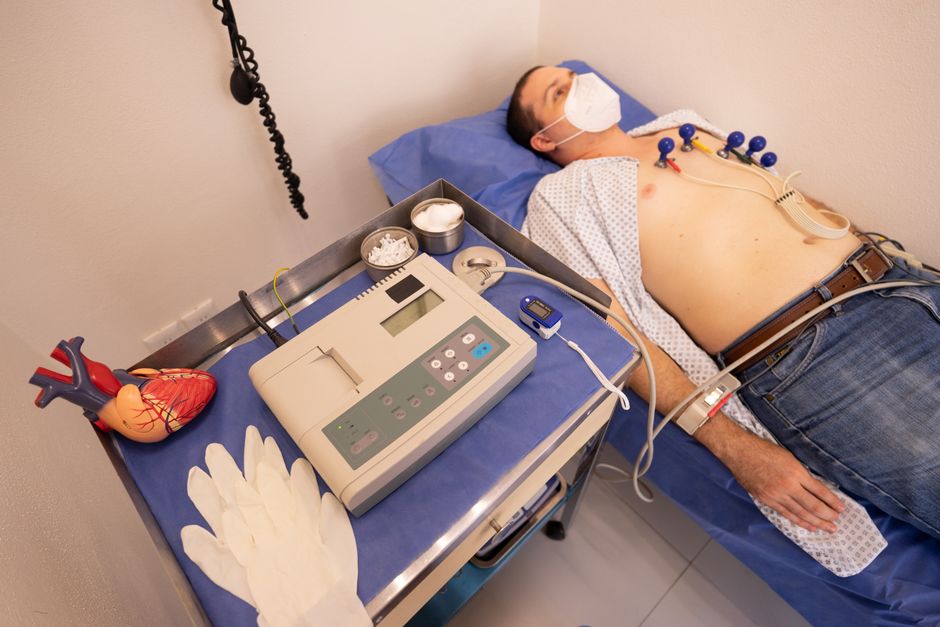
South Korea’s cardiac surgery programs have built their standing on volume, outcomes data, and competitive subspecialty depth — not on marketing.
Asan Medical Center’s Heart Institute (Songpa-gu, Seoul) performs approximately 3,000 open-heart surgeries annually and is consistently ranked among cardiac centers in Asia by the Cardiovascular Surgery Society of Korea (KCVS).
Its congenital heart disease and aortic surgery programs attract patients from Japan, the GCC, and increasingly from West Africa.
Samsung Medical Center’s Heart Vascular Stroke Institute (Gangnam-gu, Seoul) is the go-to center for minimally invasive valve procedures. Samsung’s Transcatheter Aortic Valve Replacement (TAVR) program, established in 2012, has completed over 1,500 TAVR cases — a volume that most programs outside the United States have not reached.
Seoul National University Hospital’s Cardiovascular Center (Jongno-gu, central Seoul) is the public-system anchor for complex referral cases and benefits from the SNUH-affiliated research pipeline. Its cardiothoracic team has particular strength in re-do operations — patients who’ve had a previous cardiac procedure elsewhere and developed complications.
Severance Hospital’s Cardiovascular Center (Yonsei University Health System, Seodaemun-gu) handles approximately 2,200 cardiac surgeries per year and has an active international patient program that coordinates translators in Arabic, English, French, and Mandarin.
None of these centers hold JCI accreditation — that is a deliberate choice in many cases, not a gap. They are KOIHA-evaluated and operate under the Korean Ministry of Health and Welfare’s medical tourism quality standards.
KOIHA’s assessment framework for international patient units includes surgical volume thresholds, adverse-event reporting, and patient-satisfaction surveys — different from JCI but not inferior to it.
What Procedures Are Realistic for International Patients?
Not every cardiac procedure is practical for medical travel. Here is what works well and what doesn’t.
Works Well for Medical Travel
Coronary artery bypass grafting (CABG)
For patients with multi-vessel coronary disease where angioplasty is no longer sufficient, CABG in Korea runs approximately ₩18–28 million for the procedure itself (roughly $13,500–$21,000 USD at mid-2026 exchange rates), excluding hospital stay, anaesthesia, and post-discharge pharmaceuticals.
A typical 3-vessel bypass with a 7-to-10 day in-patient stay will total ₩30–45 million all-in ($22,500–$34,000). Compare this to private rates in the UK (£40,000–£65,000) or the UAE (AED 180,000–280,000) and the math becomes clear.
Valve replacement and repair (aortic and mitral)
Tissue valve replacement for aortic stenosis at Samsung Medical Center or Severance typically runs ₩25–40 million ($19,000–$30,000) all-in for the surgery and admission.
Robotic-assisted mitral valve repair, which Samsung offers, adds roughly ₩5–8 million over traditional open repair but dramatically reduces recovery time — critical for international patients trying to minimize time away from home.
TAVR (Transcatheter Aortic Valve Replacement)
For older patients or those with elevated surgical risk, TAVR is available at multiple centers.
The procedure itself runs ₩25–40 million, plus the valve device cost (Medtronic Evolut R or Edwards SAPIEN, both available in Korea) of ₩15–20 million. Total package: ₩40–60 million ($30,000–$45,000). This is 40–60% below US list prices for the same procedure and valve.
Arrhythmia ablation (AF ablation, SVT)
Catheter ablation for atrial fibrillation is a day-case or one-night procedure. Severance and Asan both run active electrophysiology labs. AF ablation runs ₩8–15 million ($6,000–$11,000) for the procedure.
Structural heart interventions (PFO closure, ASD closure)
Commonly performed at SNUH and Asan, these can be done via catheter under sedation, with one to three days of post-procedure observation. Costs run ₩5–12 million ($4,000–$9,000).
Not Practical for Medical Travel
Emergency cardiac care — If you are in acute heart failure, experiencing a STEMI, or have unstable angina, you should be treated locally. Do not travel to Korea for an emergency. Korean ERs will treat you, but flying internationally while hemodynamically unstable is dangerous and potentially fatal.
Long cardiac rehabilitation programs — Korea’s inpatient cardiac rehab is excellent, but 6-to-12-week supervised rehabilitation programs are logistically impractical for international patients. Plan to return home for outpatient rehab and arrange a local cardiologist for ongoing monitoring, asking the hospital’s international patient center for your records.
The International Patient Pathway at Korean Cardiac Centers
Understanding how the process actually works is the difference between a smooth experience and a stressful one.
Step 1: Remote Pre-Consultation and Records Transfer
Every major cardiac center listed here accepts international patient record reviews via their international healthcare department — usually via email or through a medical tourism facilitator. You will need:
- Recent echocardiogram (within 6 months, with written report and images)
- CT angiography or coronary angiography report and images (DICOM format on USB or shared via secure file transfer)
- Recent bloodwork: CBC, CMP, coagulation panel, HbA1c if diabetic, lipid panel
- Current medication list with dosages
- Referring physician’s summary letter
Most centers respond with a preliminary assessment within 5–10 business days. They will confirm whether your case can be handled without additional imaging in Korea or whether you’ll need a day of diagnostic workup on arrival before surgery is scheduled.
Step 2: Admission Scheduling and Deposit
Once your case is accepted, the international department will quote a deposit — typically 50–70% of the estimated procedure cost — paid in advance by wire transfer or credit card. The deposit secures your surgical date and covers the anaesthesia team scheduling.
Severance and Samsung both quote in Korean Won, with wire transfer from international accounts accepted. Currency exchange: convert at KEB Hana Bank or Shinhan Bank on arrival in Seoul for the best rates; airport exchange desks at Incheon are significantly worse.
Step 3: Arrival and Pre-Op Workup (Day 1–2)
Budget 2–3 days of pre-surgical workup in Korea even if your records have been reviewed. This typically includes:
- Repeat echocardiography at the operating centre (Korean cardiologists need their own baseline images before surgery)
- Pre-admission labs at the hospital
- Anaesthesia consultation (usually same-day, 30–60 minutes)
- Surgical consent and pre-op briefing with the operating surgeon
All major cardiac centers have medical interpretation services in English and Arabic as standard. French and Swahili interpretation can be arranged in advance. Request this when booking — do not assume it will be available on the day.
Step 4: Surgery and In-Hospital Recovery
Open-heart surgeries (CABG, valve replacement) typically involve:
- 1–2 days in the cardiac intensive care unit (ICU) post-operation
- 5–10 days in a cardiac ward before discharge eligibility
- Suture or staple removal at approximately day 7–10
Minimally invasive procedures (TAVR, AF ablation) often discharge in 1–3 days.
You will not be permitted to fly internationally until your cardiothoracic surgeon clears you — typically no earlier than 2 weeks post-CABG or valve surgery, and no earlier than 48–72 hours post-catheter procedure.
For CABG patients, most surgeons recommend 3–4 weeks in-country before a long-haul flight to West Africa or the GCC.
Step 5: Pre-Departure Clearance and Medical Records
Before you leave:
- Request a complete discharge summary in English (this is standard at all major international-patient centres)
- Obtain 30 days of your post-operative medications, or a detailed prescription with generic drug names so you can fill them at home
- Get copies of your operative report, anaesthesia record, and discharge imaging
- Arrange a telemedicine follow-up with your operating centre for 4–6 weeks post-discharge
Currency, Payments, and What’s Not Included in Quoted Prices

Korean hospitals quote procedure costs. They do not automatically include:
- Hospital room and board (a standard single room runs ₩150,000–₩350,000/day depending on hospital and floor)
- ICU charges (₩800,000–₩1,500,000/day at major centers)
- Medications during the admission
- Post-discharge pharmaceuticals (typically ₩50,000–₩200,000/month)
- Medical interpretation (if not pre-arranged as a package)
- Accommodation for a companion
When comparing quotes from different hospitals, ask each to provide an itemized estimate that separates: procedure fees, anaesthesia, room and board, and medications. Do not compare headline procedure quotes without unpacking what’s included.
Recovery Stays Near Korean Cardiac Centers
International patients staying 3–4 weeks post-cardiac surgery in Seoul typically use:
Serviced apartments in Gangnam or Sinchon — These are the most practical for medical stays. K-Stay Serviced Apartments (Gangnam), Fraser Suites Seoul, and Seoul Marriott both have apartment-style units with kitchenettes, which matters when you’re on a post-surgical diet and need low-sodium, low-fat meals that room service rarely provides well.
Medical tourism recovery facilities — Several facilities near Samsung Medical Center and Severance have partnered with hospitals to offer monitored recovery stays that include daily nursing check-ins. These are worth considering for patients without a companion.
Companion accommodation — Korean hospitals typically allow one designated companion to stay in a fold-out bed in private rooms during the inpatient stay. Check in advance, as ICU wings restrict this.
Five Questions to Ask Before Booking Cardiac Surgery in Korea
-
How many cases of my specific procedure has your team performed in the last 12 months? Cardiac surgery has a well-documented volume-outcome relationship. You want the answer in specific numbers, not “we are a high-volume center.”
-
Who is the operating surgeon, and can I request a pre-travel video consultation with them? The surgeon reviewing records and the surgeon holding the scalpel should be the same person, or you should understand why not.
-
What is your protocol if I develop post-surgical complications that extend my required stay beyond my visa? Korea’s C-3 medical tourism visa allows up to 90 days; extensions require documentation. Understand this before you book.
-
Is my diagnosis category covered by Korea’s International Medical Tourism Insurance Scheme (if applicable)? Korea’s KHIDI-administered medical tourism insurance covers some complication-related expenses for procedures performed at accredited hospitals. Eligibility depends on your nationality and the nature of the procedure.
-
What telemedicine platform will you use for post-discharge follow-up? Confirm they support international patients and that your follow-up visit won’t require return travel unless your recovery is complicated.
Before You Contact a Cardiac Program
KmedTour is not a medical provider or a patient agent. Get your records to the right place, prepare for the cost and logistics of a Korean cardiac admission, and stay connected to your care team throughout recovery, working directly with the hospital’s international patient center.
What to ask the hospital’s international patient center to do:
- Submit your initial records to Asan, Samsung, Severance, or SNUH yourself and track their response
- Explain the itemized cost estimate before you pay a deposit
- Advise on interpretation services, companion accommodation, and ground transportation from Incheon
- Keep you in contact with your case coordinator during your admission
- Provide records for a telemedicine-capable cardiologist in your home country for post-discharge monitoring
What KmedTour cannot do: advise on your medical suitability for surgery, override a Korean cardiologist’s opinion, or guarantee surgical outcomes.
Start by contacting the international patient center of the cardiac program you are considering, with your recent cardiac records attached. To find registered hospitals, use the Medical Korea portal: https://www.medicalkorea.or.kr.
This guide reflects publicly available information about Korean cardiac centers and general medical tourism logistics as of mid-2026. Procedure costs are estimates based on hospital published ranges — actual quotes will differ. This is not medical advice. All treatment decisions should be made with qualified cardiologists in your home country and in Korea.