
- At Asan Medical Center and Samsung Medical Center (two of Korea’s top-three hospitals by patient volume), elective orthopedic procedures routinely see discharge at 3–5 days post-surgery
- The hospital’s own IHC should provide both options in writing before you book flights
- Always request a translated medication list with generic names (not just brand names), dosages in milligrams, and the indication — so your home-country physician can manage continuity of care
When Amara Diallo flew from Dakar to Seoul for a spinal decompression at Wooridul Spine Hospital, her surgeon told her the procedure went “perfectly.” What nobody told her: that “discharge” in Korea often means 48–72 hours after surgery for procedures that would keep a patient hospitalized for a week in France.
Or that the compression garment she needed post-operatively wasn’t stocked at her guesthouse’s nearby pharmacy, because Korean pharmacists use a different sizing classification.
Or that her follow-up imaging was scheduled for 10 a.m.—an appointment she nearly missed because she didn’t know Koreans reckon hospital floor numbers differently (the “2nd floor” radiology suite is on what the elevator calls the B1 level in some Seoul hospital wings).
These are not horror stories. Amara’s outcome was excellent. But the aftercare gap — the 7–21 days between discharge and the flight home — is where international patients in Korea consistently report being underprepared. This guide fills that gap with specifics that most medical tourism platforms skip.
The Korean Discharge Timeline Is Not What You’re Used To
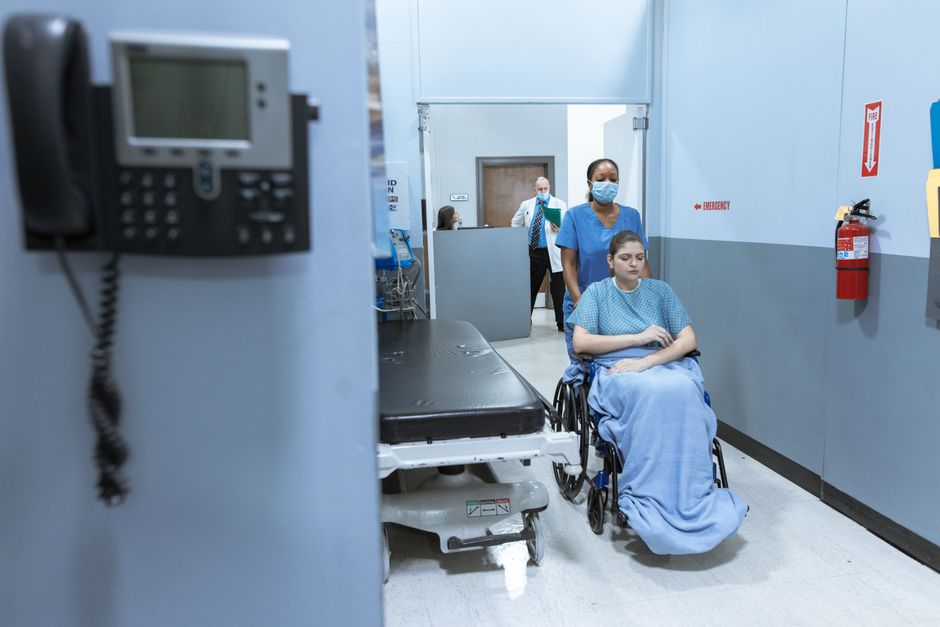
Korean hospitals operate under national health insurance frameworks (National Health Insurance Service, NHIS) that incentivize shorter inpatient stays across the system. For international patients — who are paying out-of-pocket and often assume that “good care means longer stay” — this creates a mismatch.
At Asan Medical Center and Samsung Medical Center (two of Korea’s top-three hospitals by patient volume), elective orthopedic procedures routinely see discharge at 3–5 days post-surgery.
A hip replacement that keeps a patient in hospital for 7 days in the UK is discharged at day 4 in Seoul; the assumption is that a local Korean patient continues recovery at home with daily physiotherapy clinic visits. For you, “home” is a serviced apartment 11,000 km away.
What to do: Before travel, confirm with your hospital coordinator (at the IHC — International Healthcare Center — which every KOIHA-accredited hospital is required to staff) exactly what “discharge” means for your procedure, and what the follow-up schedule looks like.
Ask specifically: “What would you recommend for a patient who cannot fly for 14 days post-discharge?” The answer will tell you whether you need a medical guesthouse, a physiotherapy reservation, or a dressing-change appointment schedule.
Medical Guesthouses: What the Classification Actually Means
Korea’s Ministry of Health and Welfare (MOHW) and the Korea Health Industry Development Institute (KHIDI) publish an annual Medical Tourism Accommodation list — guesthouses and recovery facilities that have registered with the government to serve international patients.
As of the KHIDI 2024 Medical Tourism Statistical Yearbook (the most recent publicly released data), 312 such facilities were registered nationwide, with the majority concentrated in Seoul’s Gangnam-gu and Seocho-gu districts.
“Registered” does not mean “inspected for post-surgical capability.” The classification covers language support and basic proximity to medical facilities — not nursing care, wound management, or medication storage.
For procedures requiring daily dressing changes or IV antibiotics (some oncology protocols, reconstructive surgeries, complex orthopedic work), a registered guesthouse may be insufficient. You may need a step-down care facility.
The practical distinction:
- Recovery guesthouse: Suitable for observation-level post-op (plastic surgery, LASIK, dental implants, minor orthopedics). Meal service, English-speaking staff, transportation to follow-up appointments. Cost: KRW 60,000–150,000/night (approx. $45–$110).
- Step-down/convalescent care: Nursing staff on-call, wound care capability, medication management. Tied to a hospital system (Asan, Samsung, Severance all have affiliated facilities). Cost: KRW 150,000–400,000/night ($110–$290). Must be arranged through the hospital’s IHC before discharge — these cannot be booked as walk-ins.
The hospital’s own IHC should provide both options in writing before you book flights.
Prescription Medication and the Airport Problem
Korean hospitals dispense medications in-house or through affiliated hospital pharmacies — not through neighborhood pharmacies as a default. When you’re discharged, you’ll likely receive a 7–14 day supply. Here’s where international patients run into a wall they didn’t see coming.
Problem 1: Running out before you fly home. If your recovery takes longer than expected or your flight is delayed, you may need a prescription refill. Korean pharmacists will not fill a foreign-language prescription.
They will not fill a Korean hospital discharge prescription without the prescribing doctor’s explicit authorization stamp (the hospital’s official 인감, or seal). The IHC can arrange an authorized refill prescription, but this requires advance notice — not a same-day request.
Problem 2: Returning home with controlled substances. Korea’s classification of controlled medications (마약류) includes some post-surgical pain medications (tramadol, certain opioids) that may be tightly restricted or require import permits in your home country.
The Korean embassy in your home country can provide guidance; alternatively, KHIDI’s international patient support line (1644-2000, Korean/English/Chinese/Russian/Arabic) can clarify what documentation your hospital should prepare for customs.
Problem 3: Not receiving medication names in your language. Korean hospital discharge documentation is in Korean. KOIHA accreditation standards require English summaries for international patients, but the detail level varies.
Always request a translated medication list with generic names (not just brand names), dosages in milligrams, and the indication — so your home-country physician can manage continuity of care.
Follow-Up Imaging: Scheduling the Logistics No One Warns You About
Many procedures require imaging before you fly — a chest X-ray post-lung procedure to confirm no pneumothorax, an MRI to verify implant positioning, blood panels at day 7.
These are typically scheduled automatically by the hospital — but the scheduling assumes you know the building layout, the appointment system, and the payment flow.
At large Korean hospitals (Asan Medical Center has over 2,700 beds and 50+ outpatient clinics; Samsung Medical Center sees 13,000+ outpatients daily), the outpatient check-in process for follow-up differs from the international patient intake process. You will likely be directed to a regular outpatient window, not the IHC.
Bring your hospital registration number (등록번호), your discharge summary, and your ARC (Alien Registration Card) if you have one — or your passport. Payment for outpatient follow-up is separate from your inpatient settlement; international patients pay at the international patient cashier, not the standard window.
One hospital navigator’s worth of advice: Schedule all follow-up appointments at the same time you schedule your procedure, not after discharge. The IHC can block follow-up slots 14 days in advance. Doing this at discharge — when coordinators are managing multiple cases simultaneously — risks poor timing.
Insurance Documentation: The Window That Closes Fast
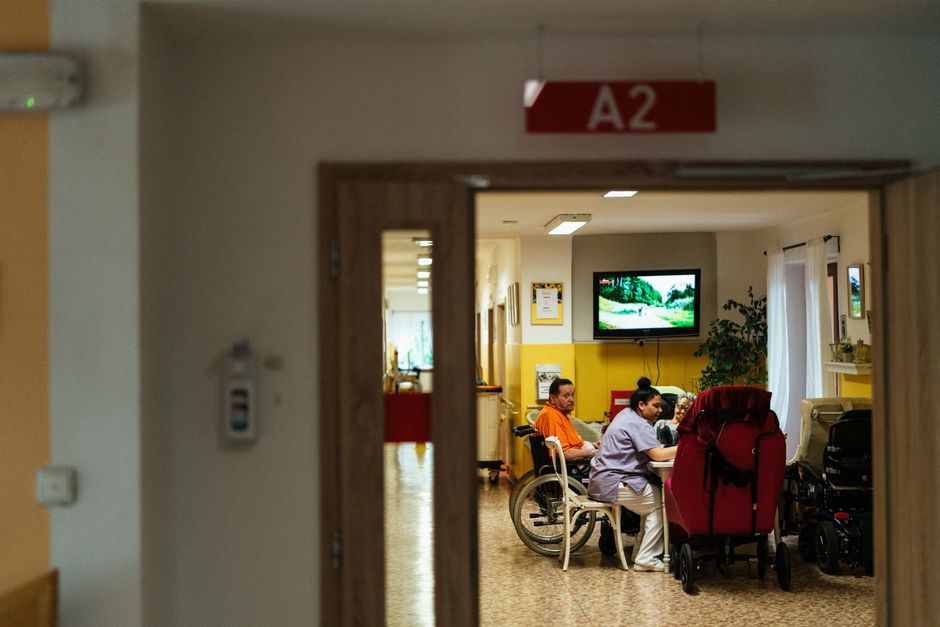
If you have international health insurance coverage (Cigna Global Health, AXA PPP Healthcare, Allianz Care, or similar), Korean hospitals accredited by KOIHA are familiar with the insurance claim process.
But the window for submitting original receipts and itemized billing statements to your insurer is usually 90–180 days from the date of service — and the documentation you need comes from the hospital’s billing department, not the IHC.
Ask specifically for:
- Original VAT receipts (세금계산서 or 영수증) for every charge — hospitals and outpatient clinics issue these separately.
- An itemized treatment record (진료기록요약서) in English.
- A clinical summary (소견서) from the treating physician, in English, stamped and signed.
These documents typically take 3–7 business days after discharge to prepare. Request them on your discharge day; do not request them the morning you fly home.
The “Medical Travel Certificate” — Your Home-Country Doctor Needs This
Your GP or specialist at home will need to know what was done to you in Korea, in medical terminology they can act on. Many Korean hospitals now produce a Medical Travel Certificate (KOIHA has standardized the template since 2022) that summarizes:
- Diagnosis codes (ICD-10)
- Procedures performed (procedure codes + narrative)
- Implants used (with manufacturer, model number, lot number — critical for future MRI screening eligibility)
- Medications prescribed and their indications
- Follow-up requirements and restrictions (weight-bearing status, driving, flight restrictions, return-to-work timeline)
- Emergency contact for the treating hospital’s international department
If your hospital’s discharge summary doesn’t include all of the above — specifically the ICD codes and implant data — ask your IHC coordinator to prepare the full KOIHA Medical Travel Certificate before you leave. Every KOIHA-accredited facility is equipped to produce it. Unaccredited facilities may not be.
One Practical Timeline
For a mid-complexity procedure (spinal, cardiac, orthopedic):
| Day | Key action |
|---|---|
| Discharge day (D0) | Request: itemized billing, medication list (generic names), Medical Travel Certificate request, follow-up appointments confirmed |
| D1–D3 | Rest; confirm pharmacy supply sufficient to D14; check flight restrictions with doctor |
| D5–D7 | Follow-up imaging or blood panel (pre-scheduled); contact IHC if medications running low |
| D10–D12 | Receive completed Medical Travel Certificate from hospital (allow 7 days after request) |
| D12–D14 | Final check: all original receipts gathered for insurance; discharge summary in English in hand |
| D14+ | Fly home with full documentation package |
Questions to Ask the Hospital’s IHC About Aftercare
Aftercare does not end at the hospital door. Ask the hospital’s IHC to confirm your post-discharge schedule and follow-up appointment logistics, to explain how transportation to imaging or dressing-change appointments will be handled, and to prepare a documentation checklist before your departure.
If you are recovering at a medical guesthouse, ask the IHC who you should contact during the first 72 hours post-discharge.
The aftercare gap is predictable. The paperwork is standard. The logistics are learnable. The hospitals — Asan, Samsung, Severance, Wooridul, CHA, and the 25+ others in Korea’s KOIHA registry — are experienced with international patient recovery.
What makes the difference is knowing in advance what to ask for, in what order, before the surgeon signs your discharge form.
Ask the hospital’s IHC before your procedure to build your aftercare plan into the booking — not as an afterthought on the day you’re discharged.
All pricing figures are estimates based on KHIDI-published data. Individual costs vary by procedure, hospital tier, and recovery duration. Medical treatment costs must be obtained directly from your Korean hospital after records review. KmedTour does not provide medical advice.