
Seoul is not Riyadh or Dubai, and a Korean hospital’s international healthcare center will not assume you need halal meals or a qibla direction marked on your ceiling — you have to ask, and you have to ask before you land, not after you’re in a gown. This is one of the quieter gaps in Korea’s medical tourism pitch to Gulf patients: the clinical care is frequently excellent, but the day-to-day logistics of practicing Islam through a two-to-three-week hospital stay are left to the patient to figure out, hospital by hospital.
The mismatch nobody names out loud
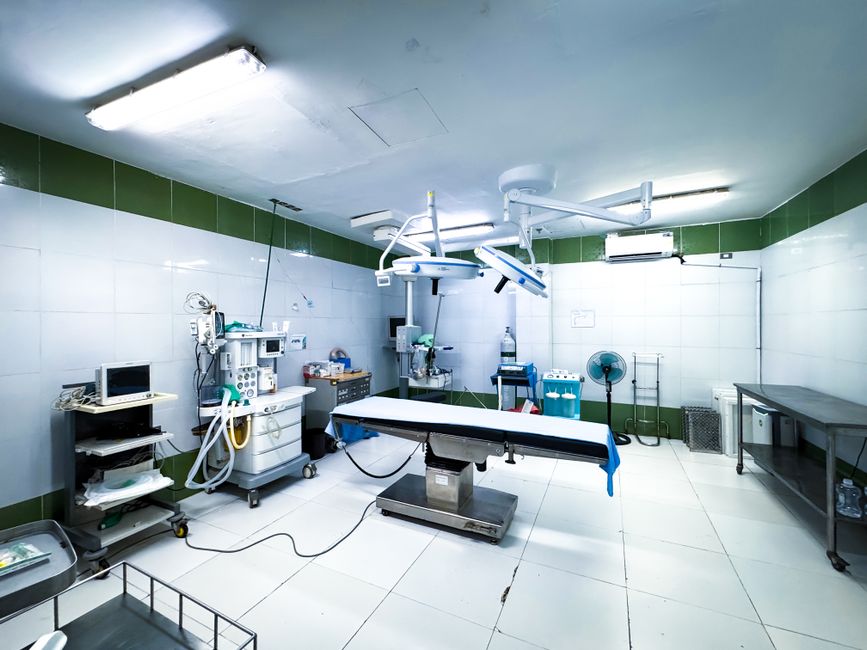
Korea’s international patient numbers to the Gulf region have grown steadily since the mid-2010s, and hospitals like Severance Hospital’s International Health Care Center, Samsung Medical Center, and Asan Medical Center all publish English- and sometimes Arabic-language material aimed at Middle Eastern patients. What that material rarely spells out in detail is: where does a Muslim patient eat during a five-day inpatient stay after a procedure, who prepares the food, and is it actually halal-certified or just “no pork, no alcohol” as a rough approximation.
That distinction matters. Halal certification in Korea has an actual authority behind it — the Korea Muslim Federation (KMF), based at the Seoul Central Mosque in Itaewon, certifies restaurants and food products, and its certification list is public. A hospital cafeteria saying a meal is “Muslim-friendly” is not the same claim as a KMF-certified kitchen. If your surgeon’s clinical team can’t tell you which one applies to your inpatient meal service, that’s the first question to escalate to the hospital’s international coordinator, not the surgeon.
Prayer space is a facilities question, not a hospitality one
Ask specifically: is there a designated prayer room in or near the ward, or will you be praying in your room or a stairwell? Larger tertiary hospitals with dedicated international patient centers — Severance, Samsung Medical Center, Asan, Seoul National University Hospital — have handled enough Gulf-region patients that staff usually know the answer immediately if you ask the international coordinator rather than a general nurse. Smaller specialty clinics running cosmetic or dental procedures out of Gangnam’s Apgujeong-Rodeo corridor are far less likely to have this rehearsed, since their patient mix skews toward East and Southeast Asian medical tourists who don’t raise the question. If the answer is a pause and “we’ll figure something out,” that’s a signal to ask for it in writing before you commit a deposit, not to assume it’ll sort itself out on day one.
Gender-concordant care: ask by name, not by category
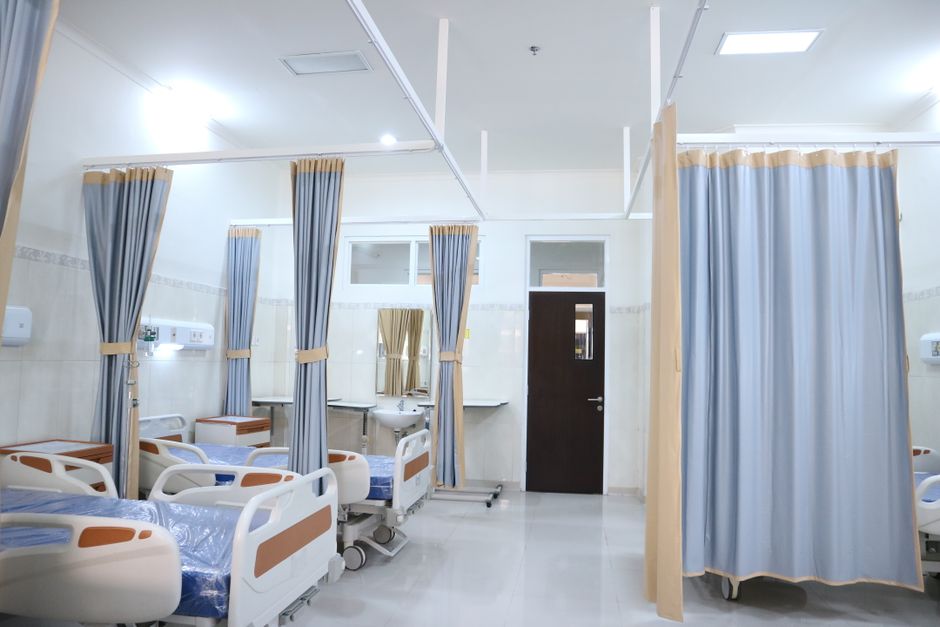
For GCC patients who prefer a female physician for gynecological, dermatological, or certain diagnostic procedures, “we can probably arrange that” is not an answer — get the specific doctor’s name and confirm they are the one performing the procedure, not just present for the consultation. Korean hospitals with dedicated international desks are generally responsive to this request when it’s made explicitly during the pre-consultation stage (the same remote-consultation step covered in KmedTour’s pre-consultation guide), but it needs to be a named condition of booking, in the same email thread as your quote confirmation — not a verbal aside during the first video call.
The Itaewon corridor is doing informal work Korean hospitals haven’t formalized
Seoul’s Itaewon district, and specifically the area around the Seoul Central Mosque, has functioned for years as the de facto support network for Muslim visitors — halal grocers, restaurants carrying KMF certification, and a resident community used to explaining Korean systems to newcomers. Some hospital coordinators will informally point patients there for meal delivery during a stay rather than solving it in-house. That’s a workable patch, but it puts logistics coordination on the patient’s shoulders (or a companion’s — see KmedTour’s companion/caregiver guide) at exactly the moment they’re least able to manage it: right after a procedure, in a country where they don’t speak the language.
If a hospital’s answer to “what happens if I need halal meals delivered because your cafeteria can’t guarantee certification” is “the patient’s family usually handles it,” write that down as an operational fact to plan around, not a criticism of the hospital’s clinical quality — the two are separate axes entirely, and conflating them leads patients to either over-trust or under-trust a hospital based on the wrong signal.