
The clinical side of a medical trip to Korea gets planned in detail: the consultation, the procedure date, the discharge paperwork. The emotional dip that shows up two or three days after surgery — alone in a serviced residence in Gangnam, the anesthesia wearing off, family nine or thirteen time zones away — almost never does. Patients traveling without a companion (see our companion-guide series for the alternative) are the group most likely to hit this wall, and it is common enough that you should raise it early with the hospital’s international patient center instead of waiting for it to pass.
Why the timing catches people off guard
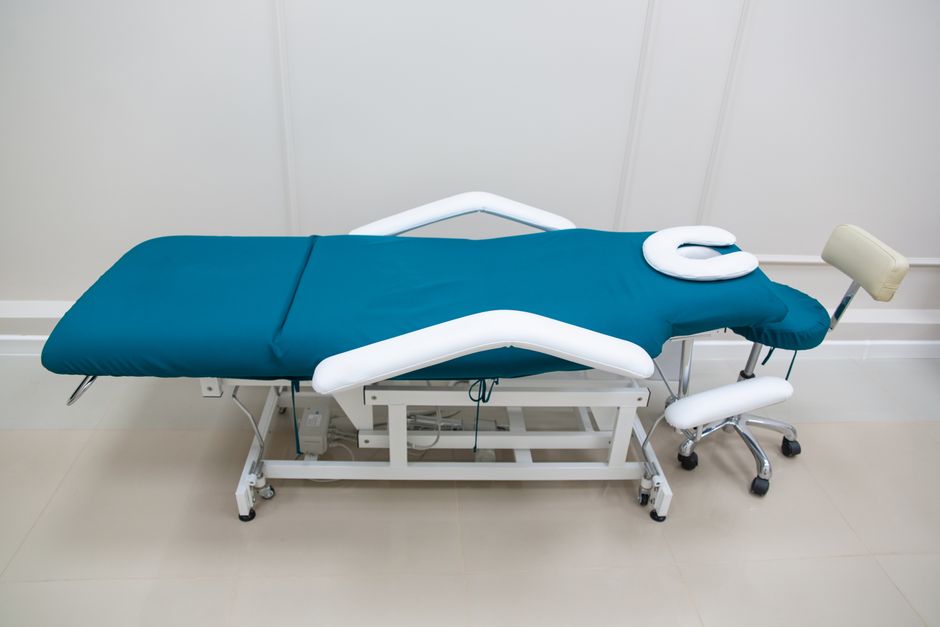
The first 24–48 hours after most outpatient or short-stay procedures are busy: recovery-room monitoring, discharge instructions, the trip back to lodging. The isolation tends to land after that, once the adrenaline of “I did the thing” fades and the practical reality sets in — swelling or restricted movement means you can’t easily go out, the novelty of Seoul has worn off, and you are running on hospital-grade sleep in an unfamiliar bed. For procedures with a 1–2 week recovery window (rhinoplasty, orthopedic work, most cosmetic surgery), this dip typically clusters around day 3 to day 7, which is also when swelling and discomfort peak — the two lows compound.
Time-zone math works against you, not for you
Korea runs on KST, UTC+9. For patients from West or East Africa (UTC+0 to UTC+3) that’s a 6–9 hour gap; from the Gulf (UTC+3 to UTC+4) it’s 5–6 hours; from the U.S. East Coast it’s 13 hours. In practice this means your evening — when you most want to talk to someone — is the middle of your family’s workday or the middle of their night. Patients who don’t plan around this end up trying to time a call during the one overlapping hour and feeling more isolated when it doesn’t line up. The fix is boring but works: agree on one or two fixed daily call slots before you travel (early Korean morning tends to overlap with the prior evening across most of Africa and the Gulf), and treat the call like an appointment, not something you’ll get to “when you feel up to it.”
What actually helps, in order of effort
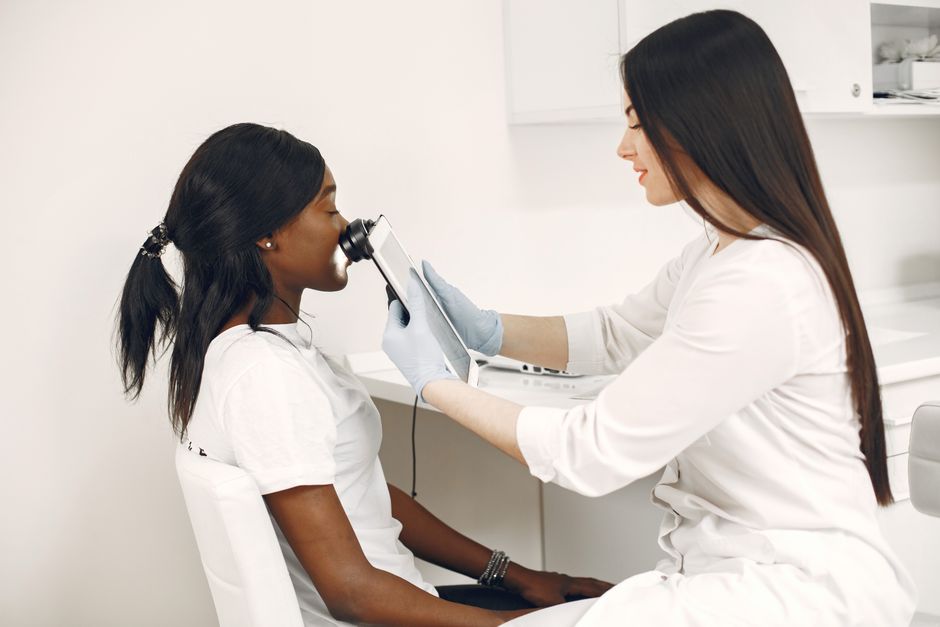
- Say it to someone at the hospital’s international patient center, not just to yourself. Any follow-up call or visit with the hospital’s international patient center is a good moment to mention it. An international patient center that knows you are struggling may be able to adjust the pace of the rest of your itinerary, for example by moving a non-urgent follow-up, so ask what is possible.
- Use the Seoul Global Center. This is a real, free, multilingual service (English, Chinese, Japanese, and others) run for foreign residents and long-stay visitors in Seoul, offering counseling and cultural-adjustment support — not a KmedTour service, but one patients can walk into or call independently. It exists precisely for the “foreigner adjusting to Seoul alone” situation, which overlaps heavily with a solo medical traveler’s situation even though it isn’t medical-specific.
- Get outside, on a schedule, even briefly. A short walk near your lodging once your discharge instructions allow it does more for mood than another hour of scrolling. If mobility is restricted, ask the hospital’s international patient center whether a wheelchair-accessible nearby route exists — see our wheelchair/mobility guide for Incheon-to-lodging logistics that apply here too.
- Set a realistic isolation ceiling. If you notice you haven’t left the room, spoken to anyone besides hospital staff, or slept a full night in more than 3–4 consecutive days, that’s the point to escalate rather than wait it out — to the hospital’s international patient center first, who can point you to appropriate support.
What this is not a substitute for
None of the above — including the Seoul Global Center — is a clinical mental health service, and a check-in call with the hospital’s international patient center is not a substitute for one. If you’re on medication that affects mood, have a pre-existing mental health condition, or the low feeling doesn’t lift after the first week, say so explicitly to your care team before you travel, not after. Tell the hospital’s international patient center in advance if you expect this to be hard, rather than leaving it to surface mid-trip.
Before you go: a 3-item checklist
- Fixed daily call time with home, scheduled around the KST/UTC+9 gap, agreed before departure.
- One offline activity for the low-mobility days (book, downloaded shows, a hobby that doesn’t need much movement) — don’t rely on being in the mood to go find one once you’re already tired and sore.
- The hospital international patient center’s direct contact saved and tested (a message sent and answered) before surgery day, not after.
None of this replaces having a companion if your procedure and recovery timeline support bringing one — see the companion-caregiver guides for that option. For patients traveling solo by choice or necessity, treating the emotional side of the trip as a planning item, the same way you’d plan the flight or the deposit, is what turns “manageable but hard” into “actually manageable.”
This content is informational and does not constitute medical or mental health advice. Patients with existing mental health conditions or concerns should disclose them to their care team before travel and seek professional support through appropriate clinical channels.