
- Minimum wait: 7 days for rhinoplasty or blepharoplasty, 14+ days for major surgery like tummy tucks or jaw contouring
- Blood clot risk: Flying within 2 weeks raises the risk of deep vein thrombosis—compression socks are mandatory
- Airline rules: Carriers often deny boarding within 24-72 hours of surgery without a fit-to-fly certificate
- South Korea advantage: As the world’s #1 plastic surgery destination, Korean clinics have recovery protocols optimized for medical tourists
You’ve just had your dream procedure at one of the plastic surgery clinics in Korea. The results look amazing. But your return ticket is for tomorrow and your nose is still splinted.
Should you board that 12-hour flight to LAX?
This is the anxiety that hits every medical tourist in Seoul. As of 2026, over 450,000 international patients visit Korea annually for cosmetic procedures. Most wonder the exact same thing: when is my body actually ready for pressurized cabin air and altitude changes?
The answer depends on three factors. Your specific procedure, the accreditation level of your clinic, and whether you have the right documentation. Get it wrong, and airlines may refuse you boarding—or worse, you trigger a medical emergency at 35,000 feet.
| Procedure | Minimum Safe Flight | Recommended Stay | Primary Risk |
|---|---|---|---|
| Rhinoplasty | 7 days | 14 days | Nasal bleeding from pressure |
| Blepharoplasty / Ptosis correction | 5-7 days | 10-14 days | Dry eye, incision strain |
| Myopia correction (LASIK/SMILE) | 3 days | 7 days | Corneal flap displacement |
| Tummy tuck / Major surgery | 14 days | 21-28 days | Blood clots (DVT) |
| Dental implant | 2-3 days | 7 days | Bleeding, infection |
How long after surgery can I fly home from Korea?
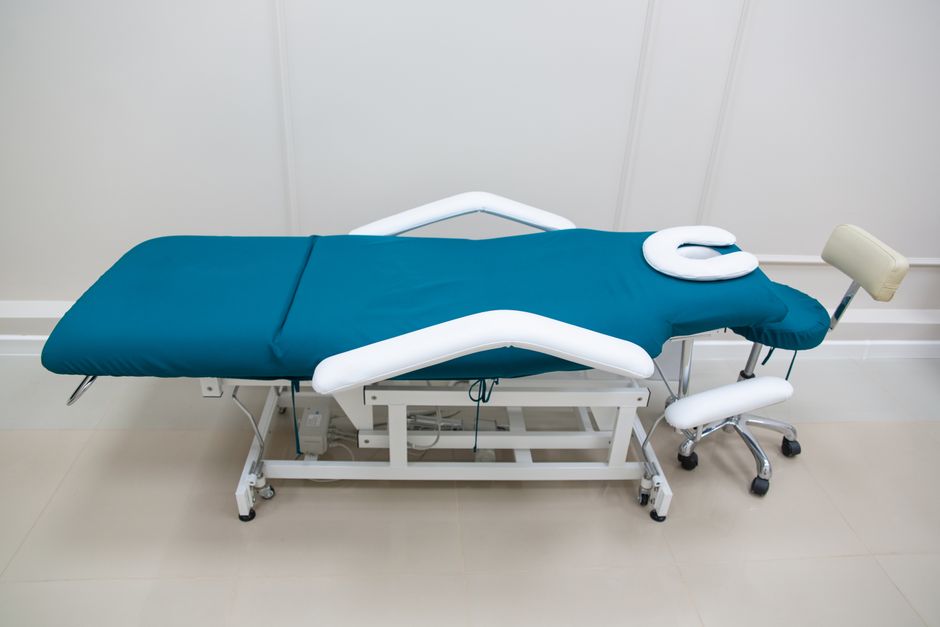
Most cosmetic procedures require 7-14 days before safe air travel, while major surgeries demand 2-4 weeks.
The clock starts ticking from your procedure date, not your discharge date. If you had combined procedures, base your timeline on the most invasive surgery you underwent.
Rhinoplasty patients need at least one week for the nasal bone to stabilize. Even then, cabin pressure changes at 8,000 feet equivalent altitude can trigger bleeding. That’s why clinics affiliated with major hospitals recommend 10-day minimums.
Long-haul flights amplify every risk. Sitting for 10+ hours pools blood in your legs. Swelling shifts from your surgical site to dependent areas. Most veterans of Korean medical tourism book 14-day stays to avoid these variables entirely.
How soon is too soon to fly after surgery?
Never fly within 72 hours of anesthesia—this is when post-operative bleeding and DVT risks peak.
Day one through three represent the danger zone. Your incisions haven’t sealed. Blood clotting factors remain unstable. Airlines explicitly warn against travel during this window.
Many clinics will refuse to discharge you to the airport during this period. If you insist, carriers like Korean Air or Asiana reserve the right to request medical clearance. Without it, they deny boarding.
What are the chances of getting a blood clot from flying after surgery?
Recent surgery increases your deep vein thrombosis (DVT) risk by 400% during flights over 4 hours.
The combination of surgical trauma and immobility creates perfect conditions for clot formation.
Compression stockings aren’t optional—they’re essential. Walk the aisle every 90 minutes. Stay hydrated. These steps cut your risk significantly, but they don’t eliminate it. That’s why surgeons emphasize the 2-week waiting period for any procedure involving general anesthesia.
Which country is no 1 in plastic surgery and why does that impact your recovery timeline?
South Korea leads global cosmetic procedures per capita, performing over 1 million surgeries annually with recovery protocols optimized for medical tourists.
Korea isn’t just popular—it’s statistically dominant. The nation performs more cosmetic surgeries per person than any other country. This volume means clinics have refined post-operative care specifically for travelers.
Local surgeons understand you can’t stay for a month. They’ve developed accelerated recovery protocols that stabilize patients faster than Western counterparts. However, this efficiency doesn’t shorten safe flight windows. It means your day-7 checkup in Seoul is more thorough than a day-14 checkup elsewhere.
How does JCI accreditation affect your post-surgery flight clearance?
JCI accreditation requires hospitals to meet international patient safety standards that often mandate longer observation periods before clearing you for air travel.
JCI accredits hospital quality through rigorous standards that exceed local requirements. When JCI accredits Samsung Medical Center or JCI accredits Severance Hospital, those facilities must follow specific discharge protocols for international patients. These often include mandatory D-dimer blood tests to rule out clotting issues before flight clearance.
Non-accredited clinics might clear you on day 5. JCI facilities typically hold you to day 7-10 minimums. This frustrates tourists watching their flight dates approach. But it protects you from mid-air emergencies that could force an expensive diversion.
What MFDS regulations should medical tourists understand before booking flights?
MFDS regulates medical procedures and mandates minimum monitoring periods that clinics must document before releasing international patients.
The Ministry of Food and Drug Safety (MFDS) oversees everything from surgical equipment to post-operative medications. MFDS regulates medical procedures including rhinoplasty and facelifts, requiring clinics to maintain 48-72 hour observation records for any procedure involving implants or general anesthesia.
MFDS also regulates Botox and filler injections, which complicates combined procedure timelines. If you had toxin injections alongside your surgery, MFDS guidelines may extend your safe flight window by 2-3 days to monitor for delayed allergic reactions at altitude.
These regulations aren’t bureaucratic hurdles. They create the paper trail your airline might request. Keep your MFDS-compliant discharge summary in your carry-on. It proves your surgery date and clearance status if gate agents question your bandages or swelling.
Why does HIRA monitoring matter for your travel insurance claims?
HIRA tracks all surgical outcomes in Korea, and their quality scores determine whether your travel insurance will cover post-flight complications.
The Health Insurance Review and Assessment Service (HIRA) audits every medical facility. When HIRA assigns high quality ratings to clinics, insurance companies trust their fit-to-fly certificates more readily. If HIRA flags a clinic for complications, insurers may deny claims for post-operative care that occurs after you leave Korea.
Before choosing a hospital for international patients, check their HIRA grade. A grade-1 facility provides documentation that protects you legally and financially if something goes wrong on your flight home.
When is it safe to fly after ptosis correction or double eyelid surgery?
Wait 5-7 days minimum after blepharoplasty, which corrects ptosis and creates incision lines vulnerable to cabin pressure changes.
Eyelid procedures seem minor compared to rhinoplasty, but they carry unique flight risks. Blepharoplasty corrects ptosis by manipulating the levator muscle and creating precise incisions in thin skin. Cabin air sits at 10-20% humidity, causing rapid eye dryness that stresses healing sutures.
Most oculoplastic surgeons in Korea prefer 10-day clearances. They want suture lines sealed completely before you expose them to dry, pressurized environments. If you had double eyelid surgery combined with ptosis correction, extend your stay to 14 days. Combined procedures compound swelling that altitude shifts into your eyelids.
Bring preservative-free artificial tears. Request an aisle seat so you can apply drops without disturbing neighbors. These small steps prevent the incision irritation that ruins surgical results.
Is flying after myopia correction riskier than other cosmetic procedures?
Actually, myopia surgeries like LASIK or SMILE allow earlier flight clearance—often just 3-7 days—but require strict moisture management.
Unlike facial surgeries, myopia correction doesn’t involve bleeding risks or significant swelling. The corneal flap heals rapidly. However, cabin pressure can create subtle corneal edema that blurs vision temporarily. Dry air exacerbates this.
If you chose myopia correction during your Korea trip, you’re lucky on timing. You can fly home sooner than rhinoplasty patients. But pack medicated eye drops and moisture chambers (goggles). Blink frequently. Avoid reading or screens during the flight—rest your eyes completely.
What documents do airlines require before allowing post-surgical passengers to board?
Most international carriers require a fit-to-fly medical certificate dated within 24-48 hours of departure if your surgery occurred within 14 days.
Airlines don’t trust your word. They face liability if you decompensate mid-flight. Korean Air, Asiana, and most major carriers follow International Air Transport Association (IATA) guidelines. These specify that recent surgery patients need written clearance stating: procedure date, current stability, and absence of communicable disease complications.
Your certificate must come from the operating surgeon, not a random clinic. It should list your procedure in medical terms (e.g., “open rhinoplasty” not “nose job”).
Carry it in your carry-on, not checked luggage. Gate agents may request it before allowing you through security if they notice bandages or facial swelling.
When should you delay your flight and see your surgeon immediately?
Cancel your travel plans if you develop fever over 38°C, uncontrolled bleeding, or calf pain suggesting a blood clot.
Some symptoms mean the airport shuttle should turn around. Fever indicates infection that altitude pressure will worsen. Active bleeding from any incision site creates an emergency at 35,000 feet where medical supplies are limited.
Watch for unilateral calf swelling or pain—classic DVT signs. If pressing your calf feels like pressing a water balloon, stay grounded. See your surgeon for an ultrasound. A clot that breaks loose during flight becomes a pulmonary embolism, potentially fatal.
Frequently Asked Questions
Can I fly business class to reduce risks after surgery?
Business class helps, but it doesn’t change medical timelines.
Extra leg space reduces DVT risk by allowing movement. Better meals help nutrition. But pressure changes affect your surgical site equally in row 1 or row 50. Business class won’t prevent a nasal hemorrhage or bleeding incision. Follow the same waiting periods regardless of your ticket class.
Will airport security detect my facial implants?
Modern facial implants rarely trigger metal detectors, but surgical swelling may prompt secondary screening.
Titanium plates or silicone implants usually don’t alarm standard scanners. However, facial swelling, bandages, or recent scar tissue might trigger a manual inspection. Carry your surgical summary explaining any implants. Security at Incheon International Airport deals with medical tourists daily—they’re professional, but documentation speeds the process.
Can I use sleeping pills during the flight after anesthesia?
Avoid sedatives for 48 hours post-surgery, then use caution.
Mixing residual anesthesia with benzodiazepines or sleep aids depresses breathing—a danger at altitude. If you must sleep on a long-haul flight, use melatonin or natural methods. Ask your surgeon specifically about Ambien or similar drugs if your flight exceeds 8 hours.
What if my airline denies me boarding?
Request a supervisor and present your fit-to-fly certificate immediately.
Gate agents sometimes err conservatively. If they refuse boarding despite your documentation, ask for a Customer Resolution Officer. Show your JCI accreditation letter and surgeon’s clearance. Most reversals happen within 15 minutes. If they still refuse, your travel insurance (purchased through your surgery package) should cover rebooking fees.
Related Reading
- Plastic Surgery Clinics in Korea — What to check when choosing
- Plastic Surgery Packages in Korea — What to check when choosing
- Hospitals in Korea for International Patients — What to check when choosing
Last updated: May 01, 2026