
- Non-incisional double eyelid surgery costs 1.5–2.5 million KRW ($1,100–$1,900 USD)
- Incisional methods run 2.0–3.5 million KRW ($1,500–$2,600 USD) depending on complexity
- Budget an extra $800–$1,200 for accommodation, flights, and 7-day minimum stay
- Apgujeong clinics charge 20–30% more than Gangnam or Sinchon locations
You’ve scrolled through dozens of before-and-after photos. You’ve calculated the flight costs from LAX to Incheon. But you still don’t know if your savings account can handle the real price of double eyelid surgery in Seoul.
Here’s what you’ll typically pay — and where extra charges hide.
What is the exact price range for double eyelid surgery in Korea?
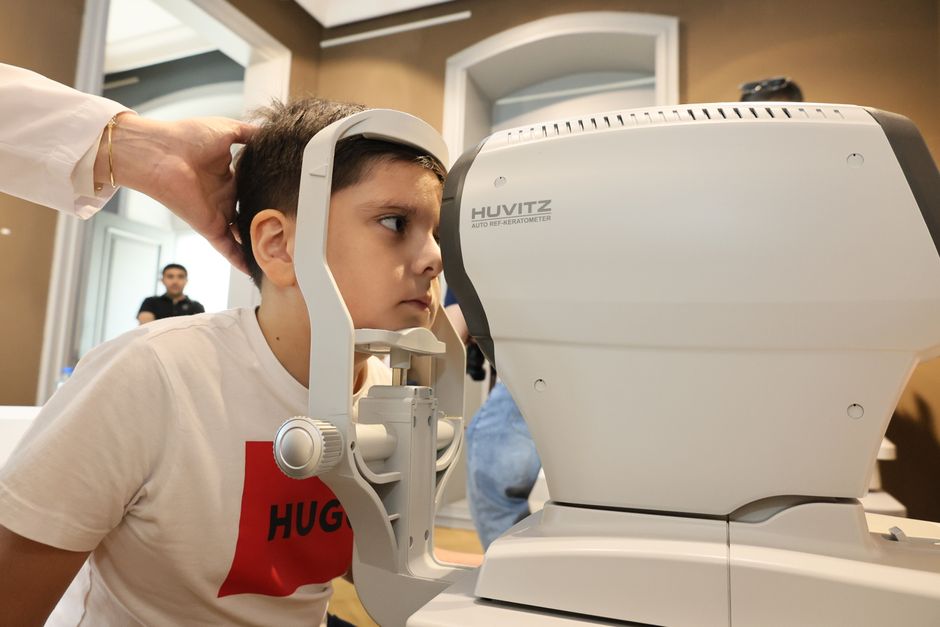
Non-incisional procedures start at 1.5 million KRW ($1,100 USD), while incisional double eyelid surgery typically costs 2.0–3.5 million KRW ($1,500–$2,600 USD) as of 2026.
The pricing gap isn’t random. It reflects surgical time, permanence, and your anatomy.
Non-incisional (suture) methods use tiny punctures to thread a permanent fold. The procedure takes 30 minutes. You walk out with minimal swelling. That’s why clinics like ID Hospital or Banobagi list these at the lower end — less OR time means lower overhead.
Incisional surgery removes excess skin and fat. It takes 1–2 hours. The scar hides in your new crease, but the complexity drives costs up. If you have thick eyelid skin or need ptosis correction (muscle tightening), add another 1.0–2.0 million KRW ($750–$1,500) to the base price.
| Procedure Type | Price (KRW) | Price (USD) | Recovery |
|---|---|---|---|
| Non-Incisional (Suture) | 1.5M – 2.5M | $1,100 – $1,900 | 3–7 days |
| Incisional Full | 2.0M – 3.5M | $1,500 – $2,600 | 10–14 days |
| Ptosis Correction (add-on) | +1.0M – 2.0M | +$750 – $1,500 | +7 days |
Why does Apgujeong charge more for blepharoplasty than other Seoul districts?
Apgujeong clinics command a 20–30% premium over Gangnam Station or Sinchon locations.
You’re paying for postcode prestige. Apgujeong Rodeo Street sits at the heart of Korea’s beauty district. Rent here runs 40% higher than in satellite neighborhoods. Those costs transfer to your surgical quote.
But there’s a legitimate quality factor too. The concentration of MFDS-regulated centers in Apgujeong means stiffer competition for surgeons.
Prices in Apgujeong also reflect the reputation of the district and quick access to revision specialists if something goes wrong.
That safety net costs extra. A clinic in Hongdae might charge 1.8M KRW for suture methods. Cross the river to Apgujeong, and the same technique starts at 2.4M KRW.
Is it cheaper to get plastic surgery in Korea compared to the US or UK?
Yes. Double eyelid surgery in Korea costs 30–50% less than equivalent procedures in Los Angeles or London.
In Beverly Hills, incisional blepharoplasty averages $4,500–$6,000 USD. In Seoul, you’re looking at $1,500–$2,600 for comparable technique and technology. The savings become dramatic when you bundle procedures. A package of double eyelid surgery plus LASIK runs roughly $3,000 in Korea. In the US, that combination pushes $8,000.
But factor in the hidden costs of medical tourism. Your 7-day minimum stay (required for suture removal and check-ups) means hotel bills, food, and potential revision visits. Add $1,500–$2,000 to your surgery budget for logistics.
Even with travel costs, you’ll typically save $1,500–$2,500 compared to domestic options. The gap widens if you’re Australian or Canadian. Sydney clinics charge AUD $3,900+ for basic eyelid procedures — nearly triple the Seoul rate.
How do JCI accreditation and MFDS regulations affect your surgery cost?
JCI-accredited facilities charge 15–25% more than non-accredited clinics, but MFDS regulations cap certain price gouging practices.
JCI (Joint Commission International) is the gold standard for global healthcare quality. When JCI accredits Severance Hospital or Samsung Medical Center, they’ve verified anesthesia protocols, emergency response times, and surgeon credentialing. That audit costs the hospital millions of won annually. You pay for that assurance.
However, MFDS (Ministry of Food and Drug Safety) regulations level the playing field on material costs. MFDS regulates Botox, suture threads, and implant materials used in blepharoplasty.
This prevents clinics from arbitrarily marking up medical supplies. A JCI-accredited center in Gangnam can’t charge $500 for sutures that cost 50,000 KRW wholesale — MFDS pricing transparency rules forbid it.
What country is #1 in plastic surgery?
South Korea performs the most cosmetic procedures per capita worldwide.
As of 2026, Korea leads global statistics with approximately 13.5 procedures per 1,000 residents annually. Brazil and the US follow in total volume, but Korea’s per-capita rate is 2.3x higher than the United States.
This density drives competitive pricing. With over 2,500 registered plastic surgery clinics nationwide, market saturation keeps double eyelid surgery affordable. The high volume also means Korean surgeons perform more Asian blepharoplasty procedures in one month than many US surgeons perform in their careers.
Which country is best for blepharoplasty?
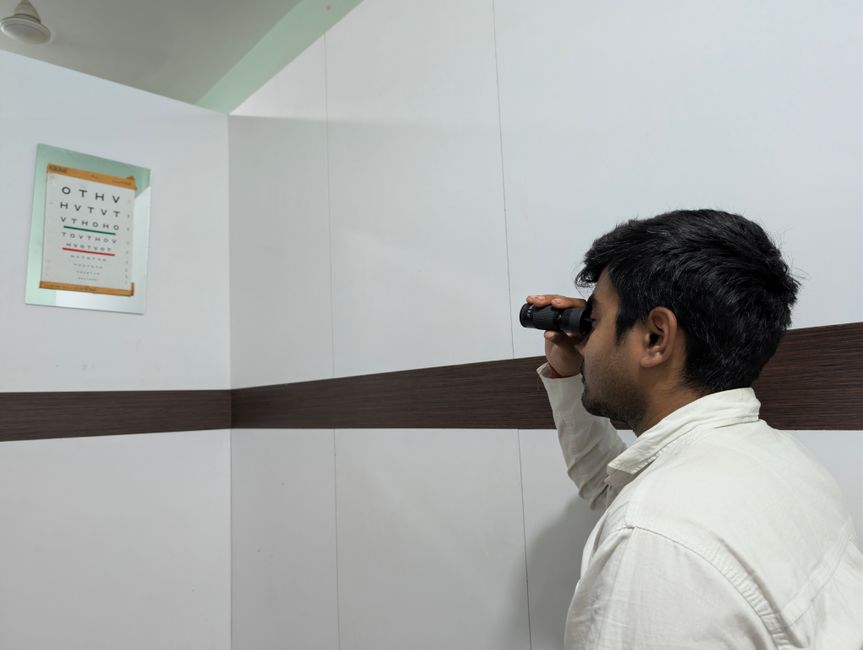
South Korea is widely considered the global center for Asian blepharoplasty expertise.
While Thailand and Turkey offer lower prices (sometimes $800–$1,200 for incisional methods), Korea dominates in procedure specialization. Korean surgeons pioneered the partial incision technique and the “natural adhesion” method now copied worldwide.
The combination of JCI-accredited facilities, MFDS-strict safety protocols, and specialized oculoplastic training makes Korea the destination for complex revisions. If you’ve had a botched procedure elsewhere, Korean clinics charge premium rates ($3,000–$5,000) for corrective work — but they deliver results other countries can’t match.
How does HIRA certification protect medical tourism patients?
HIRA (Health Insurance Review and Assessment Service) certification ensures your clinic meets national safety standards for foreign patients.
HIRA doesn’t regulate pricing directly. Instead, it audits medical records, infection rates, and foreign patient complaint histories. Clinics displaying the HIRA “Medical Institution for International Patients” seal must carry malpractice insurance specific to medical tourism cases.
This certification adds roughly 200,000–300,000 KRW ($150–$220) to your procedure cost. It covers translation services, dedicated international coordinators, and legal recourse if complications arise. Without HIRA oversight, you’re vulnerable to “ghost doctors” — unlicensed practitioners who substitute for the famous surgeon during your actual procedure.
What hidden fees should I budget for beyond the surgeon’s quote?
Expect to add 800,000–1,200,000 KRW ($600–$900) for anesthesia, medications, and post-operative care.
The base price rarely includes everything. Here’s the breakdown most clinics won’t mention upfront:
Anesthesia fees run 300,000–500,000 KRW ($220–$370) for IV sedation. Prescription antibiotics and scar creams add another 150,000 KRW ($110). Suture removal is sometimes billed separately at 50,000–100,000 KRW ($37–$75) per visit.
If you’re doing medical tourism properly, budget for a 10-night hotel stay near your clinic. You’ll need daily check-ins for the first 3 days, then每隔-other-day visits until day 7. A mid-range hotel in Gangnam costs 120,000 KRW ($90) nightly. That’s 1.2M KRW ($900) just for accommodation.
When should I avoid budget clinics offering sub-1.0M KRW pricing?
Walk away from any clinic quoting under 1.0M KRW ($750) for incisional double eyelid surgery.
That price signals corner-cutting. Either the surgeon isn’t licensed (check MFDS registration), the facility lacks HIRA certification, or they’re using “ghost doctors.” Legitimate clinics can’t rent OR space, pay qualified staff, and purchase sterile MFDS-regulated materials at those rates.
Red flags include pressure to pay the full fee in cash upfront, refusal to provide the surgeon’s direct credentials, or consultations that last under 10 minutes.
Quality blepharoplasty requires detailed measurement of your eyelid skin thickness, fat distribution, and muscle strength. Rushed consultations lead to asymmetrical creases and revision surgery costs that triple your initial “savings.”
Related Reading
Ready to book? Related guides:
- Double Eyelid Surgery Clinics in Korea — What to check when choosing
- Double Eyelid Surgery Clinics in Seoul — What to check when choosing
- Eyelid Surgery Clinics in Seoul — What to check when choosing
Last updated: May 01, 2026