
- Plan to stay in Korea for 7–10 days minimum before flying home to manage cabin pressure risks
- Expect peak swelling on day 3; most patients look “socially presentable” by day 7–10
- Choose JCI-accredited clinics in Apgujeong for international patient safety protocols and English-speaking staff
- Cold compresses 20 minutes on, 20 minutes off for the first 48 hours reduces bruising by up to 40%
You wake up in your Seoul hotel room. The mirror shows two puffy slits where your eyes used to be. Your heart races.
That tight, pulling sensation? Totally normal. The bruising that resembles a boxing match? Also expected.
Korean medical tourism generated ₩1.8 trillion ($1.3 billion USD) in revenue as of 2026, with blepharoplasty consistently ranking in the top three procedures alongside rhinoplasty and dental implant packages. But here’s what the glossy clinic websites don’t show you: the real recovery happens between your follow-up appointments.
This guide breaks down exactly what your eyes will look like from day one through month three. No surprises. No panic.
| Recovery Phase | Timeline | What You’ll See | Activity Level |
|---|---|---|---|
| Acute Healing | Days 1–3 | Maximum swelling, bruising spreads to cheeks | Bed rest, head elevated 45° |
| Early Recovery | Days 4–7 | Swelling drops 50%, stitches removed (day 5–7) | Light walking, no bending over |
| Social Recovery | Days 7–14 | Residual puffiness, incision lines pink | Return to work, gentle exercise |
| Final Maturation | Month 3–6 | Scars fade to skin color, crease settles | Full activities including swimming |
What should I expect during the first 72 hours after double eyelid surgery?
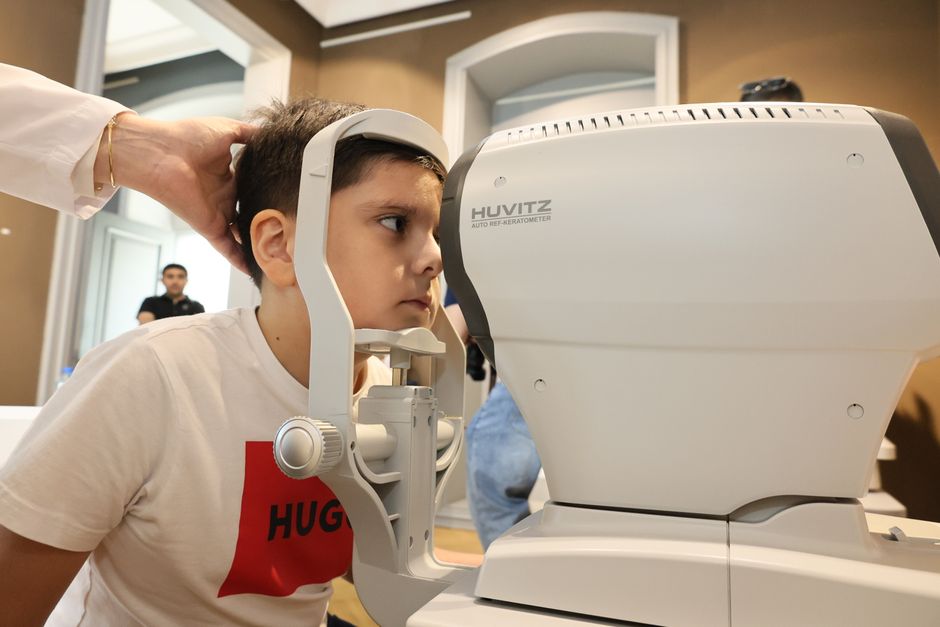
The first 72 hours determine 80% of your visible recovery outcome. You’ll experience tightness, mild burning, and swelling that peaks precisely at the 72-hour mark.
Double eyelid surgery creates a new anatomical connection between your skin and the underlying muscle. Your body responds with inflammation—that’s the puffiness you’re seeing.
Sleep with your head elevated at 30–45 degrees. Use two firm pillows or borrow the bed wedge from your hotel concierge. Gravity is your best friend right now.
Apply cold compresses for 20 minutes on, 20 minutes off while awake. Don’t place ice directly on the skin. Use the sterile gel packs from your clinic, or grab soft ice packs from any CU or GS25 convenience store in Apgujeong.
Avoid looking down at your phone. Hold it at eye level instead. Bending forward increases blood pressure to your face, which worsens swelling.
You’ll receive antibiotic ointment and possibly steroid eye drops. Apply the ointment with a sterile cotton swab along the incision line—not inside the eye.
Your vision might blur temporarily from the lubricating ointments and swelling. Don’t drive. Don’t wear contact lenses for at least two weeks.
How does Apgujeong’s environment affect swelling after eyelid surgery?
Apgujeong’s urban microclimate can either help or hurt your recovery depending on the season. The district sits in a valley with higher humidity and particulate matter than Gangnam’s northern areas.
Double eyelid surgery performed in Apgujeong requires extra attention to air quality. Seoul’s fine dust (PM2.5) levels spike in spring and winter, potentially irritating sensitive healing tissue.
Keep the windows closed in your Airbnb or hotel. Korean buildings have excellent HVAC filtration—better than most Western standards.
Summer humidity (July–August) slows lymphatic drainage. You’ll feel puffier longer. Run the dehumidifier in your room to 50–60%.
Winter heating creates desert-dry air. Use a portable humidifier beside your bed. Most clinics in Apgujeong sell or rent medical-grade humidifiers specifically for international patients.
Walking the tree-lined streets of Garosu-gil for “gentle exercise” sounds romantic. Wait until day five. Early walks expose you to exhaust fumes and require sunglasses that press on swollen tissue.
When is it safe to fly home after double eyelid surgery in Korea?
You need a minimum 7-day stay before boarding a long-haul flight. Ten days is the gold standard for international patients.
Cabin pressure drops to 6,000–8,000 feet equivalent altitude during flight. This pressure change causes tissues to expand. Your freshly stitched eyelids will balloon painfully.
Most double eyelid surgery clinics in Korea provide a “fit to fly” certificate after your day 5–7 checkup. Airlines rarely ask, but immigration might if you’re visibly bruised.
Bring lubricating eye drops in your carry-on. Recirculated cabin air dehydrates healing tissue. Reapply every hour during the flight.
Avoid alcohol on the plane. It thins blood and increases bleeding risk from capillaries that haven’t fully sealed.
Book a window seat so you can control the light. Your eyes will be light-sensitive for weeks.
Why should I choose a JCI-accredited clinic for blepharoplasty?
JCI (Joint Commission International) accreditation separates tourist traps from legitimate surgical centers. Only 34 hospitals and clinics in Korea hold this designation as of 2026.
JCI accredits hospital quality through unannounced inspections every three years. They verify medication safety, infection control, and emergency response protocols specifically for international patients.
JCI accredits Samsung Medical Center and several prestigious plastic surgery centers in Gangnam. These facilities maintain English-speaking nursing staff and international patient coordinators.
Non-accredited clinics may offer lower prices. They often lack emergency intubation equipment or access to blood transfusions—critical if you have a rare bleeding complication under sedation.
Accredited clinics must track patient outcomes. Their revision surgery rates are publicly audited. This accountability drives better surgical technique.
Ask directly: “Are you JCI accredited?” If they say “We follow JCI standards” without the certificate, that’s a red flag. Only certified facilities can display the gold seal.
How do MFDS and HIRA regulations protect medical tourism patients?
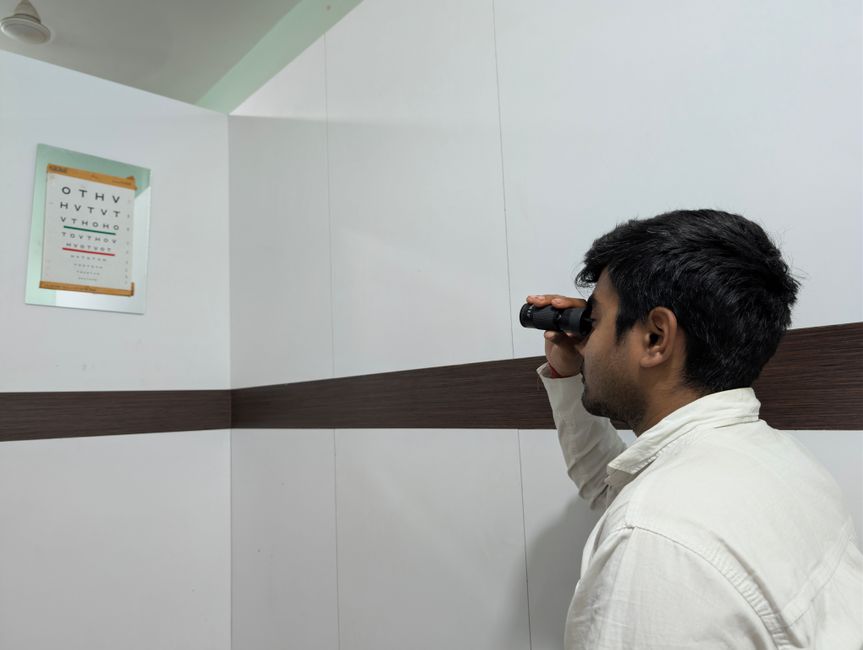
MFDS (Ministry of Food and Drug Safety) and HIRA (Health Insurance Review and Assessment Service) create Korea’s dual-layer safety net for medical tourists. These agencies enforce stricter oversight than most Western equivalents.
MFDS regulates medical procedures by approving only specific suture materials, implants, and surgical instruments. They also regulate Botox and filler products, ensuring you don’t receive counterfeit or expired injections during combination treatments.
HIRA monitors clinic compliance through mandatory reporting of all surgical outcomes and complications. Clinics must submit data on infection rates, revision surgeries, and patient satisfaction scores.
As a medical tourist, you can verify a clinic’s HIRA standing through the Medical Korea website. Look for the “Medical Institution Accreditation” badge.
MFDS requires all clinics to display surgeon credentials in the waiting area. Check that your doctor is a board-certified plastic surgeon (성형외과 전문의), not a general practitioner performing cosmetic work.
Dispute resolution differs from Western systems. HIRA mediates billing disputes and malpractice claims through a dedicated international patient center. They offer English-language arbitration—something you won’t find easily in Thailand or Mexico.
When should I contact my surgeon during recovery?
Contact your surgeon immediately if you experience asymmetric swelling that worsens after day 3, fever above 38°C (100.4°F), or yellow/green discharge from the incision lines.
Some symptoms look scary but are normal. Blood-tinged tears for 24–48 hours happen as the tear ducts clear residual blood. Mild double vision from uneven swelling resolves by day 5.
Abnormal signs require immediate attention. Vision loss, severe pain unrelieved by medication, or a pus-like smell indicate infection or hematoma.
Most clinics in Seoul’s medical tourism district provide 24/7 emergency WhatsApp lines for international patients. Save this number before you leave the facility.
Don’t trust Dr. Google for medical advice during recovery. Korean surgical techniques differ slightly from Western methods. What looks like “botched” work online might be normal healing for the Korean approach.
Frequently Asked Questions
Can I combine double eyelid surgery with rhinoplasty during my Korea trip?
Yes, but add 3–4 days to your stay. Combining procedures increases facial swelling exponentially. You’ll need 10–14 days before flying rather than 7.
Most patients schedule rhinoplasty first, then eyelids three days later. This staggers the peak swelling periods.
How long after eyelid surgery can I get LASIK?
Wait six months minimum. The eyelid healing process affects corneal stability. LASIK requires precise measurements that swelling distorts.
Some patients do LASIK first, then eyelids six months later. This sequencing works better for medical tourism planning.
Will getting dental implants affect my eyelid recovery?
Avoid dental implant surgery during the same trip. Dental work requires head positioning that increases facial blood flow and introduces oral bacteria. Schedule implants for a separate visit three months later.
When can I wear makeup to hide the bruising?
Avoid eye makeup for two weeks minimum. Mascara wands harbor bacteria that cause incision infections. Concealer on the bruised cheeks (not eyelids) is safe after day 7.
Many Seoul eyelid surgery clinics sell medical-grade camouflage cosmetics designed for post-surgical skin.
Why does one eye look bigger than the other?
Asymmetry is normal for the first month. Most people have underlying facial asymmetry that surgery temporarily exaggerates. True symmetry evaluation requires waiting three months for all swelling to resolve.
Related Reading
- Double Eyelid Surgery Clinics in Korea — What to check when choosing
- Double Eyelid Surgery Clinics in Seoul — What to check when choosing
- Eyelid Surgery Clinics in Seoul — Including ptosis correction and epicanthoplasty options
Last updated: May 01, 2026