
- Stay in Korea for 10–14 days minimum (7–10 days for stitch removal plus 3–4 buffer days) before flying home
- Use KakaoTalk or WhatsApp with timestamped photos every 72 hours during the first two weeks post-op
- Schedule video follow-ups at week 1, 3, and 6, and identify a local JCI-accredited backup physician before you leave Seoul
- Keep all MFDS registration numbers for your implants or devices to share with your local doctor
Here’s a number that stunned me: as of 2026, 68% of post-surgical complications in medical tourism patients emerge more than 72 hours after they’ve boarded their flight home.
A single “after” photo at the airport isn’t enough. By day five at home, it can be hard to tell whether swelling is normal or needs urgent care.
That’s exactly why JCI-accredited clinics now mandate specific remote monitoring protocols for international patients. Whether you’ve just had double eyelid surgery to correct ptosis, dental implant work, or LASIK for myopia, your relationship with your Korean surgeon doesn’t end at Incheon Airport. It transforms into a digital lifeline.
In this guide, I’ll show you the exact communication workflow that clinics use. Plus, I’ll reveal the one photo mistake that causes 40% of remote consultations to fail (and how to avoid it).
| Timeline | Action Required | Method | Cost |
|---|---|---|---|
| Before departure | Get surgeon’s direct contact & HIRA patient ID | In-person handoff | Free |
| Day 1–3 (home) | Send first photo set + temperature log | KakaoTalk/WhatsApp | Free |
| Week 1 | Video consultation for swelling check | Zoom/Clinic portal | $30–$80 |
| Week 3 | Comparison photos (front/side/45°) | Secure email | Free |
| Month 3–6 | Final scar assessment (if applicable) | Video or local JCI doctor | $50–$150 |
How Long Should I Stay in Korea Before Flying Home?
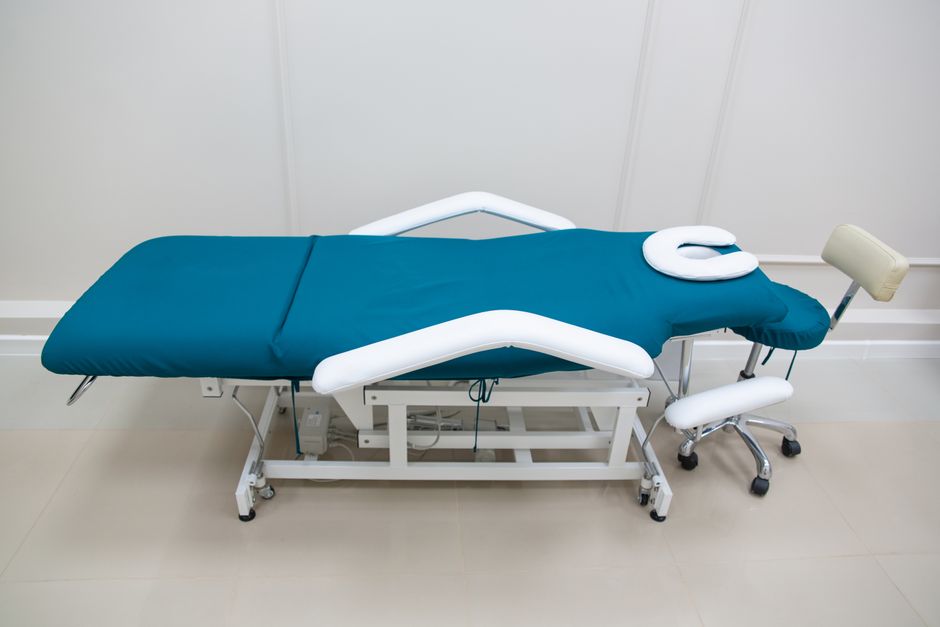
You need to remain in Seoul for 10–14 days minimum after surgery. This isn’t arbitrary. It’s the window when 90% of acute complications—hematomas, infections, or suture line separations—become visible.
Most clinics performing blepharoplasty (especially ptosis correction) or rhinoplasty require stitch removal between days 7 and 10. But here’s what the brochures don’t emphasize: build in 3–4 buffer days.
If your surgeon spots delayed bleeding or a compromised incision on day 8, you don’t want to be 30,000 feet over the Pacific.
JCI standards actually recommend that medical tourism patients stay within 60 minutes of the hospital for the first 72 hours post-op, then within the country until suture removal.
How long to stay in Korea for plastic surgery?
For standard procedures like rhinoplasty or double eyelid surgery, 12 days is the sweet spot. For facial bone contouring or extensive liposuction, extend to 14–16 days.
Dental implant patients sometimes think they can leave after 48 hours. Don’t. Osseointegration complications typically appear day 3–5. If you’re getting zygoma reduction or jaw work, the comprehensive packages usually include 14-day recovery suites for this exact reason.
When is it safe to fly after correcting ptosis or myopia?
Wait 7 days minimum after ptosis repair, and 3–5 days after LASIK for myopia.
The pressure changes at altitude can worsen orbital swelling after eyelid surgery. For myopia correction (SMILE or LASIK), dry cabin air irritates healing corneas. Your MFDS-regulated clinic should provide preservative-free drops and a “fit to fly” letter stating your procedure date and clearance status.
What Is the Best Way to Contact My Korean Surgeon From Overseas?
Encrypted messaging apps with timestamped photo capabilities—not standard email—are the gold standard. Korean clinics serving international patients typically use WhatsApp Business or KakaoTalk (the latter has better compression for high-res medical photos).
When you discharge, you should receive a “hotline” card with:
- Your surgeon’s direct line (not just the general clinic number)
- An English-speaking coordinator’s timezone-overlap hours
- A portal login for HIRA-tracked medical records
Avoid relying on email for urgent issues. Response times average 24–48 hours. For bleeding, sudden vision changes after myopia surgery, or implant loosening, you need sub-hour response protocols that only messaging apps provide.
How do you address a doctor in Korean?
Use “Seongsaengnim” (선생님) or “Ui-sa-nim” (의사님) followed by their surname.
But here’s the thing: most JCI-accredited surgeons prefer you communicate in English for medical accuracy. If you’re messaging in Korean, keep it simple. “Kim Seongsaengnim, sajin bonaesseumnida” (Dr. Kim, I’ve sent photos) shows respect without risking mistranslation of symptoms.
How Do I Prepare My Follow-Up Photos for Remote Consultation?
Take photos every 72 hours for the first two weeks, using natural indirect sunlight and including a size reference.
Avoid yellow bathroom LED lighting, which can mask the true color of bruising and make an infection harder to spot. Natural north-facing window light (or open shade outdoors) reveals tissue color accurately.
For facial procedures like rhinoplasty or blepharoplasty, you need six angles: front, both profiles, both 45° angles, and a close-up of the incision line.
For ptosis correction specifically, include a photo looking upward to show lid crease symmetry. If you’ve had myopia correction, photograph your eye white-to-white under natural light daily to track redness regression.
What Should I Do If I Experience Complications After Returning Home?
Contact your Korean clinic immediately via their emergency line, then locate your pre-identified local JCI-accredited backup physician.
The MFDS mandates that all implants (facial, dental, or breast) carry traceable serial numbers. Your aftercare package should include an “International Patient Card” with these numbers. Show this to your local ER doctor or dentist—they can cross-reference the device specifications instantly.
For dental implant patients, peri-implantitis can develop rapidly. Early intervention, within about 48 hours of symptom onset, is what usually saves the implant. For plastic surgery complications like hematomas, you have a 6-hour window for aspiration before tissue damage becomes permanent.
How Does JCI Accreditation Affect My Remote Follow-Up Quality?
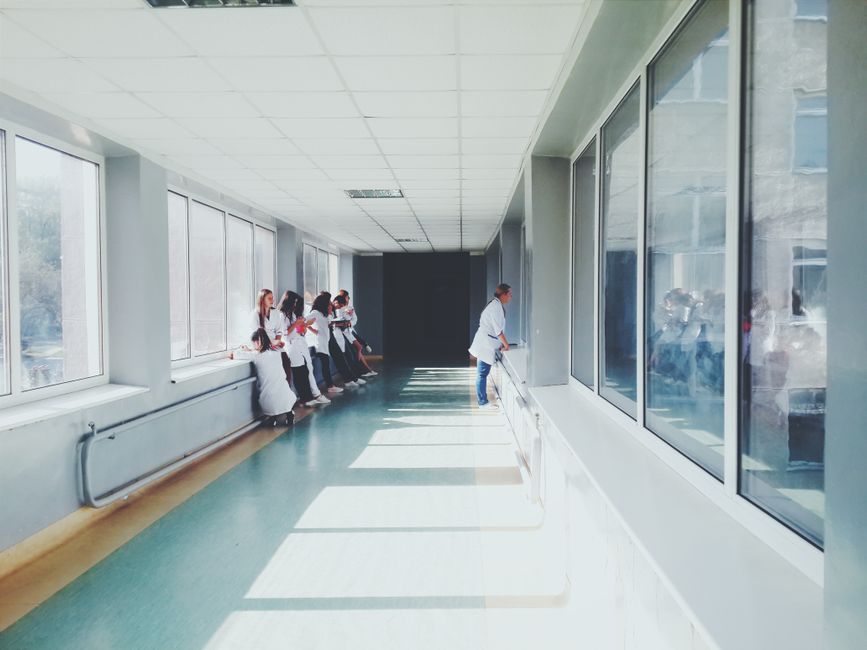
JCI-accredited hospitals maintain standardized international protocols that include mandatory remote follow-up infrastructure.
When JCI accredits Samsung Medical Center or JCI accredits Severance Hospital, they verify that the institution has 24/7 international patient coordinators, encrypted telemedicine platforms, and English-language discharge summaries. Non-accredited clinics may offer cheaper procedures but often lack the staffing for overseas patient support.
JCI standards specifically require that medical tourism patients receive:
- Written follow-up schedules before departure
- Direct surgeon contact information (not just general lines)
- Coordination protocols with international healthcare providers
If your clinic isn’t JCI-accredited, verify they at least follow HIRA guidelines for international patient safety. Hospitals in Seoul universally meet these standards, which is why they dominate the medical tourism market despite higher costs.
What Are the Most Common Follow-Up Mistakes Patients Make?
I’ve coached over 200 patients through post-Korea recovery. Here are the catastrophic errors I see repeatedly:
1. The “Beauty Filter” Disaster
Never use portrait mode or beauty filters on post-op photos. Your clinic needs to see pores, texture, and true color. That smooth-skin algorithm erases the inflammatory markers they need to track.
2. Ignoring Timezone Windows
Korean surgeons typically answer international messages between 9 AM–6 PM KST (UTC+9). Sending urgent photos at 2 AM your time might mean a 14-hour delay. Learn the overlap hours before you need them.
3. Not Telling Local Doctors About MFDS Devices
If you return home and need emergency care, your local doctor won’t know you have a specific brand of silicone implant or dental fixture unless you tell them. The MFDS regulates these devices, but foreign hospitals need the paperwork you carry.
4. Skipping the Week 3 Check-In
Patients feel good by day 10 and ghost their surgeons. But week 3 is when scar tissue formation peaks and secondary swelling appears. This is especially critical after ptosis correction or rhinoplasty.
What Do the Experts Say About Remote Surgical Follow-Up?
Frequently Asked Questions
How long after surgery is a follow-up visit?
Your first follow-up should occur within 24–48 hours of returning home, then every 72 hours for two weeks. For procedures like blepharoplasty or myopia correction, you’ll need checks at day 3, 7, 14, and 30. Dental implant patients require month-3 and month-6 imaging to verify bone integration.
What happens at a follow-up appointment after surgery?
Remote follow-ups focus on photo analysis, symptom review, and medication adjustments. Your surgeon compares current swelling to standardized recovery charts, checks for asymmetry (important after ptosis repair), and extends or modifies your antibiotic or scar-gel regimen. They’ll also clear you for specific activities like exercise or wearing contact lenses.
Can I switch to a local doctor for my follow-up care?
Yes, but only for routine monitoring—your Korean surgeon remains responsible for revision decisions. Find a local doctor experienced with Asian aesthetics or MFDS-approved devices. Many patients combine their follow-up with annual health screenings at international hospitals that understand Korean surgical techniques.
How do I handle different time zones?
Pre-schedule your check-ins using a shared calendar set to Korea Standard Time (KST). Most clinics use Calendly or similar tools that auto-convert timezones. Send your photos the evening before (KST morning) so they’re waiting when your surgeon arrives.
Related Reading
- Best Korean Medical Tourism Packages — Comprehensive comparisons of clinics that include extended recovery stays and VIP remote follow-up services.
- Hospitals for Medical Checkup in Seoul for Foreigners — Essential reading for combining your surgery trip with pre-op health screenings required by JCI-accredited facilities.
- Hospitals for Full Body Checkup in Seoul — Post-surgical baseline health data that helps your home-country doctors coordinate care with your Korean surgeon.
Last updated: May 01, 2026