
- Korean techniques prioritize “natural beauty” with subtle refinements, while Western approaches often favor dramatic, structural changes
- JCI accreditation is mandatory for Korean hospitals, creating stricter safety protocols than many Western outpatient clinics
- Surgeons train on Asian-specific anatomy (epicanthoplasty, ptosis correction) rather than Caucasian norms, requiring different methods for Western patients
- MFDS and HIRA enforce real-time device tracking and mandatory complication reporting that exceeds FDA oversight in some areas
I remember sitting in a Seoul clinic waiting room, watching a German woman show her surgeon a photo of Bella Hadid. The doctor squinted, shook his head, and pulled up a chart of Korean actresses instead. “We don’t do Western dramatic here,” he said. “We do you, but rested.”
That moment captures everything you need to know. As of 2026, South Korea performs the most cosmetic procedures per capita globally—roughly 13.5 procedures per 1,000 people annually, according to ISAPS data. But the difference isn’t just volume.
It’s a fundamentally different philosophy backed by rigorous oversight from JCI, MFDS, and HIRA that changes how surgeons approach rhinoplasty, blepharoplasty, and even ptosis correction.
| Factor | Korean Approach | Western Approach |
|---|---|---|
| Primary Goal | Natural enhancement, “no-makeup” look | Dramatic transformation, defined features |
| Regulatory Body | MFDS (device approval) + HIRA (hospital monitoring) | FDA (US) / CE (Europe) |
| Accreditation | JCI mandatory for international clinics | JCI optional, state licensing primary |
| Top Procedures | Double eyelid, V-line jaw, rhinoplasty | Breast augmentation, liposuction, rhinoplasty |
| Anatomical Focus | Addressing myopia-related eye changes, ptosis in monolids | Caucasian bone structure, aging concerns |
Why are Korean plastic surgeons so good?
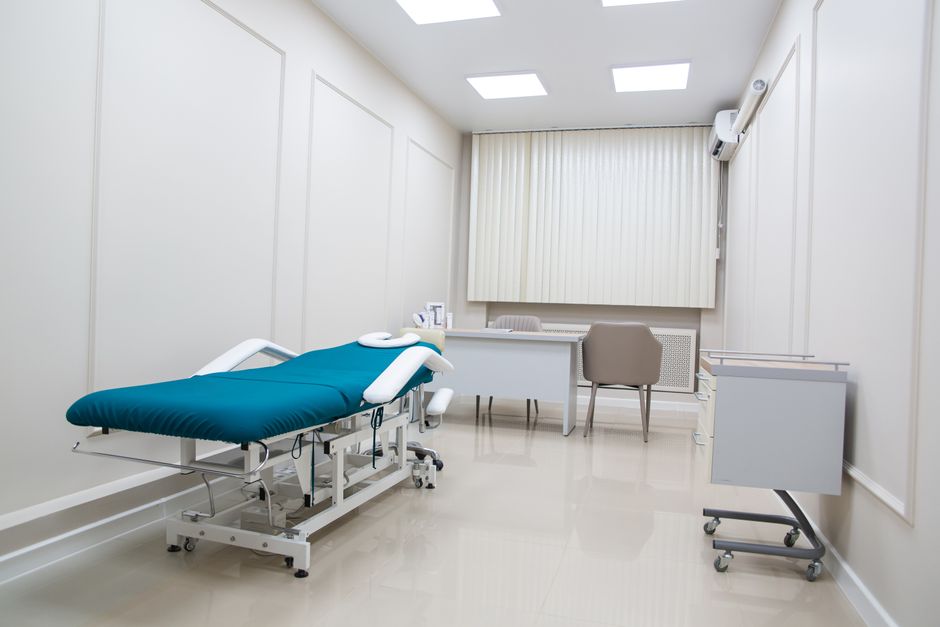
Korean surgeons perform 3-4 times more procedures annually than their Western counterparts, creating unmatched technical speed and precision. The average Seoul cosmetic surgeon completes roughly 1,500 eyelid surgeries yearly versus 200-300 in the United States.
This volume isn’t just about skill—it’s about specialization. Korean doctors often focus exclusively on one procedure (like blepharoplasty or facial contouring) rather than the general plastic surgery model common in the West.
The rigorous JCI accreditation process forces Korean hospitals to maintain surgical suites that meet international joint commission standards for infection control and emergency protocols. JCI accredits Samsung Medical Center and Severance Hospital, meaning these facilities undergo unannounced inspections every three years. That’s stricter than many American outpatient surgery centers.
How does training volume create different surgical outcomes?
Repetition breeds micro-precision. Korean residency programs emphasize cadaveric dissection of Asian-specific anatomy—particularly the fibrous connections in monolid eyes that require ptosis correction techniques unknown in Western textbooks. Doctors literally see more variations of Asian eyelid types in one month than a Western surgeon sees in a career.
What role does JCI accreditation play in patient safety?
JCI accredits hospital quality through 1,200+ measurable standards including medication management and anesthesia protocols. In Korea, medical tourism clinics must maintain JCI accreditation to advertise internationally. This creates a baseline safety net that doesn’t exist in Western cosmetic surgery, where board certification alone suffices for private practice.
What makes Korean blepharoplasty and ptosis correction unique?
Korean eye surgery treats the eyelid as a functional unit affected by high rates of myopia and inherited ptosis, not just excess skin. In East Asia, roughly 80-90% of young adults have myopia (nearsightedness), which stretches the levator muscle over time.
Korean surgeons developed specific blepharoplasty methods that correct this muscle laxity while creating creases.
Western blepharoplasty typically removes fat and skin. Korean techniques often preserve fat (to avoid the hollow-eyed look) and instead focus on scarless ptosis correction through conjunctival approaches. Blepharoplasty corrects ptosis in Korea using buried sutures that don’t require external incisions—a technique rarely taught in Western residencies.
Why do Korean surgeons treat ptosis differently than Western doctors?
Korean surgeons view mild ptosis as a standard anatomical variant requiring correction, not a medical abnormality. Western textbooks define ptosis as a significant droop blocking vision; Korean aesthetics consider even 1-2mm of eyelid heaviness as “sleepy-eyed” requiring adjustment.
This explains why Korean double eyelid surgery almost always includes muscle tightening, whereas Western surgeons charge extra for functional ptosis repair.
How does myopia prevalence influence surgical technique?
High myopia rates necessitate preservation of orbital fat. Myopic eyes are longer and often protrude slightly; removing fat (standard in Western upper blepharoplasty) creates a gaunt, aged appearance on Asian faces.
Korean surgeons use fat repositioning rather than excision, accounting for the anatomical consequences of myopia that Western surgeons rarely encounter.
How do MFDS and HIRA regulations differ from Western medical oversight?
MFDS (Ministry of Food and Drug Safety) and HIRA (Health Insurance Review and Assessment Service) create a dual-layer safety net with real-time tracking that FDA and CMS don’t replicate. MFDS regulates medical procedures and devices through a pre-market approval system stricter than the FDA’s 510(k) pathway.
Korean clinics cannot use new implants or threads until MFDS conducts local clinical trials.
HIRA monitors every hospital procedure nationwide using the HIRA-NPS database. If a clinic experiences above-average complication rates for rhinoplasty or double eyelid surgery, HIRA flags them for immediate inspection. This explains why Korean clinics publish honest complication statistics—they’re legally required to report them quarterly.
What safety standards does MFDS enforce for foreign patients?
MFDS mandates that all allografts (donor bone/cartilage) used in rhinoplasty be traceable to the donor source with 10-year record retention. Western regulations vary by state and often require only 2-3 years of tracking.
For men seeking plastic surgery in Korea, this means facial implants come with verified batch numbers and sterility certificates unavailable in many Western markets.
How does HIRA protect medical tourism patients specifically?
HIRA operates a 24/7 hotline (02-2188-1114) specifically for international patients to report complications or billing disputes. Unlike Western systems where medical tourism patients lack recourse, HIRA can freeze clinic reimbursements if they violate informed consent protocols for foreigners.
This financial use forces clinics to maintain English-language documentation and post-op care standards that exceed local requirements.
Which country is no 1 in plastic surgery?
South Korea leads globally in procedures per capita (approximately 13.5 per 1,000 people), while the United States and Brazil compete for total procedure volume. As of 2026, ISAPS data shows Brazil performing roughly 2.3 million total procedures annually versus Korea’s 1.2 million.
However, Brazil’s population is 200 million; Korea’s is 52 million. Per capita, Koreans undergo surgery at 4x the rate of Americans.
This density creates the “Gangnam Effect”—a hyper-competitive market where medical tourism clinics must excel or close. It also explains why Korean techniques evolve faster. When 1 in 3 women in Seoul has had double eyelid surgery, surgeons see every possible complication and refinement opportunity.
What kind of plastic surgery do Koreans get most often?
Facial bone contouring (V-line surgery), epicanthoplasty, and preservative rhinoplasty dominate Korean charts, whereas Western patients prioritize breast and body procedures.
This reflects different aging patterns. Korean patients worry about “face shrinking” and jaw width; Western patients focus on sagging and volume loss.
Korean rhinoplasty typically augments the bridge using silicone implants (banned or discouraged in the West) while preserving nasal tip cartilage—a technique that would fail on thicker Western skin.
Is jaw reduction surgery unique to Korean aesthetics?
V-line osteotomy (jaw tapering) was developed and perfected in Korea specifically for Asian facial proportions. Western jaw surgery addresses asymmetry or functional bite issues; Korean V-line surgery is purely cosmetic, removing the mandibular angle to create an ovular face shape considered feminine in East Asia.
This procedure requires JCI-accredited anesthesia teams due to airway risks—another reason why JCI accredits major Korean hospitals but not most Western cosmetic surgery centers.
Why don’t Koreans prioritize breast augmentation like Western patients?
Conservative cultural norms plus proportion concerns make large implants rare. Korean breast augmentation averages 250-275cc versus 350-400cc in the US.
Surgeons here use endoscopic dual-plane techniques that avoid the “high and tight” look, instead creating gradual slopes that look natural under thin Asian skin. Affordable plastic surgery in Seoul often includes these advanced endoscopic approaches as standard, whereas they’re premium upgrades in the West.
Which ethnicity has the most plastic surgery?
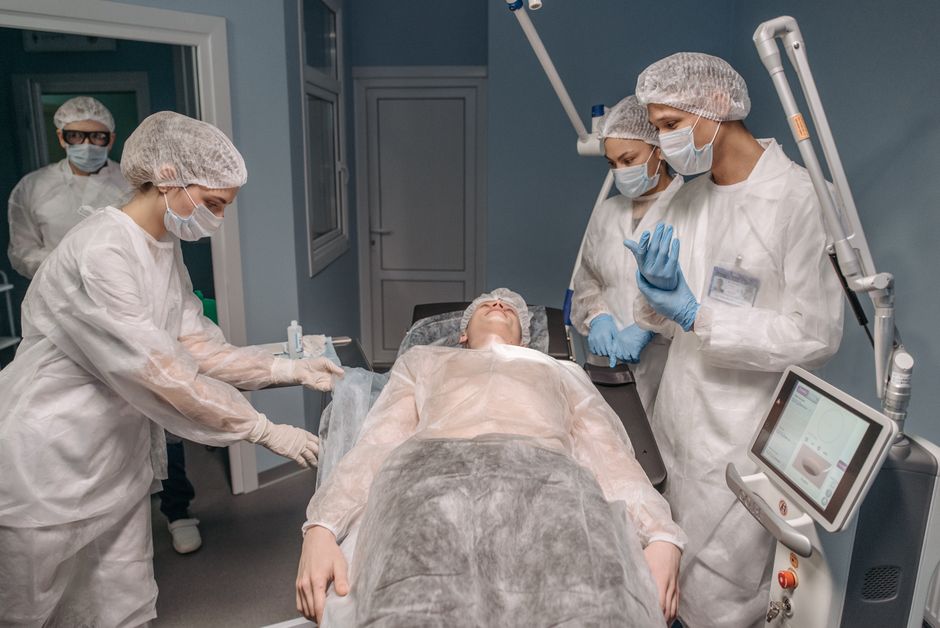
When measured per capita, Koreans undergo cosmetic procedures at higher rates than any other nationality, though “Caucasian” remains the largest total volume category globally. South Korea’s rate is roughly 13.5 procedures per 1,000 people.
The US hovers around 3.2 per 1,000. However, because the US population is six times larger, more total procedures occur in America.
Here’s the catch: ethnicity data is messy. Many Koreans getting blepharoplasty or ptosis correction are ethnically Korean but American citizens. ISAPS categorizes by location, not heritage.
If you’re asking “which ethnicity” to understand who drives Korean technique innovation, the answer is East Asian patients—specifically Koreans, Chinese, and Japanese—who represent 85% of Seoul clinic clientele.
How should Western patients prepare for Korean surgical techniques?
Western patients must explicitly request “dramatic” results if they want significant change, as Korean defaults lean toward subtle refinement. Bring photos of Western celebrities, not Korean ones.
Understand that rhinoplasty here uses silicone implants rather than rib cartilage grafts common in the West. The philosophy differs: Koreans add structure; Western surgeons often subtract (hump reduction) or use autologous tissue.
If you’re considering medical tourism for dental implant work combined with facial procedures, space them out. Korean clinics rarely coordinate between dental and plastic surgeons unless specifically asked. The MFDS regulates these as separate specialties with different recovery protocols.
What should Westerners know about rhinoplasty in Korea?
Thicker Western skin doesn’t contract well around Korean-style silicone implants. You risk implant visibility or shifting. If you have thick nasal skin, seek surgeons experienced with Western noses (often trained in the US) or request autologous rib cartilage methods. Don’t assume the high-volume Korean rhinoplasty model suits your anatomy.
Can Westerners get natural results from Korean facial contouring?
Yes, but you probably don’t need it. V-line surgery was designed for wide mandibular angles common in Asian faces. Western faces often lack this bone structure; removing it creates feminization that looks disproportionate.
Korean surgeons excel at ptosis correction and eyelid work for all ethnicities, but facial bone surgery requires distinct Caucasian techniques available at specialized clinics.
When should you choose Western techniques over Korean methods?
Opt for Western surgical approaches if you want significant size increase (breast, buttocks), dramatic profile changes, or have thick oily skin prone to scarring. Korean techniques excel at refinement, eye surgery, and scar minimization. They underperform on large-volume fat transfer or heavy tissue manipulation.
If you have myopia with protruding eyes, Korean upper eyelid techniques preserve fat and avoid the “hollow” look. But if you need major nose reconstruction, Western rib cartilage methods provide more permanent structural support than Korean silicone implants.
Expert Perspective: The Philosophy Gap
Frequently Asked Questions
Why are Korean plastic surgeons so good?
Sheer volume and hyper-specialization create unmatched technical skill. Korean surgeons perform specific procedures like double eyelid surgery thousands of times annually, developing micro-adjustments unknown in general Western practice. Mandatory JCI accreditation for international clinics ensures baseline competency that exceeds many Western outpatient centers.
Which country is no 1 in plastic surgery?
South Korea leads per capita; Brazil and the US lead in total numbers. Korea performs roughly 13.5 procedures per 1,000 residents annually versus 3.2 in the US. This density creates the competitive market driving Korean innovation in medical tourism.
What kind of plastic surgery do Koreans get?
Facial contouring (jaw/chin/cheekbone reduction) and eye procedures dominate. Unlike the West where breast augmentation leads, Koreans prioritize facial skeleton work and blepharoplasty modifications including ptosis correction.
Which ethnicity has the most plastic surgery?
Per capita, Koreans have the highest rates globally. However, because the US population is larger, more total procedures occur in America. Ethnic Korean patients (including diaspora) drive the highest volume of Asian-specific techniques like epicanthoplasty.
Is Korean plastic surgery safe for Westerners?
Yes, if you choose JCI-accredited clinics and verify HIRA registration. Safety standards often exceed Western outpatient clinics. However, anatomical differences mean you shouldn’t blindly accept default Korean techniques—particularly for rhinoplasty or jaw surgery.
Related Reading
- Plastic Surgery Clinics for Men in Korea — What to check when choosing
- Affordable Plastic Surgery Clinics in Seoul — What to check when choosingJCI-accredited care without premium Gangnam pricing
- Plastic Surgery Clinics in Seoul — What to check when choosingHIRA-registered facilities with English-speaking staff
Last updated: May 01, 2026