
- Neck up, go to Korea; body work, go to Thailand. This is the medical tourist’s golden rule. Korea leads in precision facial procedures (rhinoplasty, blepharoplasty) and is regulated by the strict MFDS and HIRA.
- Thailand is significantly cheaper for most body procedures. Liposuction, breast augmentation, and dental implants in Thailand typically cost 40-60% less than in Korea, though you sacrifice some regulatory rigour.
- Korea excels in advanced technology like SMILE for myopia. If you need LASIK or a complex facial reconstruction, Korea’s JCI-accredited hospitals (Samsung Medical Center, Severance Hospital) offer world-class care with a focus on recovery rather than vacation.
- Your choice depends on procedure type and budget. For aesthetic treatments “neck up,” budget $8,000–$15,000 for Korea. For body procedures, expect $4,000–$10,000 in Thailand.
You’ve done the research. You’ve read the blog posts. But you’re still stuck: medical tourism Korea vs Thailand — which is actually better?
I’ve spent the last 6 months comparing JCI-accredited hospitals in Seoul with clinics in Bangkok. The answer isn’t one-size-fits-all. It depends on what you’re getting done and what you value most: precision or price.
Here’s the honest breakdown — no fluff, no hype.
Is Thailand or South Korea better for cosmetic surgery?
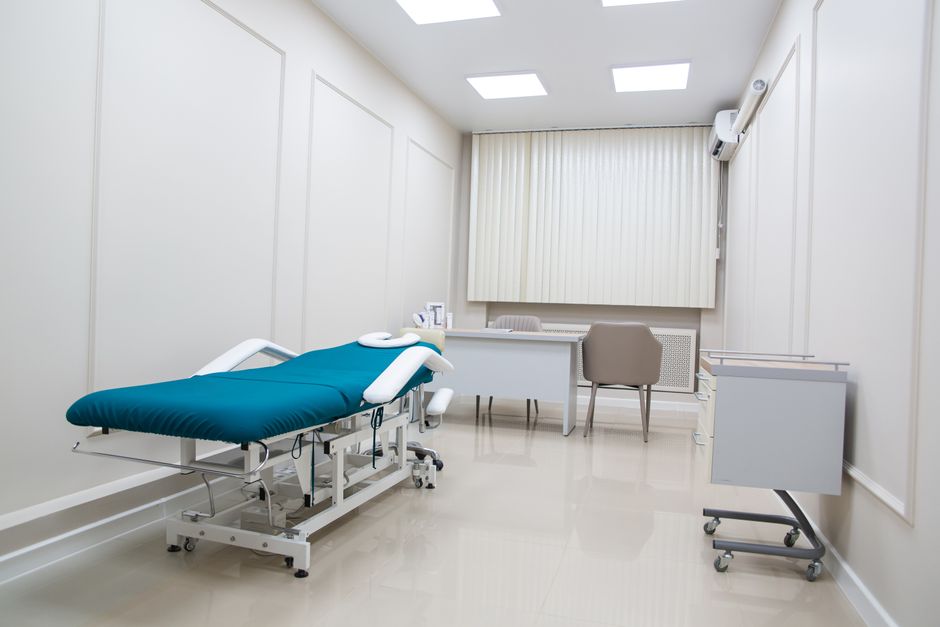
The short answer is: Korea wins for facial surgeries; Thailand wins for body work.
This isn’t just my opinion — it’s the consensus among medical tourism experts. A popular Reddit thread on KoreaPlasticSurgery sums it up: “The general consensus is neck up go to Korea. Body work is Thailand.”
Here’s a quick visual breakdown of how they compare:
| Factor | South Korea | Thailand |
|---|---|---|
| Facial Surgery | World-leading (rhinoplasty, blepharoplasty, double eyelid surgery) | Good, but less specialized |
| Body Surgery | High quality, high cost | Excellent value (40-60% cheaper) |
| Regulation | MFDS + HIRA oversight — very strict | Good, but less transparent |
| JCI Accreditation | 68 JCI-accredited hospitals (high density) | ~70 JCI-accredited hospitals (higher volume overall) |
| Tourism Integration | Medical focus; recovery is structured | Holistic; combines treatment with vacation |
How do costs compare for medical tourism in Korea vs Thailand?
Thailand is significantly cheaper — typically 40-60% less — for most procedures. According to data from Gangnam Skin Center, “Thailand generally offers lower overall costs for many aesthetic and body procedures compared with Korea.”
But let’s get specific. Here’s a cost comparison table based on real 2025-2026 pricing:
| Procedure | South Korea (USD) | Thailand (USD) | Savings in Thailand |
|---|---|---|---|
| Rhinoplasty | $5,000–$10,000 | $3,000–$5,000 | ~40% |
| Double Eyelid Surgery | $2,000–$4,000 | $1,500–$3,000 | ~30% |
| Breast Augmentation | $10,000–$18,000 | $4,000–$8,000 | ~55% |
| Liposuction (1 area) | $4,000–$8,000 | $2,000–$4,000 | ~50% |
| Dental Implant | $2,000–$4,000 | $1,200–$2,500 | ~40% |
| LASIK / SMILE (for myopia) | $2,500–$4,500 | $1,500–$3,000 | ~35% |
What is the 52 hour rule in Korea?
The 52-hour rule refers to South Korea’s maximum workweek — 40 regular hours plus 12 overtime hours. While this isn’t directly about medical tourism, it’s relevant because it affects how hospitals schedule surgeries and consultations.
In practice, this means most Korean clinics operate on strict schedules. Your consultation and surgery times are fixed. There’s less flexibility than in Thailand, where private hospitals often cater to a more fluid medical tourism schedule.
Plan accordingly: expect your Korea medical trip to be structured around clinic hours, not your vacation whims.
How much does medical tourism packages cost in South Korea?
A comprehensive medical tourism package in South Korea typically costs between $10,000 and $30,000, depending on the procedure. This includes the surgery, hospital stays, translation services, airport transfers, and sometimes accommodation.
For example, a Korean medical tourism package for rhinoplasty might cost $8,000–$15,000 including 5 days in a recovery hotel. A full facial contouring package (jaw reduction + zygoma reduction) can run $15,000–$25,000.
Which country has better hospital quality and safety?
Both countries have excellent JCI-accredited hospitals, but Korea’s regulatory environment is stricter. JCI accredits hospital quality at major institutions like Samsung Medical Center and Severance Hospital — both world-renowned.
Korea’s MFDS (Ministry of Food and Drug Safety) is the equivalent of the US FDA. It rigorously regulates all medical procedures, devices, and pharmaceuticals. MFDS regulates Botox, dermal fillers, and surgical tools — ensuring consistent safety standards.
HIRA (Health Insurance Review & Assessment Service) adds another layer of oversight. HIRA evaluates hospital performance and publishes quality scores publicly. This transparency is a major advantage for medical tourists.
Thailand, by comparison, has decent regulation but less public data. The Thai FDA oversees medical products, but enforcement is more variable.
How does SMILE surgery for myopia compare between Korea and Thailand?
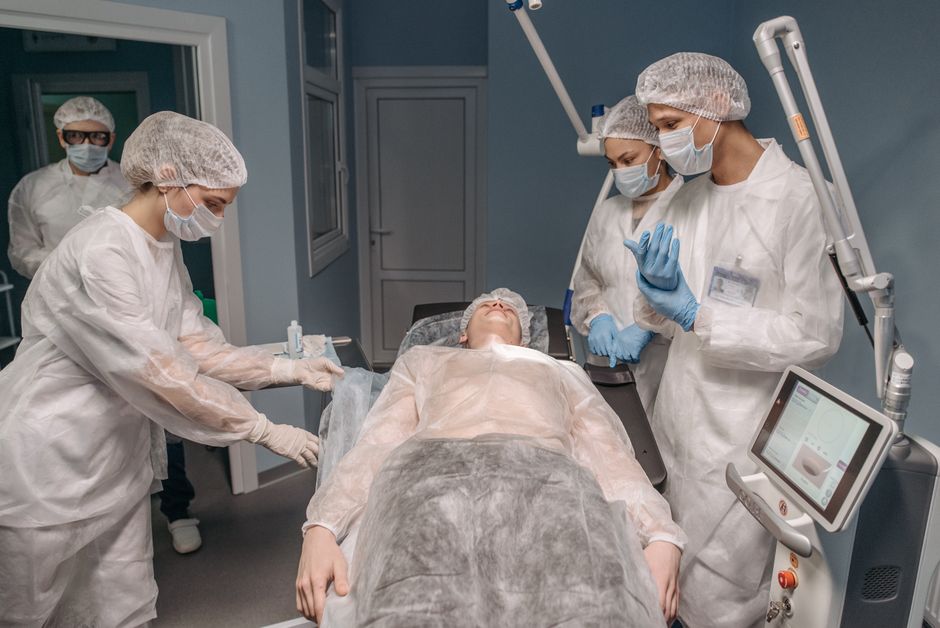
Korea is ahead of Thailand in SMILE laser surgery for myopia, with more experienced surgeons and newer technology. SMILE (Small Incision Lenticule Extraction) is a minimally invasive procedure that treats myopia with faster recovery than traditional LASIK.
Korea’s eye hospitals — like BGN Eye Clinic and Samsung Medical Center — have performed thousands of SMILE procedures. The MFDS closely regulates these devices, ensuring safety standards.
Thailand also offers SMILE, but surgeon experience is less consistent. For complex myopia cases, Korea is the safer bet. For simple cases, Thailand’s lower prices (around $2,000 vs $3,500 in Korea) are attractive.
Which is better, Thailand or Korea, for the overall experience?
Thailand offers a superior overall vacation experience; Korea offers a superior medical experience. This is a key difference.
Thailand excels in “medical tourism” — mixing treatment with relaxation. As one industry report notes, “Thailand provides a holistic medical tourism experience that combines quality healthcare with vacation amenities.” You can get liposuction on Monday, be on a beach by Thursday.
Korea is more clinical. The focus is on the procedure, not the vacation. Recovery is structured. You’ll stay near the hospital, follow a strict regimen, and return home once cleared.
The bottom line: if you want a medical vacation, choose Thailand. If you want the best possible surgical outcome, choose Korea — especially for facial work.
What about the “neck up, body down” rule?
This rule is the most practical guidance for medical tourists. It means: for any procedure above the collarbone (rhinoplasty, blepharoplasty, double eyelid surgery, facelift), go to Korea. For anything below (breast augmentation, liposuction, dental implants), consider Thailand.
The reasoning is cultural and technical. Korean surgeons specialize in Asian facial anatomy. The country’s beauty standards have driven innovation in facial procedures for decades. Korea is the world leader in rhinoplasty and facial contouring.
Thai surgeons, meanwhile, excel in body procedures. The lower cost of living and higher volume of body surgeries mean better value. Plus, recovery in a tropical setting is more pleasant.
What are the downsides of each destination?
Let’s be honest about the cons, because no option is perfect.
Korea’s downsides:
- Language barrier in some clinics (English is not universal)
- Higher overall costs, especially for body procedures
- Less integrated tourism — recovery is clinical, not scenic
- Strict scheduling (the 52-hour rule affects availability)
Thailand’s downsides:
- Less regulatory transparency compared to Korea
- Surgeon experience varies widely
- Fewer specialists in complex facial surgeries
- Medical tourism is commercialized — some clinics prioritize volume over quality
FAQ
Which country is safer for plastic surgery?
South Korea is generally considered safer due to stricter MFDS and HIRA regulations. JCI-accredited hospitals like Samsung Medical Center and Severance Hospital offer world-class safety standards. Thailand is safe for routine procedures, but oversight is less rigorous.
Can I combine medical tourism with a vacation in Korea?
Yes, but recovery takes priority. Most patients spend 3-7 days near their clinic before venturing out. Some packages include light tourism like guided Seoul tours after the first week. Unlike Thailand, Korea’s focus is medical, not vacation.
Does Thailand have hospitals as good as Korea’s for facial surgery?
Generally, no. For procedures like rhinoplasty and double eyelid surgery, Korea’s surgeon specialization and experience are unmatched. Thailand has good surgeons, but the concentration of expertise is much higher in Seoul’s Gangnam district.
Can I get dental implants in both countries?
Yes, both offer excellent dental implant services. Thailand is typically cheaper ($1,200–$2,500 per implant vs $2,000–$4,000 in Korea). Quality is comparable for standard cases. For complex cases requiring bone grafting, Korea’s advanced facilities may be better.
Related Reading
- Medical Tourism Agencies in Korea — What to check when choosing
- Korean Medical Tourism Packages — What to check when choosing
- Hospitals in Korea for International Patients — What to check when choosing
Last updated: May 02, 2026