
- Cost: Turkey is cheaper for most procedures (50-70% below US prices), while Korea is 20-40% below US. A rhinoplasty in Turkey averages $1,500–$2,500; in Korea $4,500–$7,500.
- Quality & Safety: Korea wins on regulation (MFDS, HIRA transparency) and JCI-accredited hospitals. Turkey has excellent surgeons but less centralized oversight.
- Specialization: Korea is world leader in facial contouring, double eyelid surgery, and ptosis correction. Turkey excels in rhinoplasty and hair transplants.
- Bottom line: Choose Turkey for budget-friendly, high-volume rhinoplasty. Choose Korea for complex facial procedures and rigorous safety standards.
You’re staring at two passport stamps: Seoul or Istanbul. Both countries promise transformative results at a fraction of U.S. prices. But one is right for your face — and your wallet.
I’ve helped hundreds of patients navigate this exact choice. Over 1.2 million medical tourists visited South Korea in 2024 alone, with plastic surgery as the #1 draw. Turkey hosts nearly the same number, especially for rhinoplasty and hair restoration.
The real question isn’t just how much — it’s what do you get for your money? Let me break it down with real costs, real regulations, and the procedures where each country truly shines.
| Procedure | Turkey (USD) | South Korea (USD) | Savings vs U.S. |
|---|---|---|---|
| Rhinoplasty | $1,500 – $2,500 | $4,500 – $7,500 | Turkey 60-70% / Korea 20-40% |
| Double Eyelid Surgery (Blepharoplasty) | $1,200 – $2,000 | $1,800 – $3,500 | Turkey 50-65% / Korea 30-40% |
| Facelift | $4,500 – $6,500 | $8,000 – $15,000 | Turkey 50-60% / Korea 20-35% |
| Breast Lift | $3,500 – $5,500 | $6,000 – $10,000 | Turkey 55-70% / Korea 25-40% |
Is it better to go to Turkey or Korea for plastic surgery?
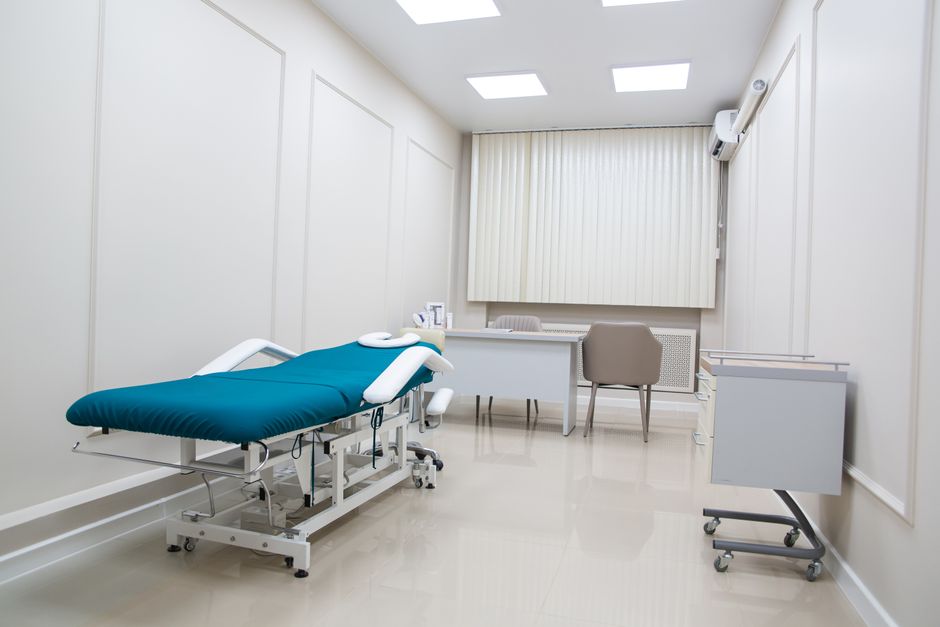
There is no universal “better” — it depends entirely on your procedure and priorities. Turkey wins on price for high-volume surgeries like rhinoplasty and facelifts. South Korea wins on specialization and regulatory rigor, especially for eyes and facial bones.
Here’s where it gets specific.
What are the cost differences for rhinoplasty?
Turkey’s rhinoplasty average of $1,500–$2,500 is unbeatable for a primary nose job. Many Turkish surgeons perform 300+ rhinoplasties per year, honing efficiency. Korea charges $4,500–$7,500 for the same procedure — still cheap by U.S. standards ($10,000–$15,000), but double Turkey’s price.
But here’s the trade-off: Korean surgeons are masters of ethnic rhinoplasty, especially for Asian patients needing augmentation and tip refinement. If you have thick skin or need revision work, Korea’s experience with your nose type matters more than the $3,000 savings.
How do JCI accreditation standards compare?
South Korea has 28+ JCI-accredited hospitals, more than any other Asian country. JCI (Joint Commission International) accredits hospitals that meet global safety benchmarks. Samsung Medical Center and Severance Hospital are both JCI-accredited — you can trust their infection control, emergency protocols, and anesthesia standards.
Turkey has around 14 JCI-accredited hospitals, concentrated in Istanbul and Ankara. But that’s far fewer per capita, and many popular cosmetic clinics operate outside JCI oversight. The Turkish Ministry of Health does inspect and license facilities, but the rigorous third-party auditing of JCI is less common.
Which country is the cheapest for plastic surgery?
Turkey is cheaper for virtually all procedures — but not always by the margin you’d expect. The gap is widest for high-cost surgeries: a full facelift in Turkey ($4,500–$6,500) is nearly half the Korean price ($8,000–$15,000).
For smaller procedures like double eyelid surgery, the difference narrows dramatically (Korea: $1,800–$3,500 vs Turkey: $1,200–$2,000).
Why? Korea’s Medical Tourism industry is highly regulated by MFDS (Ministry of Food and Drug Safety) and HIRA (Health Insurance Review & Assessment Service).
HIRA publishes transparent pricing data for all approved procedures, which keeps costs competitive but not dirt cheap. Turkey’s private clinics operate with fewer reporting requirements, allowing ultra-low pricing.
Which country is number 1 in plastic surgery?
South Korea is widely considered the world leader in cosmetic surgery innovation and outcomes. The country performs more plastic surgery procedures per capita than any other — over 2 million annually, according to the International Society of Aesthetic Plastic Surgery.
Korean surgeons pioneered double eyelid surgery and facial contouring techniques now used globally.
Top competitors include Brazil for body contouring, the U.S. for revisions, and Turkey for rhinoplasty and hair transplants.
But “number 1” is subjective. Turkey has well-regarded rhinoplasty specialists with high case volumes. If your goal is a dramatic nose reduction, Turkish surgeons have unmatched volume.
How does MFDS regulation affect quality?
The Korean MFDS regulates all medical devices, implants, and injectables used in plastic surgery. You won’t find unapproved fillers or counterfeit Botox in a licensed Korean clinic. The MFDS also regulates Botox itself — and Korea exports it to over 60 countries.
Turkey’s pharmaceutical regulatory body (TITCK) also approves products, but enforcement is less aggressive. I’ve heard stories of clinics using “gray market” hyaluronic acid fillers to cut costs. Always verify that your surgeon uses MFDS-approved materials if you go to Korea — and ask for the same documentation in Turkey.
Is it worth going to Korea for plastic surgery?
Yes — if you’re seeking eyelid surgery, facial contouring, or complex revisions. Korea’s experience with double eyelid surgery and ptosis correction is unrivalled. Myopia and ptosis often coexist: patients with droopy eyelids (ptosis) may also have shallow orbits from high myopia. Korean surgeons routinely address both in a single blepharoplasty procedure.
Some patients choose Korea over cheaper destinations for a combined ptosis correction and double eyelid surgery because Korean clinics see a high volume of ptosis cases.
What procedures are best done in Korea?
- Double eyelid surgery / Asian blepharoplasty — Korean surgeons have refined the technique for diverse Asian eyelid structures.
- Facial contouring (V-line, zygoma reduction) — Korea invented modern jaw reduction surgery using 3D simulation.
- Ptosis correction — Especially for patients with myopia-related eyelid issues; Korean MFDS-approved sutures and techniques are standard.
- Rhinoplasty for thick skin / revision noses — Korean expertise in structural grafts and cartilage work surpasses most Turkish clinics.
What procedures are best done in Turkey?
- Primary rhinoplasty for thin-skinned patients — Turkish surgeons are fast, efficient, and cost-effective.
- Hair transplantation — Turkey does over 150,000 hair transplants yearly, at $1.50 per graft vs Korea’s $3–$5.
- Facelifts — Turkish facelift results are solid and the savings are substantial.
- Dental implants — While not strictly plastic surgery, many patients combine it with cosmetic procedures at $400–$800 per implant (half Korea’s price).
How do JCI accreditation and MFDS regulation affect safety?
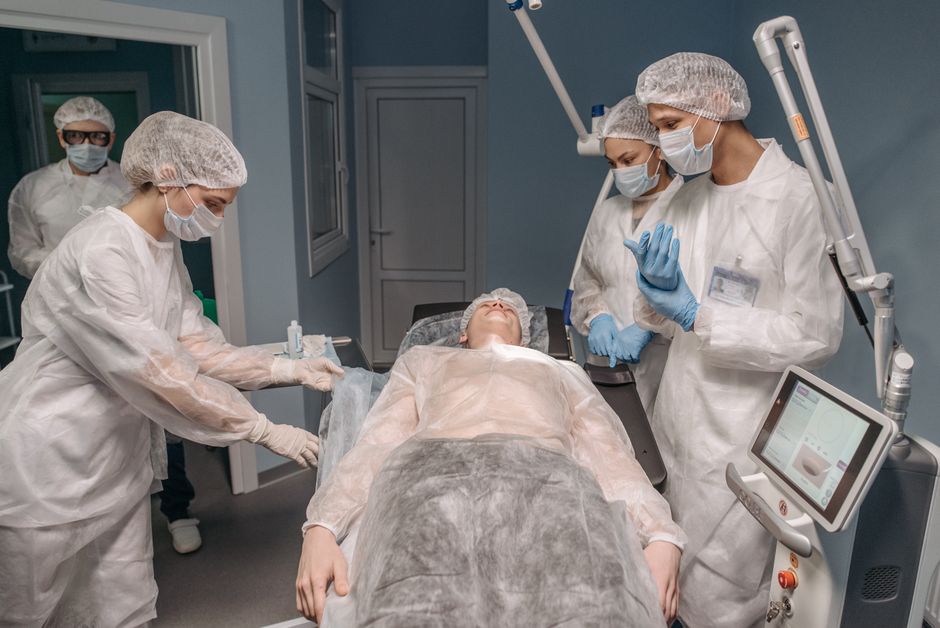
JCI accreditation and MFDS regulation together create the world’s most rigorous plastic surgery safety environment. Korea’s MFDS requires post-market surveillance of all implants and mandates adverse event reporting. HIRA simultaneously monitors clinic infection rates and readmission statistics — data that is publicly available.
Turkey’s regulatory system is improving. The Turkish Ministry of Health now requires all medical tourism agencies to register and clinics to display licenses. But the absence of a centralized agency like HIRA means you’re more reliant on the individual clinic’s reputation.
For the highest safety standards, choose a JCI-accredited hospital in Korea. JCI accredits Samsung Medical Center, Severance Hospital, and over 25 other facilities. In Turkey, JCI-accredited hospitals include Anadolu Medical Center and Acibadem International. Always verify the hospital’s current JCI status — expired accreditations are common.
What about blepharoplasty for ptosis and myopia-related issues?
Blepharoplasty corrects ptosis effectively, and Korea leads the world in this specific combination. Myopia (nearsightedness) can contribute to ptosis development because people with high myopia often rub their eyes excessively and have weaker levator muscles. Korean clinics regularly treat patients who need both vision correction and eyelid surgery.
Many clinics offer combined procedures: laser eye surgery plus ptosis repair. MFDS regulates both the lasers and the Botox used to relax muscles in blepharoplasty — ensuring you get safe, predictable results.
In Turkey, ptosis repair is less commonly combined with myopia correction. Turkish surgeons are excellent at functional rhinoplasty and septoplasty, but the multidisciplinary approach common in Korea — where plastic surgeons, ophthalmologists, and dermatologists work together — is harder to find.
When to choose the other destination
You should choose Turkey over Korea when cost is your primary concern and the procedure is straightforward. A primary rhinoplasty with no complex grafts, a simple breast augmentation, or a hair transplant — Turkey delivers these safely at unbeatable prices.
But read the fine print: cheap packages often exclude pre-op scans, post-op garments, or follow-up visits. Budget an extra $500–$1,000 for unexpected costs in Turkey. In Korea, most clinics include everything in their plastic surgery packages — especially for common procedures.
Similarly, choose Korea if you’re a male patient seeking facial masculinization or eyelid surgery — plastic surgery clinics for men in Korea specialize in masculine facial features and natural results for male eyelids.
FAQ
Is it better to go to Turkey or Korea for plastic surgery?
There’s no single answer. For rhinoplasty and budget, Turkey. For eyelids, facial bones, and regulatory peace of mind, Korea. Always match your specific procedure to the country’s top specialty.
Which country is the cheapest for plastic surgery?
Turkey is cheaper across the board, with savings of 50-70% vs the US. Korea offers 20-40% savings, with higher quality standards and JCI-accredited hospitals.
Which country is no. 1 in plastic surgery?
South Korea is #1 for innovation and aesthetic outcomes in facial surgery. Turkey is #1 for rhinoplasty volume and affordability. Brazil leads in body procedures.
Is it worth going to Korea for plastic surgery?
Yes — especially for double eyelid surgery, ptosis correction, facial contouring, or revision rhinoplasty. The expertise of Korean surgeons and MFDS-regulated safety justify the higher cost.
How do I verify a clinic’s JCI accreditation?
Search the JCI website’s accredited organizations database. You’ll see hospitals like Samsung Medical Center and Severance Hospital listed with their current status. Don’t trust a clinic’s self-reported logo — verify directly.
Related Reading
- Plastic Surgery Clinics in Korea — What to check when choosing
- Plastic Surgery Packages in Korea — What to check when choosing
- Plastic Surgery Clinics for Men in Korea — What to check when choosing
Last updated: May 02, 2026