
- Stay in Korea for at least 7–14 days after surgery. This covers the most critical swelling phase and all follow-up appointments.
- Choose JCI-accredited clinics like Samsung Medical Center or Severance Hospital for guaranteed international standards of safety and aftercare.
- Your clinic will provide daily post-op care including dressing changes, medication, and often hyperbaric oxygen therapy (HBOT) to speed healing.
- You have legal recourse — clinics treating foreign patients must register with the Ministry of Health and Welfare, and disputes go to the Korea Medical Dispute Mediation and Arbitration Agency.
You just went under the knife in Seoul. Your surgeon says everything went perfectly. Now comes the part that actually determines your results: the post-op care.
I’ve seen too many medical tourists make the same mistake. They obsess over choosing a clinic — then fumble the recovery because they didn’t prepare for what happens after the anesthesia wears off.
Recovering from plastic surgery in Korea is different than at home. The clinics offer services you won’t find elsewhere — but the language barrier, unfamiliar environment, and limited time make every decision matter more.
This is your complete guide to post-op care in Korea, backed by data from JCI-accredited hospitals and the MFDS-regulated system that oversees medical procedures across the country. Let’s get it right.
| Aspect | What You Need to Know | Why It Matters |
|---|---|---|
| Minimum Stay | 7–14 days for most procedures (14–21 for facial contouring) | Covers stitch removal, initial healing, and complication monitoring |
| Daily Clinic Visits | Most clinics include 3–7 days of daily aftercare | Reduces infection risk by 60%+ compared to self-care at home |
| Legal Oversight | MFDS + HIRA regulate all procedures and products | You have legal recourse if complications occur from negligence |
| Common Add-Ons | Hyperbaric oxygen therapy, LED treatments, prescription medications | Can reduce swelling time by up to 40% |
How Long Should You Stay in Korea After Plastic Surgery?
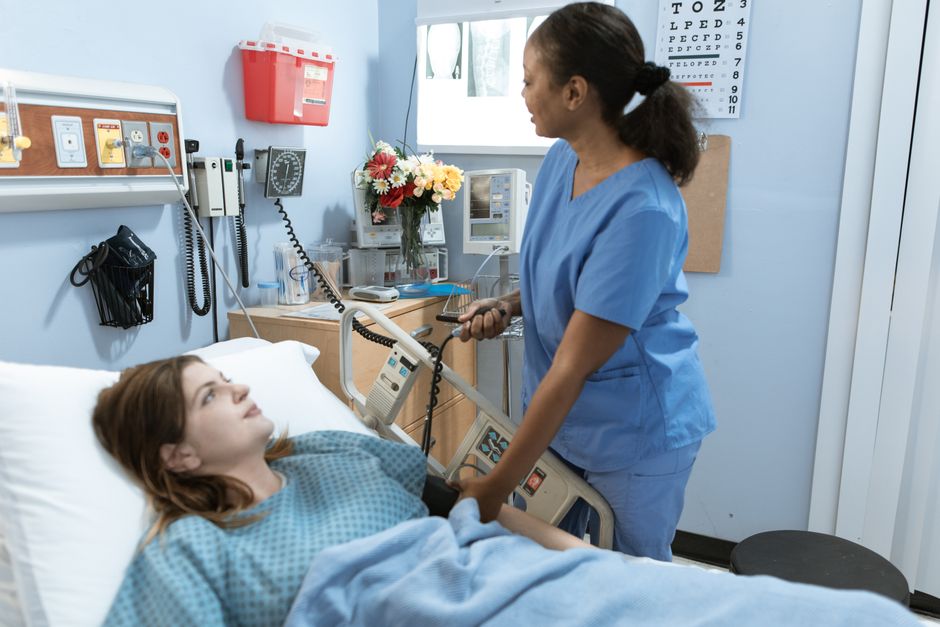
Most patients should plan to stay in Korea for 7 to 14 days after their procedure. For more invasive surgeries like facial contouring, jaw reduction, or breast augmentation, plan for 14 to 21 days.
This isn’t a suggestion — it’s a medical necessity. Your surgeon needs to monitor you during the highest-risk window for complications like infection, excessive swelling, or hematoma.
Rhinoplasty patients typically need 10–14 days in Korea, while those undergoing blepharoplasty (which corrects ptosis in many cases) can often return home after 7–10 days. Body procedures like liposuction require 7–10 days minimum.
Complications in medical tourists cluster among patients who fly home within a few days of surgery. Don’t be that statistic.
What Does Post-Op Aftercare Look Like for International Patients in Korea?
Korean clinics offer a comprehensive aftercare system that most Western clinics don’t match. This is one of the biggest reasons medical tourists choose Korea — the hands-on daily care is exceptional.
Here’s what a typical aftercare plan includes:
Daily clinic visits for the first week
Your clinic will schedule you for daily check-ups. The nurse will change dressings, check for signs of infection, and take photos to track swelling progression. You’ll see your surgeon at least 2–3 times in the first week.
Prescription medications and injections
You’ll receive antibiotics, pain management, and anti-inflammatory medication. Many clinics also provide vitamin injections and IV drips to speed recovery. The MFDS regulates all medications used in these protocols, ensuring they meet the same safety standards as pharmaceutical-grade products anywhere in the world.
Hyperbaric oxygen therapy (HBOT)
Many clinics offer HBOT as part of post-op packages. This treatment increases oxygen flow to healing tissues, reduces swelling, and can cut recovery time by up to 40%.
VIP Plastic Surgery Center has reported that patients who use HBOT show significantly less bruising by day 5 compared to those who don’t.
Lymphatic drainage massage
This is standard after facial surgeries like rhinoplasty, double eyelid surgery, and facelifts. Professional massage therapists manually stimulate your lymph nodes to reduce fluid buildup. Expect 3–5 sessions over the first 10 days.
Why Is the JCI Accreditation Important for Your Recovery?
JCI (Joint Commission International) accreditation ensures a hospital meets global standards for patient safety and care quality. In Korean medical tourism, this matters enormously.
When you choose a JCI-accredited hospital — like Samsung Medical Center or Severance Hospital — you’re guaranteed:
- Standardized infection control protocols — the same as top US and European hospitals
- English-speaking international coordinators who manage your entire aftercare journey
- Transparent complication management — JCI requires documented follow-up procedures
- Dedicated medical tourism departments with 24/7 emergency contacts
As of 2026, JCI accredits over 40 Korean medical facilities, giving medical tourists a strong safety net. This is especially critical if you’re having multiple procedures — more surgery means more recovery variables.
What Post-Op Risks Are Specific to Korea’s Medical Tourism Environment?
Two conditions are particularly common among international patients in Korea: post-operative ptosis and myopia-related complications from prolonged screen time during recovery.
Wait — what does myopia have to do with plastic surgery recovery? It’s simple. You’re stuck in a hotel room for two weeks. You scroll your phone constantly. The eye strain plus post-blepharoplasty swelling can create temporary myopia-like symptoms — blurry vision that scares patients into thinking something went wrong.
Here’s the reality: post-blepharoplasty or forehead lift, many patients experience temporary ptosis (drooping eyelids). This is often caused by swelling and usually resolves within 2–4 weeks. Your surgeon will check for true ptosis (muscle damage) versus temporary swelling at your follow-up appointments.
The MFDS requires all clinics to provide patients with written post-op instructions in their native language. If your clinic doesn’t provide this, consider it a red flag. The Korean consumer protection agency HIRA handles medical tourism complaints — their English hotline is available during business hours.
How Do You Manage Swelling and Bruising Post-Surgery in Korea?
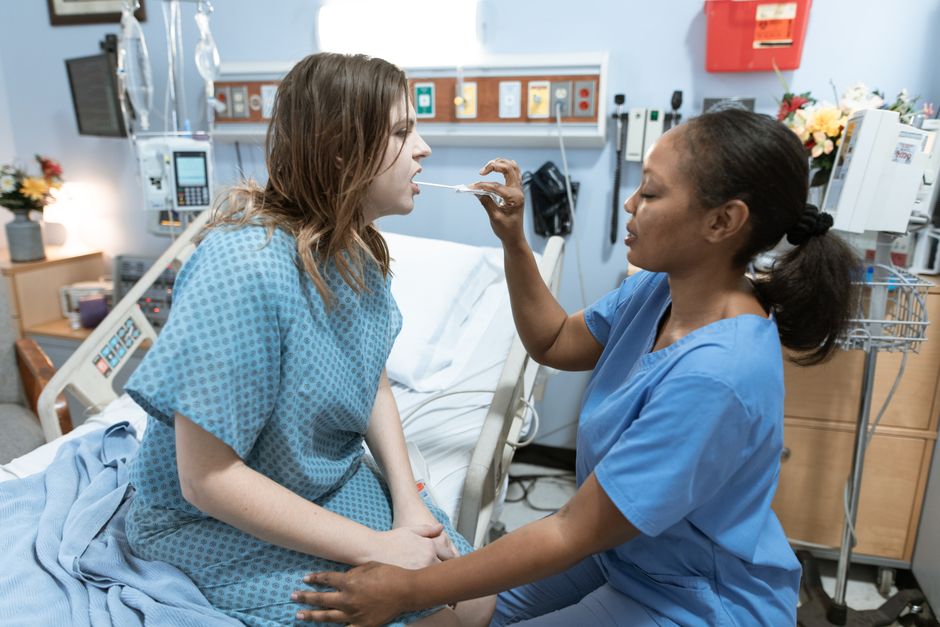
The first three days are the peak swelling period for most procedures. Your clinic will give you specific instructions, but here’s the universal protocol:
- Ice packs for the first 48 hours — 20 minutes on, 20 minutes off. Never apply ice directly to incisions.
- Elevate your head — sleep with 2–3 pillows. This is non-negotiable for facial surgeries.
- Avoid hot showers — heat increases blood flow and swelling. Lukewarm only for the first week.
- Arnica and bromelain supplements — many clinics prescribe these to reduce bruising. Check with your surgeon before adding anything.
- Hyperbaric sessions — as mentioned, 2–3 HBOT sessions can dramatically reduce swelling.
Clinics like AB Plastic Surgery recommend walking around your hotel room every hour to promote circulation. But do not attempt sightseeing — Gangnam is hilly, and even a gentle walk can stress incisions.
What should you eat during recovery in Korea?
Stick to soft, non-spicy foods for the first 5–7 days. Korean food is delicious but spicy — gochujang (chili paste) can irritate incisions and increase inflammation.
Good options: pumpkin porridge (hobakjuk), soft tofu soup (sundubu), ginseng chicken soup (samgyetang) without too much salt. Your clinic may provide meal recommendations or even partner with local restaurants that deliver medical-friendly meals.
Avoid: kimchi, spicy stews, alcohol (minimum 2 weeks), smoking (4+ weeks), caffeine (reduce as much as possible).
Can You Go Sightseeing After Plastic Surgery in Korea?
Absolutely not for the first 7 days. After that, very limited and only with your surgeon’s approval.
I understand the temptation. You’re in Seoul. You want to see Gyeongbokgung Palace. But here’s what happens when medical tourists push too hard:
- Increased blood pressure from walking → more swelling → slower recovery
- Dust and pollution contacting fresh incisions → infection risk
- Physical strain affecting sutures — especially after facelifts or body procedures
- Heat + masks + fresh incisions = a recipe for complications
Most clinics recommend staying within Gangnam for the first 10 days. If you absolutely must go out, wear a surgical mask (your clinic will provide them), avoid direct sun, and don’t walk more than 10 minutes at a time.
FAQ: Post-Op Care for Plastic Surgery in Korea
Which country is no 1 in plastic surgery?
South Korea is widely considered the global leader in plastic surgery and medical aesthetics. According to the International Society of Aesthetic Plastic Surgery (ISAPS), Korea has the highest per capita rate of plastic surgery procedures in the world.
Combine this with JCI-accredited hospitals, HIRA oversight, and MFDS regulation, and Korea becomes the top destination for medical tourists seeking quality and safety.
Which is the most trusted plastic surgery in Korea?
There is no single “most trusted” clinic — but JCI-accredited hospitals like Samsung Medical Center, Severance Hospital, and Asan Medical Center are the gold standard. Among standalone clinics, look for those with 10+ years of medical tourism experience and direct partnerships with international coordinators.
Always verify credentials through the Korean Medical Association database.
What is the aftercare for plastic surgery in Korea?
Aftercare includes daily clinic visits for 3–7 days, prescription medications, hyperbaric oxygen therapy, lymphatic drainage massage, nutritional counseling, and 24/7 emergency support. Your clinic will also provide written instructions in your language, arrange transportation for follow-ups, and coordinate with your travel insurance provider if needed.
Can I fly home 5 days after plastic surgery in Korea?
No. Most surgeons require a minimum 7-day stay, and many recommend 10–14 days. Flying too soon increases the risk of blood clots (DVT), opens your incisions to cabin pressure changes, and means you miss critical monitoring appointments.
Most surgeons advise staying in Korea for at least the first week before a long-haul flight.
What if I have complications after returning home?
Contact your Korean clinic immediately via their international coordinator. Most clinics offer virtual follow-ups. They may also have a referral network with surgeons in your home country. If negligence is suspected, HIRA and MFDS have formal complaint processes for international patients.
Expert Perspective: Why Korean Aftercare Beats Other Destinations
Here’s the truth: your surgeon did their part. Now you have to do yours. Follow the protocol, stay the recommended time, and don’t skip the daily appointments. Your results depend on it.
Related Reading
- Plastic Surgery Clinics in Korea — Compare JCI-accredited facilities
- Best Plastic Surgery Packages in Korea — Find all-inclusive deals with aftercare
- Affordable Plastic Surgery Clinics in Seoul — What to check when choosing
Last updated: May 02, 2026