
- Then reality sets in: your follow-up appointment is in two weeks, and the doctor who operated on you is 9,000 kilometers away
- Here’s how Korea’s hospital system actually supports remote monitoring, what you can realistically access, and how to bridge the gaps your home healthcare system won’t automatically fill
- Korea’s Ministry of Health and Welfare (보건복지부, mohw
You’re home. The surgery or treatment went smoothly, your discharge paperwork is in your bag, and your Korean coordinator handed you a USB drive with your scan images and lab results.
Then reality sets in: your follow-up appointment is in two weeks, and the doctor who operated on you is 9,000 kilometers away.
For international medical tourists, this gap between discharge in Seoul and the next meaningful check-in at home is one of the most anxiety-provoking parts of the entire journey — and the least-discussed.
Here’s how Korea’s hospital system actually supports remote monitoring, what you can realistically access, and how to bridge the gaps your home healthcare system won’t automatically fill.
What Korean Hospitals Actually Offer for Remote Follow-Up
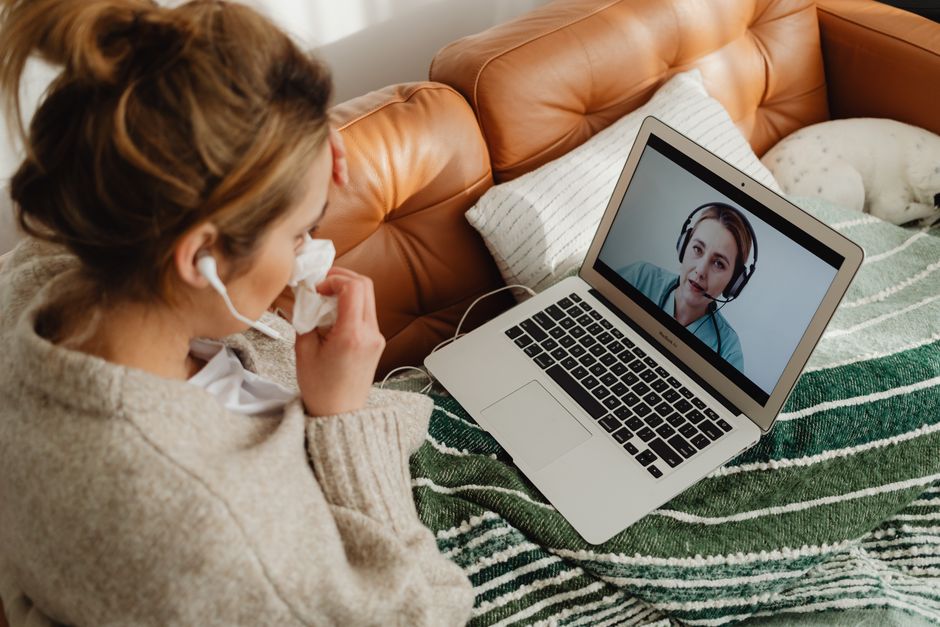
Korea’s Ministry of Health and Welfare (보건복지부, mohw.go.kr) has progressively expanded telemedicine since 2020.
As of 2026, non-emergency cross-border teleconsultation is permitted for follow-up care — meaning your treating physician at a facility like Severance Hospital, Samsung Medical Center, or Asan Medical Center’s International Health Center can conduct a video consultation with you after you’ve returned home, without either party violating Korean medical law.
In practice, what you get depends heavily on the hospital and your international patient coordinator:
-
Severance Hospital International Healthcare Center (severancehealth.com) offers a dedicated post-discharge telemedicine service for international patients through their patient portal. Follow-up appointments can be booked through the portal within 48 hours of discharge. The video platform runs through a web browser — no app download required.
-
Samsung Medical Center International Care Center (samsunghospital.com/international) coordinates follow-up via email and video call for most procedure categories, with typical first follow-up at 7–14 days post-discharge. Their care coordinators speak English, Arabic, and Russian.
-
Asan Medical Center Global Care Center (amc.seoul.kr/eng) provides a structured 30-day follow-up protocol for complex cases (cardiac, oncology, orthopedic joint replacement), with email access to a named care nurse coordinator throughout.
Most mid-tier clinics — particularly plastic surgery clinics in Gangnam — offer follow-up via KakaoTalk (Korea’s dominant messaging app) or WeChat for photos and questions, with video as needed.
This is informal but extremely practical: you send a photo of the healing site, and a coordinator passes it to the surgeon within hours.
What to Request Before You Leave Korea
This is where most patients leave value on the table. Before discharge, ask your coordinator to confirm:
-
Named point of contact for post-discharge questions — not a general inbox, a name and direct messaging channel. If your hospital provided a coordinator throughout your stay, that person should remain your contact for 30 days post-discharge unless told otherwise.
-
Structured follow-up schedule in writing — day 7, day 14, day 30 checkpoints by video or phone, with calendar invitations sent before you leave. Verbal promises don’t survive the timezone gap.
-
Wound-care and red-flag protocols in your language — what healing looks like normally, and exactly which symptoms (fever threshold in Celsius and Fahrenheit, discharge color/volume, swelling patterns) should trigger an urgent contact. Korean hospitals routinely provide these; ask for them specifically in English if your coordinator hasn’t offered them.
-
DICOM image export + radiology report in English — for imaging-heavy procedures (orthopedic, spinal, oncologic), your home radiologist or specialist will need DICOM files, not JPEGs.
The hospital IT desk can provide these on a USB stick or via a secure download link. Request this on the day before discharge; the administrative process typically takes 24 hours.
-
Korean Medical Tourism Ombudsman contact — maintained by KHIDI (Korea Health Industry Development Institute, khidi.or.kr), this is the formal escalation channel if care or communication goes wrong after you return. Having the contact before you leave is meaningful; most patients don’t know it exists until they need it.
Bridging the Gap at Home
Your home physician may not know how to read Korean medical documents, and your Korean hospital may not know how to interface with your home insurer. Both gaps are manageable:
Getting your home doctor up to speed. Request a formal clinical summary (진료 의뢰서 형태) in English before discharge. Good international departments produce a one-to-two-page summary formatted for handoff to a foreign GP — diagnosis, procedure, findings, discharge instructions, and follow-up plan.
Bring a printed copy AND a PDF to your first home appointment. Frame it as a specialist-to-GP handoff, not a tourist bringing paperwork from overseas; most GPs will engage with it.
Translator apps and Korean medical abbreviations. Korean clinical notes use standardized abbreviations (Hx, Dx, Tx, Op-note conventions parallel to Western practice), but radiology reports may be in Korean with English terminology mixed in.
Papago (papago.naver.com), Korea’s leading translation tool, handles medical Korean better than Google Translate for this specific use case — it’s trained on Korean professional text and handles the Hanja-derived medical terms that appear in pathology reports.
For wound monitoring via photos. Use consistent lighting and angle for every photo you send. Photograph next to a ruler or household object for scale.
Send at the same time each day if your coordinator asked for daily monitoring. These aren’t cosmetic preferences — they let the surgeon track rate of change, which is clinically meaningful.
When Your Home Healthcare System Gets Involved

If a post-procedure complication requires care in your home country, your Korean hospital’s documentation becomes a clinical record for your local emergency department or specialist. Two things to know:
Korea uses the ICD-10-CM coding system, the same international diagnostic standard used in most countries. This means the diagnosis codes on your Korean discharge summary are readable by any ICD-10-trained coder at a Western hospital — there’s no need for translation of the diagnostic classification.
Telemedicine reimbursement for internationally-treated conditions is not universally covered by private health insurers, even those that offer medical tourism benefits.
Policies from providers like Cigna Global, Allianz Care, and AXA Health typically cover emergency care arising from a covered overseas procedure, but routine post-procedure telehealth follow-ups in a home country are treated as standard outpatient visits under your home policy’s rules.
Call your insurer before your Korean procedure, not after, and ask specifically: “If I receive treatment in Korea and experience a post-procedure complication requiring care at home, what documentation do I need and what is covered?”
The 30-Day Window
Most procedure-related complications — infection, fluid accumulation, implant position issues, delayed wound healing — become apparent within the first 30 days post-discharge. Korean hospital follow-up protocols are generally structured around this window.
After 30 days, most hospitals transition to as-needed contact unless you’re on a specific long-term follow-up plan (common for dental implant osseointegration, spinal fusion, or oncology treatment).
Don’t mistake silence from the hospital for a clean bill of health. If you haven’t received a follow-up contact after 14 days and you were expecting one, reach out proactively to your coordinator.
In a busy international care center, individual patients can fall through scheduling gaps — not through negligence, but through volume. One message to your named contact is enough to restart the loop.
Practical Checklist: Before You Board Your Flight Home
- [ ] Named coordinator contact saved in your phone (name + direct messaging channel)
- [ ] Written follow-up schedule with dates (not “two weeks” — actual calendar dates)
- [ ] Red-flag symptom list in English
- [ ] Clinical summary in English for your home GP
- [ ] DICOM images + English radiology report (for imaging procedures)
- [ ] KHIDI Korea Medical Tourism Ombudsman contact: khidi.or.kr/en, +82-43-713-8000
- [ ] KakaoTalk or WhatsApp added for coordinator (confirm which platform they use)
- [ ] Called your home insurer to confirm post-procedure complication coverage
Your hospital’s international patient center remains your main contact throughout the 30-day post-discharge window. Contact your hospital’s international patient center directly if you need help reaching your hospital team, translating documentation, or dealing with a complication at home. KmedTour’s free guides cover what to do once you are back home.