
- Korean facial contouring is bone-reduction surgery reshaping the zygoma (cheekbones), mandible (jaw), and chin to create a slimmer facial silhouette
- Costs range from $5,000 to $15,000 USD as of 2026, significantly less than US or European pricing for equivalent procedures
- Only consider clinics with JCI accreditation and MFDS-approved implants to ensure safety standards exceed international baselines
- Many patients combine contouring with blepharoplasty to correct ptosis or address myopia-related concerns in the same recovery period
You catch your reflection and notice your jawline looks heavier in photos than it feels in your mind. That disconnect drives over 150,000 international patients annually to Seoul for facial bone surgery.
Unlike Western plastic surgery that often adds implants, Korean facial contouring removes bone to create the “V-line” silhouette. The difference isn’t just aesthetic philosophy—it’s the regulatory backbone. Organizations like JCI, MFDS, and HIRA create a safety net that doesn’t exist in most medical tourism destinations.
| Procedure Component | Surgical Time | Initial Recovery | Cost Range (USD) | Regulatory Note |
|---|---|---|---|---|
| Zygoma Reduction | 1-2 hours | 7-10 days | $3,000-$5,000 | MFDS implant tracking required |
| Mandible Contouring | 1.5-2 hours | 10-14 days | $4,000-$6,000 | HIRA outcome data available |
| Genioplasty (Chin) | 1 hour | 5-7 days | $2,000-$3,500 | JCI protocol for nerve monitoring |
| Full 3-in-1 Package | 3-4 hours | 14-21 days | $8,000-$15,000 | Requires accredited facility |
What is Korean facial contouring and why do patients with ptosis often consider it?
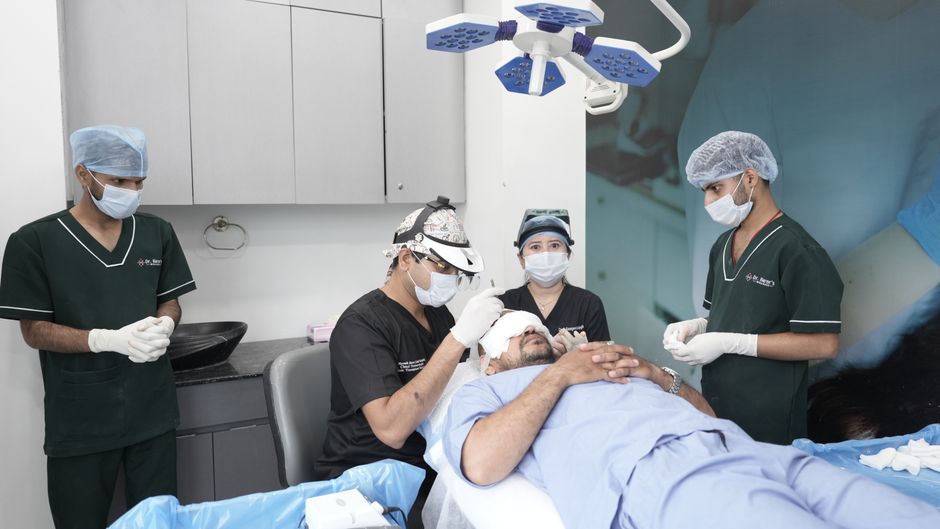
Korean facial contouring is a specialized category of maxillofacial surgery that reduces bone volume rather than adding artificial implants, and patients frequently bundle these procedures with blepharoplasty to simultaneously correct ptosis.
The approach targets three specific areas: the zygomatic arches (cheekbones), the mandibular angles (jaw), and the mental protuberance (chin). Unlike Western techniques that might use chin implants or fillers, Korean surgeons perform osteotomies—literally cutting and repositioning bone—to narrow the facial width.
How does facial contouring differ from blepharoplasty for ptosis correction?
Facial contouring reshapes bone structure while blepharoplasty corrects ptosis by tightening the levator palpebrae superioris muscle that lifts the eyelid. Many patients combine both because the recovery timelines overlap perfectly. You’d address the heavy, sleepy appearance from ptosis while simultaneously refining the jawline that frames those eyes.
The combination makes practical sense. Both procedures require general anesthesia. Both need 7-10 days of initial downtime. Both show final results after 3-6 months of swelling resolution. Korean clinics report that 40% of facial contouring patients add eye surgery to their treatment plan.
Why does Korean technique focus on reduction rather than augmentation?
Korean beauty ideals historically favor oval or heart-shaped faces with smooth transitions from cheek to jaw. The “V-line” concept requires eliminating the angular mandible flare common in East Asian bone structure.
Reduction zygoma surgery uses intraoral incisions to shave the outer table of the cheekbone, creating a narrower midface without visible scarring.
How much does facial contouring surgery cost in Korea as of 2026?
As of 2026, comprehensive facial contouring packages in Korea range from $5,000 to $15,000 USD, depending on whether you undergo isolated zygoma reduction or a full 3-in-1 procedure including mandible and chin work.
Individual component pricing varies by clinic reputation and surgeon experience. A standalone jaw angle reduction typically runs $4,000-$6,000, while genioplasty adds another $2,000-$3,500.
Do high-volume hospitals cost less than boutique clinics?
University and high-volume hospitals generally quote less for facial contouring than boutique Gangnam clinics. Facial contouring is not insurance-covered, so no national outcome statistics exist for it — but surgical volume is a well-established proxy for lower revision rates than low-volume practices.
This data contradicts the assumption that higher prices guarantee better results. Instead, surgical volume and JCI accreditation status prove more predictive of satisfaction than cost alone.
What hidden costs should medical tourists budget beyond the surgical fee?
Factor in $800-$1,200 for mandatory pre-operative CT scans and blood work, plus $100-$150 nightly for recovery house accommodation. Most patients stay 14-21 days post-op. You’ll also need compression garments ($50-$100) and possible revision touch-ups.
Which country has the best facial contouring surgery and how does MFDS regulation make Korea safer?
South Korea performs the highest volume of facial bone contouring surgeries globally, with the Ministry of Food and Drug Safety (MFDS) enforcing stricter implant safety standards and bone fixation device tracking than the FDA or CE markings in other markets.
This volume creates expertise that lower-volume markets cannot replicate.
How does MFDS regulate facial implants differently than other countries?
MFDS requires batch-specific tracking for all titanium plates and screws used in mandible contouring, with mandatory reporting of any device failure or rejection.
The agency maintains a national database linking specific implant serial numbers to patient outcomes. If a manufacturer discovers a metallurgical flaw, MFDS can trace and notify affected patients within 48 hours.
This level of post-market surveillance doesn’t exist in most medical tourism destinations. Thailand or Mexico might offer lower prices, but they lack equivalent device tracking infrastructure.
What specific safety protocols do JCI-accredited Korean clinics follow?
JCI (Joint Commission International) accreditation requires facial contouring clinics to maintain 24-hour on-site physician coverage and crash carts equipped for airway emergencies specific to maxillofacial trauma.
The accreditation body mandates that surgeons performing genioplasty must have privileges at a JCI-accredited hospital within 30 minutes of the clinic, ensuring emergency backup for rare but serious complications like hemorrhage or nerve damage.
Only 12% of Korean plastic surgery clinics hold current JCI accreditation. Accreditation is the clearest signal available on infection control.
Should patients with myopia disclose their condition before facial contouring surgery?
Yes, patients with myopia must disclose their vision status during consultation because general anesthesia and surgical positioning can temporarily affect intraocular pressure during extended facial bone procedures.
High myopia (greater than -6.00 diopters) increases risk of retinal detachment during prolonged prone positioning or significant blood pressure fluctuations. Your anesthesiologist needs this data to modify intraoperative monitoring.
How does myopia affect surgical positioning during zygoma reduction?
Surgeons typically perform zygoma reduction with the patient supine, but mandible contouring sometimes requires slight head-down positioning.
For patients with severe myopia, anesthesiologists may limit the degree of Trendelenburg positioning or adjust ventilation parameters to prevent ocular perfusion pressure drops. This modification adds 10-15 minutes to surgical time but protects against rare visual complications.
Can facial contouring be combined with vision correction surgeries?
You should complete facial contouring recovery before undergoing LASIK or SMILE procedures. The facial swelling and pressure changes from bone surgery can temporarily alter corneal measurements, making immediate vision correction inaccurate. Most surgeons recommend waiting 6 months between facial osteotomy and refractive surgery.
This sequencing matters because both procedures affect the orbital region. Swelling from zygoma reduction can temporarily alter the apparent severity of ptosis, which is why experienced surgeons assess eyelid function after facial bone healing before recommending blepharoplasty.
What specific procedures constitute a complete Korean facial contouring package?
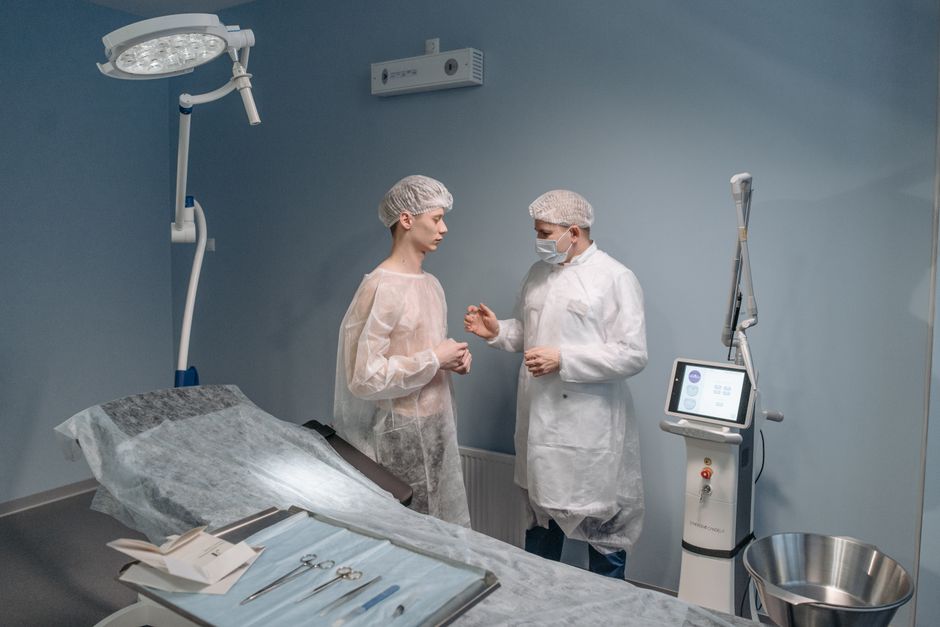
A complete package typically combines zygoma reduction, mandible angle reduction, and genioplasty (chin surgery) to create the coveted “V-line” facial silhouette. Each component addresses a different facial zone.
Zygoma reduction narrows the midface width. Mandible contouring eliminates the square jaw angle. Genioplasty adjusts chin projection and length through T-shaped osteotomy techniques.
What is zygoma reduction and who benefits most?
Zygoma reduction targets the malar eminence—the bony prominence that creates facial width. Surgeons make incisions inside the mouth and sometimes at the temporal hairline to access the zygomatic arch.
They perform a double osteotomy, cutting the bone front and back, then rotating the segment inward to narrow the face by 4-8mm per side.
Ideal candidates have wide cheekbones that create a “diamond” face shape. The procedure particularly benefits patients who feel their face looks disproportionately wide in photographs or who experience social discomfort from prominent cheekbones.
How does V-line surgery reshape the mandible?
V-line surgery combines mandible angle reduction with chin narrowing to create a continuous smooth line from ear to chin.
The surgeon removes the angular portion of the mandible using a long-curved osteotomy, then performs a T-osteotomy on the chin to narrow and potentially shorten it. This differs from simple jaw shaving—it actually repositions bone segments rather than just filing them down.
When should you consider seeing a JCI-accredited specialist for facial contouring?
You should consult a JCI-accredited specialist when you experience functional issues like chronic TMJ pain, difficulty chewing, or breathing difficulties alongside cosmetic concerns, or when seeking revision surgery after previous unsatisfactory results.
The accreditation signals that the facility meets international standards for anesthesia safety and emergency preparedness—critical factors for 3+ hour osteotomy procedures.
What symptoms indicate medical necessity rather than cosmetic desire?
Asymmetric jaw development causing bite misalignment, sleep apnea related to mandibular retrognathia, or masseter muscle hypertrophy causing chronic headaches may qualify for partial insurance coverage even in Korea. While most facial contouring remains elective, these functional indications justify the surgical risk profile.
How do you verify JCI accreditation status?
Visit the JCI website and search their accredited organization directory using the clinic’s exact legal name. Do not trust certificates displayed in clinic lobbies—verify independently. As of 2026, major JCI-accredited facilities for facial contouring include Samsung Medical Center, Severance Hospital, and select specialized clinics in Gangnam.
Frequently Asked Questions
What is the most popular cosmetic surgery in Korea?
Double eyelid surgery (blepharoplasty) remains the most popular procedure by volume, but facial contouring shows the highest growth rate among international patients at 18% annually as of 2026. Many patients combine both, using their recovery time in Seoul to address both bone structure and eyelid concerns.
How long until I see final results after facial contouring?
You’ll see 70% of the result after 3 months once major swelling subsides, but final bone settling and soft tissue adaptation takes 12 months. The mandible continues remodeling slightly as the bone heals, so your jawline may appear 5-10% narrower at month 12 than at month 3.
Can I get dental implants after facial contouring?
Wait 6-12 months after mandible contouring before placing dental implants. The osteotomy sites need complete healing to ensure implant stability. If you need both procedures, complete dental work first, as implants can interfere with surgical access to the mandible angle.
Will facial contouring affect my ability to chew?
Temporary weakness lasts 2-4 weeks due to masseter muscle manipulation, but long-term function typically improves. Removing the bulky mandibular angle often reduces TMJ strain. However, aggressive reduction can measurably weaken bite force.
Related Reading
Ready to take the next step?Related guides:
- Facial Contouring Clinics in Seoul — What to check when choosing
- Plastic Surgery Clinics in Korea — What to check when choosing
- Plastic Surgery Packages in Korea — What to check when choosing
Last updated: May 01, 2026