
- V-line surgery permanently reshapes the lower jaw and chin through bone reduction to create a slim, V-shaped facial contour
- Costs range from $5,000–$12,000 USD in Korea (60–70% less than Western rates) with 10–14 day minimum stays required
- Only book clinics accredited by JCI and regulated by MFDS; disclose all medical conditions including myopia or ptosis before anesthesia
- Full bone healing takes 3–6 months, though you’ll see 70% of results within 3 weeks
You’ve stared at your side profile in photos. That squared-off jaw angle makes your face look wider than you want, even at your slimmest weight.
You’re not alone—Korean V-line surgery has exploded into one of the top three procedures for international medical tourists, with over 65% of patients at major Seoul clinics now coming from abroad.
Whether you’re combining this with other cosmetic procedures or flying in specifically for facial contouring, understanding the bone-level changes matters. Here’s exactly what happens to your mandible, how safety organizations like JCI and MFDS protect you, and why even unrelated conditions like myopia or ptosis require disclosure before surgery.
| Procedure Component | What Actually Happens | Recovery Milestone |
|---|---|---|
| Mandible Angle Reduction | Surgically removes the prominent “square” corners of the jawbone through intraoral incisions | Swelling reduces 50% by week 3 |
| Chin Osteotomy (Genioplasty) | Reshapes chin tip via T-cut or L-cut osteotomy to narrow and project subtly forward | Bone fusion at 6 weeks |
| Cortical Shaving | Thins the outer layer of jawbone for additional slimming without changing bone structure | Immediate result, minimal swelling |
What exactly is V-line surgery and how does it reshape your jawline?
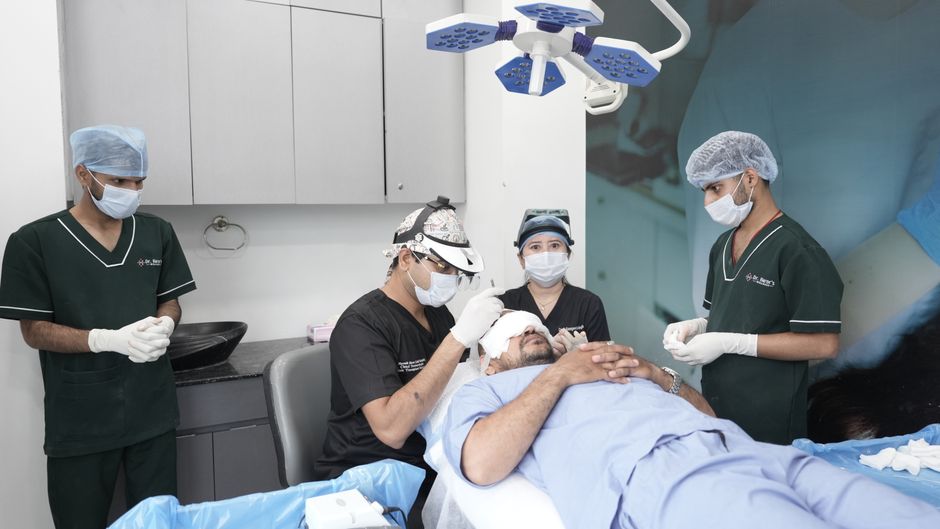
V-line surgery is a composite bone-sculpting procedure that combines mandible angle reduction and chin tip osteotomy to transform a square or U-shaped face into a slim, continuous V-shaped silhouette. Surgeons access the bone through incisions inside your mouth, eliminating visible scarring while sawing and grinding the prominent jaw angles.
They then perform a T-osteotomy or L-osteotomy on the chin to narrow it proportionally, securing the repositioned bone with titanium plates and screws.
The “V” refers to the geometric shape created when the smoothed jawlines meet at a refined chin point. Unlike simple botox injections that temporarily shrink masseter muscles, this surgery permanently alters your skeletal structure.
Most patients remove 1–2 centimeters of bone from each side, dramatically reducing facial width while maintaining natural function.
What does Korean V-line surgery do differently than Western approaches?
Korean V-line surgery prioritizes aggressive yet natural-looking narrowing that harmonizes with East Asian facial aesthetics, often removing more bone volume than Western genioplasty techniques. Korean surgeons pioneered the “id Dia Osteotomy” method that freely adjusts chin length while preserving nerve pathways, allowing for dramatic reduction without the artificial “done” look.
Western jaw surgery often focuses on correcting functional bite issues (orthognathic surgery), whereas Korean cosmetic V-line contouring purely targets aesthetic slimming. As of 2026, Seoul clinics perform approximately 3,000 V-line procedures monthly on international patients, compared to roughly 200 monthly in Los Angeles.
How do JCI, MFDS, and HIRA certifications ensure your surgical safety?
Clinics accredited by JCI (Joint Commission International) meet rigorous global healthcare standards, while MFDS (Ministry of Food and Drug Safety) regulates surgical devices and anesthesia protocols specifically for procedures like V-line osteotomies. HIRA (Health Insurance Review and Assessment Service) monitors surgical outcomes and complication rates across Korean hospitals, creating accountability that doesn’t exist in unregulated medical tourism markets.
When selecting a V-line clinic in Seoul, verifying JCI accreditation is non-negotiable. JCI accredits hospital quality through unannounced inspections of surgical suites, anesthesia protocols, and emergency response capabilities.
Major facilities like Samsung Medical Center and Severance Hospital maintain JCI gold standards, meaning their facial contouring departments follow the same sterilization and safety protocols as top American hospitals.
MFDS regulates medical procedures by approving only specific osteotomy instruments and titanium implant grades for jaw surgery. They also regulate Botox and fillers often used in combination packages.
This oversight extends to the 3D CT scanning equipment used for pre-surgical planning—machines must pass MFDS calibration standards to ensure bone measurement accuracy within 0.1 millimeters.
Should you disclose eye conditions like myopia or ptosis before V-line surgery?
You must disclose myopia (nearsightedness) and ptosis (drooping eyelids) during pre-operative consultations because general anesthesia positioning and surgical draping can affect eye pressure and corneal protection. While V-line surgery focuses on the mandible, the prone or supine positioning during 2–3 hour procedures requires special eye lubrication and protection protocols for patients with vision vulnerabilities.
Ptosis indicates potential eyelid muscle weakness that can affect tear production during anesthesia. Anesthesiologists need to know about blepharoplasty-corrects-ptosis history because previous eyelid surgeries change tissue structure around the orbital area where anesthesia monitoring equipment sits.
Severe myopia carries rare risks of intraoperative pressure changes that require modified head positioning during the jaw contouring phase.
Most patients combining facial procedures opt to address ptosis through blepharoplasty during the same surgical session as their V-line contouring. If you’re only doing jaw surgery, surgeons still need this data to prevent corneal abrasions from surgical drapes or anesthesia masks.
How much does V-line surgery cost and what is the full recovery timeline?
Korean V-line surgery costs $5,000–$12,000 USD depending on surgeon reputation, clinic location in Gangnam versus satellite cities, and whether you add genioplasty or cortical shaving. This represents 60–70% savings compared to American rates where similar mandible contouring runs $20,000–$35,000. Comprehensive packages often include airport pickup, translation services, and hospital stays.
How much does V line surgery cost in Korea?
Expect to pay $5,000 for basic mandible angle reduction alone, or $8,000–$12,000 for full V-line surgery including chin osteotomy at tier-1 Gangnam clinics. Prices below $4,000 typically indicate cortical shaving only (not true bone cutting) or clinics without JCI accreditation.
As of 2026, the average international patient spends $9,200 including accommodations and follow-up care.
How painful is Vline surgery?
Most patients report pressure and tightness rather than sharp pain, rating discomfort 4/10 during days 2–5 when swelling peaks. The jawbone itself contains few pain nerves, though you’ll feel stiffness in chewing muscles.
Numbing nerve blocks last 12–18 hours post-op, and Korean clinics typically prescribe acetaminophen-ibuprofen combinations rather than opioids.
The psychological discomfort often exceeds physical pain—you’ll be on a liquid diet for 2 weeks and soft foods for 6 weeks. Jaw stiffness lasts 4–6 weeks, making it hard to yawn or laugh fully.
How long to stay in Korea for V-line surgery?
Plan 10–14 days minimum: surgery day plus 2 days hospital observation, then 7–10 days for stitch removal and initial healing checks. You cannot fly immediately due to cabin pressure risks on fresh bone grafts and swelling.
Most surgeons clear patients for long-haul flights on day 10, though you’ll return for follow-up CT scans at 3 and 6 months.
What are realistic risks and how do you minimize them?
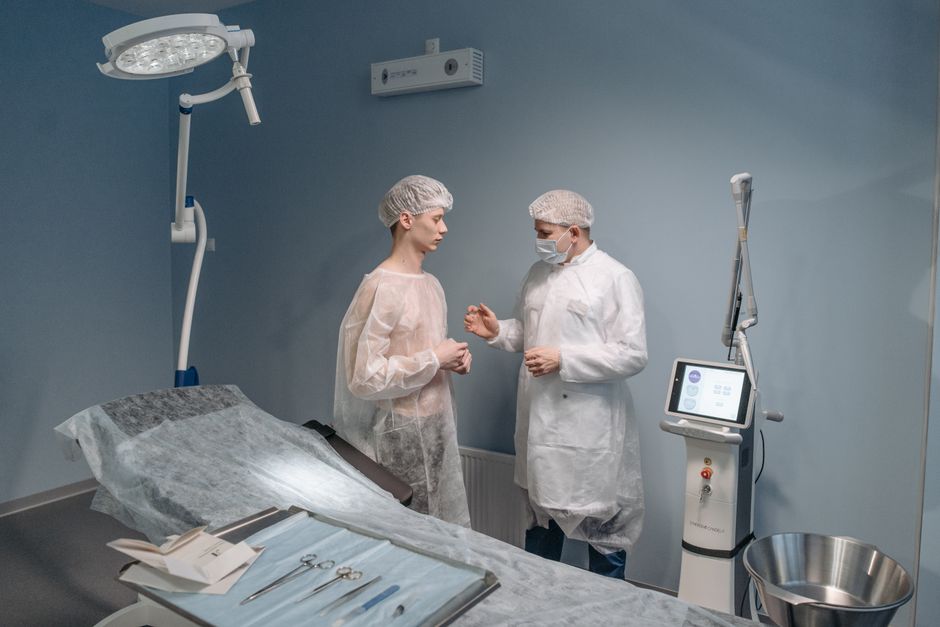
Permanent nerve damage affecting lower lip sensation occurs in 2–8% of cases, while asymmetry requiring revision affects 5–10% of patients depending on surgeon skill. The inferior alveolar nerve runs through the mandible and can be stretched during bone removal, causing temporary numbness lasting 3–12 months.
Infection risks are low (under 1% at JCI-accredited facilities) due to intraoral incision techniques and prophylactic antibiotics. However, bone non-union—where the chin osteotomy site fails to fuse—requires secondary surgical intervention in 1–3% of cases, usually due to smoking or inadequate calcium intake during recovery.
What do Korean surgeons say about facial harmony?
Surgeons emphasize that V-line surgery must balance with your nasal projection and forehead curve. Patients often combine this with rhinoplasty or double eyelid surgery to maintain facial proportions.
When should you consider combining procedures?
Consider bundling V-line surgery with blepharoplasty if you have ptosis, or rhinoplasty if your nose appears wider after jaw narrowing. Dental implant work should be completed 6 months before or 6 months after V-line surgery to avoid mandible stress.
Many medical tourism packages include Botox for jaw muscle relaxation post-op, helping prevent masseter hypertrophy from compensatory chewing patterns during recovery.
Related Reading
- V-Line Surgery Clinics in Seoul — What to check when choosing
- Plastic Surgery Clinics in Korea — What to check when choosing
- Plastic Surgery Packages in Korea — What to check when choosing
Last updated: May 01, 2026