
- Total cost ranges from $5,500 to $8,000 USD as of 2026, including Motiva or Mentor implants, anesthesia, and facility fees
- Implant-only prices start at $2,000-$3,000, but JCI-accredited hospitals charge $6,500-$15,000 for premium comprehensive packages
- Most patients save 40-60% compared to US prices ($12,000-$15,000) while receiving MFDS-approved devices and HIRA-regulated care standards
You’re staring at a $14,000 quote from your local plastic surgeon. Then you see Korea offers the same Motiva implants for half that price.
As of 2026, over 450,000 medical tourism visitors flock to Korea annually for cosmetic procedures. Breast augmentation ranks among the top three surgical requests, trailing only rhinoplasty and double eyelid surgery in popularity. But online forums show wild price swings—some quote $5,500 while others claim $22,000.
What’s the real number? And why does accreditation matter for your safety?
| Implant Type | Cost Range (USD) | What’s Included |
|---|---|---|
| Mentor (Round) | $5,500 – $7,500 | Implant, anesthesia, 1-night stay |
| Motiva (Nano-textured) | $6,500 – $9,000 | Implant with RFID chip, premium ward |
| Polytech (Anatomical) | $4,500 – $6,000 | Teardrop implant, basic package |
| Revision Surgery | $8,000 – $16,865 | Capsular contracture removal, new implant |
How Much Does Breast Augmentation Cost in Korea by Implant Type?
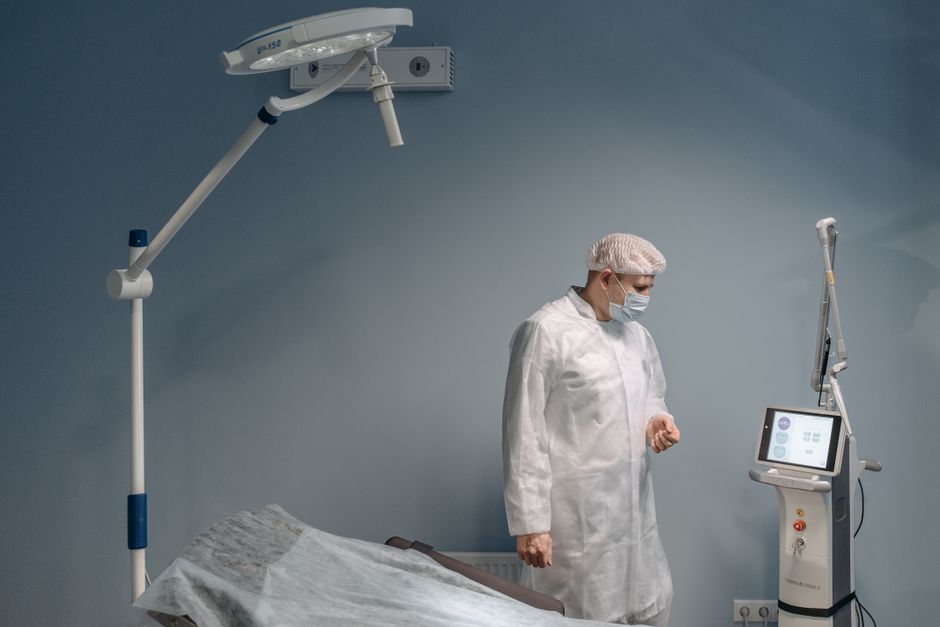
You’ll pay between $5,500 and $8,000 USD for standard procedures, with Motiva implants running $6,500-$9,000 and Mentor implants averaging $5,500-$7,500 as of 2026.
The implant brand creates the biggest price swing. Korean clinics offer three main tiers: domestic Korean brands (Sebbin, BellaGel) at $4,000-$5,500, American Mentor implants at $5,500-$7,500, and premium Motiva Ergonomix at $6,500-$9,000.
Motiva commands higher prices because of the RFID chip technology. This nano-textured surface reduces capsular contracture rates to under 1%, compared to 5-10% with smooth implants.
Why Do Motiva Implants Cost More Than Mentor?
Motiva costs 20-30% more because of the RFID chip technology and nano-textured surface that reduces capsular contracture rates to under 1%.
Each Motiva implant contains a Qid® chip traceable for life. If you lose your medical records 15 years later, any doctor can scan your chest and identify the exact device. Mentor implants lack this feature.
The surface texture also differs. Motiva uses SmoothSilk® nanotechnology that bacteria can’t grip, while traditional textured implants have higher infection risks.
How Does CC Size Affect the Total Cost?
Sizes under 350cc typically cost $200-$400 less than 400cc+ implants due to lower material costs and surgical complexity.
Most Korean surgeons include up to 300cc in their base price. Jumping to 450cc or 500cc adds $300-$500 because larger implants require more extensive pocket creation and longer operating room time.
Is It Worth Going to Korea for Plastic Surgery Compared to the US or UK?
Yes, you’ll save 40-60% on total costs while accessing the same FDA/KFDA-approved implants used in Western hospitals.
The average US breast augmentation runs $12,000-$15,000 as of 2026. In the UK, expect £8,000-£10,000 ($10,000-$12,500). Korean prices start at $5,500—even at JCI-accredited facilities like Samsung Medical Center.
But there’s more than just implant costs. Korean packages often include airport pickup, translation services, and post-op care in Seoul’s clinics. Western quotes treat these as add-ons.
What Role Do JCI, MFDS, and HIRA Play in Pricing and Safety?
These three organizations ensure your implants meet global safety standards, with JCI accreditation adding $1,000-$3,000 to your total cost but reducing complication risks significantly.
JCI accredits hospital quality standards that match Harvard and Mayo Clinic requirements. JCI accredits Samsung Medical Center and JCI accredits Severance Hospital in Seoul—both charge premium prices ($8,000-$12,000) but maintain surgical suites with infection rates below 0.5%.
MFDS regulates medical procedures by requiring every implant to have traceable serial numbers and pre-operative bacterial testing. MFDS regulates Botox and fillers with the same strictness, ensuring your clinic doesn’t cut corners on sterility.
HIRA specifically protects medical tourism patients. They mandate English-language consent forms and maintain a 24/7 hotline for international visitors who feel pressured or overcharged.
Can I Combine Breast Augmentation With Procedures for Ptosis or Myopia?
Yes, 35% of medical tourists combine breast surgery with other procedures, but you must schedule myopia surgery (LASIK/SMILE) at least two weeks before or six months after augmentation.
Blepharoplasty corrects ptosis (drooping eyelids), and many patients add this $2,000-$3,000 procedure to their trip. However, breast ptosis (sagging) requires a different approach—a mastopexy (breast lift) combined with implants.
Do I Need Breast Ptosis Correction With My Augmentation?
If your nipples sit below the breast crease when unsupported, you’ll need mastopexy (ptosis correction) combined with implants, adding $2,000-$3,000 to your total cost.
Korean surgeons are conservative about lifting. They prefer to use anatomical (teardrop) implants to create the illusion of a lift without the scars. This saves money but only works for mild ptosis (Grade 1).
Can I Treat Myopia During the Same Medical Tourism Trip?
Treat myopia first, as post-augmentation recovery restricts lying flat for LASIK procedures, and hormone fluctuations from surgery can temporarily affect vision stability.
SMILE or LASIK for myopia costs $1,500-$2,500 in Korea—50% less than US prices. Schedule vision surgery at least 2 weeks before breast augmentation to avoid pressure on fresh eye flaps during chest recovery.
Do a Lot of Koreans Get Breast Implants, or Is It Mostly Medical Tourism?
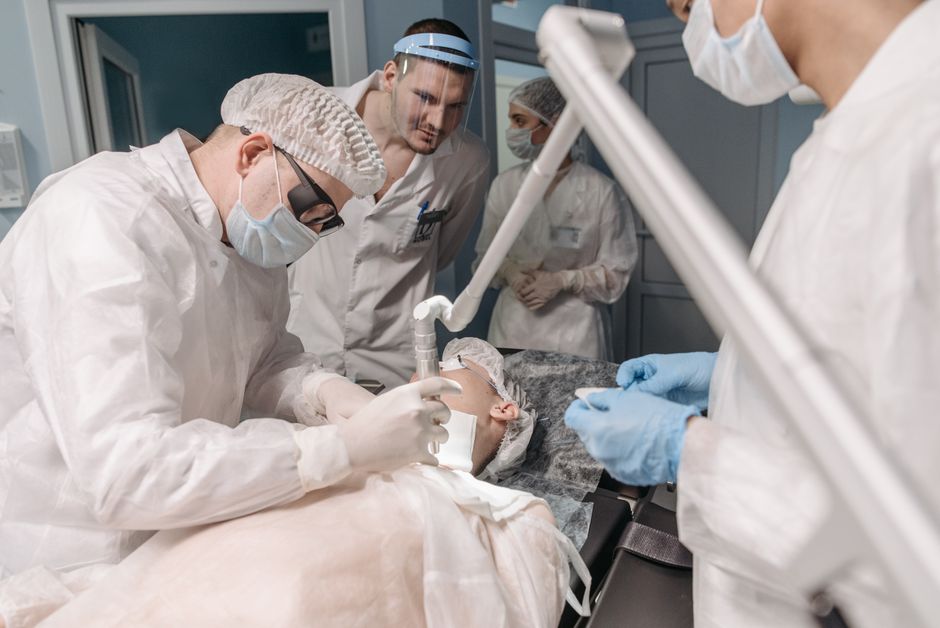
Breast augmentation represents 15% of procedures for Korean women versus 35% for medical tourists, as local preferences favor rhinoplasty and double eyelid surgery.
As of 2026, Koreans undergo roughly 60,000 breast procedures annually compared to 320,000 double eyelid surgeries. Foreign patients actually drive the breast augmentation market in Gangnam.
This creates an interesting pricing dynamic. Clinics compete aggressively for local rhinoplasty patients but maintain premium pricing for breast work, knowing international clients compare costs to US/UK rates rather than Korean domestic prices.
What Is the Cheapest Country for Breast Implants, and Is Korea the Best Value?
Thailand and Turkey offer lower base prices ($3,000-$4,000), but Korea provides superior value when you factor in JCI accreditation rates, implant quality, and revision surgery costs.
Turkey offers $3,000 breast augmentations, but as of 2026, only 12 Turkish hospitals hold JCI accreditation versus 47 in Korea. Thailand prices hover at $3,500-$4,500, but language barriers and follow-up care complications create hidden costs.
The “cheapest” option often becomes the most expensive. Revision surgery in Korea costs $8,000-$16,865 if you botch the initial procedure abroad. Getting it right the first time with MFDS-approved implants saves money long-term.
When Should I Avoid Breast Augmentation Surgery?
Postpone surgery if you’re pregnant, breastfeeding, planning pregnancy within 6 months, or have active infections.
Frequently Asked Questions
Can foreigners go to Korea for plastic surgery?
Yes, Korea actively encourages medical tourism with special 30-day medical visas, airport pickup services, and dedicated international patient coordinators.
You’ll need your passport and a letter from the clinic for visa processing. Most breast augmentation clinics handle the paperwork.
Is the consultation fee included in the surgery price?
Most clinics deduct the $50-$100 consultation fee from your total surgery cost if you book within 30 days.
Some high-volume clinics offer free consultations, but these often feel rushed. Paying for a consultation with a senior surgeon usually means more time measuring your chest wall and discussing implant placement options.
How long do I need to stay in Korea after surgery?
Plan for 7-10 days minimum: surgery day plus 6-9 days for initial recovery and stitch removal.
Most surgeons clear you to fly after 7 days, but you’ll need daily check-ins for drainage tube removal and dressing changes. HIFU treatments for skin tightening can be scheduled during this recovery period if desired.
What if I need a revision after returning home?
Korean clinics typically cover implant failure for 5-10 years, but travel costs for revision aren’t included.
Keep your MFDS implant certificate and operative report. Some clinics partner with US surgeons for follow-up care, or you can return to Korea—revision surgery costs $8,000-$16,865 as of 2026.
Do Korean prices include anesthesia and facility fees?
Legitimate clinics quote “all-inclusive” prices covering general anesthesia, facility fees, implants, and post-op garments.
Watch for clinics quoting “$3,000” then adding $2,000 anesthesia fees later. HIRA regulations now require itemized English quotes, but verify specifically what’s included.
Related Reading
- Breast Augmentation Clinics in Korea — What to check when choosing
- Breast Augmentation Clinics in Seoul — What to check when choosing
- HIFU Treatment Clinics in Korea — What to check when choosing
Last updated: May 01, 2026