
- A Korean executive health checkup includes gastroscopy, cardiac CT/calcium scoring, brain MRI, abdominal ultrasound, and tumor markers for gastric/colorectal cancer
- Premium packages at JCI-accredited hospitals add PET-CT, carotid artery imaging, and same-day English reports for $700-$2,000 USD
- The screening takes 1-2 days and targets Korea’s high-incidence diseases including gastric cancer and myopia-related complications
- MFDS-regulated sedation and HIRA-audited protocols ensure safety standards exceeding many Western clinics
You’re standing in the lobby of Samsung Medical Center at 7:30 AM, clutching a barcode wristband and a cup of contrast dye. Your flight from Los Angeles landed twelve hours ago, but you’ve already completed a gastroscopy, cardiac CT, and full-body MRI before lunch.
This is the reality of Korean executive health screening: compressing six months of American preventive care into a single jet-lagged morning.
I’ve guided hundreds of professionals through these protocols over the past three years. Korean hospitals processed over 1.2 million executive screenings in 2025 alone, with medical tourism patients accounting for 18% of premium packages.
The efficiency isn’t magic—it’s标准化 (standardization) enforced by strict regulatory bodies and technology density that’s hard to find elsewhere.
| Screening Tier | Price (USD) | Duration | Key Inclusions |
|---|---|---|---|
| Basic (National) | $200-$400 | 4-6 hours | Bloodwork, chest X-ray, ECG, abdominal ultrasound |
| Executive | $700-$2,000 | 1-2 days | Gastroscopy, cardiac CT, brain MRI, tumor markers |
| Premium/VIP | $2,500-$5,000 | 2-3 days | PET-CT, genetic screening, dental implant consultations, cosmetic surgery assessments |
What Specific Tests Are Included in a Korean Executive Health Checkup?
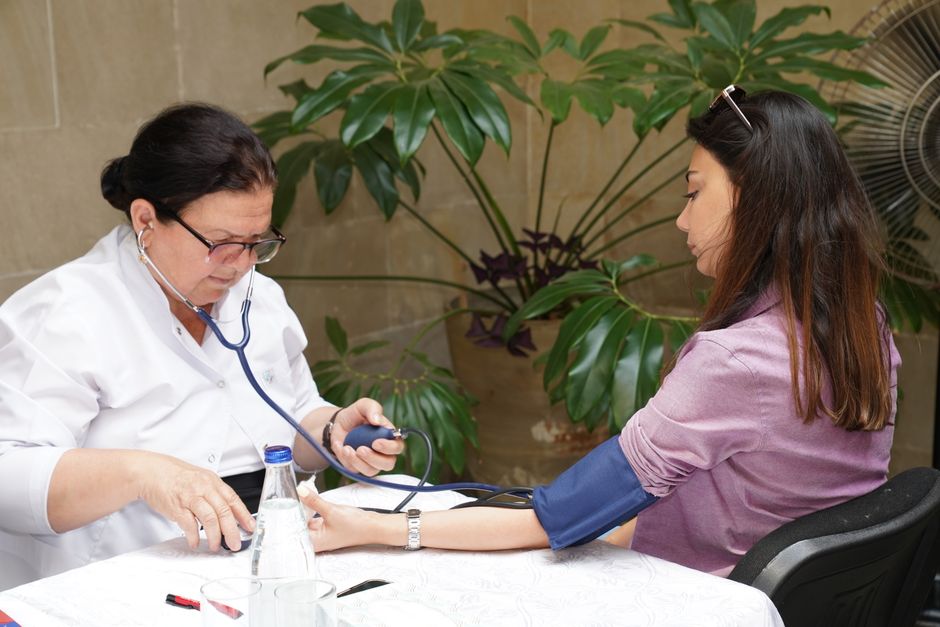
A Korean executive health checkup includes gastroscopy (stomach endoscopy), cardiac CT angiography or calcium scoring, brain MRI, abdominal pelvic ultrasound, and tumor markers for gastric, liver, colorectal, and prostate/breast cancers. As of 2026, Seoul National University Hospital bundles 34 distinct tests into their Executive Program, requiring precisely 7.5 hours from check-in to final consultation.
But here’s the thing: not every hospital defines “executive” identically. Some facilities include carotid artery ultrasound and thyroid scans as standard, while others charge extra.
What Are the 5 Main Tests for Full Body Checkup?
The five main tests are: (1) complete blood count with metabolic panel, (2) upper endoscopy (gastroscopy), (3) chest/abdominal CT or X-ray, (4) cardiac stress test or CT calcium score, and (5) cancer antigen markers (CEA, CA19-9, AFP). These form the backbone of every executive tier package.
You’ll also encounter tests rarely offered in standard Western physicals. Korean programs universally include Helicobacter pylori screening (breath or biopsy) due to prevalence rates of 54% in Korean adults over 40.
They also add hepatitis B and C panels, plus hepatitis A immunity checks—viral liver disease remains a significant public health focus here.
Does Every Executive Package Include Sedation Endoscopy?
Yes, virtually every executive-tier package at major hospitals includes conscious sedation for endoscopy, typically using midazolam or propofol administered by an anesthesiologist. This differs from basic Korean health checkups, where sedation costs extra ($100-$150).
What Is a Full Body Health Check Up in Korea and How Is It Different From Basic Screening?
A full body health checkup in Korea (ganbyeong-geomsa) is a comprehensive preventive assessment including endoscopy, cardiac imaging, and multi-organ cancer screening, whereas basic packages cover only bloodwork, chest X-rays, and abdominal ultrasounds. The distinction matters for professionals over 35 or those with family histories.
Basic screenings follow the National Health Insurance Service guidelines. They’re efficient but limited. You’ll get height, weight, blood pressure, vision (including myopia checks), hearing, blood glucose, and lipid panels. Executive tiers explode this into territory usually reserved for symptomatic patients in other countries.
The real difference? Depth of imaging. Basic packages use ultrasound and X-ray. Executive programs deploy CT and MRI technology that detects lesions as small as 2-3 millimeters.
At Asan Medical Center, their Brain Package includes MRI with MRA (angiography) to spot aneurysms before they rupture—something rarely covered in Western insurance physicals.
What Is the 52 Hour Rule in Korea and Does It Apply to Medical Tourists?
The 52-hour rule refers to Korea’s mandatory health screening requirement for employees working over 52 hours weekly under the Labor Standards Act, but medical tourists booking voluntary executive checkups fall completely outside this regulatory framework. As of 2026, this rule affects only employed residents, not international visitors.
Here’s where it gets interesting. While the 52-hour rule mandates that employers provide basic (not executive) screenings for overworked staff, the executive packages you’re booking are considered “non-covered medical services.” This means hospitals can schedule you faster and offer weekend slots unavailable to corporate groups.
What Is the No. 1 Disease in Korea and How Do Screenings Target It?
Gastric (stomach) cancer is the most commonly diagnosed cancer in Korea, with age-standardized rates roughly three times higher than the United States, which is why every executive checkup includes gastroscopy and H. pylori eradication therapy if needed. As of 2026, gastric cancer accounts for 14.1% of all new cancer diagnoses in Korean men.
Thyroid cancer ranks second for women, followed by colorectal cancer. Korean executive protocols reflect these statistics. Your package will include thyroid ultrasound (high-resolution, 7.5+ MHz probes) and fecal occult blood testing alongside the standard colonoscopy recommendation for patients over 45.
The screening intensity surprises many Americans. In the U.S., you might wait until age 50 for a first colonoscopy. In Korea, executive packages often include “virtual colonoscopy” (CT colonography) at age 40, with optical colonoscopy reserved for positive findings.
This aggressive approach correlates with Korea’s 92% gastric cancer survival rate when caught early—among the world’s highest.
Why Does JCI Accreditation Matter for Executive Health Screening Quality?
JCI accreditation ensures that Korean hospitals meet international standards for medication safety, infection control, and English-language medical reporting, which is critical when you’re interpreting complex imaging results remotely after returning home. Not all Korean hospitals pursue this certification, but screening centers do.
JCI accredits hospital quality through unannounced triennial surveys. When JCI accredits Samsung Medical Center or JCI accredits Severance Hospital, they’re verifying that your endoscope sterilization protocols match Johns Hopkins standards. They’re checking that contrast agents for your cardiac CT are stored and administered according to international pharmaceutical guidelines.
Only 44 Korean hospitals hold JCI accreditation as of 2026. These facilities typically charge 20-30% more for executive packages, but the premium covers bilingual radiologists who can explain subtle findings like incidental pulmonary nodules without causing panic.
How Do MFDS and HIRA Regulations Ensure Screening Accuracy?

MFDS (Ministry of Food and Drug Safety) regulates the contrast agents, endoscopes, and radiological devices used in your screening, while HIRA (Health Insurance Review and Assessment Service) audits hospital protocols to ensure standardized quality across all certified facilities. This dual oversight creates a safety net rare in medical tourism destinations.
MFDS regulates medical procedures by requiring real-time adverse event reporting. If a patient has a reaction to CT contrast during your executive checkup, the hospital must report to MFDS within 24 hours.
This drives rapid protocol improvements. MFDS regulates Botox and fillers too, which explains why some executive packages include dermatology consultations with strict batch-tracking of neuromodulators.
HIRA focuses on appropriateness. They review whether that brain MRI your doctor ordered was actually necessary, or if ultrasound would have sufficed. For self-pay international patients, this auditing means you’re less likely to receive unnecessary radiation exposure from redundant CT scans—a common complaint in unregulated medical tourism markets.
Why Do Executive Checkups Include Advanced Ophthalmology Tests for Myopia and Ptosis?
Korean executive health checkups include detailed ophthalmology screenings because myopia affects 85% of Korean adults under 40, while ptosis screening detects both age-related eyelid drooping and complications from previous cosmetic procedures like blepharoplasty. As of 2026, vision disorders rank among Korea’s top five preventable disabilities.
Your exam will include intraocular pressure checks (glaucoma screening), fundus photography for diabetic retinopathy, and visual acuity testing beyond the standard Snellen chart. Many packages add OCT (optical coherence tomography) to scan retinal layers—essential for executives spending 10+ hours daily on screens.
Here’s the connection to Korea’s famous cosmetic surgery industry. Blepharoplasty corrects ptosis in roughly 30% of aesthetic eyelid procedures performed here.
If you’ve had double eyelid surgery performed previously (or are considering it during your medical tourism trip), the ptosis evaluation in your executive checkup identifies whether your levator muscle function remains intact.
Rhinoplasty and dental implant assessments sometimes appear as add-ons in premium executive tiers, creating a “maintenance check” for previous cosmetic work.
When Should You Choose an Executive Checkup Over a Basic Package?
You should book an executive health checkup if you’re over age 35, have a family history of cancer, suffer from chronic stress or hypertension, or haven’t had comprehensive imaging (CT/MRI) within the past three years. Basic packages miss early-stage pathologies that respond best to early intervention.
The decision hinges on risk tolerance. Basic screening catches obvious diabetes and hypertension. Executive screening catches pancreatic cysts, early-stage lung nodules, and coronary plaque before symptom onset. For the $500 price difference, you’re essentially buying insurance against “surprise” Stage III diagnoses.
What Do International Patients Miss Without Expert Guidance?
Frequently Asked Questions
How Much Does a Korean Executive Health Checkup Cost?
Executive health checkups in Korea cost between $700 and $2,000 USD depending on hospital tier, with JCI-accredited facilities like Severance Hospital charging premium rates ($1,200-$1,800) while regional university hospitals offer similar test suites for $700-$900. This typically includes all imaging, sedation, and English translation services.
How Long Does the Executive Screening Process Take?
The physical screening process takes 6-8 hours for a one-day package or spans two mornings for more comprehensive tiers including PET-CT scans. Results are usually available within 3-5 business days, with some hospitals offering same-day preliminary readings for cardiac and chest imaging.
Do I Need a Referral to Book an Executive Checkup?
No, medical tourists do not require referrals; you can book directly through hospital international clinics or specialized agencies like those covered in our medical tourism packages guide. However, bringing previous medical records helps radiologists compare new findings against historical baselines.
Is the Sedation Safe for International Travelers?
Yes, propofol sedation administered under MFDS guidelines is generally safe for healthy adults, but hospitals require a 12-hour fasting period and prohibit flying for 24 hours post-sedation to prevent DVT complications. Schedule your gastroscopy for the final day of your trip, not the arrival day.
Related Reading
Ready to book your screening? Compare specific programs in our detailed roundups:
- Best Executive Health Checkup Packages in Korea — Side-by-side comparison of Samsung, Asan, and SNUH programs
- Hospitals for Health Checkups in Korea — What to check when choosing
- Korean Medical Tourism Packages — What to check when choosing
Last updated: May 01, 2026